SpongeBob SquarePants Earrings: 2026 Value & Budget Guide
Assess the true value of SpongeBob SquarePants earrings in 2026. We break down metal grades, enamel quality, and pricing tiers for smart buyers.

The Nostalgia Premium: Assessing Cartoon Jewelry in 2026
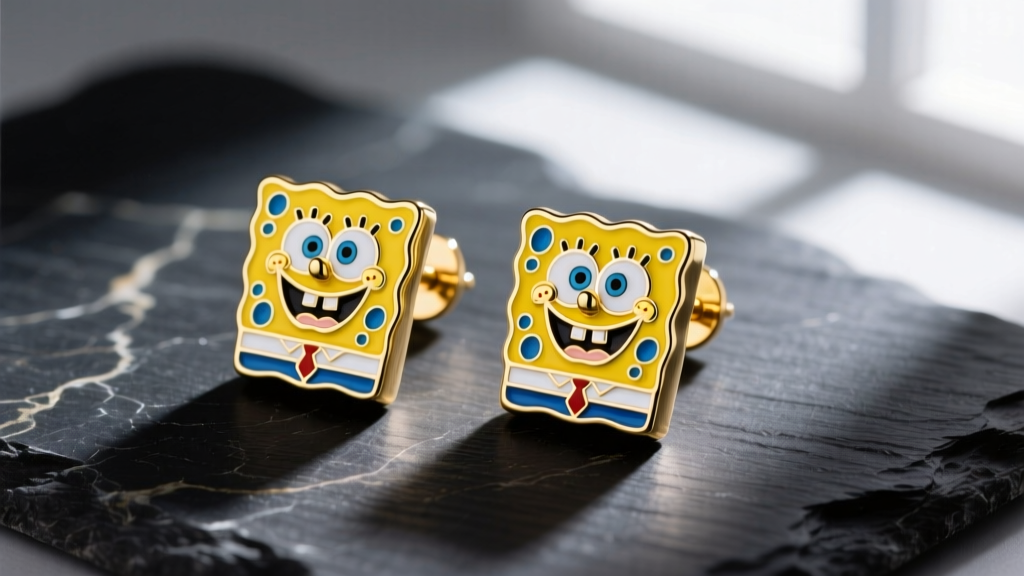
As the Y2K and millennial nostalgia trends continue to dictate jewelry markets in 2026, character-themed accessories have transitioned from cheap novelty bin fillers to highly sought-after collector items. Among the most popular of these are SpongeBob SquarePants earrings, which range from $3 dropshipped alloys to $250 fine-jewelry interpretations. But how do you separate a genuine investment piece from a fast-fashion trap that will turn your earlobes green? This comprehensive value assessment breaks down the metallurgy, enamel integrity, and pricing structures of Bikini Bottom-inspired ear decor, ensuring you get exactly what you pay for.
The Base Metal Illusion: Zinc Alloy vs. Sterling Silver
The single biggest point of failure in budget novelty jewelry is the base metal. Many unlicensed SpongeBob SquarePants earrings sold on mega-marketplaces are stamped with misleading terms like "Tibetan Silver" or "Surgical Steel." In reality, these are often zinc or brass alloys flash-plated with a microscopic layer of silver or rhodium.
According to the Federal Trade Commission's Jewelry Guides, precious metal stamping must be strictly accurate. However, overseas manufacturers frequently bypass these regulations. When the flash plating wears off—usually within two to four weeks of daily wear—the underlying zinc or nickel is exposed. This leads to rapid oxidation (the dreaded green skin effect) and poses a severe risk for contact dermatitis. The Mayo Clinic notes that nickel allergies can develop suddenly, even if you have never reacted to metals before, making hypoallergenic base metals a non-negotiable for daily-wear studs.
Expert Tip: If a pair of detailed, multi-colored SpongeBob stud earrings costs under $12 and claims to be "sterling silver," it is almost certainly a mislabeled zinc alloy. True 925 sterling silver requires a minimum raw material cost that makes a $5 retail price mathematically impossible.
Enamel Integrity: Why Your SpongeBob Turns Brown
SpongeBob's iconic bright yellow and Patrick Star's vibrant pink require enamel work. In jewelry manufacturing, there are two primary types of enamel used for character pieces: cold enamel (epoxy resin) and vitreous (hot) enamel.
The Epoxy Problem
Ninety percent of budget SpongeBob SquarePants earrings utilize cold epoxy resin. While cheap and easy to apply in molds, standard epoxy is highly susceptible to UV degradation. If you wear a budget SpongeBob stud daily, the UV exposure from sunlight will cause the yellow resin to yellow-brown and become brittle within six months. Furthermore, epoxy relies on chemical adhesion to the metal post; when exposed to the natural oils and slight acidity of human skin, the resin frequently pops out of the bezel entirely.
The Vitreous Upgrade
Premium and officially licensed fine jewelry pairs utilize vitreous enamel—a powdered glass fused to the metal at over 1,400°F. Vitreous enamel is UV stable, scratch-resistant, and will not degrade from skin oils. When assessing the value of a premium pair, look for the glass-like luster and hard, cold touch of vitreous enamel, which justifies a higher price point and guarantees the colors will remain vibrant for decades.
2026 Pricing & Value Matrix
To help you navigate the market, we have categorized the current landscape of SpongeBob SquarePants earrings into three distinct value tiers. Use this matrix to determine if a listing is fairly priced based on its material composition and licensing status.
| Tier | Price Range | Base Metal | Enamel Type | Licensing & Value Verdict |
|---|---|---|---|---|
| Budget / Fast Fashion | $3 - $14 | Zinc Alloy / Brass | Standard Epoxy | Unlicensed. High allergy risk. Poor long-term value. |
| Mid-Tier / Licensed | $25 - $65 | 925 Sterling Silver / 316L Steel | UV-Stabilized Epoxy | Official Nickelodeon License. Best value for daily wear. |
| Premium / Collector | $90 - $250+ | 14k / 18k Solid Gold | Vitreous / Micro-Pave | Licensed Fine Jewelry. Heirloom quality, holds resale value. |
Gauge, Weight, and the "Square Stud" Ergonomic Problem
Beyond materials, the physical engineering of the earring drastically impacts its value and wearability. Novelty earrings often ignore basic ergonomic principles in favor of character accuracy, leading to painful physical failure modes.
The Square Stud Dilemma
SpongeBob is, inherently, a square. When translated into a 10mm stud earring, the sharp 90-degree corners of his silhouette can easily catch on hair, towels, or clothing. Budget manufacturers simply stamp out a square piece of metal and weld a post to the back. High-value manufacturers, however, will slightly round the inner corners of the bezel or add a subtle domed profile to the metal, preventing the edges from digging into the side of your face when you sleep on your side.
Gauge Sizing and Dangle Weights
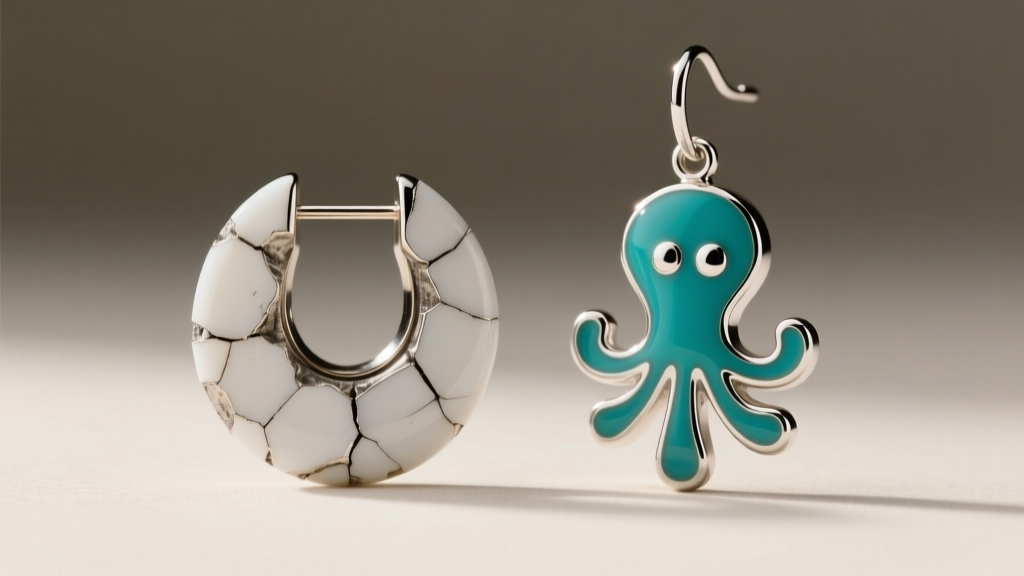
Standard earlobe piercings are typically 20-gauge (0.81mm) or 18-gauge (1.02mm). Budget dangle earrings—such as a heavy zinc-alloy Gary the Snail design—often use thick, rough 18-gauge wire that can stretch or irritate a standard 20-gauge piercing over time. Furthermore, heavy dangles lack proper counterbalancing. A well-engineered Squidward or Patrick dangle will feature a lightweight, hollow-backed construction or a carefully placed jump ring that keeps the character facing forward, rather than flipping upside down against your neck.
The Hidden Cost: Earring Backs and Threading
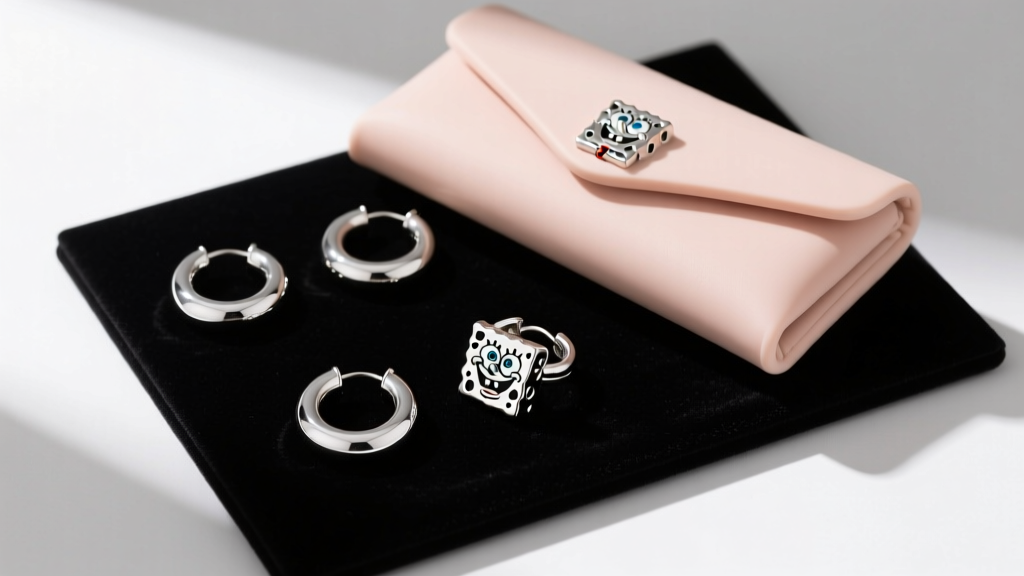
When conducting a budget assessment, buyers rarely look at the earring back (the clutch). Budget pairs use cheap, stamped "butterfly" clutches made of unplated brass. These clutches have poor tension and rely on friction against the earring post. To compensate, budget manufacturers use deeply grooved, rough threading on the post itself. This rough threading acts like a file, slowly stripping the inside of the clutch until it no longer holds the earring securely, resulting in lost jewelry.
Mid-tier and premium SpongeBob SquarePants earrings solve this by utilizing smooth, unthreaded 20-gauge posts paired with high-quality silicone or precision-machined metal clutches. When evaluating a pair in person or via detailed macro photos online, inspect the post. A smooth, mirror-polished post is a hallmark of quality manufacturing and ensures the earring back will maintain its tension for years.
Final Verdict: Where to Spend and Where to Save
If you are purchasing SpongeBob SquarePants earrings as a temporary accessory for a specific event, theme party, or Halloween costume, the $10 budget tier is acceptable, provided you swap the metal back for a silicone O-ring and limit wear to a few hours to avoid nickel exposure.
However, for daily wear, cartilage placements, or long-term collecting, the mid-tier licensed 925 sterling silver options ($25–$65) offer the undisputed best value. They provide the necessary hypoallergenic properties, utilize UV-stabilized resins that won't turn brown, and support official licensing. Skip the unlicensed dropship traps, invest in proper metallurgy, and let your Bikini Bottom jewelry last as long as your love for the show.


