Star Earrings Black Onyx & Enamel: 2026 Gift Guide
Explore our 2026 gift guide for star earrings black onyx, enamel, and diamond styles. Expert advice on gauges, materials, and occasion matching.

The Dark Celestial Trend: Why Black Star Earrings?
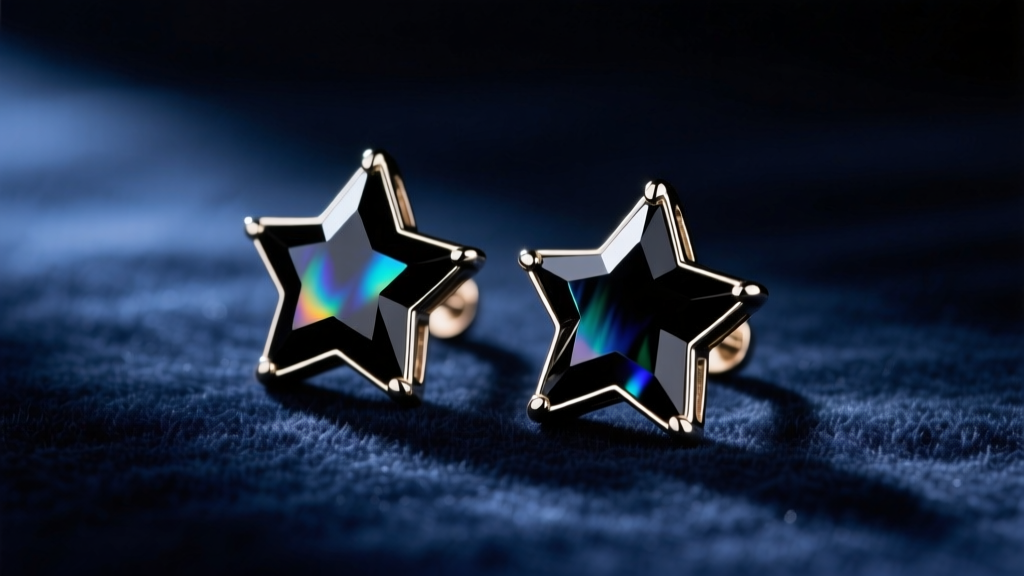
Celestial jewelry has dominated the accessory market for the better part of a decade, but as we move through 2026, the aesthetic has shifted from bright, polished gold to something far more mysterious and grounded. The surge in demand for dark, moody celestial pieces reflects a broader cultural pivot toward individuality and subtle rebellion. When curating a gift of star earrings black gemstones, oxidized metals, and dark enamels provide an unparalleled depth that traditional silver or gold simply cannot match.
Black star earrings are not a monolith. They range from sleek, minimalist black rhodium studs designed for the modern professional to elaborate, gothic-inspired black diamond dangles meant for evening wear. Gifting these pieces requires a nuanced understanding of material science, piercing anatomy, and the specific aesthetic preferences of the recipient. This guide breaks down everything you need to know to select the perfect pair, ensuring your gift is both structurally sound and stylistically resonant.
Material Science: Decoding Black Finishes and Gemstones
The term "black" in jewelry encompasses a wide variety of materials, each with distinct physical properties, failure modes, and price points. Understanding these differences is critical for E-E-A-T (Experience, Expertise, Authoritativeness, and Trustworthiness) when making a purchase.
1. Black Onyx vs. Black Spinel
Black onyx is the most common dark gemstone used in star-shaped jewelry. However, according to the Gemological Institute of America (GIA), most commercial black onyx is actually gray agate that has been treated with heat and dyes to achieve its uniform black color. It sits at a 6.5 to 7 on the Mohs hardness scale, meaning it is susceptible to chipping if dropped on a hard surface. For star-shaped cuts, which feature sharp points, a bezel or semi-bezel setting is highly recommended to protect the vulnerable tips.
Black spinel, conversely, is a naturally occurring gemstone that requires no dye. It is slightly harder (Mohs 7.5-8) and offers a higher refractive index, giving it a more brilliant, glass-like luster compared to the waxy sheen of onyx.
2. Black Rhodium and Oxidized Silver
Black rhodium is an alloy of rhodium mixed with darkening agents, plated over a base of sterling silver or white gold. The plating thickness typically ranges from 0.1 to 0.5 microns. The primary failure mode of black rhodium is wear; high-friction areas (like the posts or the edges of a star) will eventually rub off, revealing the bright metal beneath. Oxidized silver, on the other hand, is sterling silver that has been intentionally tarnished using sulfur compounds, then polished to leave dark patina only in the recessed areas of the star design.
3. Vitreous vs. Cold Enamel
Enamel adds a stark, opaque black to star earrings, but the manufacturing process dictates its longevity. Vitreous enamel is made from fused glass powder fired in a kiln at over 1400°F. It is highly scratch-resistant and will not yellow over time. Cold enamel (epoxy resin) cures at room temperature. While cheaper, it scratches easily, degrades with exposure to UV light and cosmetics, and should be avoided for heirloom-quality gifts.
| Material | Durability / Mohs | Price Range (Studs) | Primary Failure Mode | Best Occasion |
|---|---|---|---|---|
| Black Onyx (Dyed) | 6.5 - 7.0 | $40 - $150 | Chipping at star points | Everyday wear, Birthdays |
| Black Spinel (Natural) | 7.5 - 8.0 | $120 - $350 | Severe blunt impact | Anniversaries, Milestones |
| Black Rhodium Plate | N/A (Plating) | $60 - $200 | Plating wear on edges | Fashion-forward gifting |
| Vitreous Black Enamel | 5.5 - 6.5 (Glass) | $80 - $250 | Shattering if dropped | Edgy professional wear |
| Treated Black Diamond | 10.0 | $200 - $800+ | Prong wear over decades | Luxury, Romantic gestures |
Occasion Matching: Who Are You Gifting These To?
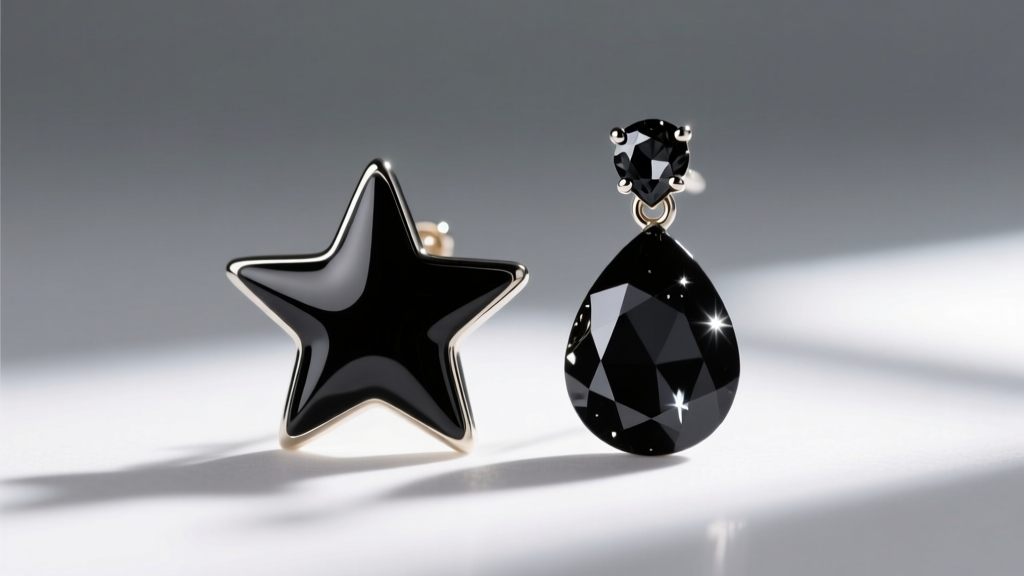
Matching the specific type of black star earring to the recipient's lifestyle and the occasion is the hallmark of a thoughtful gift. Here is a framework for matching styles to personas.
The Edgy Professional: Black Enamel & Rhodium Studs
For the recipient who navigates corporate or formal environments but wants to maintain a distinct personal style, opt for small (6mm to 8mm) black vitreous enamel star studs set in black rhodium. These offer a subtle, monochromatic look that doesn't catch the light aggressively like traditional diamonds, making them appropriate for conservative offices while still signaling a sharp, modern aesthetic. Gifting Tip: Ensure the posts are 18-gauge (1.0mm) for stability, and opt for screw-backs rather than friction butterfly backs to prevent loss during busy workdays.
The Celestial Romantic: Black Diamond Dangles
Black diamonds (often irradiated to achieve uniform opacity) possess a raw, unyielding beauty. A pair of articulated star dangles featuring pavé-set black diamonds is the ultimate gift for anniversaries or significant romantic milestones. Because black diamonds do not refract light in the traditional sense, their appeal lies in their texture and the way they absorb light. Look for settings in 14k white gold with a black rhodium overlay to create a seamless, dark-metal-to-gemstone transition.
The Alternative Aesthetic: Oxidized Silver & Onyx Huggies
For the recipient deeply embedded in alternative, gothic, or grunge fashion, traditional studs may feel too sterile. Instead, look for black star charms dangling from oxidized silver huggie hoops. The dark, textured patina of oxidized silver pairs beautifully with the waxy luster of black onyx. This style bridges the gap between earlobe and cartilage styling, offering a versatile piece that can be worn in standard lobe piercings or larger helix piercings.
Piercing Placement and Gauge Specifications
A beautiful earring is useless if it does not fit the recipient's piercing anatomy. When buying star earrings, you must consider the gauge (thickness of the post or wire) and the placement.
- Standard Lobe Piercings: Typically healed at 20-gauge (0.81mm) or 18-gauge (1.0mm). Most commercial star studs are manufactured with 20G posts. If the recipient frequently wears heavier jewelry, their lobes may be stretched to 16G (1.2mm), requiring you to seek out specialized jewelers who offer thicker posts.
- Cartilage (Helix/Forward Helix):strong> Cartilage piercings are generally done at 16-gauge (1.2mm) or 18-gauge. If you are gifting a black star flat-back labret stud for a cartilage piercing, you must verify their gauge size. Forcing a 20G post into a 16G hole can cause the piercing to shrink or become irritated.
- Tragus and Conch: For these deeper cartilage placements, star-shaped flat-backs (labret studs) are ideal. The flat disc rests flush against the back of the ear, preventing the sharp points of a traditional butterfly back from digging into the side of the head while sleeping.

Care, Maintenance, and Failure Modes
Dark jewelry requires specific maintenance protocols to preserve its moody aesthetic. According to the Federal Trade Commission (FTC) Jewelry Guides, jewelers must disclose when metals are plated or gemstones are treated, but it is up to the consumer to maintain them properly.
"The greatest enemy of black rhodium and oxidized silver is friction and chemical exposure. Perfumes, lotions, and the natural pH of human sweat will accelerate the breakdown of dark platings. Always advise the recipient to put their jewelry on after applying cosmetics."
— Master Jeweler's Bench Manual, 2024 Edition
Troubleshooting Tarnish and Wear:
- Black Rhodium Rub-Off: If the star points begin to show bright silver or gold, the piece needs to be re-plated by a professional jeweler. Do not attempt to use silver polish, as this will strip the remaining black rhodium entirely.
- Onyx Clouding: Onyx is porous. If it comes into contact with harsh chemicals (like chlorine in swimming pools or household bleach), the dye can leach out, leaving the stone looking gray and cloudy. Clean onyx only with warm water and a microfiber cloth.
- Enamel Chipping: If a vitreous enamel star earring is dropped on tile or stone, the glass enamel can chip. Unlike metal, enamel cannot be "buffed out." It must be re-fired by an enamelist, which is often cost-prohibitive for fashion jewelry.
Final Gifting Verdict
Gifting black star earrings in 2026 is a statement of curated, intentional style. By moving away from traditional bright metals and embracing the depth of black onyx, the durability of vitreous enamel, or the raw edge of black diamonds, you are offering a piece that stands out in a saturated jewelry market. Pay close attention to the recipient's piercing gauges, prioritize bezel settings for sharp star points, and always include a care card detailing the specific maintenance needs of dark metals and treated stones. When executed correctly, a pair of dark celestial earrings transcends mere accessory status, becoming a deeply personal talisman of the night sky.


