How To Curate And Care For Your Golden Earring Golden Hits
Master your jewelry rotation with our step-by-step guide to selecting, sizing, and cleaning your golden earring golden hits for lifelong daily wear.

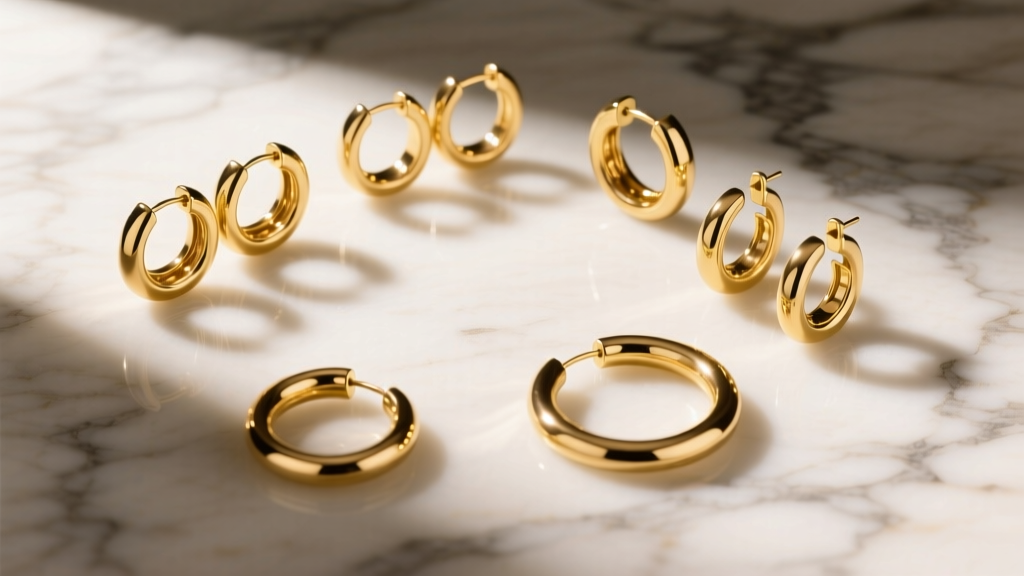
In the ever-evolving landscape of jewelry trends, building a reliable capsule collection is the ultimate style strategy. As we navigate 2026, the concept of the 'jewelry uniform' has cemented itself as a hallmark of effortless elegance. At the core of this uniform are your golden earring golden hits—the high-impact, everyday staple pieces that anchor your look and withstand the rigors of daily life. These are the 14k solid gold huggies, the perfectly sized medium hoops, and the seamless clickers that you never want to take off. However, treating these pieces as permanent fixtures requires a strategic approach to material selection, anatomical sizing, and chemical maintenance.
This comprehensive, step-by-step guide will teach you how to curate, fit, and restore your golden earring golden hits so they remain vibrant, secure, and structurally sound for decades. Whether you are managing a curated lobe stack or a delicate helix setup, mastering these technical details is the difference between jewelry that degrades and jewelry that becomes an heirloom.
Step 1: Selecting the Right Gold Alloy for Daily Impact
The term 'golden hits' implies pieces that take a beating and keep looking phenomenal. To achieve this, you must look beyond the color of the gold and focus on its metallurgical hardness, measured on the Vickers Hardness (HV) scale. Pure 24k gold is exceptionally soft (around 25 HV) and will warp under the pressure of daily wear. Therefore, your everyday staples must be crafted from specific gold alloys.
According to the Gemological Institute of America (GIA), alloying gold with metals like copper, silver, and zinc not only changes its color but drastically increases its tensile strength. For your golden earring golden hits, 14k gold is the undisputed champion of durability.
| Gold Karat | Purity | Vickers Hardness (Approx.) | Best Use Case |
|---|---|---|---|
| 24k | 99.9% | 25 - 45 HV | Investment pieces, occasional wear studs |
| 18k | 75.0% | 120 - 150 HV | Special occasion hoops, fine diamond settings |
| 14k | 58.3% | 150 - 180 HV | Everyday huggies, seamless rings, threaders |
Actionable Advice: When shopping for your core rotation, prioritize 14k solid gold for any earring that features a hinge, a clicker mechanism, or a thin wire. The higher copper and zinc content in 14k gold provides the structural memory needed for hinge closures to snap shut securely year after year.
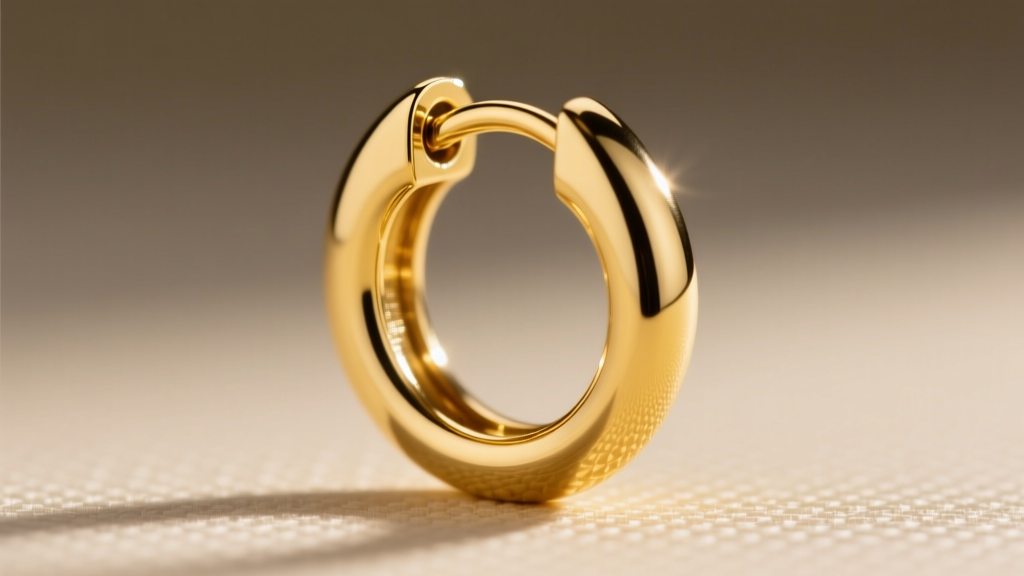
Step 2: Precision Gauge Matching to Prevent the 'Cheese Cutter' Effect
A common mistake when curating a capsule collection is ignoring wire thickness, technically known as the gauge. Wearing the wrong gauge in a specific piercing can lead to a painful phenomenon known in the body modification community as the 'cheese cutter effect.'
Understanding Gauge Sizing
The gauge system is inverse: the higher the number, the thinner the wire. Here is the precise breakdown for your golden earring golden hits:
- 20 Gauge (0.81mm): The standard for traditional earlobe piercings. Ideal for lightweight studs and delicate friction-back hoops.
- 18 Gauge (1.02mm): Slightly thicker, offering better support for heavier gold drops or medium-sized hoops worn in the lobe.
- 16 Gauge (1.29mm): The mandatory standard for cartilage piercings (helix, forward helix, tragus, and conch).
- 14 Gauge (1.63mm): Used for industrial bars or heavily stretched lobes.
The Troubleshooting Insight: If you place a thin 20-gauge gold hoop into a 16-gauge cartilage piercing, the heavy weight of the gold combined with the thin surface area of the wire will cause the jewelry to slowly slice through the tissue, especially while sleeping. Always match the structural weight of your golden hits to the appropriate gauge thickness to distribute the physical load evenly across the fistula (the piercing channel).
Step 3: The 10-Minute Weekly Restoration Routine
Gold itself does not tarnish, but the alloy metals mixed into 14k and 18k gold (like copper and silver) react to environmental factors. Sebum, dead skin cells, hard water minerals, and cosmetic residues create a microscopic film that dulls the reflective surface of your earrings. To keep your golden earring golden hits looking freshly polished, implement this exact weekly protocol.
The Safe Surfactant Soak
- Prepare the Solution: Fill a small ceramic bowl with warm (not hot) water. Add three drops of a mild, phosphate-free liquid dish soap (such as original Dawn). Avoid soaps with heavy moisturizers or exfoliating beads, which can leave a filmy residue or micro-scratch the metal.
- The Soak: Submerge your gold earrings for exactly 10 minutes. This allows the surfactants to break down the lipid bonds of body oils trapped in hinge crevices and clasp mechanisms.
- Agitation: Use an extra-soft baby toothbrush to gently sweep the bristles along the back of the post, the inside of the huggie hinge, and around any gemstone prongs. Never use a medium or hard-bristled brush, as accumulated dust contains silica, which can scratch gold when rubbed aggressively.
- The Rinse and Dry: Rinse thoroughly under distilled water to prevent hard water calcium spots. Pat dry with a lint-free microfiber cloth, ensuring no moisture remains trapped in the clicker hinge.
For deeper insights into professional jewelry maintenance, the Jewelers of America recommends avoiding harsh chemical dips for everyday gold alloys, as they can strip the polished finish over time.
Step 4: Navigating Chemical Hazards and Stress Corrosion
The most critical threat to your golden earring golden hits is not physical impact, but chemical exposure. Specifically, chlorine is the ultimate enemy of karat gold. When 14k or 18k gold is exposed to chlorinated water (in swimming pools or hot tubs), the chlorine reacts with the copper and silver alloys within the metal.
This reaction causes a metallurgical failure known as stress corrosion cracking. The alloy becomes brittle at a microscopic level, leading to sudden, catastrophic failure—such as a hoop snapping in half or a prong dropping a diamond.
The Golden Rules of Chemical Avoidance:
- Swimming: Always remove your gold earrings before entering a chlorinated pool or saltwater ocean. Saltwater can also cause pitting in lower-karat gold alloys over prolonged exposure.
- Skincare Acids: If you use strong chemical exfoliants (like AHAs, BHAs, or retinols) in your nightly routine, ensure your earrings are removed or thoroughly rinsed afterward. Prolonged contact with high-acidity serums can dull the luster of the alloy metals.
- Hairspray and Perfume: Apply all aerosols and fragrances before putting your earrings on. The alcohol and propellants in these products can degrade the tension in friction-back earring nuts and dull the metal's shine.
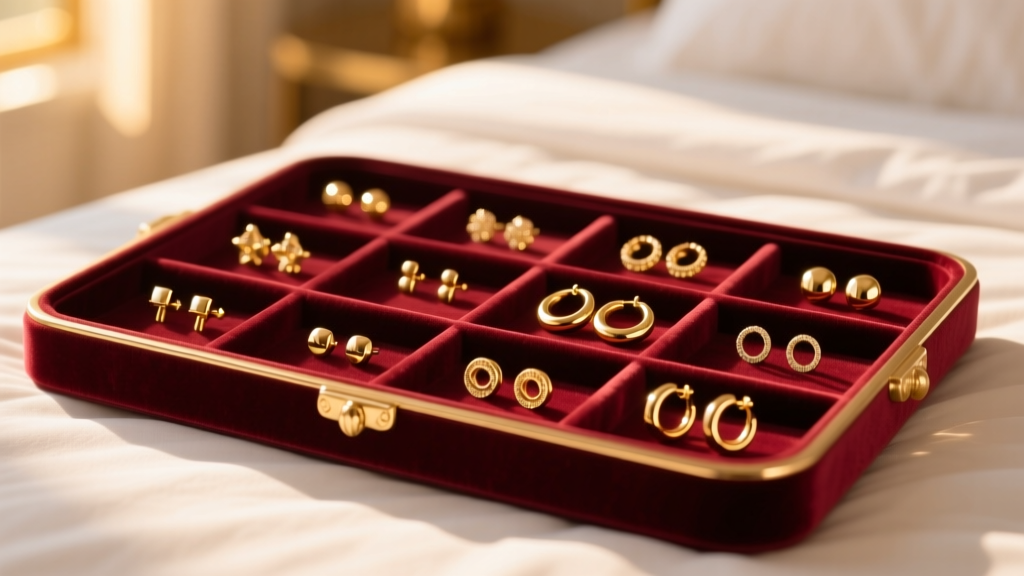
Step 5: Strategic Storage to Prevent Micro-Abrasions
How you store your golden hits when they aren't in your ears is just as important as how you clean them. Gold is a relatively soft metal compared to diamonds, sapphires, or even stainless steel. Tossing your everyday hoops into a communal jewelry box guarantees they will become entangled and scratched by harder gemstones or sharper metal findings.
The Ideal Storage Setup:
Invest in a velvet-lined or suede jewelry organizer with individual, gusseted slots. Suede and velvet are soft enough to prevent micro-abrasions while providing enough friction to keep the pieces from sliding around. For travel, use individual anti-tarnish ziplock bags (made with specialized polymers that absorb sulfur and hydrogen sulfide from the air) to ensure your golden earring golden hits remain pristine, no matter where your journey takes you.
Final Thoughts on Building Your Capsule
Curating your golden earring golden hits is an exercise in intentionality. By prioritizing 14k solid gold for structural integrity, respecting the physics of gauge sizing, and adhering to a strict, chemical-safe cleaning routine, you transform your jewelry from mere accessories into lifelong companions. Treat your pieces with technical precision, and they will reward you with a lifetime of effortless, golden brilliance.


