The Ultimate Buying Guide to Silver Dome Earrings: What to Look For
Discover what to look for when buying silver dome earrings. Compare sterling vs. plated, hollow vs. solid, and find the perfect mm size for your lobes.

The Enduring Appeal of the Silver Dome
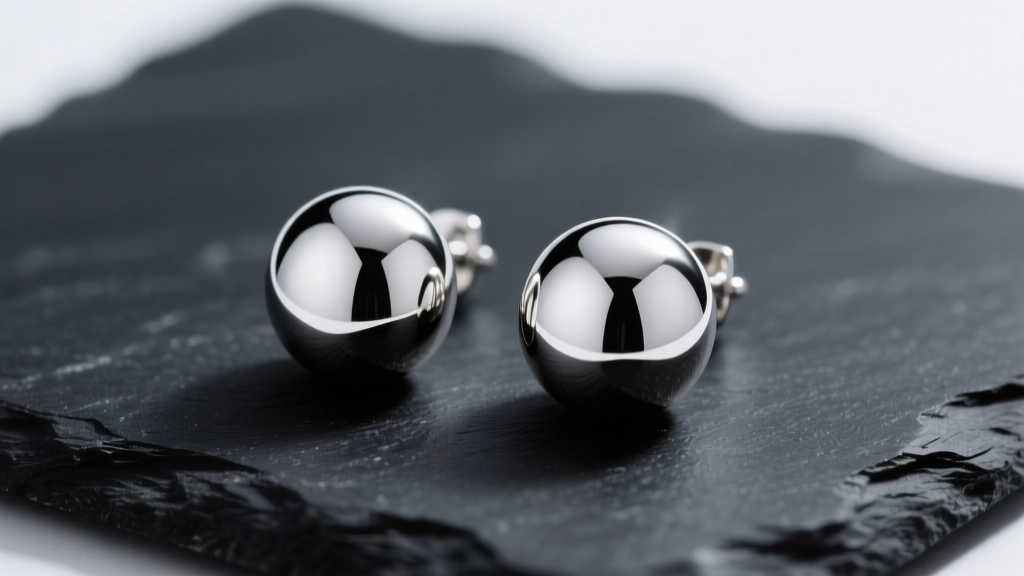
Silver dome earrings represent a masterclass in minimalist jewelry design. Unlike intricate filigree or gemstone-heavy pieces, the dome relies entirely on its geometry, surface tension, and light reflection to make an impact. Whether you are looking for a subtle 6mm everyday stud or a bold 20mm statement piece, buying the right pair requires understanding metallurgy, structural engineering, and ergonomic weight distribution. This comprehensive guide breaks down exactly what to look for when investing in silver dome earrings, ensuring you avoid common pitfalls like lobe-stretching weights, rapid tarnishing, and deceptive plating.
Decoding Silver Grades: Sterling, Argentium, and Plated
Not all silver is created equal. The high-polish surface of a dome earring acts as a mirror, meaning any impurities or base metals will quickly manifest as tarnish or discoloration. According to the Gemological Institute of America (GIA), understanding the exact alloy composition is critical for longevity.
| Silver Grade | Composition | Tarnish Resistance | Avg. Price (12mm Pair) |
|---|---|---|---|
| Sterling (925) | 92.5% Ag, 7.5% Cu | Moderate | $45 - $120 |
| Argentium (960) | 96% Ag, Germanium | High | $80 - $180 |
| Silver-Plated | Brass/Cu core, Ag wash | Low | $15 - $35 |
Sterling Silver (925): The industry standard. The 7.5% copper content provides necessary hardness but reacts with sulfur in the air, causing tarnish. For domes, look for pieces that have been rhodium-plated or e-coated to delay this process.
Argentium Silver (960): A modern metallurgical upgrade. By replacing some copper with germanium, Argentium is highly tarnish-resistant and hypoallergenic. If you live in a humid climate and want a maintenance-free mirror finish, Argentium is the superior choice.
Silver-Plated: A microscopic layer of silver over a brass or copper core. Because dome earrings experience high friction against the ear and hair, plating will eventually wear through, exposing the base metal. Avoid plated domes for permanent collections.
Solid vs. Hollow Construction: The Physics of Earlobe Weight
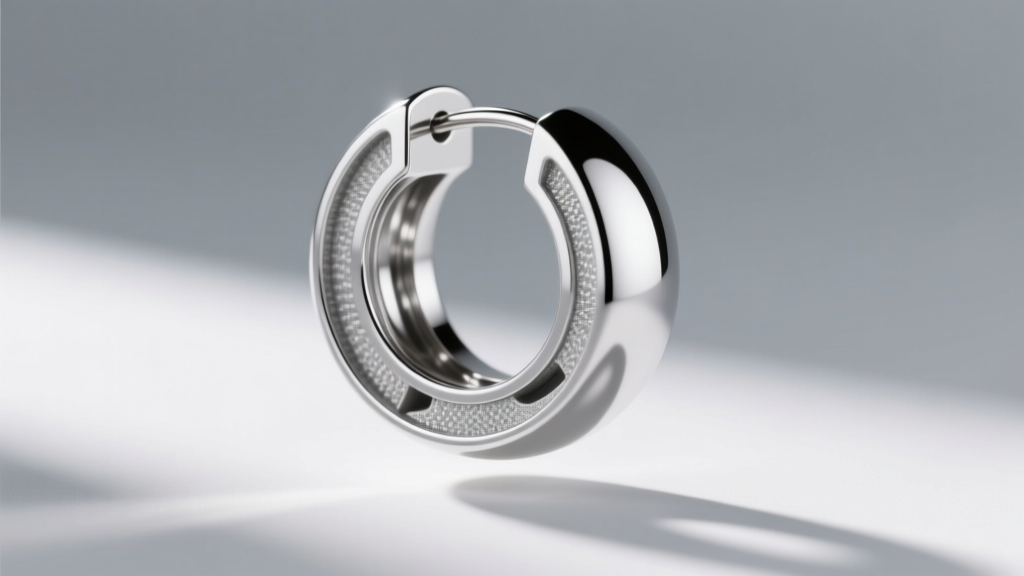
The most critical failure point in dome earrings is weight-induced earlobe stretching. A solid cast 16mm silver dome can weigh upwards of 9 grams per earring. Human earlobes begin to experience permanent tissue elongation when subjected to consistent loads exceeding 4 to 5 grams.
Hollow Stamped Domes: Created by stamping sheet silver into a mold and soldering a flat backplate. These are lightweight (usually 1.5 to 3 grams) and comfortable for all-day wear. However, their thin walls (often 0.4mm) are prone to denting if dropped on a hard surface.
Solid Cast Domes: Poured or 3D-printed and cast in solid metal. They offer a premium, heavy feel and are impervious to denting. If you opt for solid domes larger than 12mm, you must ensure the earring post is at least 18-gauge (1.0mm thick) or 16-gauge (1.2mm thick). Standard 20-gauge (0.8mm) posts will bend under the leverage of a heavy solid dome.
Sizing Guide: Millimeter Diameter and Face Shape Proportions
Because domes lack dangling movement, their diameter dictates their entire visual footprint. Use this framework to match the millimeter size to your facial geometry and lobe capacity:
- 6mm - 8mm (The Subtle Stud): Roughly the size of a pencil eraser. Ideal for secondary cartilage piercings, tragus placements, or minimalist everyday lobe wear. Suits all face shapes.
- 10mm - 12mm (The Classic Button): The size of a standard pea. Provides a noticeable gleam without overwhelming the ear. Excellent for round and heart-shaped faces, as the width balances facial proportions.
- 14mm - 16mm (The Statement Dome): Comparable to a dime. Requires a robust earlobe. Best suited for oval and square face shapes, where the bold geometry softens strong jawlines or complements elongated features.
- 18mm - 20mm+ (The Avant-Garde): Larger than a nickel. These are heavy, architectural pieces meant for occasional wear or high-fashion styling. Requires thick, healthy lobes and heavy-duty backing support.
Backing Mechanisms: Securing the Dome
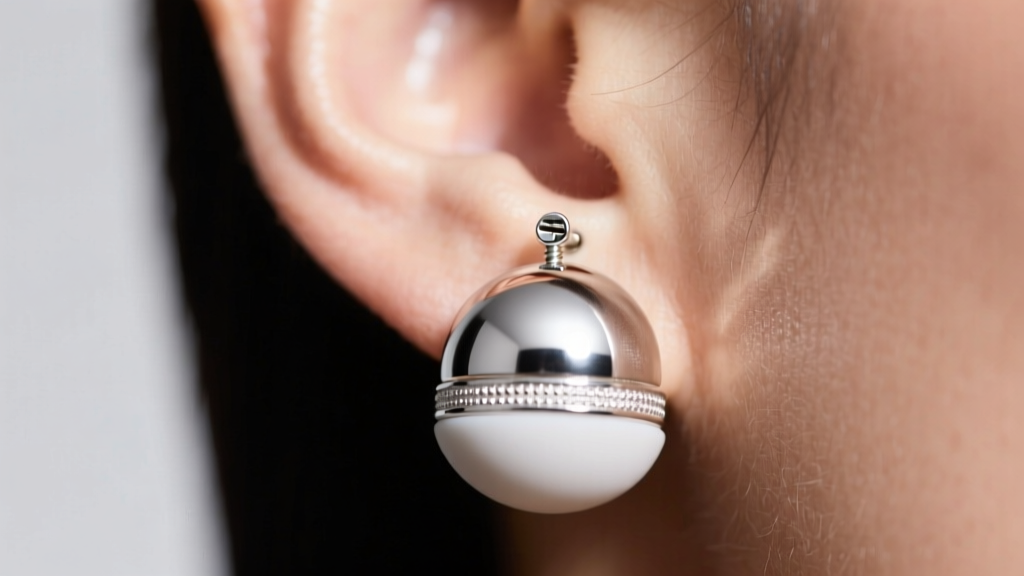
A heavy dome will droop forward if the backing cannot counterbalance the front weight. Standard butterfly friction backs are insufficient for solid domes over 10mm.
Screw Backs
The post features threaded grooves, and the backing screws on securely. This prevents the earring from slipping forward and ensures the dome sits flush and upright against the lobe. Essential for solid 14mm+ domes.
La Pousette / Locking Backs
Often found on fine jewelry, these backs feature a mechanical locking clutch that snaps into a grooved post. They offer the security of a screw back with the ease of a push-on friction back.
Jumbo Silicone Discs
If your domes have standard posts, upgrading to 10mm flat silicone disc backs provides a wider surface area against the back of the earlobe, distributing the weight and preventing the dreaded forward droop.
Hallmarks and Authenticity: Avoiding Counterfeits
The Federal Trade Commission (FTC) Jewelry Guides strictly regulate how silver can be stamped and marketed. When inspecting the flat backplate of a dome earring, look for the following:
Expert Tip: Beware of terms like "Tibetan Silver," "Alpaca," or "German Silver." These are historical misnomers for copper-nickel-zinc alloys that contain absolutely zero elemental silver and frequently cause severe contact dermatitis due to nickel content.
Authentic pieces will be stamped with "925", "STER", or a registered maker's mark. If the dome is rhodium-plated to prevent tarnish, reputable jewelers will still stamp the underlying 925 silver, sometimes accompanied by an "RH" indicator.
Care and Maintenance for Mirror Finishes
The convex surface of a dome earring catches light from every angle, but it also highlights micro-scratches and chemical damage. Never use liquid silver dips (thiourea-based solutions) on high-polish domes. These harsh chemicals strip the surface tension, leaving a dull, matte-gray patina that requires professional re-polishing to fix.
Instead, maintain your silver domes using a dry, impregnated rouge polishing cloth. Wipe the convex surface in a single, circular motion after every few wears to remove skin oils and environmental sulfur. Store them in an anti-tarnish flannel pouch, separate from harder gemstones or diamonds that could easily gouge the soft silver surface during transit.