Sterling Silver Evil Eye Earrings: 2026 Buying Guide
Discover what to look for when buying sterling silver evil eye earrings in 2026. Learn about 925 silver grades, enamel durability, and sizing.

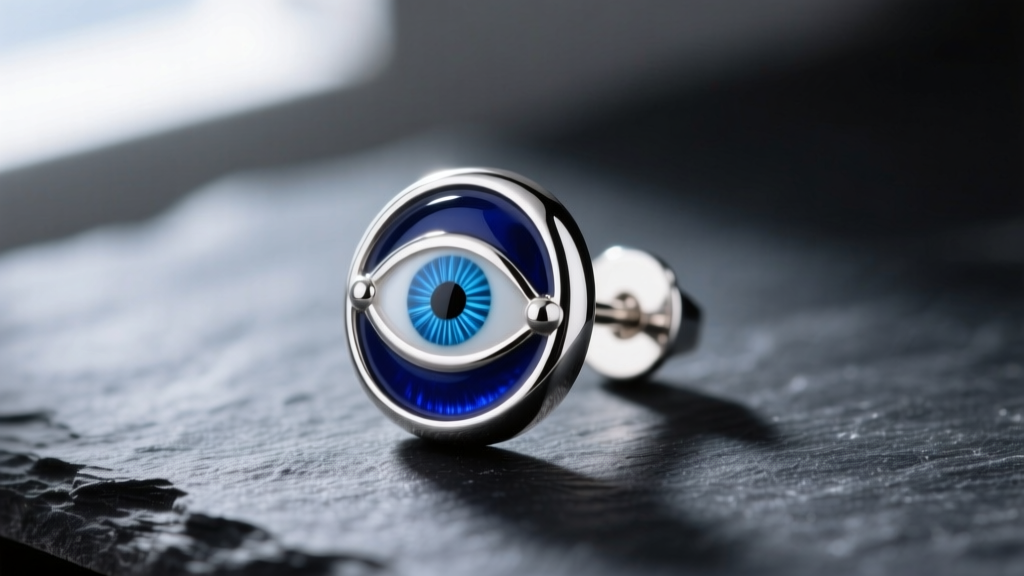
The Anatomy of High-Quality Sterling Silver Evil Eye Earrings
The evil eye (Nazar) motif has transcended its Mediterranean and West Asian roots to become a global jewelry staple. As we navigate the 2026 jewelry market, the demand for sterling silver evil eye earrings has shifted away from mass-produced, fast-fashion alloys toward artisan-crafted, metallurgically sound pieces. Whether you are seeking a subtle stud for daily wear or an elaborate cartilage cuff, understanding the material science and structural integrity of these talismans is critical. This comprehensive buying guide breaks down exactly what to look for, ensuring your protective jewelry is as durable as it is meaningful.
Metallurgy: Beyond the 925 Stamp
When shopping for sterling silver evil eye earrings, the '925' hallmark is your baseline, but it is not the whole story. Pure silver (999) is too malleable for jewelry posts, which is why sterling silver is alloyed with 7.5% copper for tensile strength. However, this copper content makes the metal susceptible to oxidation and tarnishing when exposed to sulfur and moisture in the air.
To combat this, premium manufacturers apply a rhodium plating. When evaluating a piece, look for rhodium thickness specifications. A high-quality earring will feature a rhodium flash of at least 0.1 to 0.5 microns. This platinum-group metal not only provides a brilliant, tarnish-resistant white sheen but also acts as a hypoallergenic barrier, preventing the copper alloy from reacting with your skin's natural acidity. According to the Silver Institute, proper alloying and plating standards are what separate fine jewelry from disposable accessories. If a retailer cannot confirm rhodium plating on their sterling silver pieces, expect the earrings to require frequent polishing and potentially cause green discoloration on sensitive earlobes.
Decoding the Eye: Enamel vs. Gemstone Inlays
The 'eye' of the earring is typically rendered in concentric circles of white, blue, and black. The material used for these colors dictates the lifespan and price of the earring.
Cold Enamel vs. Vitreous Enamel
Most entry-level sterling silver evil eye earrings utilize cold enamel, which is essentially an epoxy resin. While it offers vibrant initial colors, cold enamel is prone to scratching, yellowing from UV exposure, and chipping upon impact. Conversely, luxury and artisan jewelers use vitreous enamel. This is a glass-based powder that is kiln-fired at temperatures exceeding 1400°F (760°C). Vitreous enamel fuses directly to the silver, creating a scratch-resistant, permanently vibrant surface that will not degrade over time. If the product description simply says 'enamel' without specifying 'fired' or 'vitreous,' assume it is epoxy resin.
Gemstone Alternatives
For buyers seeking a more elevated or natural aesthetic, many 2026 collections replace the traditional blue enamel center with gemstones. Lapis lazuli and turquoise are popular choices that mimic the classic blue eye while offering natural matrix patterns. When purchasing gemstone inlays, verify that the stones are bezel-set rather than glued. Glued settings inevitably fail when exposed to lotions, perfumes, and1 2026 Buying Guide


