How to Choose Sterling Silver Rose Earrings: A Buyer's Guide
Discover what to look for when buying sterling silver rose earrings. Learn about 925 hallmarks, plating options, and styling tips in our expert guide.

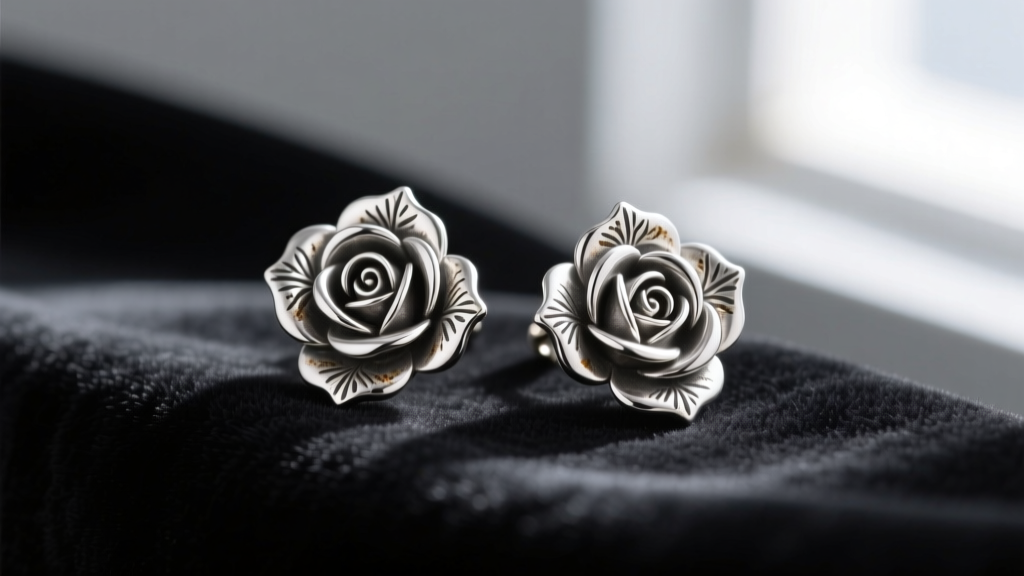
The Allure of the Rose Motif in Silver
The rose has been a dominant symbol in jewelry design for centuries, representing love, balance, and new beginnings. When translated into metalwork, the intricate folds of rose petals demand a material that balances malleability with durability. This is precisely why sterling silver rose earrings remain a staple in both fine and fashion jewelry collections. As we navigate the jewelry market in 2026, the demand for botanical motifs has surged, but the quality of these pieces varies wildly. Whether you are looking for a delicate stud for everyday wear or an oxidized statement drop for evening events, understanding the metallurgy and craftsmanship behind these floral designs is crucial for making a lasting investment.
Decoding the Metal: 925 Sterling Silver vs. Alternatives
Not all silver is created equal. When shopping for sterling silver rose earrings, the first step is verifying the metal's purity and composition. Pure silver (999 fine silver) is too soft to hold the complex, sculpted shapes of rose petals or support the weight of gemstone accents. Therefore, it must be alloyed.
The Importance of the 925 Stamp
According to the Silver Institute, genuine sterling silver must contain exactly 92.5% pure silver and 7.5% alloy metals, typically copper. This specific ratio provides the necessary tensile strength to craft detailed floral patterns without compromising the metal's natural luster. Always inspect the earring post, the back of the stud, or the inside of a huggie hoop for the '925' hallmark. If a piece is labeled simply as 'silver' or 'Tibetan silver,' it is likely a base metal alloy with little to no precious metal content.
Rhodium Plating vs. Antiqued Oxidation
The 7.5% copper in sterling silver makes it prone to tarnishing when exposed to sulfur and moisture. To combat this, jewelers use two distinct finishing techniques for rose earrings:
- Rhodium Plating: A thin layer of rhodium (a platinum group metal) is electroplated over the silver. This creates a bright, mirror-like finish that resists tarnish and scratches. However, on textured rose petals, rhodium can sometimes pool in the crevices, slightly softening the crispness of the design.
- Antiqued (Oxidized) Silver: The silver is intentionally exposed to sulfur to darken the recessed areas of the rose petals, while the high points are hand-polished. This technique creates dramatic contrast and highlights the 3D sculptural quality of the botanical motif.
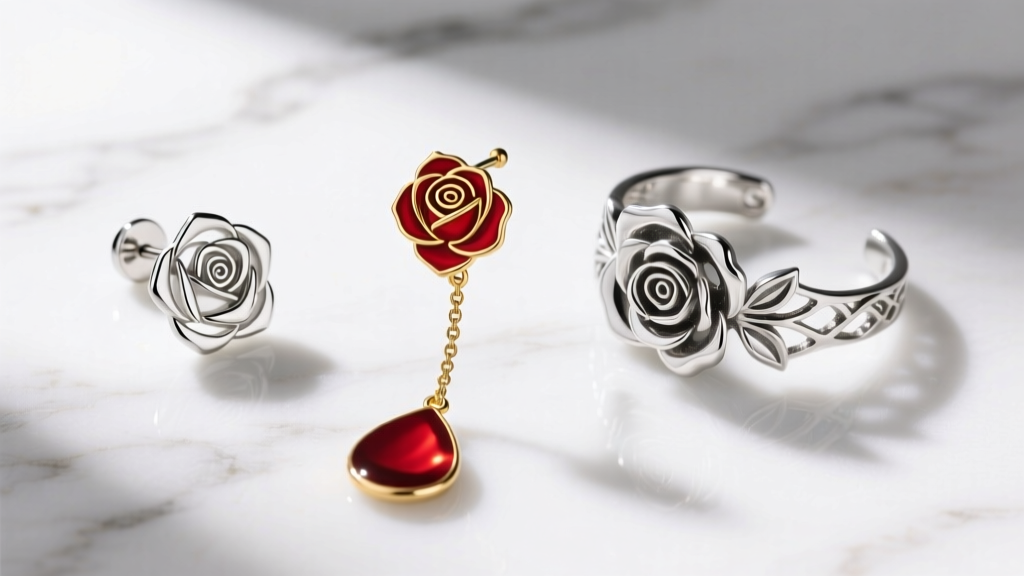
Design Variations: Studs, Drops, and Cartilage Cuffs
The anatomy of the earring dictates both its comfort and its appropriate placement on the ear. Because rose motifs can be visually heavy, selecting the correct gauge (thickness) and closure type is essential for ear health and security. Below is a structural breakdown of common styles.
| Style | Best Placement | Standard Gauge | Recommended Closure |
|---|---|---|---|
| Sculpted Stud | Standard Lobe | 20G (0.81mm) | Friction Butterfly or Screw Back |
| Chandelier Drop | Standard Lobe | 18G (1.02mm) | Leverback or French Wire |
| Floral Huggie | Lobe or Helix | 16G (1.29mm) | Hinged Snap Closure |
| Rose Ear Cuff | Upper Cartilage | Adjustable | Pressure Fit (No piercing required) |
For heavier silver rose drops, always opt for 18G or 16G wires. A 20G wire on a heavy solid-silver rose can easily bend under its own weight, stretching the piercing hole over time. Additionally, screw-back closures are highly recommended for valuable 925 silver studs, as standard friction backs frequently wear out and can lead to lost earrings.
Gemstone and Enamel Accents: What to Inspect
Many sterling silver rose earrings incorporate color to mimic the natural hues of the flower. When evaluating these accents, look for the following quality indicators:
Enamel Work
High-end pieces utilize vitreous enamel, which is essentially powdered glass fused to the silver at high temperatures. It is incredibly durable and possesses a deep, glassy translucency. Mass-market alternatives often use cold enamel (an epoxy resin). While cold enamel can look vibrant initially, it is prone to chipping, scratching, and yellowing from UV exposure over time. Inspect the enamel under a loupe; bubbles or uneven pooling indicate rushed manufacturing.
Gemstone Inlays
If the center of the silver rose features a gemstone, verify its origin. The Gemological Institute of America (GIA) notes that synthetic or lab-created stones are increasingly common in silver jewelry. Lab-created pink sapphires or cubic zirconia (CZ) are excellent, durable choices for silver settings. However, be wary of 'pink quartz' or 'dyed agate' sold at premium prices, as these are softer stones that can easily scratch against the silver bezel during daily wear.
Pricing Tiers: What Should You Expect to Pay?
Understanding the market value of sterling silver rose earrings prevents overpaying for mass-produced items and helps you recognize true artisan craftsmanship. In the current market, pricing generally falls into three distinct tiers:
- Mass Market ($25 - $55): Typically cast from molds in large batches. These pieces often feature thin silver layers, cold enamel, and standard friction backs. They are great for trendy, seasonal wear but may lack long-term durability.
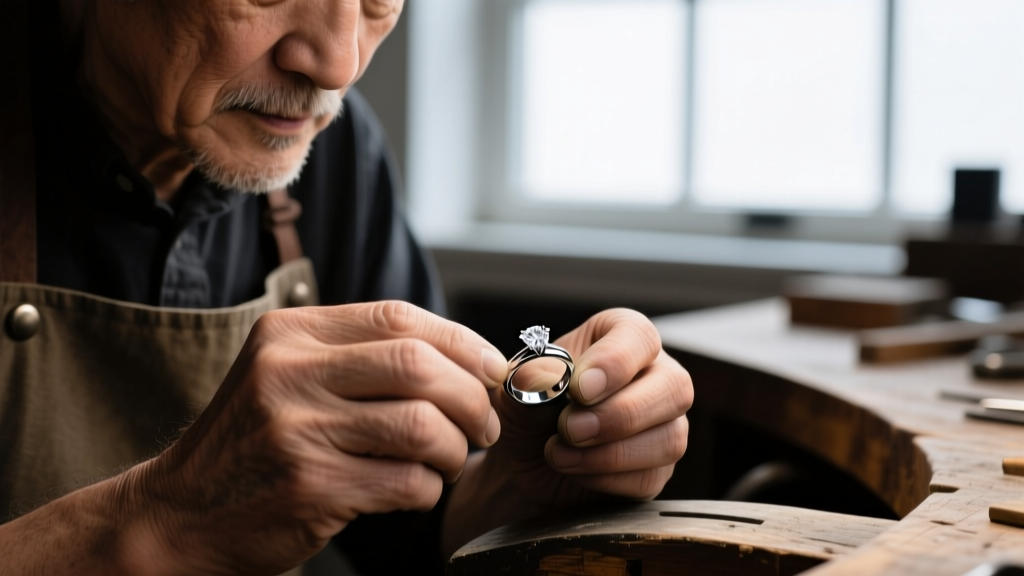
- Artisan & Small Batch ($70 - $180): Hand-finished pieces where a jeweler individually carves or refines the wax model before casting. These earrings feature superior detailing on the rose petals, vitreous enamel, and secure closures. This is the sweet spot for quality and value.
- Fine Designer ($250+): Pieces from established luxury houses or master silversmiths. These often incorporate Argentium silver (a highly tarnish-resistant alloy), ethically sourced natural pink diamonds or sapphires, and bespoke mechanical closures.
Care and Tarnish Prevention for Silver Botanicals
The deep crevices of a sculpted silver rose are notorious for trapping moisture, lotions, and environmental pollutants, which accelerates tarnishing. Proper maintenance is non-negotiable for preserving the contrast in oxidized pieces and the shine of rhodium-plated ones.
Expert Storage Tip: Never store sterling silver rose earrings in cardboard boxes or wrap them in rubber bands. Rubber and certain paper products emit sulfur gases that will rapidly blacken the silver. Always use airtight ziplock bags with a 3M anti-tarnish strip, or a dedicated flannel-lined jewelry box treated with silver cloth.
For cleaning, avoid harsh chemical dips, especially on oxidized earrings, as the dip will strip the intentional dark patina from the petal crevices, leaving the earring looking flat and washed out. Instead, use a soft, untreated microfiber cloth to gently buff only the raised, high-polish areas of the rose. For stubborn debris trapped between the silver petals, a soft-bristled baby toothbrush with a drop of mild dish soap and warm water will safely lift the dirt without scratching the metal.
Final Verdict: Investing in Timeless Floral Jewelry
Sterling silver rose earrings offer a perfect intersection of romantic symbolism and wearable artistry. By prioritizing verified 925 hallmarks, understanding the structural requirements of different earring styles, and knowing how to evaluate enamel and gemstone accents, you can confidently select a piece that will endure. Whether you choose a high-polish rhodium stud for a touch of everyday elegance or an intricately oxidized drop for dramatic flair, a well-chosen silver rose is a botanical accessory that will never wilt.


