The String Earrings Trend: 2026 Style Guide & How to Wear Them
Discover the 2026 string earrings trend. Explore silk thread styles, wire threaders, material grades, gauge sizes, and expert styling tips for every face shape.

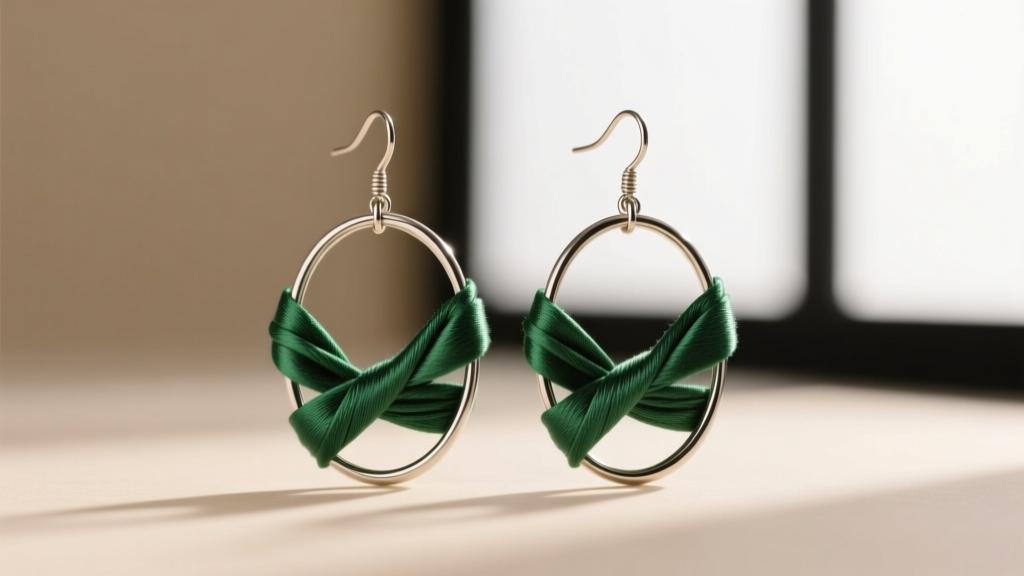
The Anatomy of the 2026 String Earring Revival
The jewelry landscape in 2026 has seen a massive pivot toward tactile, movement-driven accessories, and the string earring is at the absolute epicenter of this shift. Once relegated to niche bohemian festivals or traditional South Asian craft markets, string earrings have been entirely recontextualized by high-fashion houses and independent metallurgists alike. Today, the term 'string earring' encompasses two distinct but equally popular categories: the literal silk or cotton thread wrap, and the ultra-fine metal wire 'threader' that strings seamlessly through the earlobe. According to trend analyses featured in Vogue's jewelry editorials, the modern consumer is craving lightweight, kinetic pieces that offer maximum visual impact without the heavy, dragging sensation of traditional solid-metal drop earrings.
What makes the 2026 iteration of the string earring so revolutionary is the material science involved. We are no longer looking at fragile, easily frayed craft threads or flimsy wire that bends out of shape. Modern string earrings utilize aerospace-grade titanium cores, UV-cured epoxy resins, and precision-welded chain links. This evolution has transformed the string earring from a disposable fast-fashion accessory into a durable, investment-grade staple in contemporary jewelry wardrobes.
Material Breakdown: Silk Thread vs. Metal Wire Strings
To navigate this trend, one must understand the fundamental differences between the two primary types of string earrings dominating the market. Silk thread earrings rely on tension and wrapping techniques, while metal string earrings (commonly known as threaders) rely on gravity and precision gauge sizing.
| String Type | Core Material | Thickness/Gauge | Price Range (2026) | Best Use Case |
|---|---|---|---|---|
| Silk Thread Wrap | Brass/Aluminum Alloy | 2mm - 5mm (Wrapped) | $15 - $85 | Festival, Boho, Bold Statement |
| Metal Threader | Sterling Silver/Titanium | 22g (0.64mm) | $45 - $150 | Minimalist, Office, Daily Wear |
| Chain String | 14k/18k Gold Fill | 1.2mm Cable Chain | $90 - $280 | Evening, Layering, Formal |
Silk thread string earrings are traditionally crafted using high-quality DMC or Anchor cotton and silk floss, tightly wound around a lightweight metallic base. In 2026, artisan jewelers have begun sealing these wraps in a micro-layer of jewelry-grade, UV-cured resin. This prevents the hygroscopic threads from absorbing ambient humidity, sebum, and cosmetic aerosols, which historically caused the 'string' to rot, discolor, or emit odors over time. Conversely, metal string earrings utilize dead-soft sterling silver or Grade 23 titanium wire, polished to a mirror finish to glide through the fistula without friction.
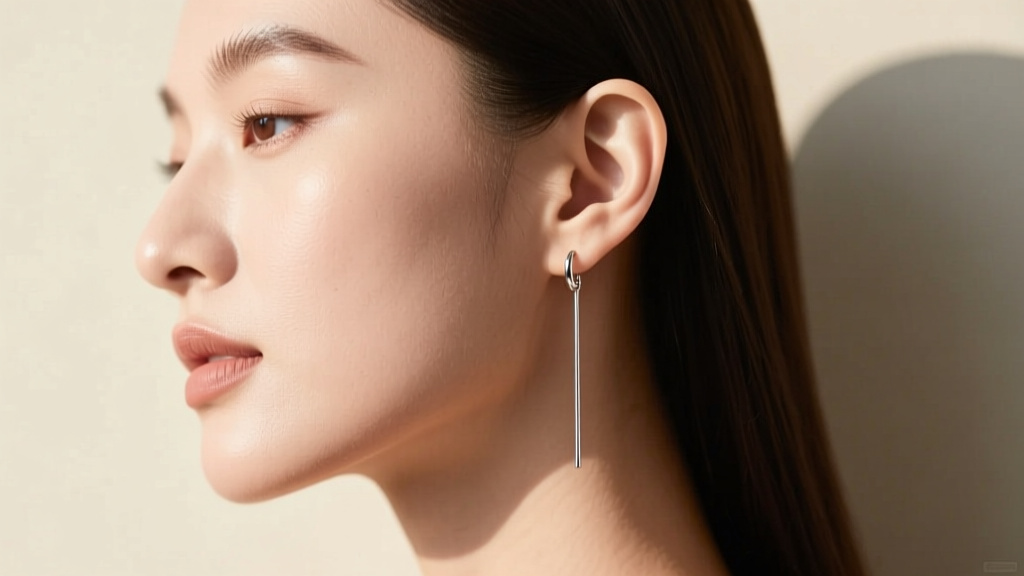
Gauge Sizes and Piercing Health: The 'Cheese-Cutter' Effect
When dealing with metal string earrings, gauge size is not merely a stylistic choice; it is a critical factor in piercing health and tissue preservation. The most common failure mode for low-quality threader earrings is the 'cheese-cutter effect.' This occurs when a wire is too thin—typically 24-gauge (0.51mm) or smaller—and bears the kinetic weight of a dangling chain or gemstone. The ultra-fine wire acts like a cheese wire against the delicate epithelial tissue of the earlobe fistula, causing micro-tears, migration, and eventual lobe splitting.
To combat this, reputable jewelers and piercing professionals, often citing guidelines discussed by experts like Forbes Jewelry Contributor Jennifer Heebner, strictly engineer metal string earrings at 22-gauge (0.64mm) or 20-gauge (0.81mm). A 22-gauge wire provides the necessary surface area to distribute the kinetic load safely across the fistula while maintaining the delicate, 'invisible string' illusion that defines the trend. Furthermore, the transition point where the metal post meets the chain string must feature a seamless, laser-welded joint. Any microscopic burrs or soldering bumps at this junction will scrape the interior of the piercing channel, leading to irritation bumps and delayed healing.
Styling Framework: Matching String Earrings to Face Shapes
The kinetic nature of string earrings makes them incredibly versatile for face-shape balancing. Because they move with the wearer, they draw the eye dynamically. Here is a practical decision framework for selecting the right string earring based on facial geometry:
- Round Faces: Opt for long, vertical silk thread drops or linear metal threaders that extend at least two inches below the earlobe. The vertical 'string' element creates an optical illusion that elongates the face and sharpens the jawline. Avoid clustered, circular thread wraps.
- Square Faces: Soften strong, angular jawlines with curved chain strings or teardrop-shaped silk thread wraps. The fluid, swinging motion of a delicate gold chain string introduces softness and movement that contrasts beautifully with sharp bone structure.
- Heart-Shaped Faces: Balance a wider forehead and narrower chin with chandelier-style string earrings or threaders that feature a slight flare at the bottom. Gemstone accents at the terminus of the string, such as lab-grown sapphires or ethically sourced tourmaline (a trend heavily tracked by the Gemological Institute of America), add necessary visual weight to the lower half of the face.
- Oval Faces: The universal canvas. Oval faces can pull off the most avant-garde string earring styles, including asymmetric ear-to-ear chain strings or ultra-thick, brightly colored silk thread hoops.
Real-World Failure Modes and Maintenance Protocols
Despite the advancements in 2026 jewelry manufacturing, string earrings require specific maintenance protocols to ensure longevity. The primary enemy of silk thread string earrings is moisture and chemical exposure. While modern UV-resin coatings offer significant protection, prolonged exposure to chlorinated pool water or high-alcohol perfumes will eventually degrade the resin, leading to delamination and fraying at the clasp junction.
Expert Maintenance Tip: Never sleep in metal string threaders. The fine chains are highly susceptible to tangling in hair and bedding, which can result in sudden, forceful pulling that damages both the earring and the earlobe. Always unthread them by pulling the chain gently from the back, never by yanking the decorative front element.
Cleaning Protocols
For metal string earrings, ultrasonic cleaners are generally safe for the wire itself but can loosen the tension settings of any micro-pave diamonds or gemstones attached to the chain. Instead, use a mild, phosphate-free dish soap and a soft-bristled baby toothbrush to gently clean the wire. For silk thread strings, a dry, soft makeup brush is the only safe tool for dusting the threads without causing snags or pilling.
Price Points and Designer Benchmarks
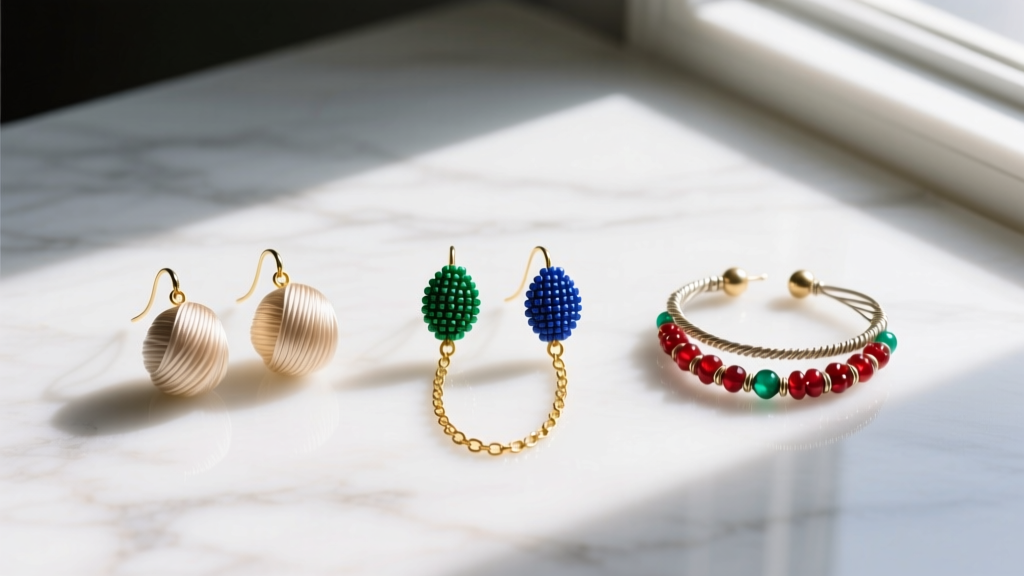
The market for string earrings in 2026 is highly stratified, offering entry points for both budget-conscious trend adopters and high-end collectors. Independent artisans on platforms like Etsy and specialized craft markets dominate the silk thread wrap category, with prices ranging from $15 to $85 depending on the complexity of the geometric wrap and the use of semi-precious stone beads. These pieces offer incredible value and unparalleled color variety.
On the higher end, luxury designers and specialized metallurgists are pushing the boundaries of the metal string threader. Brands utilizing 18k solid gold threaders, often integrating microscopic tension-set diamonds along the 'string' itself, command prices between $400 and $1,200. However, the sweet spot for most consumers lies in the $60 to $150 range, where buyers can secure high-quality, 14k gold-filled or solid sterling silver threaders with seamless welds and hypoallergenic guarantees. Investing in this mid-tier ensures you are getting the precise 22-gauge engineering required for piercing health, without the steep premium of solid high-karat gold.
Final Verdict: Is the String Earring Trend Here to Stay?
The string earring is no longer a fleeting seasonal fad; it has cemented itself as a modern jewelry staple. The fusion of traditional textile crafts with advanced metallurgical engineering has created a category that bridges the gap between avant-garde art and everyday wearability. Whether you prefer the vibrant, tactile presence of a resin-sealed silk thread wrap or the whisper-light elegance of a 22-gauge titanium metal threader, the 2026 string earring offers an unparalleled combination of comfort, movement, and stylistic versatility. By paying strict attention to gauge sizes, material grades, and proper maintenance, you can confidently integrate this dynamic trend into your permanent jewelry rotation.


