Back of Earring Stuck Inside Earlobe: Safe Removal Guide
Panicking because the back of earring stuck inside earlobe? Learn safe removal techniques, embedding causes, and 2026 professional extraction costs.

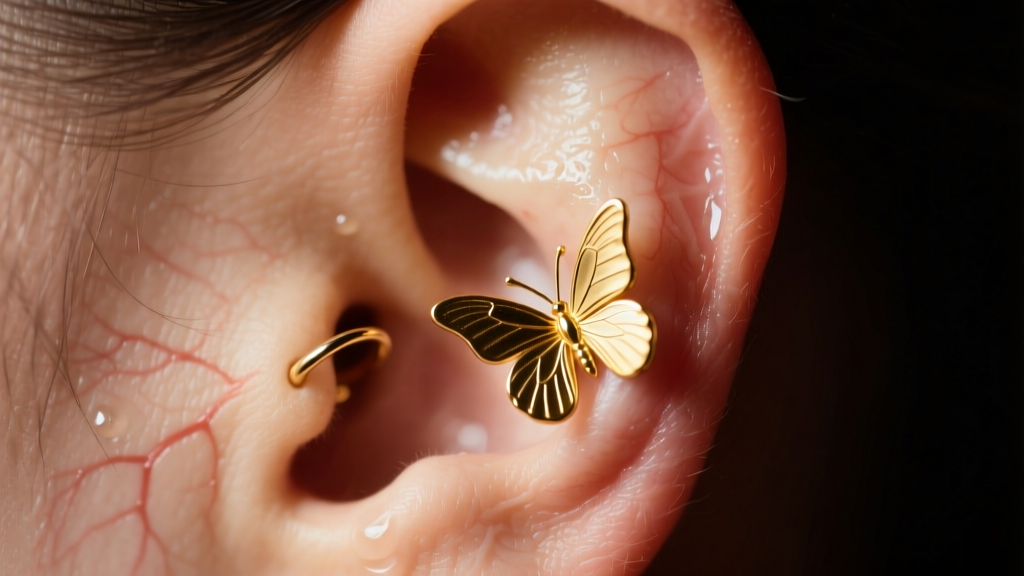
The True Cost of a Embedded Earring Back
Panic is the universal first response when you reach up to adjust your jewelry and realize the metal clutch has disappeared beneath your skin. Discovering that you have a back of earring stuck inside earlobe tissue is a distressing, painful, and surprisingly common emergency. However, from a budget and value assessment perspective, this situation represents a critical failure point in how consumers evaluate the hidden costs of cheap jewelry.
The initial savings of purchasing a $12 pair of mall-kiosk stud earrings are instantly wiped out when localized swelling traps the metal hardware beneath the skin. What was meant to be an affordable accessory suddenly transforms into a medical or professional extraction liability, potentially costing you anywhere from $50 to over $250 in urgent care copays, professional piercer fees, and prescription antibiotics. In this comprehensive 2026 guide, we break down the anatomy of an embedded earring, provide actionable at-home triage steps, and assess the financial value of upgrading your jewelry hardware to prevent future tissue trauma.
The Anatomy of an Embedded Earring Back
To understand why embedding occurs, we must look at the intersection of human biology and low-cost jewelry manufacturing. Standard commercial earrings typically utilize a 20-gauge (0.81mm) or 18-gauge (1.02mm) post secured by a high-tension 'butterfly' clutch. These clutches are designed with tight, scalloped metal wings that grip the post aggressively to prevent loss.
When the earlobe experiences minor trauma—such as sleeping on the piercing, snagging it on a sweater, or experiencing an allergic reaction to nickel alloys—the body triggers a histamine response. This causes localized edema (swelling). Because the butterfly clutch is rigid and lacks adjustable tension, the swelling tissue has nowhere to go but around and eventually over the 3mm to 5mm metal backing. Once the epithelial layer of the skin begins to heal over the embedded metal, the jewelry is effectively trapped.
Hardware Risk & Value Breakdown
Not all earring backs carry the same risk profile. Below is a comparative assessment of common earring backings, evaluating their upfront cost against their long-term value and embedding risk.
| Backing Type | Average Cost (Per Pair) | Embedding Risk | Long-Term Value Assessment |
|---|---|---|---|
| Standard Butterfly Clutch | $5 - $15 | High | Poor. High risk of tissue compression and nickel allergies. |
| Screw-Back Clutch | $20 - $40 | Moderate | Fair. Secure, but threads can harbor bacteria and irritate swollen tissue. |
| Silicone O-Rings | $2 - $8 | Moderate | Poor. Porous material traps moisture, leading to fungal or bacterial buildup. |
| Flat-Back Labret (Threadless) | $35 - $85 | Extremely Low | Excellent. Flush against the skin, eliminates pressure points, and allows for swelling. |
Immediate At-Home Triage: What to Do (and Avoid)
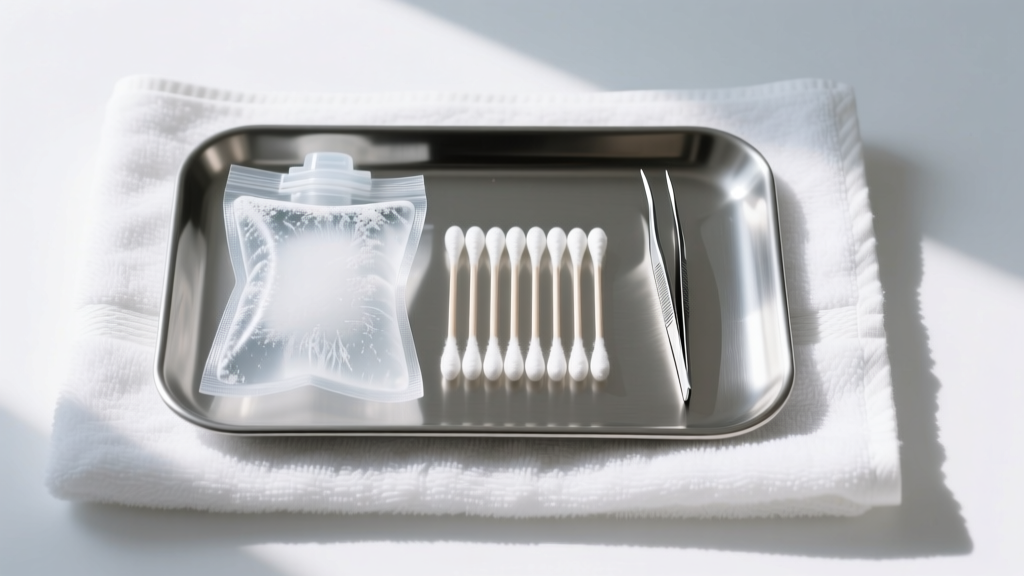
If you notice the backing is tight but the skin has not completely closed over the metal, you have a narrow window for safe at-home intervention. The goal is to reduce the edema and lubricate the post without causing micro-tears in the fistula (the piercing channel).
- Step 1: Vasoconstriction. Apply a clean, cloth-wrapped ice pack to the front and back of the earlobe for 10-minute intervals. The cold constricts blood vessels, temporarily reducing tissue swelling and pulling the skin away from the embedded clutch.
- Step 2: Lubrication. Apply a generous amount of sterile saline solution or a water-based, fragrance-free lubricant to the post. Never use petroleum jelly or heavy oils, as these can trap bacteria in the piercing channel and complicate professional extraction if you fail.
- Step 3: The Push-and-Twist. Using clean, washed hands, gently press the front stud inward while simultaneously attempting to unscrew or pull the back clutch outward. Do not use excessive force.
What to Avoid: Never use household pliers, tweezers, or sewing needles to dig into the earlobe. Slippage with metal tools frequently results in lacerated earlobes, turning a minor embedding issue into a cosmetic reconstruction emergency.
When to Seek Professional Extraction
If the skin has completely epithelialized over the metal backing, or if the earlobe is hot to the touch, throbbing, or leaking purulent discharge, at-home removal is no longer viable. You must seek professional extraction to prevent necrosis (tissue death) or systemic infection. According to guidelines from the Association of Professional Piercers, attempting to cut the skin yourself with unsterilized tools introduces severe risks of staphylococcal infections and permanent keloid scarring.
2026 Cost Assessment: Piercer vs. Medical Clinic
Where you go for extraction significantly impacts your wallet. While many assume a medical doctor is the only option, high-end professional piercers are often better equipped for non-surgical jewelry removal. The National Health Service (NHS) notes that minor piercing complications are frequently handled by specialized body artists who understand jewelry mechanics better than general practitioners.
| Extraction Provider | Estimated 2026 Cost | Pros & Cons |
|---|---|---|
| APP-Certified Professional Piercer | $30 - $75 (Walk-in Fee) | Pros: Expertise in jewelry mechanics, sterile tapers, minimal scarring. Cons: Cannot prescribe antibiotics if infected. |
| Urgent Care Clinic | $100 - $250 (Copay/Out-of-Pocket) | Pros: Can prescribe antibiotics, handle severe infections. Cons: Staff may lack jewelry knowledge, often resorting to cutting the post. |
| Emergency Room (ER) | $500 - $1,500+ | Pros: Immediate surgical intervention if necrotic. Cons: Massive financial burden, extreme wait times, high trauma to the tissue. |
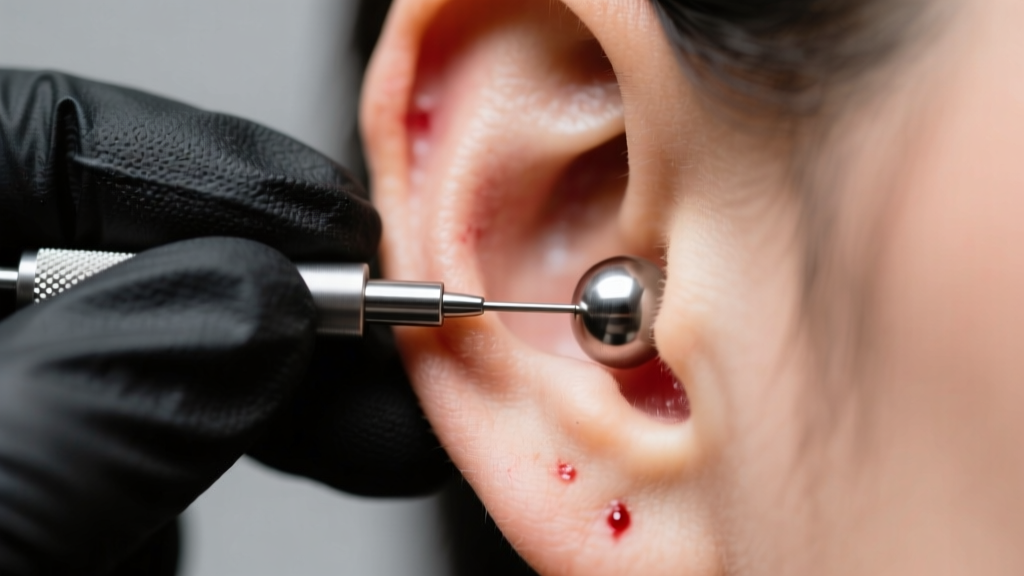
Long-Term Value: Upgrading Your Hardware
The most effective way to protect your budget and your earlobes is to eliminate the hardware that causes embedding in the first place. Once the swelling subsides and the extraction is complete, transition immediately to internally threaded or threadless flat-back labrets made from ASTM F-136 implant-grade titanium.
Unlike butterfly clutches that dig into the neck, a flat-back labret features a smooth, low-profile disc that rests flush against the back of the earlobe. This design completely eliminates pressure points, allowing the tissue to breathe and swell naturally without trapping the metal. Furthermore, implant-grade titanium is entirely nickel-free, virtually eliminating the allergic contact dermatitis that triggers the swelling leading to embedding in the first place.
While a high-quality titanium flat-back from a reputable brand may cost between $35 and $85, it is a one-time investment. When weighed against the $150 urgent care copay and the physical trauma of an embedded extraction, the value proposition of premium, anatomically correct jewelry is undeniable.
Final Thoughts on Earlobe Health and Value
Dealing with a back of earring stuck inside earlobe tissue is a stark reminder that cheap jewelry carries steep hidden liabilities. By understanding the mechanics of tissue swelling, utilizing safe at-home triage protocols, and knowing when to defer to a professional piercer, you can mitigate both physical damage and financial loss. Ultimately, treating your ear piercings as permanent modifications rather than temporary accessory holes dictates a shift in purchasing behavior. Invest in implant-grade titanium, embrace the flat-back revolution, and ensure your jewelry works with your anatomy—not against it.


