How to Style and Clean 1 Carat Diamond Huggie Earrings
Master the art of wearing 1 carat diamond huggie earrings. Learn step-by-step styling techniques, cleaning routines, and clasp maintenance tips.

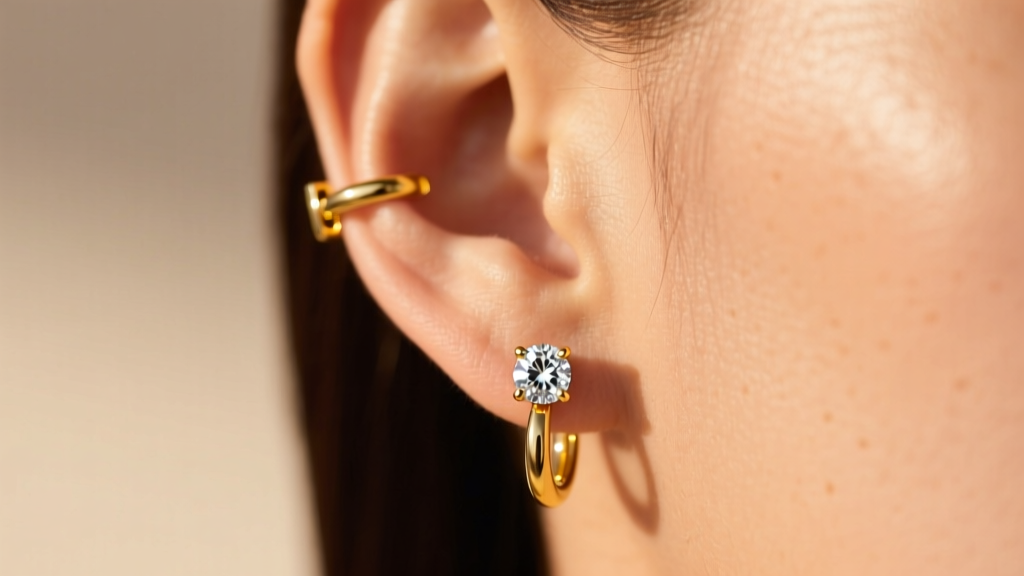
Understanding the 1 Carat Diamond Huggie
When investing in fine jewelry, understanding the nuances of your pieces is paramount. The search for the perfect 1 carat diamond huggie earrings often leads buyers to a confusing intersection of pricing, sizing, and setting styles. In the jewelry industry, '1 carat' in this context almost universally refers to Total Carat Weight (TCW), meaning the combined weight of all diamonds across both earrings equals 1.00 carat (approximately 0.50 carats per ear). Because huggies rely on melee diamonds—small stones typically weighing under 0.15 carats each—the overall sparkle is dictated by the precision of the cut and the setting style rather than individual stone size.
According to the Gemological Institute of America (GIA), melee diamonds are crucial for creating the seamless, continuous glitter that defines a high-quality huggie. However, owning these pieces requires more than just wearing them; it demands a strategic approach to styling, meticulous cleaning protocols, and an understanding of mechanical maintenance. This step-by-step guide will transform how you wear, care for, and troubleshoot your diamond huggies.
Step 1: Decoding Sizing, Gauge, and Earlobe Anatomy
Before you can style your huggies, you must ensure the physical fit is anatomically correct. A poorly fitted huggie will not only look awkward but can cause tissue irritation or even necrosis in extreme cases of 'earlobe choking.' The fit is determined by two critical metrics: Inner Diameter (ID) and Post Gauge.
Inner Diameter (ID) vs. Earlobe Thickness
The ID is the measurement of the empty space inside the hoop. Standard huggies typically feature an ID of 10mm to 11mm. However, if you have thicker earlobes or if your piercing is placed lower on the lobe, a 10mm ID will sit too tightly against the skin. For thicker lobes, you must seek out 'medium huggies' or 'open huggies' with an ID of 12mm to 14mm. There should always be a 1mm to 2mm gap between the bottom of your earlobe and the base of the earring to allow for natural swelling and movement.
Post Gauge and Structural Integrity
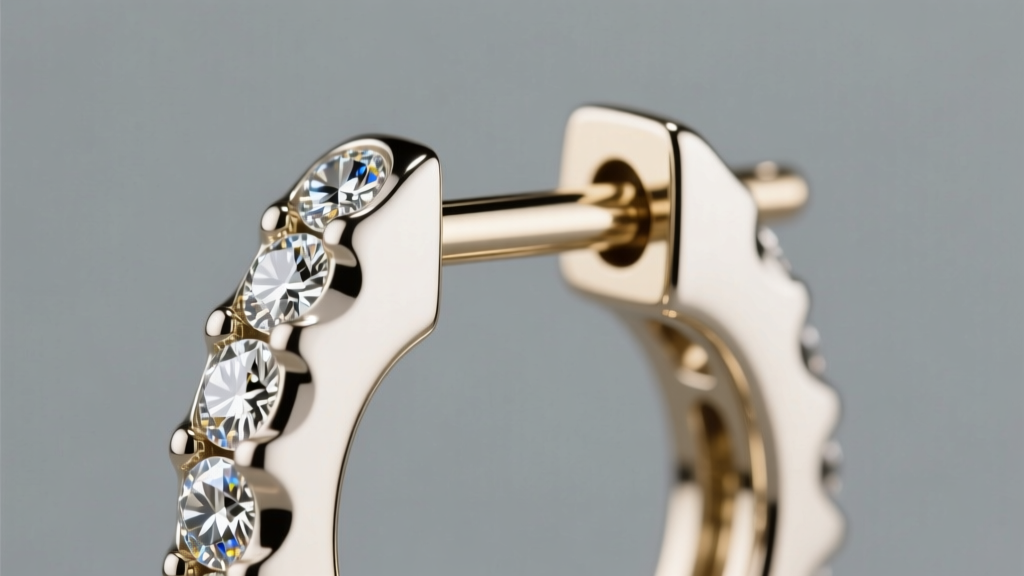
Gauge refers to the thickness of the wire that passes through your piercing. Most fine jewelry huggies are crafted in 18-gauge (1.0mm) or 16-gauge (1.2mm). Avoid 20-gauge (0.8mm) wires for diamond-encrusted huggies; the wire is simply too thin to support the weight of the metal and the diamonds, leading to warping and a compromised hinge mechanism over time.
Step 2: Strategic Styling and Ear Stack Configurations
1 carat diamond huggie earrings are incredibly versatile, acting as the perfect anchor for both minimalist and maximalist ear stacks. The key to a curated look is balancing visual weight and varying the textures of your metals and gemstones.
The Classic Curated Ear Stack
When building an ear stack, treat your 1 carat huggie in the primary lobe piercing as the 'hero' piece. Because 1.00 TCW provides substantial brilliance, the surrounding jewelry should complement, not compete.
- First Lobe (Primary): 1 carat diamond huggie (Yellow or White Gold).
- Second Lobe: A 4mm or 5mm bezel-set diamond stud, or a plain 8mm gold mini-huggie.
- Third Lobe: A delicate 2mm gemstone stud (like a sapphire or emerald) to introduce a subtle pop of color.
- Upper Cartilage (Helix): A simple, flat-back 16-gauge titanium labret stud with a single prong-set diamond.
Mixing Metals with Intention
The outdated rule of wearing only one metal color no longer applies. In 2026, intentional metal mixing is a hallmark of advanced styling. Pairing 14k yellow gold huggies with platinum or white gold cartilage studs creates a dynamic, layered look. To tie the mixed metals together, ensure that the diamond quality (color and clarity) remains consistent across all pieces, which creates a unified thread of brilliance despite the contrasting metal tones.
Pro Stylist Tip: If you have a round face shape, opt for huggies with a slightly elongated or oval profile, or add a small drop charm to your huggie to create vertical lines that elongate the jawline and neck.
Step 3: The Professional Cleaning Protocol
Diamonds are lipophilic, meaning they naturally attract and hold onto oils from your skin, hair products, and cosmetics. A dirty 1 carat diamond huggie can lose up to 50% of its light return, making high-clarity stones look cloudy and dull. While many jewelers offer ultrasonic cleaning, this method carries significant risks for certain huggie settings.
Why Ultrasonic Cleaners Can Be Dangerous
According to care guidelines from Jewelers of America, ultrasonic cleaners use high-frequency sound waves to create microscopic bubbles that implode, blasting dirt away. However, if your huggies feature a micro-pavé setting, these intense vibrations can easily loosen the tiny micro-prongs, causing diamonds to fall out. Ultrasonic cleaning should generally be reserved for channel-set or bezel-set huggies.
The Safe Manual Cleaning Step-by-Step
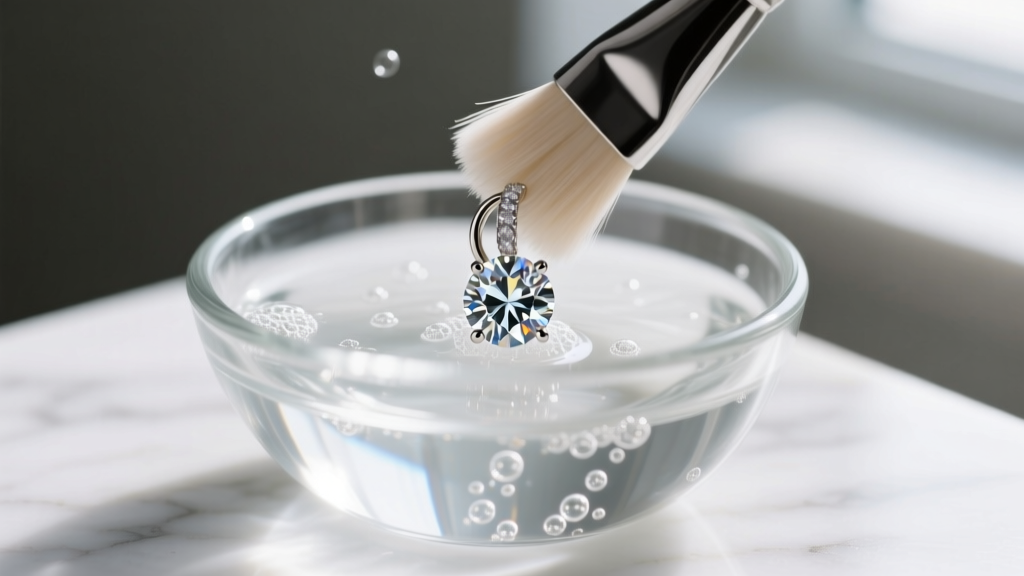
- Prepare the Solution: Fill a small glass bowl with warm (not hot) water and add three drops of mild, lotion-free dish soap (like original Dawn).
- Soak: Submerge the huggies for 15 to 20 minutes. This softens hardened sebum and cosmetic buildup.
- Agitate: Using a clean, ultra-soft baby toothbrush or a specialized jewelry brush, gently scrub the diamonds. Pay special attention to the underside of the setting (the pavilion), where oil accumulates most heavily.
- Rinse and Dry: Rinse thoroughly under lukewarm running water. Ensure the drain is closed! Pat dry with a lint-free microfiber cloth. Avoid paper towels, as the wood fibers can scratch the precious metal and snag on micro-prongs.
Cleaning Methods by Setting Type
| Setting Type | Durability | Ultrasonic Safety | Best Cleaning Method |
|---|---|---|---|
| Micro-Pavé | Moderate | High Risk | Manual soak & soft brush |
| Channel Set | High | Safe | Ultrasonic or manual |
| Bezel Set | Very High | Very Safe | Ultrasonic, steam, or manual |
Step 4: Troubleshooting the Snap Closure Mechanism
The most common mechanical failure in huggie earrings is the loss of the satisfying 'click' when closing the clasp. Huggies utilize a tension-based snap closure where a grooved post snaps into a catch on the opposite end of the hinge. Over time, the pressure of putting the earring on, or accidentally snagging it on clothing, can cause the post to bend slightly downward. When this happens, the post no longer aligns perfectly with the catch, resulting in a loose earring that threatens to fall off.
How to Fix a Loose Huggie Clasp
You can often fix this issue at home, but it requires extreme care and the right tools. Never use standard steel jewelry pliers, as they will permanently mar and scratch the gold or platinum.
- Secure the Earring: Hold the main body of the huggie firmly in your non-dominant hand.
- Use Nylon-Jaw Pliers: Grip the straight post (the wire part) gently with nylon-jaw pliers or wrap the tips of your metal pliers in a soft microfiber cloth.
- Apply Micro-Pressure: Apply a microscopic amount of upward pressure to the post. You are bending it by fractions of a millimeter.
- Test the Click: Close the earring. If it still feels loose, repeat the process. If it is too tight to close, you have bent it too far upward and must gently press it back down.
If the hinge itself feels stiff or squeaks, apply a microscopic drop of synthetic watch oil to the hinge pin using a toothpick. Wipe away any excess immediately to prevent oil from transferring to your skin or the diamonds.
Market Pricing and Value Expectations
When shopping for 1 carat diamond huggie earrings, understanding the current market pricing helps you avoid overpaying for inferior quality. The price is heavily influenced by the origin of the diamonds (lab-grown vs. natural) and the purity of the metal.
| Diamond Origin | Metal | Clarity / Color | Estimated Price Range |
|---|---|---|---|
| Lab-Grown | 14k Gold | VS / G-H | $800 - $1,400 |
| Lab-Grown | 18k Gold | VVS / E-F | $1,500 - $2,200 |
| Natural | 14k Gold | SI1 / G-H | $2,500 - $3,800 |
| Natural | Platinum | VS / E-F | $4,500 - $6,500+ |
By mastering the fit, styling configurations, and maintenance protocols outlined above, your 1 carat diamond huggie earrings will remain a secure, brilliant, and timeless staple in your fine jewelry collection for decades to come.


