How to Style Pink Earrings for Every Skin Tone & Occasion
Learn how to style pink earrings for your exact skin undertone. Expert guide on gemstones, metals, and cartilage placements.


The Evolution of Pink in Fine Jewelry
Pink earrings have transcended fleeting seasonal trends to become a permanent, sophisticated fixture in modern fine jewelry wardrobes. Whether you are drawn to the subtle, ethereal blush of morganite or the electric, commanding vibrancy of padparadscha sapphires, styling these pieces requires more than just picking a favorite shade. It demands a nuanced understanding of color theory, metallurgy, and piercing anatomy. This comprehensive, step-by-step guide will walk you through curating and styling pink earrings that flawlessly complement your unique complexion, suit your specific piercings, and align with your lifestyle.
Step 1: Understand Your Pink Gemstones
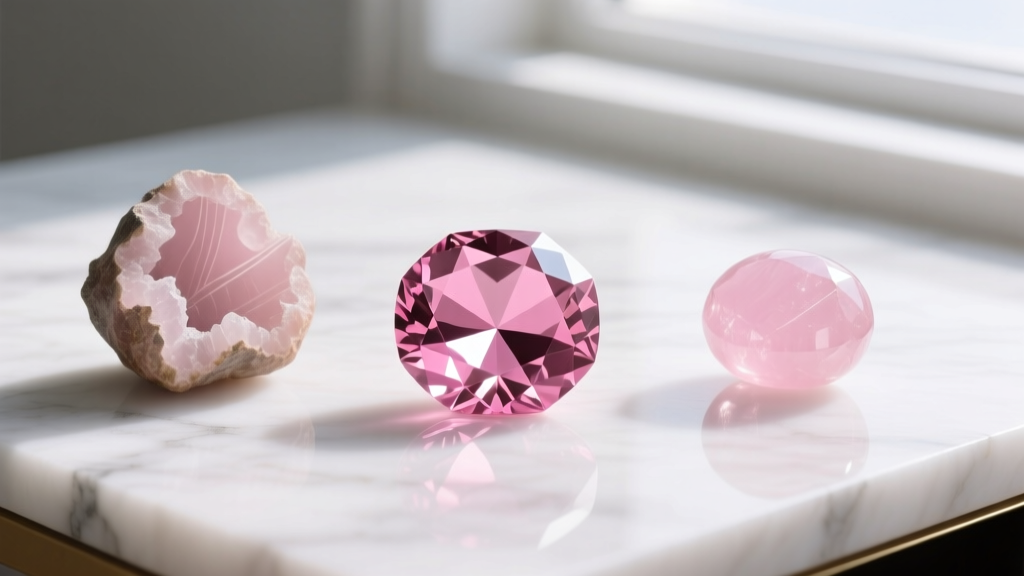
Not all pink stones are created equal. When selecting pink earrings, you must consider the Mohs scale of hardness and the stone's optical properties to ensure longevity. According to the Gemological Institute of America (GIA), morganite—a member of the beryl family—ranks at 7.5 to 8 on the Mohs scale. This makes it durable enough for everyday lobe studs but susceptible to scratching if stored improperly alongside diamonds.
Pink sapphires, ranking at a formidable 9, offer superior scratch resistance, making them ideal for active lifestyles or high-impact cartilage placements. Meanwhile, rose quartz (a 7) and pink tourmaline (7 to 7.5) require more protective settings, such as bezels or halo designs. Tourmaline is also highly pleochroic, meaning it can display different colors when viewed from different angles, adding a dynamic element to dangle earrings.
Step 2: Match the Shade to Your Skin Undertone
The most common mistake consumers make is selecting a pink hue that clashes with their skin's natural undertones. To determine your undertone, look at the veins on the inside of your wrist under natural light.
Cool Undertones (Blue or Purple Veins)
If your veins appear blue or purple, you have cool undertones. Your skin will harmonize beautifully with jewel-toned pinks. Look for fuchsia, magenta, and icy pastel pinks. These shades provide a striking contrast that brightens the complexion without washing it out. Pair these shades with platinum or white gold settings to maintain the cool color story.
Warm Undertones (Green or Olive Veins)
Greenish veins indicate warm undertones. Your skin glows when paired with earthy, sun-kissed pinks. Opt for peach, salmon, coral, and warm blush tones. Morganite and padparadscha sapphires are exceptional choices here. Setting these stones in 14k or 18k rose gold amplifies their warmth and creates a cohesive, radiant look.
Neutral Undertones (A Mix of Blue and Green)
If you cannot quite decide between blue and green, you likely have neutral undertones. You have the versatility to pull off almost any shade of pink, from neon bubblegum to dusty rose. To create visual interest, focus on the metal contrast rather than the stone color—try mixing yellow gold and white gold in a single two-tone earring design.
Step 3: Select the Metal Alloy
The metal holding your pink earrings is just as critical as the stone itself. The American Gem Society notes that metal alloys not only dictate the durability of the piece but also influence how the gemstone's color is perceived by the eye. Below is a strategic pairing guide:
| Metal Type | Best Pink Shade | Undertone Match | Durability & Care Note |
|---|---|---|---|
| 14k Rose Gold | Peach, Blush, Salmon | Warm & Neutral | High (Copper alloy adds strength and enhances pink hues) |
| 18k Yellow Gold | Coral, Hot Pink | Warm | Medium (Softer, prone to scratching, rich contrast) |
| Platinum | Fuchsia, Magenta, Ice Pink | Cool | Very High (Hypoallergenic, dense, secures stones tightly) |
| Sterling Silver | Bubblegum, Pastel | Cool & Neutral | Low (Tarnishes over time, requires rhodium plating) |
Step 4: Navigate Piercing Anatomy and Gauge Sizes
Styling pink earrings also means respecting the anatomy of your piercings. Cartilage and lobe placements require entirely different hardware specifications.
Standard Lobe Piercings (20g to 18g)
Standard lobe piercings are typically done at 20-gauge or 18-gauge. This smaller diameter allows for delicate, lightweight pink enamel drops or intricate diamond-and-pink-sapphire cluster studs. Because the lobe tissue is soft and pliable, you can comfortably wear heavier chandelier styles for evening events, provided the earring has a secure butterfly back or locking mechanism to prevent drooping.
Helix, Flat, and Forward Helix (16g to 14g)
Cartilage piercings are generally thicker, requiring 16-gauge or 14-gauge jewelry. When styling pink earrings in the upper ear, opt for threadless (press-fit) ends. A 16g titanium post with a bezel-set pink tourmaline end offers a secure, flush fit that won't snag on hair or clothing. For daith piercings, a 16g pink gold clicker ring with a micro-pavé pink CZ segment adds a subtle pop of color that is visible from the front profile.
Step 5: Occasion-Based Styling Framework
To build a versatile jewelry wardrobe, categorize your pink earrings by their intended environment.
- The Corporate Office: Stick to 4mm to 6mm morganite or pink sapphire bezel-set studs in platinum or white gold. They provide a subtle hint of color that remains professional and doesn't distract during video calls.
- Casual Weekend: Embrace 10mm to 12mm pink resin or enamel huggies. These offer a playful, modern aesthetic that pairs perfectly with everyday streetwear or denim, and their hinged closure ensures they stay secure during activities.
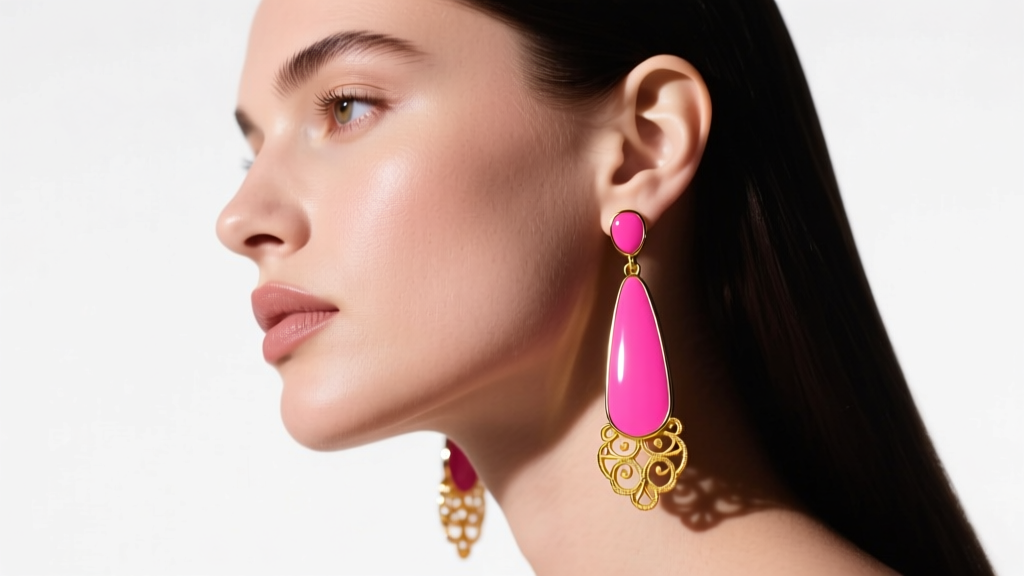
- Black-Tie Evening: This is the time for drama. Opt for long, articulated drop earrings featuring a cascade of briolette-cut pink tourmaline set in 18k rose gold. The movement of the stones catches the ambient light, drawing attention to the neckline and jawline.
Care and Maintenance for Pink Stones
Preserving the vibrancy of your pink earrings requires specific care protocols. Never use an ultrasonic cleaner on pink tourmaline, rose quartz, or enamel pink earrings. The high-frequency vibrations can cause micro-fractures in tourmaline and chip delicate guilloché enamel. Instead, rely on the GIA's recommended method: a soft-bristled baby toothbrush, lukewarm water, and a drop of mild, phosphate-free dish soap. Gently scrub the back of the setting where lotion and skin oils accumulate, rinse thoroughly, and dry with a lint-free microfiber cloth. Store your pink gemstone earrings in individual soft pouches to prevent harder diamonds or sapphires from scratching their polished surfaces.
Expert Insight: If your pink earrings feature rose quartz, keep them out of prolonged, direct sunlight. Rose quartz is sensitive to UV radiation and can fade to a dull, pale gray over time if left on a sunlit vanity.


