The Beginner's Guide to Styling Martini Olive Earrings
Discover how to wear martini olive earrings with our beginner's guide. Learn about materials, gauge sizes, and styling tips for novelty cocktail jewelry.

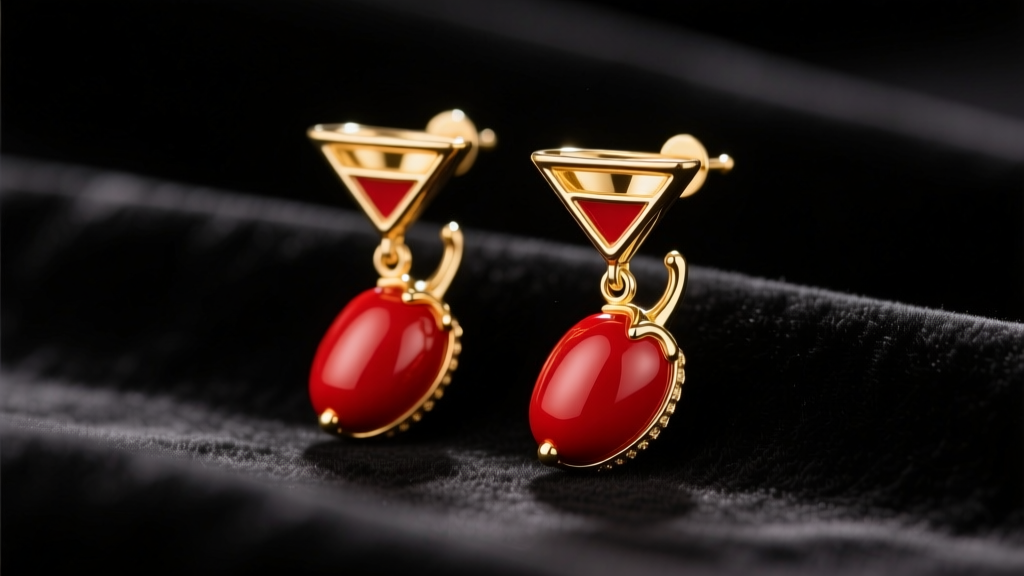
Welcome to the playful, expressive side of jewelry design. As we navigate the fashion landscape of 2026, the strict rules of 'stealth wealth' and ultra-minimalism have finally made room for personality-driven accessories. Among the most charming and conversational of these novelty pieces are martini olive earrings. Whether you are a cocktail enthusiast, a fan of retro-kitsch aesthetics, or simply looking for a unique conversation starter, olive-shaped ear accessories offer a brilliant blend of whimsy and wearable art.
However, buying and styling novelty jewelry requires a different approach than purchasing classic diamond studs or simple gold hoops. Because of their unique three-dimensional shapes, specific material requirements, and unconventional weight distribution, beginners often find themselves struggling with drooping posts or chipped finishes. This comprehensive guide will walk you through everything you need to know about selecting, wearing, and maintaining martini olive earrings, ensuring your cocktail-inspired look remains sophisticated and secure.
What Exactly Are Martini Olive Earrings?
Martini olive earrings are a subcategory of novelty or 'cocktail' jewelry designed to mimic the appearance of a classic cocktail olive, often complete with a red 'pimento' center. They typically fall into two structural categories: stud-style earrings, where the olive sits directly on the earlobe, and drop-style earrings, where the olive dangles from a chain, a martini glass charm, or a simple wire hook.
The defining characteristic of high-quality olive earrings is the attention to three-dimensional detail. Premium versions feature a slightly asymmetrical, organic oval shape rather than a perfect sphere, mimicking real castelvetrano or manzanilla olives. The 'pimento' is usually represented by a contrasting material inlaid or glued into the center, ranging from vibrant red enamel and carved coral to tiny bezel-set rubies or cubic zirconia stones.
Material Breakdown: Enamel vs. Resin vs. Precious Metals
The most common mistake beginners make when shopping for novelty earrings is misunderstanding the materials used to create the vibrant green and red colors. The price, durability, and care requirements of your earrings will vary wildly depending on the manufacturing technique.
| Material Type | Composition | Price Range | Durability & Notes |
|---|---|---|---|
| Vitreous Enamel | Finely ground glass fused to metal at high heat | $150 - $450+ | Highly durable, scratch-resistant, but can shatter if dropped on hard tile. |
| Cold Enamel (Epoxy Resin) | Tinted synthetic resin painted onto metal | $25 - $80 | Prone to scratching and yellowing over time. Sensitive to heat and chemicals. |
| Solid Gold / Vermeil | Textured 14k/18k gold or gold over sterling silver | $90 - $300 | Relies on metal texture rather than color. Extremely durable, hypoallergenic. |
| Carved Stone / Jade | Natural dyed jade or aventurine | $60 - $150 | Heavy, requires secure hardware. Natural variations in green coloring. |
According to the Gemological Institute of America (GIA), understanding the difference between vitreous (glass-based) enamel and cold (resin-based) enamel is crucial for long-term jewelry care. If you are investing in fine jewelry, always look for vitreous enamel or carved semi-precious stones. If you are buying fashion jewelry for occasional wear, cold enamel is perfectly acceptable, provided you treat it gently.
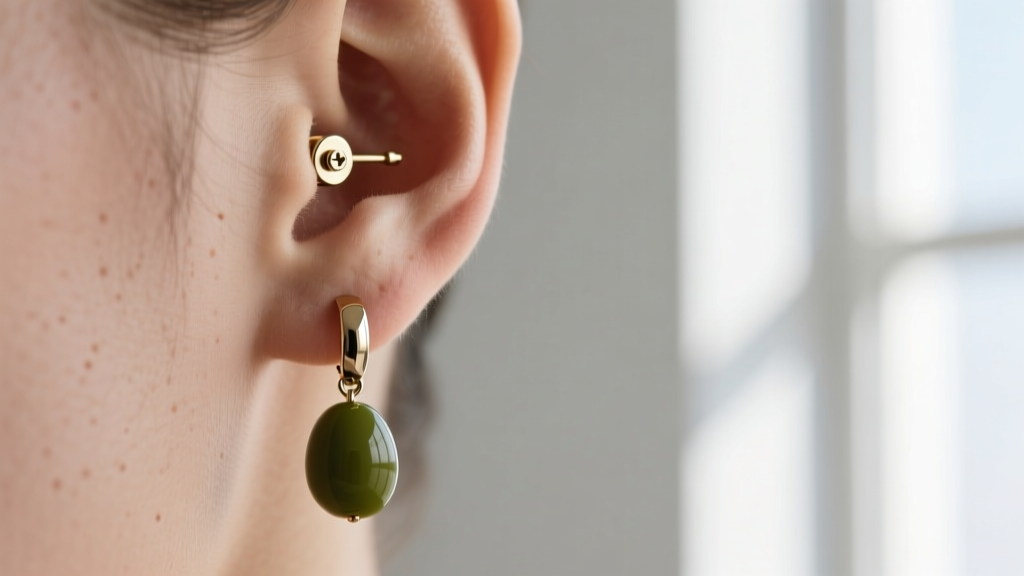
The Hardware: Gauge Sizes and the 'Droop Factor'
Here is where most novice buyers experience their first point of failure. A 3D olive shape is inherently front-heavy. If the center of gravity is not perfectly balanced by the earring post and backing, the olive will droop, pointing awkwardly toward the floor instead of sitting flush against the ear.
Understanding Post Gauges
Standard fashion earrings usually feature a 20-gauge (0.8mm) post. For a lightweight flat disc, this is fine. For a solid metal or resin 3D olive, a 20-gauge post is often too thin to support the weight, leading to bending over time. When shopping, look for martini olive earrings that feature an 18-gauge (1.0mm) or 16-gauge (1.2mm) post. The thicker metal provides the necessary structural integrity to hold the novelty charm upright.
The Counter-Lever Backing Solution
To combat the droop factor, the backing of the earring is just as important as the post. Standard 'butterfly' push-backs often fail to provide enough surface area to grip the earlobe securely against a heavy olive charm. Instead, opt for:
- Jumbo Silicone Discs (10mm - 12mm): These provide a wide, grippy surface area that acts as a counter-lever, keeping the olive facing forward.
- Screw-Back Hardware: Ideal for expensive or heavy olive drops, screw-backs ensure the earring cannot slide forward or fall off if bumped.
- Flat-Back (Labret) Posts: Often used in cartilage jewelry, a flat-back post distributes weight evenly across the back of the earlobe, offering superior support for front-heavy novelty studs.
How to Style Cocktail Earrings Without Looking Costumey
The golden rule of wearing novelty jewelry in 2026 is intentionality. You want to look like a fashion insider making a witty styling choice, not someone wearing a party-store costume. Here is a practical framework for integrating martini olive earrings into your everyday wardrobe.
1. The 'One Novelty' Rule
Let the earrings be the star. If you are wearing olive-shaped earrings, avoid pairing them with other food or drink-themed accessories. Skip the pizza-slice necklace or the cocktail-ring. Balance the whimsy of the earrings with clean, minimalist, and structured clothing. A crisp white button-down, a tailored blazer, or a sleek black turtleneck provides the perfect sophisticated canvas for playful ear candy.
2. Match the Metal to Your Hardware
Pay attention to the metal base of the earrings. If your olive earrings feature gold-tone metal caps or posts, ensure your watch, rings, and belt buckle also lean warm. Mixing metals can work in high-fashion editorial spreads, but for everyday beginner styling, keeping your metals consistent anchors the novelty piece into your overall look.
3. Consider the Occasion
Martini olive earrings are inherently social. They are perfect for brunch dates, gallery openings, holiday parties, and summer weddings. They are generally less suited for highly conservative corporate environments or solemn events. Read the room, and let your accessories reflect the joy of the occasion.
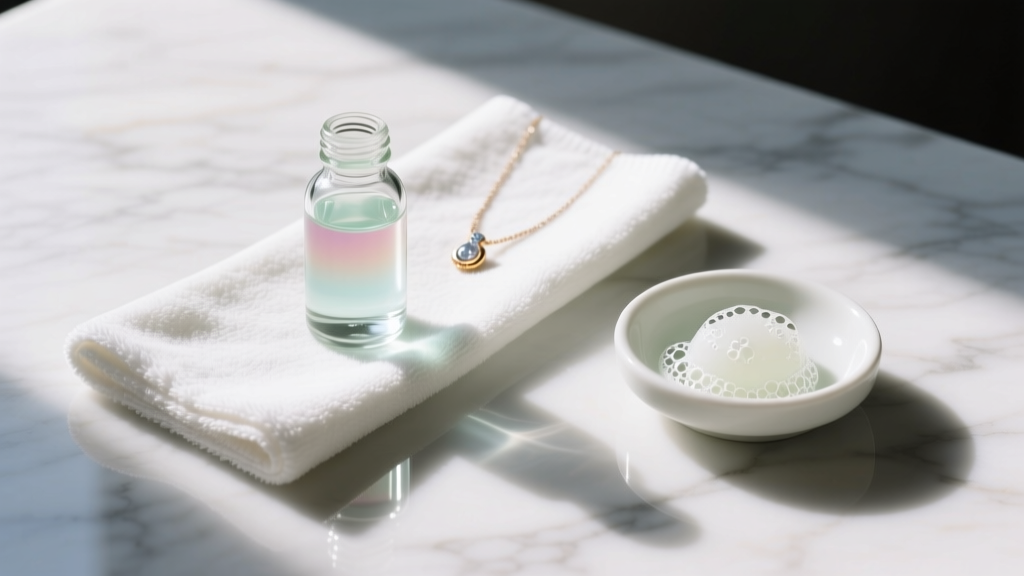
Care and Maintenance for Enamel and Resin Pieces
Novelty earrings require specific maintenance routines to prevent material degradation. The most common failure mode for olive earrings is the loss of the red 'pimento' inlay, which is often secured with jeweler's epoxy. Exposure to harsh chemicals, hot water, or ultrasonic vibrations will dissolve this adhesive.
The Jewelers of America strongly advises against using ultrasonic cleaners on any jewelry featuring enamel, resin, or glued-in stones. The high-frequency vibrations will literally shake the pimento right out of your olive. Instead, follow this safe cleaning protocol:
- Prepare a Gentle Bath: Mix a few drops of mild, phosphate-free dish soap (like Dawn) into a bowl of lukewarm—not hot—water.
- Soft Brushing: Dip a baby toothbrush or a dedicated, ultra-soft jewelry brush into the solution. Gently brush the textured areas of the olive and the metal post.
- Rinse and Dry: Rinse briefly under a gentle stream of cool water. Immediately pat dry with a lint-free microfiber cloth. Do not let water sit in the crevices where the pimento is inlaid.
- Storage: Store your olive earrings in a soft pouch or a dedicated compartment in your jewelry box to prevent the enamel from being scratched by harder gemstones or diamond pieces.
Troubleshooting Common Beginner Issues
Even with the right knowledge, you might encounter a few practical hiccups. Here is how to troubleshoot the most common complaints associated with martini olive earrings:
- Issue: The earring irritates my earlobe.
Solution: The irritation is likely caused by nickel in the base metal of a cheap fashion earring, or by the heavy weight pulling on the piercing. Upgrade to a pair with a surgical steel, titanium, or solid 14k gold post, and use a larger silicone backing to distribute the weight. - Issue: The green color is fading or turning yellow.
Solution: You likely purchased cold enamel (resin) and have been exposing it to UV light, perfumes, or hairspray. Resin is porous and reactive. While you cannot reverse the yellowing, you can prevent it in future pairs by applying perfume and hairspray before putting your earrings on. - Issue: The post is bending.
Solution: Never sleep in novelty stud earrings. The lateral pressure of your head against a pillow will bend a 20-gauge post instantly. If your post is already bent, a local jeweler can easily straighten and reinforce it, or you can carefully bend it back into place using nylon-jaw pliers to avoid scratching the metal.
Final Verdict
Martini olive earrings are a fantastic entry point into the world of expressive, personality-driven jewelry. By prioritizing thicker 18-gauge posts, understanding the difference between vitreous and cold enamel, and adhering to the 'one novelty' styling rule, you can confidently rock this playful trend. Whether you opt for a high-end vitreous enamel pair from a boutique designer or a fun resin set for a weekend getaway, your cocktail-inspired accessories are sure to spark joy—and perhaps a few drink orders—at your next social gathering.


