Pearl and Crystal Earrings: The Ultimate Beginner Guide
Discover how to choose, style, and care for pearl and crystal earrings. Our beginner guide covers grading, metals, and face-shape matching.

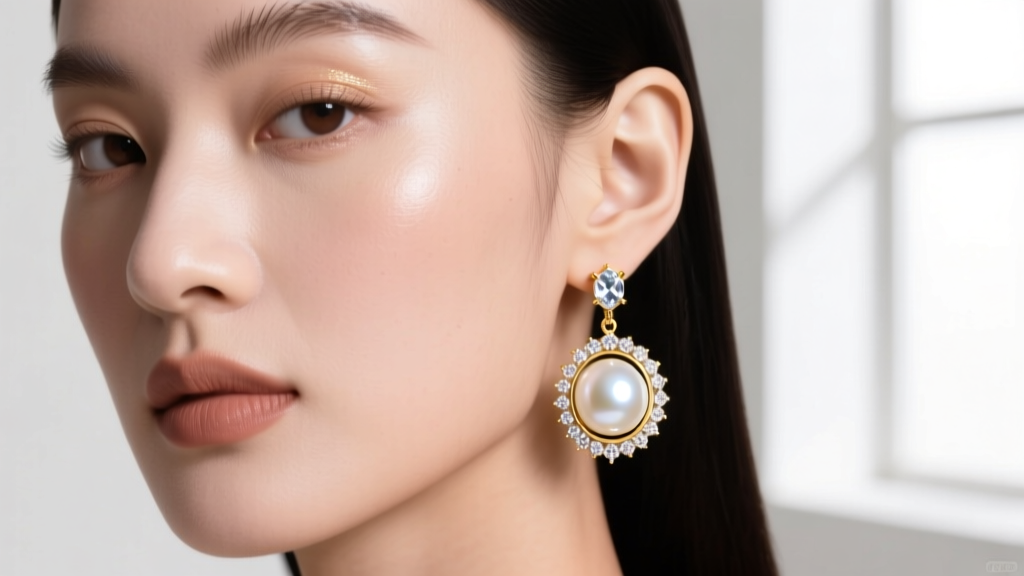
The Allure of Mixed Media: Why Pearl and Crystal Earrings?
Combining the organic, luminous depth of pearls with the precise, geometric brilliance of crystals creates a striking visual contrast. For beginners navigating the vast jewelry market, pearl and crystal earrings offer a versatile middle ground between classic elegance and modern sparkle. However, not all mixed-media earrings are created equal. The longevity, comfort, and aesthetic appeal of these pieces depend entirely on the quality of the nacre, the cut of the crystal, and the structural integrity of the metal settings. This guide will demystify the technical specifications, grading systems, and styling frameworks you need to make informed, investment-worthy purchases in 2026 and beyond.
Decoding Pearl Types and Grading Standards
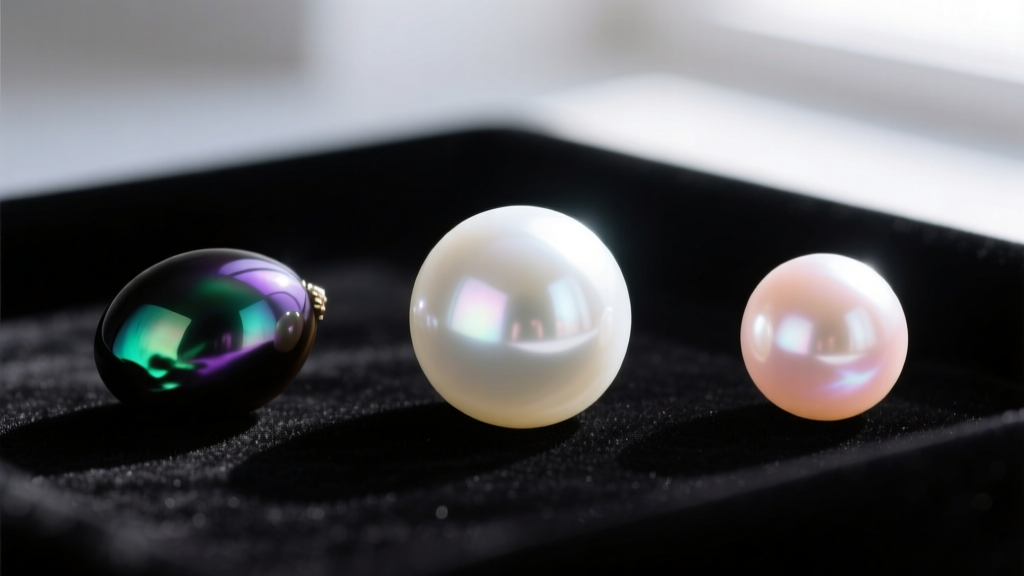
When shopping for pearl and crystal earrings, the pearl is usually the focal point. Understanding pearl grading is critical to avoiding overpriced, low-quality pieces. According to the Gemological Institute of America (GIA), pearl value is determined by seven factors: Size, Shape, Color, Luster, Surface, Nacre, and Matching. For beginners, luster and nacre thickness are the most vital metrics.
Freshwater vs. Akoya: The Beginner's Dilemma
- Freshwater Pearls ($30 - $150): Modern Edison and tissue-nucleated freshwater pearls have vastly improved in roundness and luster. They are solid nacre, meaning they will never "peel." Look for AAA-grade freshwater pearls with a mirror-like luster and minimal surface blemishes.
- Akoya Pearls ($150 - $800+): Bead-nucleated and renowned for their sharp, mirror-ball luster. The critical failure mode for cheap Akoya pearls is thin nacre (under 0.35mm), which can chip or peel off the mother-of-pearl bead over time. Always demand a nacre thickness of at least 0.4mm.
Crystal Clarity: CZ vs. Precision-Cut Crystal
The term "crystal" is often misused in the jewelry industry. To ensure your pearl and crystal earrings sparkle rather than look like cloudy glass, you must understand the material composition.
Cubic Zirconia (CZ) vs. Leaded/Lead-Free Crystal
Cubic Zirconia is a synthetic gemstone with a high refractive index (2.15), giving it intense fire and brilliance. However, CZ is heavy and can warp delicate earring posts if used in large clusters. Precision-cut crystal (like modern lead-free formulations from Preciosa or Swarovski) relies on exact faceting angles to manipulate light. Modern advanced crystals use barium, zinc, or potassium instead of lead to achieve a high refractive index while remaining environmentally safe and lightweight. For earrings, precision-cut crystal is often preferred over CZ because its lighter weight prevents the earlobe from sagging, a common issue with heavy crystal-pave drops.
Setting Styles: Prong vs. Bezel
How the crystal is held matters. Prong settings allow maximum light entry, enhancing brilliance, but they can snag on hair and clothing. Bezel settings encircle the crystal in metal, offering superior protection for active wearers but slightly reducing the stone's light return. For pearl and crystal huggies or hoops, bezel or channel settings are highly recommended to prevent crystal loss.
Choosing the Right Metal Base
The metal base acts as the skeleton of your earrings. Because pearls and crystals are often paired with delicate posts and hinges, metal choice dictates the earring's lifespan and hypoallergenic properties.
| Metal Type | Durability & Weight | Hypoallergenic? | Best For |
|---|---|---|---|
| 925 Sterling Silver | Soft, prone to bending; requires rhodium plating to prevent tarnish. | Rarely (often contains copper/nickel alloys) | Budget-friendly studs and lightweight drops. |
| 14k / 18k Gold | Excellent durability; 14k is harder, 18k is richer in color but softer. | Yes (if nickel-free) | Everyday wear, heirloom-quality pearl drops. |
| Platinum | Extremely dense, heavy, and secure; will not wear away over time. | Yes | High-end crystal pavé and secure pearl prongs. |
| Implant-Grade Titanium | Lightweight, incredibly strong, and rigid. | Yes (ASTM F136 standard) | Cartilage piercings, sensitive lobes, and threadless ends. |
Proportions, Gauge Sizes, and Face Shapes
Styling pearl and crystal earrings is not just about color; it is about structural proportion and anatomical compatibility.
The "Cheese-Cutter" Effect and Gauge Sizing
A critical, often overlooked detail is the post gauge (thickness). Standard lobe piercings are 20-gauge (0.81mm) or 18-gauge (1.0mm). If you purchase heavy pearl and crystal drop earrings with a flimsy 22-gauge (0.64mm) wire, the weight will pull the metal through your piercing hole, causing pain and permanent tissue damage. Rule of thumb: For any earring featuring a pearl larger than 8mm or a dense crystal cluster, ensure the post or ear wire is at least 18-gauge or features a reinforced, hollow-tube omega backing to distribute weight.
Matching Face Shapes
- Round Faces: Opt for angular, elongated drop earrings featuring geometric crystal arrangements and oval pearls to create vertical length.
- Square Faces: Choose round pearl studs encircled by curved crystal halos or medium-sized circular huggies to soften the jawline.
- Oval Faces: The universal canvas. You can effortlessly pull off asymmetrical ear cuffs featuring mismatched pearl and crystal placements.
- Heart Faces: Teardrop or chandelier earrings that are wider at the bottom help balance a narrower chin.
Care, Maintenance, and Common Failure Modes
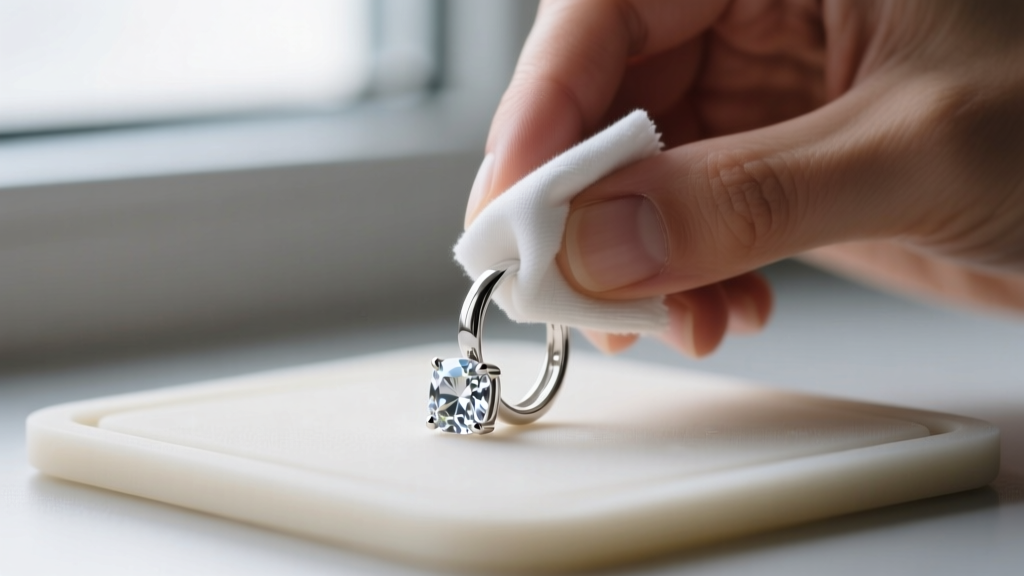
Mixed-media jewelry requires a nuanced approach to cleaning. The most common failure mode for beginners is using a single, harsh cleaning method that destroys one material while cleaning the other. Pearls are organic calcium carbonate with a Mohs hardness of just 2.5 to 3.0, making them highly susceptible to acids and abrasion. Crystals and CZ are much harder (Mohs 6 to 8.5) but are held in place by delicate metal prongs.
The Golden Rules of Cleaning
- Never Use Ultrasonic Cleaners: The high-frequency vibrations will shatter the nacre of thin-skinned pearls and shake loose the tiny crystals in pavé settings.
- Avoid Chemical Dips: According to Jewelers of America, harsh chemicals like ammonia, bleach, and even some commercial silver polishes will permanently etch the surface of a pearl, destroying its luster.
- The Two-Step Wipe: Use a soft, horsehair jewelry brush dipped in warm, mild soapy water to gently clean the crystal settings and metal. Rinse and dry thoroughly. Then, use a separate, slightly damp microfiber cloth to gently wipe the pearl, removing skin oils and perfume residue. Never submerge the pearl in water, as it can weaken the silk or synthetic threading inside the drill hole.
Storage and Environmental Hazards
Always put your pearl and crystal earrings on after applying hairspray, perfume, and makeup. When storing, keep them in a soft pouch away from harder gemstones like diamonds or sapphires, which will easily scratch the pearl's surface. However, do not store pearls in airtight plastic bags or safety deposit boxes for long periods; pearls require a slight amount of ambient humidity to prevent the nacre from drying out and cracking.
Conclusion
Investing in pearl and crystal earrings is an exercise in balancing organic beauty with engineered brilliance. By prioritizing thick-nacre pearls, precision-cut lightweight crystals, and structurally sound 18-gauge posts in hypoallergenic metals, you ensure your earrings remain comfortable and radiant for decades. Armed with this foundational knowledge, you can confidently navigate the jewelry market, avoiding common pitfalls and selecting pieces that truly elevate your personal style.


