Material Guide to Sun Face Earrings: Metals & Stones Compared
Compare metals and stones for sun face earrings. Discover the best materials for durability, skin sensitivity, and patina in our expert guide.

The Anatomy of Sun Face Earrings: Why Material Matters
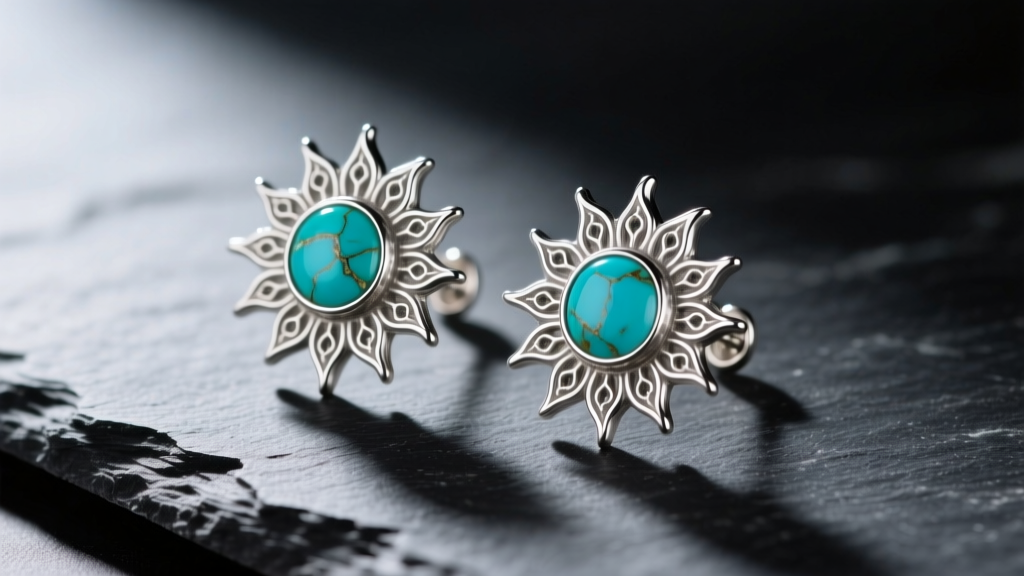
Sun face earrings blend celestial motifs with striking facial features, often drawing from Southwestern, Native American, and bohemian aesthetics. Characterized by a central face surrounded by radiating rays, these statement pieces rely heavily on contrasting textures and vibrant inlays. However, the visual appeal is only half the equation. Because sun face designs often feature intricate wirework, layered metal plates, and porous gemstone inlays, the underlying materials dictate not only the earring's longevity but also its biocompatibility with your skin.
Choosing the right material combination prevents common failure modes like stone cracking, metal fatigue at the ray joints, and allergic contact dermatitis. This guide breaks down the metallurgical and gemological properties of sun face earrings to help you make an informed, expert-level purchase.
Base Metals Compared: Sterling Silver vs. Brass vs. Bronze
The structural foundation of any sun face earring is its base metal. The rays and facial contours require a metal that can be cast, stamped, or soldered without becoming brittle.
Sterling Silver (925)
Sterling silver is the industry standard for high-quality sun face earrings. It consists of 92.5% pure silver and 7.5% alloying metals, usually copper. The copper adds necessary tensile strength, allowing the delicate sun rays to hold their shape. However, this copper content is also responsible for tarnishing (silver sulfide formation) when exposed to sulfur in the air or sweat. For sensitive ears, ensure the alloy is strictly nickel-free, as nickel is a common sensitizer.
Brass and Bronze Alloys
Brass (copper and zinc) and bronze (copper and tin) are popular for vintage-style or budget-friendly sun face earrings. They offer a warm, golden hue that mimics antique gold. The primary drawback is the "green skin" effect. When the copper in these alloys reacts with the acidic pH of human sweat and sebum, it creates copper chloride, leaving a harmless but unsightly green residue on the earlobe. High-end manufacturers mitigate this by applying a clear, hypoallergenic e-coating or lacquer, though this coating will eventually wear off at high-friction points like the ear wire.
Plating and Vermeil: Understanding the Gold Layer
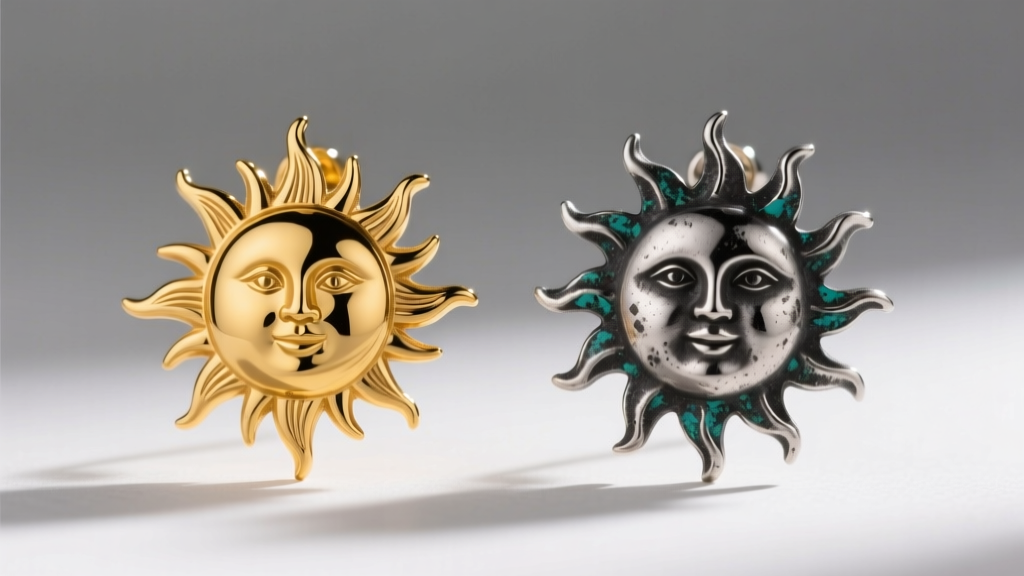
Many sun face earrings feature gold-toned rays with silver-toned facial features for a two-tone effect. If you are buying gold-plated jewelry, understanding the difference between standard plating and vermeil is critical for longevity.
- Flash Gold Plating: Typically applied over brass or copper, flash plating is incredibly thin (less than 0.175 microns). It will wear through to the base metal within weeks of daily wear, especially on the high-friction edges of the sun rays.
- Gold Vermeil: By US Federal Trade Commission standards, vermeil must consist of a sterling silver base plated with at least 10k gold that is a minimum of 2.5 microns thick. This thickness ensures the gold layer will not easily rub off, making vermeil sun face earrings a durable, hypoallergenic choice for daily wear.
Inlay and Gemstone Properties: Turquoise, Coral, and Alternatives
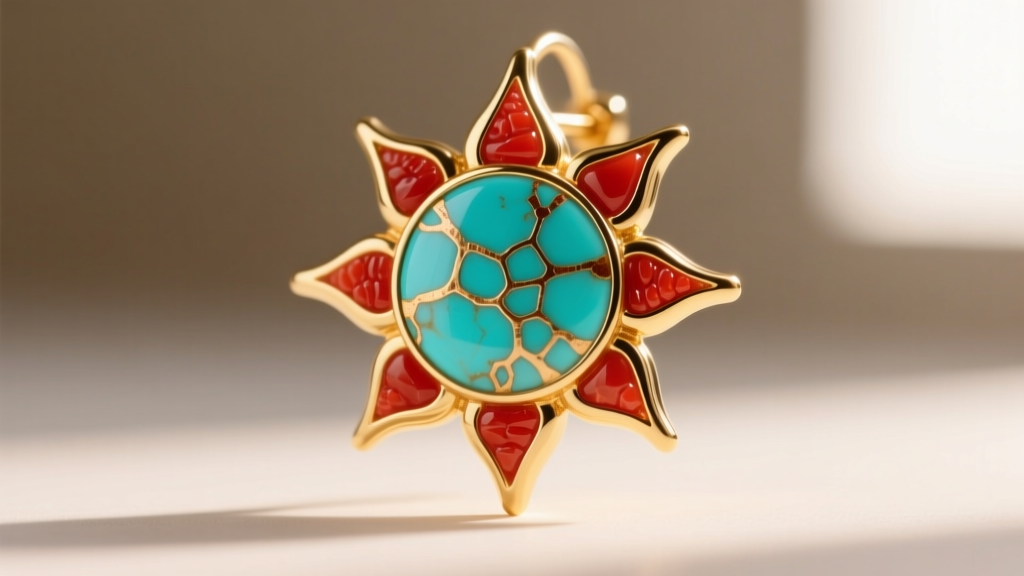
The face and rays of these earrings are frequently inlaid with vibrant stones. Because sun face designs require precisely cut, often curved channels for the inlay, the physical properties of the gemstones are paramount.
| Gemstone | Mohs Hardness | Porosity | Common Treatments | Care Requirements |
|---|---|---|---|---|
| Natural Turquoise | 5.0 - 6.0 | High | Wax/Oil coating | Avoid perfumes, lotions, and ultrasonic cleaners. |
| Stabilized Turquoise | 6.0 - 7.0 | None | Epoxy/Polymer resin | Highly durable; safe for daily wear and mild soap. |
| Red Coral | 3.5 - 4.0 | High | Dyeing, Epoxy filling | Extremely sensitive to acids, heat, and cosmetics. |
| Lapis Lazuli | 5.0 - 6.0 | Low | Dyeing (to enhance blue) | Wipe with a damp cloth; avoid harsh chemicals. |
"When evaluating turquoise inlay in intricate metalwork, stabilized turquoise is often the superior choice for structural integrity. The polymer resin fills the microscopic pores, preventing the stone from cracking when the surrounding metal expands or contracts with temperature changes." — Gemological Institute of America (GIA)
Post and Wire Gauges: Comfort for Lobe and Cartilage Piercings
Sun face earrings can be surprisingly heavy due to the wide surface area of the rays and the density of stone inlays. Therefore, the gauge (thickness) of the ear wire or post must be carefully matched to your piercing type to prevent the "cheese-cutter effect," where a thin wire slowly migrates through the tissue under the weight of the earring.
- Standard Lobe Piercings: Most sun face drop earrings use 20-gauge (0.81mm) or 18-gauge (1.02mm) French wires. If the earring weighs more than 12 grams, an 18-gauge wire is highly recommended to distribute the weight and prevent lobe stretching.
- Cartilage and Helix Piercings: If you are wearing a smaller, huggie-style or stud sun face earring in the cartilage, you must use a 16-gauge (1.29mm) or 18-gauge post. Cartilage is less vascular and more prone to irritation bumps from thin, shifting jewelry. According to the Association of Professional Piercers (APP), implant-grade titanium or niobium are the safest metals for fresh or easily irritated cartilage piercings, though these are rarely used in traditional cast sun face designs.
Maintenance and Patina Management
Maintaining sun face earrings requires a nuanced approach, as you must clean the metal without damaging the porous stone inlays.
Do Not Use Ultrasonic Cleaners: The high-frequency vibrations can easily shatter turquoise, coral, and lapis lazuli inlays, or shake them loose from their epoxy settings. Furthermore, ultrasonic cleaners will strip the oxidation (antiquing) from the recessed areas of the sun face, ruining the contrast that gives the facial features their depth.
The Polishing Cloth Method: Use a dry, treated silver polishing cloth to gently buff the raised areas of the metal rays and the bridge of the nose. Avoid rubbing the cloth directly over the stones, as the mild abrasives in the cloth can scratch the polish on softer stones like coral.
Storage: Store your earrings in an airtight ziplock bag with an anti-tarnish silica strip. This drastically slows the oxidation process of the copper alloys in sterling silver and brass, keeping the metal bright without requiring frequent polishing.
Final Verdict: Choosing Your Ideal Sun Face Earrings
For heirloom-quality sun face earrings that will last generations, look for solid 925 sterling silver or heavy gold vermeil paired with stabilized turquoise. This combination offers the best balance of hypoallergenic properties, structural durability, and vibrant color retention. If you are buying vintage brass or bronze pieces, ensure the ear wires are made of surgical steel or sterling silver to prevent contact dermatitis, and embrace the natural patina that develops on the base metal as a unique hallmark of the piece's history.


