Tanzanite and Diamond Earrings: The Ultimate Buying Guide
Discover how to choose the perfect tanzanite and diamond earrings. Learn about color grades, pleochroism, settings, and pricing in our expert guide.

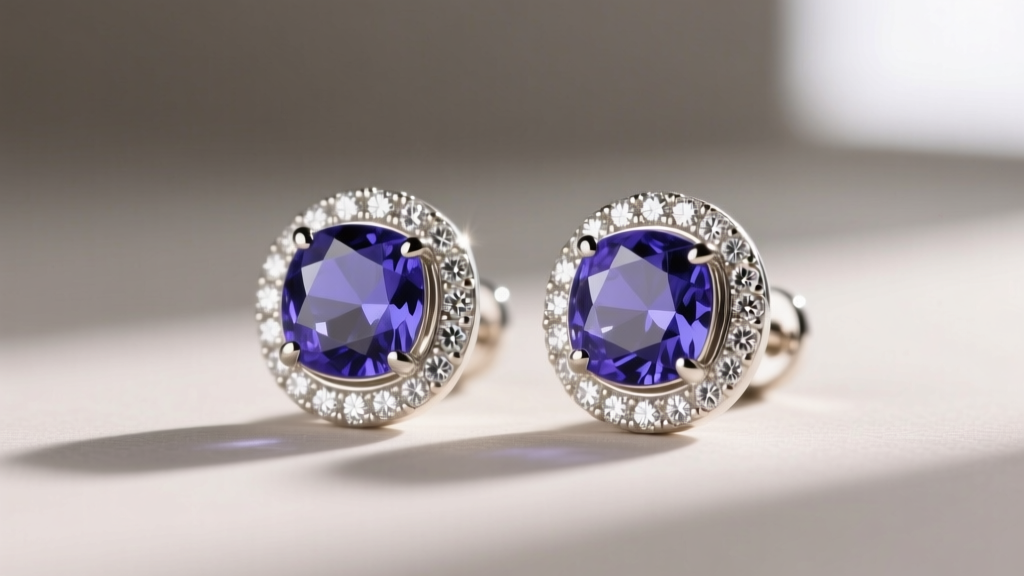
The Allure of Tanzanite and Diamond Earrings
When it comes to fine jewelry that balances rarity, vibrant color, and timeless elegance, tanzanite and diamond earrings stand in a league of their own. Found in only one place on Earth—a five-square-mile strip near Mount Kilimanjaro in Tanzania—tanzanite is a thousand times rarer than diamonds. As we navigate the 2026 fine jewelry market, the demand for high-quality, ethically sourced tanzanite paired with brilliant diamond accents continues to surge among collectors and everyday wearers alike.
However, buying tanzanite requires a different approach than buying diamonds or sapphires. From understanding its unique optical properties to selecting the right protective settings, this comprehensive buying guide will equip you with the gemological knowledge needed to make a confident, high-value purchase.
Decoding Tanzanite Quality: Color, Clarity, and Pleochroism
The value of tanzanite is overwhelmingly driven by its color. Unlike diamonds, where the absence of color is prized, tanzanite is celebrated for its intense, velvety saturation. To evaluate tanzanite like a gemologist, you must understand three critical factors.
The Pleochroic Effect
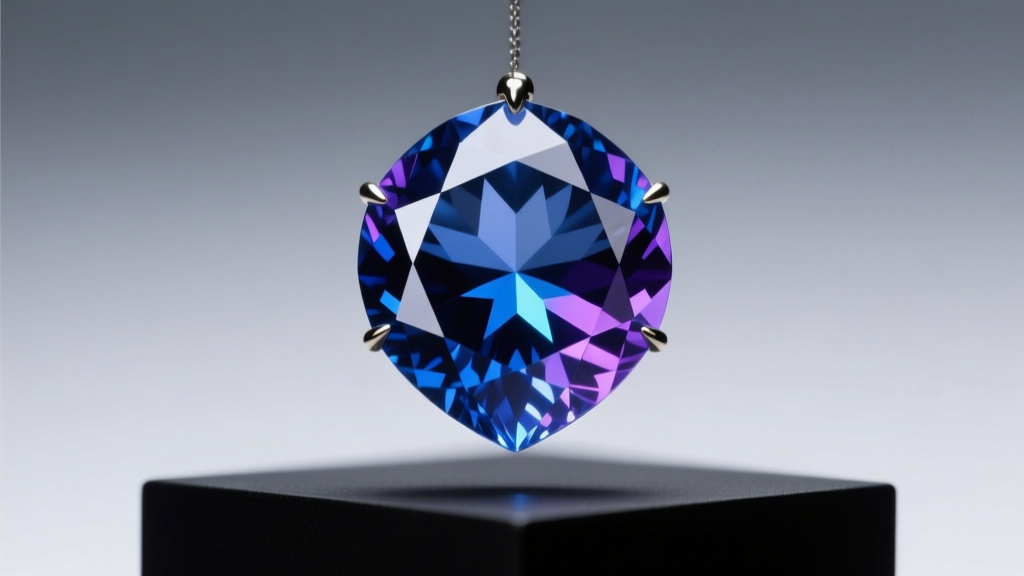
Tanzanite is a strongly pleochroic gemstone, meaning it displays different colors when viewed from different crystallographic angles. A single rough crystal can show shades of blue, violet, and burgundy. According to the Gemological Institute of America (GIA), expert cutters must carefully orient the rough stone to maximize the highly desirable violet-blue hue while minimizing the less valuable brownish or greenish axes. When shopping, always examine the earrings under multiple light sources and angles to ensure the blue-violet color is consistent and not muddied by unwanted pleochroic flashes.
Color Grading Scale
While there is no single universal grading system like the GIA's 4Cs for diamonds, the gem trade generally uses a letter-based scale for tanzanite:
- AAA (Heirloom/Top 1%): Exceptional, deeply saturated violet-blue with no visible color zoning. These command premium prices and are typically reserved for high-end diamond halo settings.
- AA (Excellent): Vivid, medium-dark blue-violet. This is the sweet spot for most luxury buyers, offering stunning color saturation at a more accessible price point than AAA.
- A (Good): Lighter, more pastel blue or violet tones, often with slight inclusions. Best suited for fashion-forward, lightweight drop earrings rather than investment pieces.
Selecting the Perfect Diamond Accents
Because tanzanite is the star of the show, the diamonds in these earrings serve as a supporting cast. Their job is to provide brilliance and contrast without overpowering the center stone. You do not need to pay for flawless, colorless diamonds for accent stones.
| Diamond Attribute | Recommended Grade for Accents | Why It Works |
|---|---|---|
| Clarity | SI1 - SI2 | Inclusions are invisible to the naked eye in small melee diamonds, saving you up to 40% compared to VS grades. |
| Color | G - H (Near Colorless) | Provides a crisp, white contrast against the violet-blue tanzanite without the premium of D-F colorless stones. |
| Cut | Very Good - Excellent | Crucial for melee diamonds; a poor cut will look dead and gray next to the vibrant tanzanite. |
For a classic halo stud, expect the diamond accent weight to range from 0.15 CTW to 0.35 CTW, perfectly framing a 1.00 to 2.00-carat tanzanite center stone.
Metal Selection: Enhancing the Violet-Blue Hue
The metal you choose drastically alters the visual impact of tanzanite and diamond earrings. White gold (14k or 18k) and platinum are the industry standards for this pairing. The cool, silvery tones of white metals amplify the blue and violet undertones of the tanzanite, while seamlessly blending with the diamond accents to create a cohesive, icy brilliance.
While yellow gold or rose gold can create a striking, vintage-inspired contrast, they can sometimes reflect warm tones back into the tanzanite, slightly muting its signature cool saturation. If you prefer yellow gold, opt for a setting that features a white metal basket or prongs directly holding the tanzanite to preserve its color integrity.
Earring Styles and Setting Security
Tanzanite ranks between 6.5 and 7 on the Mohs scale of hardness. While this makes it suitable for jewelry, it is notably softer and more brittle than diamonds (10) or sapphires (9). Furthermore, tanzanite has perfect cleavage in one direction, meaning a hard knock can cause it to chip or split. Therefore, the setting style is not just an aesthetic choice; it is a structural necessity.
Halo and Bezel Settings
For everyday wear, a diamond halo setting is highly recommended. The ring of tiny diamonds acts as a physical bumper, absorbing impacts before they reach the tanzanite. Alternatively, a bezel setting (where metal completely encircles the gem's girdle) offers the ultimate protection, though it slightly reduces the stone's light return.
Prong Settings
If you prefer the classic look of prongs, ensure the earrings feature V-prongs at the corners (especially for pear, marquise, or princess cuts). V-prongs protect the most vulnerable points of the stone from chipping.
Drop and Dangle Considerations
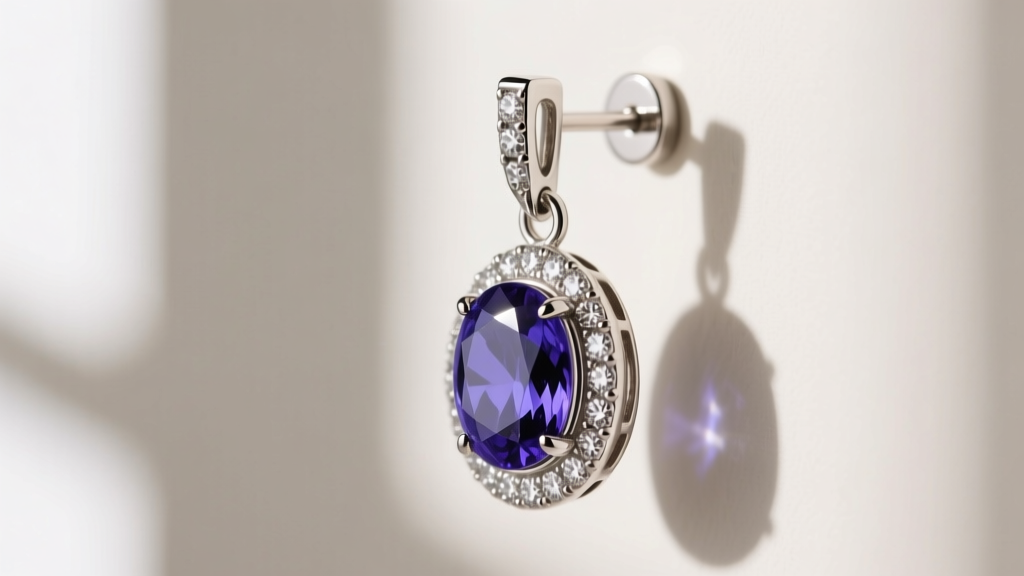
Tanzanite and diamond drop earrings are incredibly elegant for evening wear. Because dangles swing and are more prone to striking surfaces, ensure the tanzanite is set in a protective bezel or a heavy halo. Always check the earring backs; secure screw-backs or heavy friction backs are essential to prevent losing a valuable piece.
Pricing Expectations and Market Value
As of 2026, the pricing for tanzanite and diamond earrings varies widely based on the tanzanite's color grade, carat weight, and the quality of the diamond accents. Because tanzanite mining is heavily restricted and the single known deposit is projected to be depleted within the next few decades, top-tier AAA stones are appreciating assets.
- Entry-Level (1.00 CTW Tanzanite, A/AA Grade, SI Diamonds): $600 – $1,100. Ideal for lightweight studs in 10k or 14k white gold.
- Mid-Range (2.00 CTW Tanzanite, AA Grade, G-H Diamonds): $1,500 – $3,200. The most popular category for premium halo studs and elegant drop earrings in 14k/18k gold.
- Investment/Heirloom (3.00+ CTW Tanzanite, AAA Grade, VVS Diamonds): $4,500 – $10,000+. Reserved for exceptional, deeply saturated stones set in platinum with high-end diamond pavé.
Authenticity: Beware of Imitations
Unlike diamonds or emeralds, there is currently no commercially viable synthetic (lab-created) tanzanite on the market. If you see 'lab-grown tanzanite,' it is a marketing misnomer. However, imitations do exist. The most common is synthetic forsterite, which is treated to mimic tanzanite's color.
Gemologists can easily distinguish forsterite from natural tanzanite using a refractometer. Tanzanite has a refractive index (RI) of 1.69 to 1.70, while forsterite's RI is lower, at 1.63 to 1.67. Always request a certificate from a reputable lab like the GIA or AGL for any tanzanite and diamond earrings priced over $2,000.
For a deeper dive into identifying genuine gemstones, refer to the GIA's Tanzanite Quality Factors guide, which outlines the specific optical properties that separate true zoisite from glass or synthetic lookalikes.
Care and Maintenance for Tanzanite Jewelry
Proper care is non-negotiable for tanzanite. Because of its hardness and cleavage planes, you must never clean tanzanite earrings in an ultrasonic cleaner or with a steam cleaner. The high-frequency vibrations and sudden temperature changes can easily cause internal fractures or shatter the stone.
Instead, use the golden rule of tanzanite care: mix a few drops of mild, ammonia-free dish soap in lukewarm water. Gently scrub the earrings with a soft-bristled baby toothbrush to remove lotion and skin oils from behind the tanzanite and within the diamond pavé. Rinse under lukewarm running water and pat dry with a microfiber cloth. Store your earrings in a soft fabric-lined box, separate from your diamond jewelry, to prevent the harder diamonds from scratching the tanzanite's surface during transit.
Final Thoughts on Your Purchase
Investing in tanzanite and diamond earrings is a celebration of one of the modern gemological world's most spectacular discoveries. By prioritizing AAA or AA color grades, opting for protective white-metal settings, and adhering to strict, non-ultrasonic cleaning protocols, your earrings will retain their breathtaking violet-blue fire for generations to come.


