Third Earring Hole Piercing: 2026 Cost & Value Guide
Discover the true cost of a third earring hole piercing in 2026. We break down studio fees, jewelry upgrades, and hidden aftercare expenses.

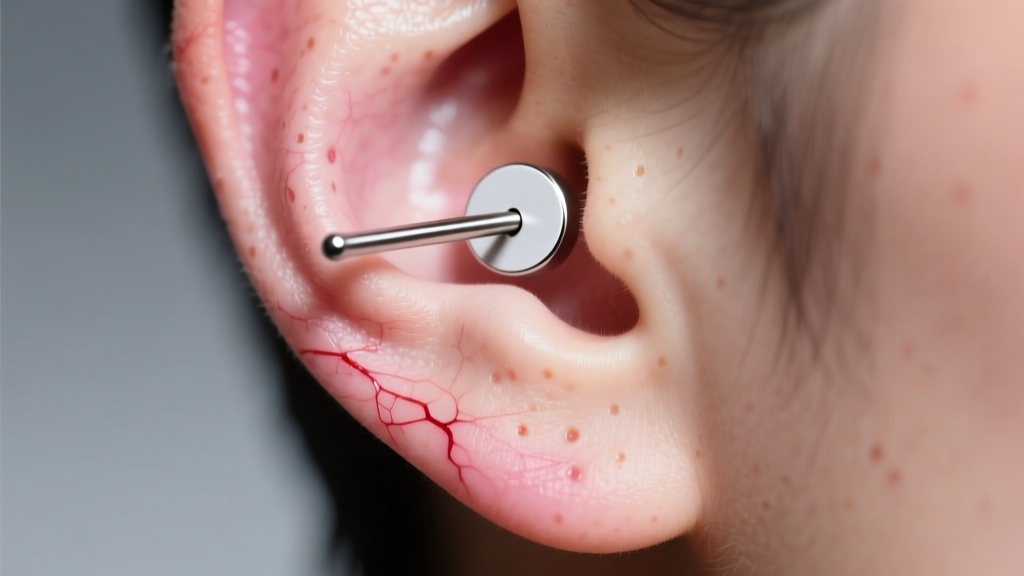
The curated ear stack is no longer just a fleeting trend; it is a permanent fixture in fine jewelry styling and personal expression. At the very heart of this aesthetic lies the third earring hole piercing. While adding a third hole to your lower lobe seems like a simple, inexpensive modification, the true financial and anatomical investment is often misunderstood. Many enthusiasts focus solely on the initial studio fee, completely overlooking the hidden costs of premium metallurgy, mandatory downsizing appointments, and specialized aftercare.
As a senior style analyst tracking jewelry investments, I am breaking down the exact budget and long-term value assessment for getting a third earring hole piercing in 2026. Whether you are planning to fill it with a delicate diamond stud or a seamless gold hoop, understanding these costs will save you from expensive complications and ensure your ear stack remains healthy and beautiful for decades.
The Baseline Cost: Studio Fees vs. The False Economy of Piercing Guns
When budgeting for a third earring hole piercing, your first decision is where to get it done. The price variance between a professional piercing studio and a mall kiosk is stark, but the value proposition heavily favors the professional.
- Mall Kiosks (Spring-Loaded Guns): Typically priced between $20 and $40. However, piercing guns use blunt force to push a dull stud through tissue, causing significant micro-trauma. Furthermore, the 'jewelry' included is often low-grade steel with bulky butterfly backs that harbor bacteria.
- Professional APP-Certified Studios: The piercing service fee generally ranges from $50 to $90. This fee covers the piercer's expertise, single-use sterilized hollow needles, and a hygienic environment.
According to the Association of Professional Piercers (APP), hollow needles cleanly remove a microscopic core of tissue, allowing for a smoother healing process. While the upfront cost is higher, you are paying for precision placement, which is critical for the third hole to ensure it aligns perfectly with your existing piercings and avoids the ear's cartilage ridge.
The Hidden Expense: Jewelry Material Upgrades
The most significant variable in your budget is the jewelry itself. Most professional studios charge the service fee plus the cost of the jewelry you select. While basic 316L surgical steel might seem like a budget-friendly option at $15 to $25, it is a false economy for a fresh piercing.
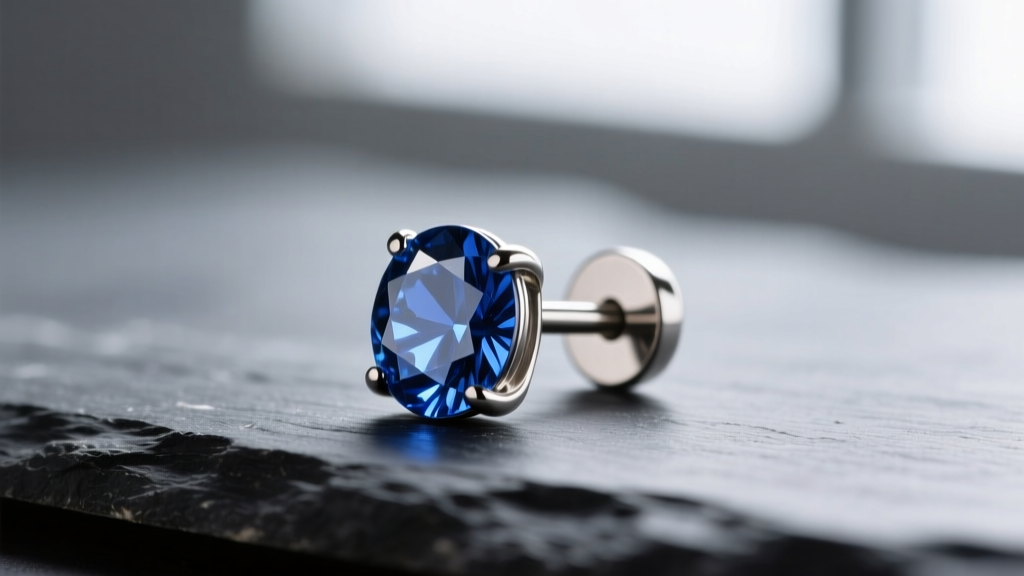
Surgical steel contains nickel, and the trauma of a new piercing makes your body highly susceptible to nickel sensitization. The gold standard for a fresh third earring hole piercing is ASTM F-136 Implant-Grade Titanium. This specific alloy is completely nickel-free and biocompatible. Expect to pay between $40 and $85 for a high-quality titanium flat-back labret post with a basic bead or bezel-set gemstone from reputable brands like BVLA, Anatometal, or NeoMetal.
Expert Insight: Never sleep in standard butterfly-back earrings in your third hole. The prongs cause pressure necrosis on the back of the lobe. Always invest in threadless or internally threaded flat-back labrets for healing and long-term comfort.
Anatomy & Placement: Why the Third Hole Can Cost More to Heal
The anatomy of the lower lobe dictates the success and cost of your piercing. The first and second holes sit comfortably in the soft, fleshy tissue of the lobule, which typically heals in 8 to 12 weeks. However, the third earring hole piercing sits dangerously close to the anti-tragus and the lower auricular cartilage ridge.
If your piercer places the third hole even a few millimeters too high, it will pierce through dense cartilage rather than soft tissue. Cartilage piercings require vastly different aftercare, take 9 to 12+ months to fully heal, and carry a higher risk of hypertrophic scarring (irritation bumps). Treating these bumps often requires purchasing specialized aftercare products or, in severe cases, seeking dermatological interventions like corticosteroid injections, which can cost $100 to $300 out-of-pocket.
Gauge Sizing and the 'Cheese Cutter' Risk
Standard lobe piercings are often done at 20G (0.8mm) or 18G (1.0mm). However, for a third hole, many expert piercers recommend sizing up to 16G (1.2mm). Why? Because the third hole is frequently subjected to the weight of larger hoops or heavy statement pieces later on. A thin 20G wire holding a heavy gold hoop can slowly slice through the lobe tissue over time—a painful phenomenon known as the 'cheese cutter effect.' Opting for a 16G needle and jewelry provides a wider surface area, distributing the weight and preventing permanent lobe tearing, ultimately saving you from costly surgical lobe repairs.
2026 Pricing Breakdown: The True Investment Table
To give you a realistic perspective on the financial commitment, here is a comprehensive breakdown of what you can expect to spend on a single third earring hole piercing in 2026, categorized by budget tier.
| Expense Category | Budget Tier (Basic) | Mid-Tier (Recommended) | Premium Tier (Fine Jewelry) |
|---|---|---|---|
| Studio Piercing Fee | $40 | $60 | $90 |
| Initial Jewelry (Post + End) | $25 (Steel) | $65 (Titanium) | $180+ (14k Gold) |
| Mandatory Downsizing Visit | $0 (DIY) | $30 (Studio fee) | $45 (Studio fee) |
| Downsizing Jewelry Post | $0 | $15 | $60 |
| Aftercare Supplies | $10 | $15 | $25 |
| Total Estimated Cost | $75 | $185 | $400+ |
The Mandatory Downsizing: A Frequently Forgotten Cost
When you are initially pierced, the studio will insert a longer post—typically 5/16-inch (8mm) or 3/8-inch (10mm)—to accommodate the inevitable swelling that occurs in the first two weeks. Once the swelling subsides, that long post becomes a liability. It will snag on hair, sweaters, and pillowcases, leading to irritation bumps and migration.
You must return to the studio for a 'downsizing' appointment to swap the post for a shorter 1/4-inch (6mm) or 3/16-inch (5mm) post. Many studios charge a $20 to $40 bench fee for this service, plus the cost of the new, shorter titanium post. Failing to budget for this step is the number one reason third lobe piercings fail or heal at crooked angles.
Aftercare Budget: What You Actually Need to Buy
The American Academy of Dermatology (AAD) emphasizes keeping healing skin clean and free from harsh chemicals. Forget the expensive, alcohol-based 'piercing aftercare sprays' sold at mall kiosks; they dry out the fistula (the healing tissue tube) and delay healing.
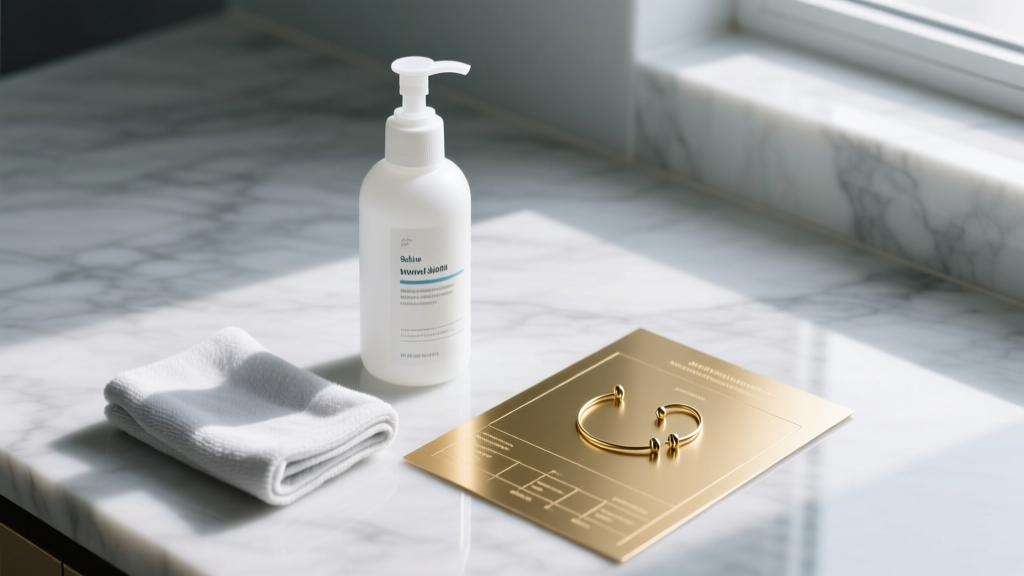
Your aftercare budget only requires two things:
- Sterile Saline Wound Wash (0.9% Sodium Chloride): Brands like NeilMed or H2Ocean cost about $10 to $15. The can must be pressurized and contain no additives, preservatives, or fragrances.
- A U-Shaped Travel Pillow: Priced around $15, this is non-negotiable for side sleepers. Sleeping directly on a fresh third earring hole piercing cuts off circulation and causes severe pressure irritation. Sleeping with your ear in the hole of a travel pillow prevents this entirely.
Long-Term Value: High-End Jewelry vs. Fast Fashion
When assessing the value of your third earring hole piercing, consider the jewelry you will eventually wear in it. Fast-fashion earrings made of brass or plated alloys will degrade, tarnish, and potentially cause contact dermatitis, rendering your piercing unusable.
Conversely, investing in solid 14k or 18k gold, or platinum threadless ends from luxury body jewelry brands, offers incredible long-term value. These pieces do not tarnish, they are hypoallergenic, and they retain significant resale value on secondary markets. A $150 BVLA diamond cluster end can be moved from your third lobe hole to a cartilage piercing or a nostril piercing over the years, making it a versatile, lifelong asset rather than a disposable accessory.
Verdict: Is the Third Earring Hole Piercing Worth the Investment?
From a strict budget perspective, a third earring hole piercing is a moderate financial commitment that requires careful planning. If you attempt to cut corners by using a piercing gun or buying cheap, unverified metals, the cost of treating infections, blowouts, and allergic reactions will quickly eclipse any initial savings.
However, if you approach it as a calculated investment—budgeting approximately $150 to $200 for a professional needle piercing, implant-grade titanium, and proper downsizing—the return on investment is unparalleled. The third hole unlocks the ability to wear complex, graduated ear stacks, delicate lobe hoops, and curated fine jewelry arrangements that elevate your personal style permanently. When executed correctly, it is one of the most rewarding and cost-effective body modifications available.


