3/4 Carat Diamond Earrings: A 2026 Budget & Value Guide
Discover if 3/4 carat diamond earrings are worth the investment in 2026. We break down lab vs. natural pricing, clarity grades, and setting styles.

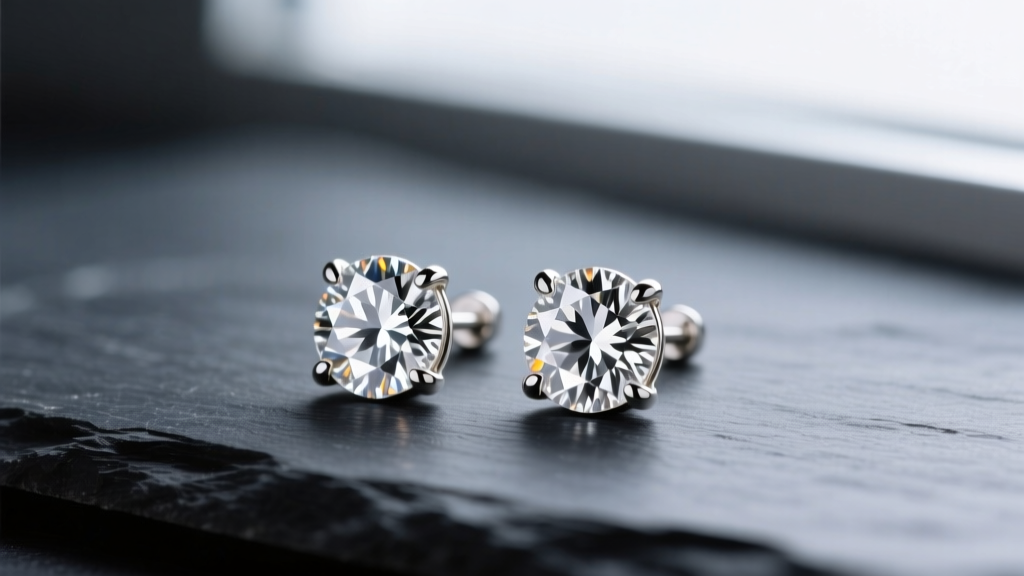
The Appeal of the 0.75 CTW Milestone
In the world of fine jewelry, the 3/4 carat (0.75 ctw) diamond earring occupies a highly coveted 'sweet spot.' It bridges the gap between subtle, everyday 0.25-carat studs and the premium price tag of a full 1.00-carat pair. For buyers in 2026, this size offers maximum visual impact without crossing into the steep exponential pricing curve of larger carat weights. When navigating online forums or search engines, you might encounter the phrase '3 4 carat diamond earrings'. This is simply a common typographical artifact for 3/4 carat stones, as slashes are frequently stripped from URL slugs and search queries. Regardless of how you type it, the 0.75 ctw milestone remains one of the most intelligent purchases in the diamond market.
A standard 0.75 ctw pair features two diamonds weighing approximately 0.37 to 0.38 carats each. When cut to ideal proportions, each stone measures roughly 4.6mm to 4.7mm in diameter. This size is universally flattering; it provides substantial sparkle that catches the eye from across a room, yet it remains proportional enough not to overwhelm petite or medium face shapes. For those with larger facial features or longer earlobes, a 4.6mm stud still offers a classic, elegant footprint that transitions seamlessly from the boardroom to evening wear.
Natural vs. Lab-Grown: The 2026 Pricing Reality
The most critical decision for modern buyers is choosing between mined and lab-grown diamonds. As of 2026, the lab-grown market has matured significantly, resulting in aggressive price compression. While natural diamonds maintain a price floor due to mining constraints and market demand, lab-grown stones offer identical optical and chemical properties at a fraction of the cost. According to the Gemological Institute of America (GIA), lab-grown diamonds are graded using the exact same 4Cs methodology as their natural counterparts, ensuring you do not have to sacrifice quality for budget.
| Category | Specifications (Color/Clarity) | Estimated 2026 Price Range | Best For |
|---|---|---|---|
| Lab-Grown (Premium) | F-G / VS1-VS2 | $600 - $850 | Max sparkle on a strict budget |
| Natural (Value) | I-J / SI1-SI2 | $1,500 - $2,100 | Traditional buyers prioritizing origin |
| Natural (High-End) | G-H / VS1-VS2 | $2,800 - $3,600 | Heirloom gifts and milestone anniversaries |
From a pure value assessment perspective, if your primary goal is visual size and brilliance, lab-grown is the undisputed winner in 2026. You can secure a flawless, colorless 0.75 ctw pair for under $900. However, if you are purchasing for a traditional milestone where the 'romance' of a mined stone holds emotional weight, the natural market still offers excellent value in the slightly lower color grades.
The 4Cs Optimized for 3/4 Carat Studs
Earrings interact with light and the observer differently than engagement rings. Because they are viewed from a distance and are constantly in motion, you can strategically downgrade certain specifications to save money without any visible compromise. The American Gem Society (AGS) emphasizes that cut quality is paramount, but color and clarity offer room for budget optimization in earrings.
Cut: The Non-Negotiable Factor
Never compromise on cut. A poorly cut 0.38-carat diamond will face up dark and lifeless, making it look smaller than its actual 4.6mm diameter. Always demand 'Excellent' or 'Ideal' cut grades. A superior cut maximizes light return, which is the sole source of a diamond's brilliance and fire.
Color: The Distance Advantage
Unlike a center stone on a ring, which is viewed inches from the eye against the stark contrast of a finger, earrings are viewed from at least two feet away. Furthermore, they are framed by hair, skin, and clothing. Because of this, near-colorless grades (G, H, I, and even J) face up brilliantly white to the naked eye in earring settings. Dropping from a D-color to an I-color can save you 30% to 40% on natural stones, with zero perceptible difference once they are in the ear.
Clarity: Eye-Clean is King
At the 0.38-carat mark per ear, inclusions are incredibly difficult to see without 10x magnification. SI1 (Slightly Included 1) and even eye-clean SI2 diamonds are phenomenal choices for studs. As long as the diamond is 'eye-clean' (meaning no black carbon spots are visible to the naked eye), there is absolutely no need to pay the premium for VVS or IF clarity grades.
Setting Styles and Hardware: Form Meets Function
The setting you choose dramatically alters both the visual spread of the diamond and the security of your investment. A 0.75 ctw pair is a significant financial asset, and the hardware must be up to the task.
Martini vs. Crown vs. Bezel
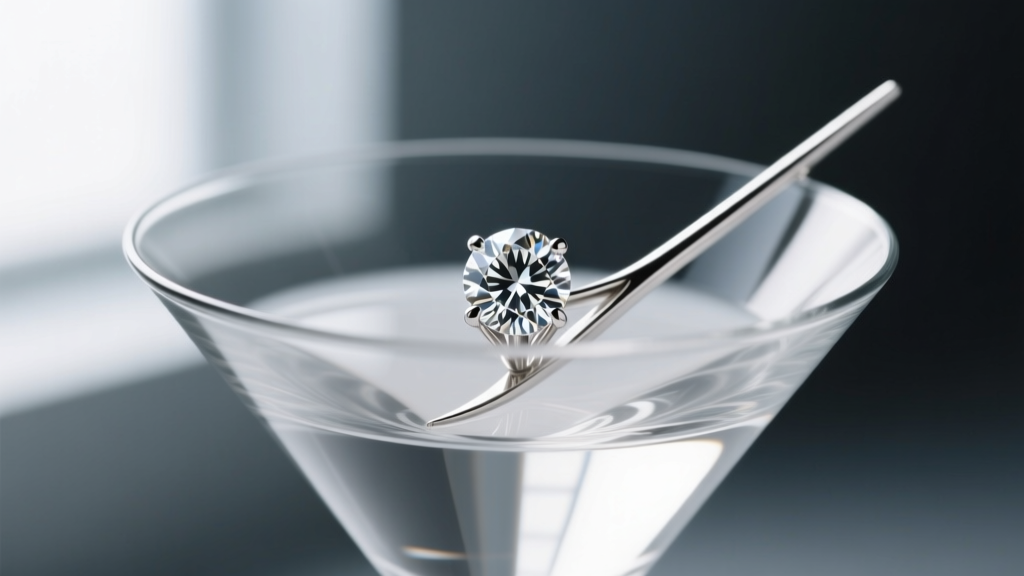
- 3-Prong Martini: The classic choice. By using only three prongs, more of the diamond's pavilion is exposed to light, maximizing brilliance. However, the pointed V-shape can sometimes dig into the earlobe if the post is too short.
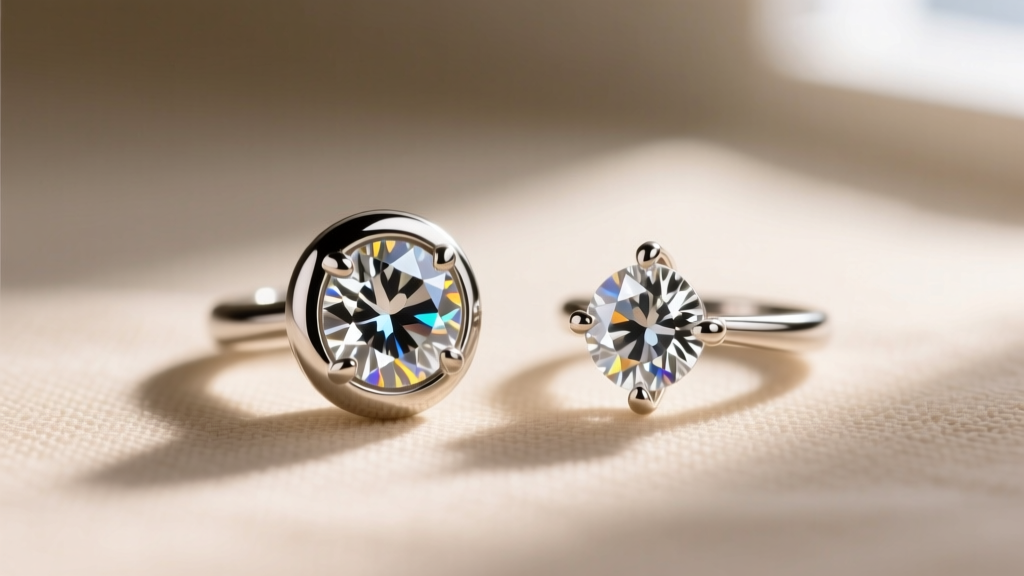
- 4-Prong Crown: Offers a slightly more geometric, modern look. The basket sits flatter against the ear, providing excellent security and comfort for daily wear.
- Bezel Setting: A rim of metal completely encircles the diamond. While it slightly reduces light entry, a bezel adds approximately 0.4mm to the visual spread of the stone. A 4.6mm diamond in a bezel will look closer to a 5.0mm (0.50ct per ear) stone, making it a brilliant optical illusion for budget-conscious buyers.
The Importance of Premium Backings
Do not let a $2,500 pair of diamonds be secured by a $5 friction backing. Standard 'butterfly' push-backs rely on tension and can easily slip off, especially when removing sweaters or brushing hair. For 0.75 ctw earrings, insist on La Pousette backings (which feature a mechanical locking click) or screw-backs. Screw-backs are incredibly secure but can be tedious to put on and take off daily. La Pousette offers the perfect hybrid of friction ease and mechanical security.
Budget Allocation Framework
When building your budget, it is vital to allocate funds toward what actually impacts the visual experience. Here is a recommended framework for a $2,000 total budget in 2026:
- Diamond Quality (85%): Allocate $1,700 toward the stones. Prioritize Ideal Cut and I-color/SI1-clarity natural diamonds, or D-color/VVS lab-grown stones.
- Metal and Setting (10%): Allocate $200 for the setting. 14k white or yellow gold is the industry standard for studs. It is durable enough to hold the prongs securely and costs significantly less than platinum.
- Hardware Upgrades (5%): Allocate $100 to upgrade the backings to La Pousette or heavy-duty screw-backs. This is the cheapest insurance policy you will ever buy.
Value Retention: The Hard Truth
It is crucial to approach diamond earrings as an emotional and aesthetic purchase, not a financial investment. Sub-one-carat natural diamonds do not appreciate in value; they depreciate the moment they leave the retailer, much like a new car. If resale value is a primary concern, diamonds are the wrong asset class. However, in terms of 'cost-per-wear,' a high-quality 0.75 ctw pair of studs is unbeatable. They are durable, timeless, and can be worn 365 days a year for decades, eventually becoming heirloom pieces passed down to the next generation.
Final Verdict
The 3/4 carat diamond earring is arguably the most versatile and financially sensible milestone purchase in fine jewelry. By leveraging the distance-viewing advantage to optimize color and clarity, and by choosing secure, light-maximizing settings, you can achieve a breathtaking look without overpaying for invisible specifications. Whether you opt for the traditional romance of a mined I/SI1 stone or the unapologetic brilliance of a lab-grown F/VS1, the 0.75 ctw size guarantees a lifetime of effortless elegance.


