Tory Burch Stud Earrings: 2026 Value & Budget Guide
We assess the true value of Tory Burch stud earrings in 2026. Discover material grades, pricing tiers, and if they are worth your investment.

The Accessible Luxury Dilemma: Are They Worth the Price Tag?
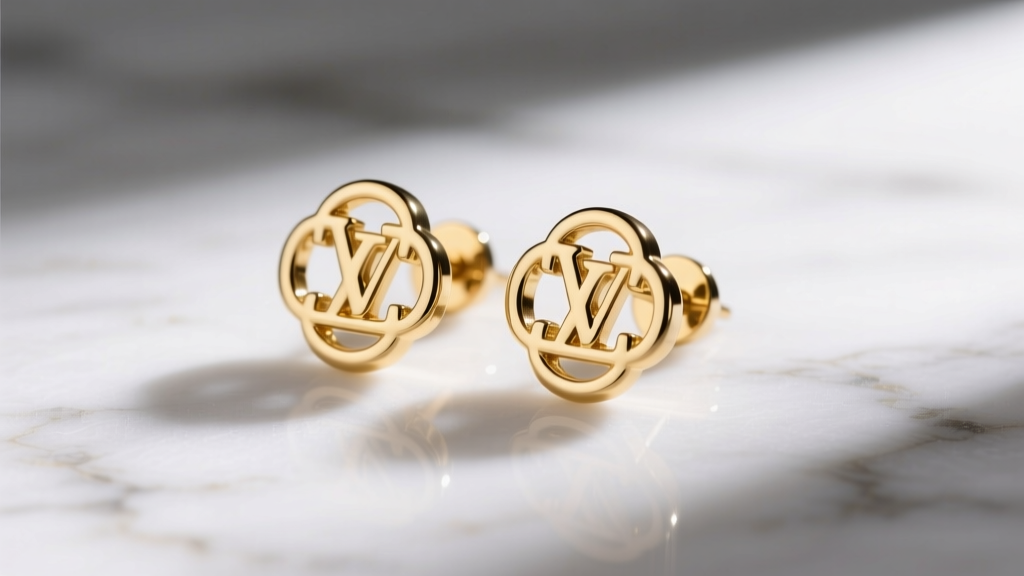
When navigating the crowded 'accessible luxury' jewelry market in 2026, few brands command the immediate name recognition of Tory Burch. Known for their preppy-chic aesthetic and iconic double-T monogram, Tory Burch stud earrings are a staple in department stores and boutique displays worldwide. But when you strip away the branding and the signature orange packaging, what are you actually paying for? For budget-conscious shoppers and value-driven collectors, the question is not just about aesthetics; it is about material integrity, longevity, and cost-per-wear.
In this comprehensive value assessment, we deconstruct the metallurgical reality of these fashion earrings, analyze their depreciation on the secondary market, and compare them against direct competitors. If you are considering dropping $50 to $150 on a pair of designer studs, this guide will help you determine if they are a worthwhile addition to your jewelry box or if your budget is better spent elsewhere.
Material Breakdown: What Are You Actually Buying?
To assess value, we must first look at the raw materials. Unlike fine jewelry brands that utilize solid 14k or 18k gold, Tory Burch stud earrings primarily fall under the category of fashion or bridge jewelry. The core base metal is typically brass or stainless steel, which is then finished with a thin layer of gold or silver plating.
According to the Federal Trade Commission (FTC) Jewelry Guides, terms like 'gold plated' indicate a very thin layer of gold—often less than 0.5 microns—electroplated onto a base metal. This is a crucial distinction for buyers. While the brand occasionally releases 'semi-fine' collections featuring sterling silver or gold vermeil (a thicker layer of gold over sterling silver), the vast majority of their core stud earring lineup relies on standard gold-plated brass and epoxy-based enamel.
The Enamel and Crystal Factor
Many of the brand's best-selling studs, such as the classic Kira or Miller collections, feature vibrant inlays. It is vital to understand that these are not fired vitreous enamels (which are essentially glass and highly durable), but rather cold epoxies or resins. While they offer brilliant color payoff, epoxy is susceptible to micro-scratches and can yellow or chip if exposed to harsh chemicals, perfumes, or prolonged UV light. Similarly, the 'crystals' used are generally high-quality cubic zirconia or precision-cut glass, rather than precious or semi-precious gemstones.
Pricing Tiers and the Secondary Market Reality
Retail pricing for Tory Burch stud earrings generally hovers between $58 and $128, depending on the complexity of the design and the presence of crystal pavé. However, evaluating true value requires looking at the asset's lifecycle and resale potential. Unlike solid gold jewelry, which retains intrinsic melt value, fashion jewelry depreciates the moment it leaves the store.
Data from luxury consignment platforms like The RealReal and peer-to-peer resale apps reveal a steep depreciation curve for non-precious metals. Below is a breakdown of what you can expect regarding retail versus resale value in the current market.
| Collection / Style | Average Retail Price (2026) | Average Resale Value | Depreciation Rate |
|---|---|---|---|
| Classic Double-T Logo Studs (Brass/Enamel) | $68.00 | $15.00 - $25.00 | ~70% |
| Crystal Pavé Monogram Studs | $98.00 | $25.00 - $40.00 | ~65% |
| Semi-Fine Sterling Silver / Vermeil Studs | $128.00 | $45.00 - $60.00 | ~55% |
Budget Takeaway: If you view jewelry as an investment or an asset that retains value, Tory Burch studs fail the test. You are paying a 60% to 80% premium strictly for the brand name and the retail experience. To maximize your budget, savvy shoppers often bypass retail entirely, sourcing 'new with tags' pairs on reputable resale platforms for a fraction of the boutique cost.
Durability, Biocompatibility, and Wearability
A $100 pair of earrings should not cause contact dermatitis or break after a month of wear. Let us examine the structural and biocompatible realities of these pieces.
Post Gauge and Clutch Quality
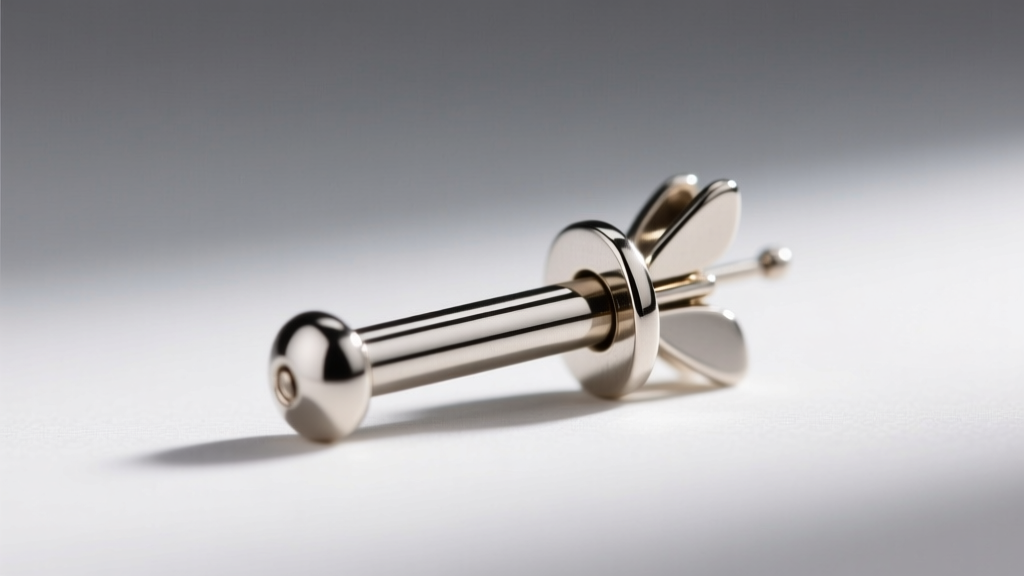
The posts on Tory Burch studs are typically manufactured at a standard 20-gauge (0.81mm) or 22-gauge (0.64mm) thickness. This is perfectly adequate for standard lobe piercings but may be slightly too thin for those who prefer the structural support of 18-gauge (1.02mm) jewelry, especially if the earring face is heavy. Heavy enamel or crystal fronts on a thin 22-gauge post can cause the earring to droop forward, requiring the use of larger, supportive silicone disc backs rather than the standard metal butterfly clutches included in the box.
The Nickel Allergy Warning
Biocompatibility is a major concern in the fashion jewelry space. While the brand states that their earring posts are often surgical steel or sterling silver to accommodate sensitive ears, the decorative front of the earring (the brass base and plating) can still trigger reactions. Brass is an alloy of copper and zinc, but trace amounts of nickel can sometimes be present in the manufacturing process or the underlying plating layers. If you have a severe nickel allergy, the risk of the earring face resting against your earlobe and causing a flare-up is a legitimate factor that diminishes the overall value proposition for sensitive skin types.
Competitor Analysis: Where Else Could You Spend $100?
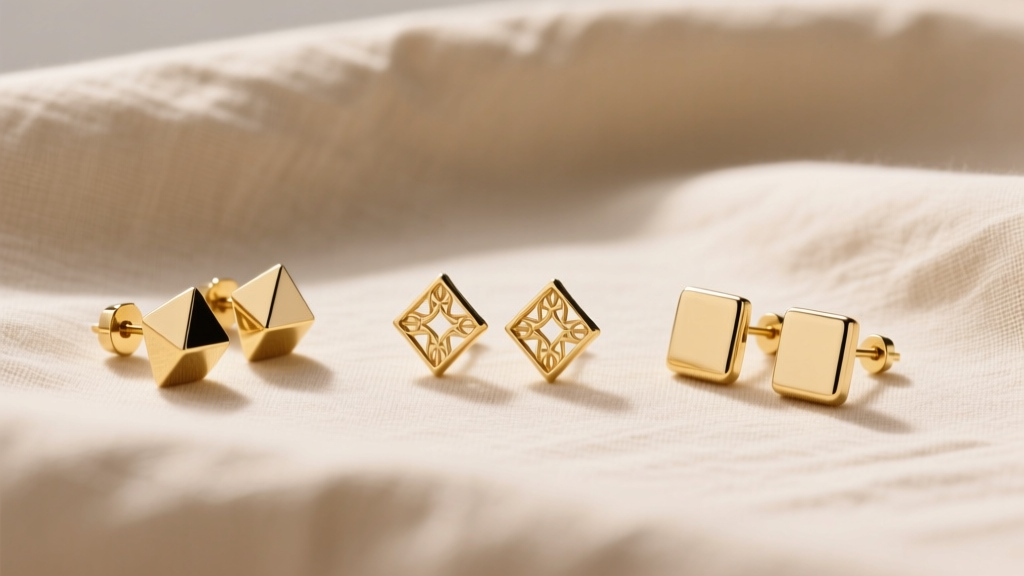
To truly assess the budget value of Tory Burch stud earrings, we must compare them to alternative brands occupying the same $50 to $150 price bracket. Here is how the competition stacks up in terms of material value:
- Mejuri: For $80 to $120, Mejuri offers solid 14k gold studs or heavy gold vermeil. You are getting significantly higher intrinsic metal value, better longevity, and a lower risk of tarnishing compared to standard gold-plated brass.
- Missoma: Known for their 18k gold vermeil, Missoma provides a thicker layer of gold over a sterling silver base. This offers a much longer lifespan before the base metal shows through, making it a superior choice for daily wearers.
- Kate Spade New York: The most direct competitor in terms of aesthetic and material composition. Kate Spade offers similar brass-based, enamel-filled novelty studs, often at slightly lower retail price points ($40 to $78), making Tory Burch's premium harder to justify purely on material grounds.
- Gorjana: While Gorjana also utilizes gold-plated brass for many of their entry-level pieces, their pricing is generally more aggressive ($40 to $65), offering a similar 'California-cool' aesthetic without the steep designer markup.
Care and Maintenance: Protecting Your Investment
If you decide that the brand cachet and specific designs are worth the retail premium, you must adopt a strict maintenance routine to protect the thin gold plating and epoxy enamel. Because the gold layer is measured in fractions of a micron, friction and chemicals are your biggest enemies.
- The 'Last On, First Off' Rule: Always put your plated studs on after applying perfume, hairspray, and lotions. The alcohols and volatile organic compounds in cosmetics will rapidly degrade the gold plating and cloud the epoxy resin.
- Wipe Down After Wear: The natural oils and acidity in human sweat will break down the plating over time. Gently wipe the earrings with a dry, lint-free microfiber cloth before storing them.
- Avoid Ultrasonic Cleaners: Never use ultrasonic jewelry cleaners or harsh chemical dips. The high-frequency vibrations can shatter epoxy inlays and strip the electroplated gold layer entirely, leaving you with bare, tarnish-prone brass.
The Final Verdict: Who Should Buy Them?
So, are Tory Burch stud earrings worth the budget allocation in 2026? The answer depends entirely on your purchasing priorities.
Pass on them if: You prioritize intrinsic material value, require hypoallergenic guarantees for severe metal sensitivities, or want jewelry that will retain resale value. If your goal is to build a lifelong, durable jewelry collection, your $100 budget is vastly better spent on solid 14k gold pieces from direct-to-consumer fine jewelry brands.
Buy them if: You are purchasing for the specific brand prestige, the iconic monogram aesthetic, or as a giftable item where the recognizable orange box carries significant weight. To maximize your budget in this scenario, avoid full-price retail purchases. Instead, hunt for these pieces during seasonal department store sales, at official outlet locations, or through verified secondhand luxury consignment platforms where you can acquire the exact same aesthetic and brand recognition for 50% to 70% less.


