Tous Earrings: Material Grades, Authenticity & Care
An expert technical guide to Tous earrings, covering vermeil thickness, 18k gold hallmarks, post gauges, and how to authenticate the iconic bear motif.

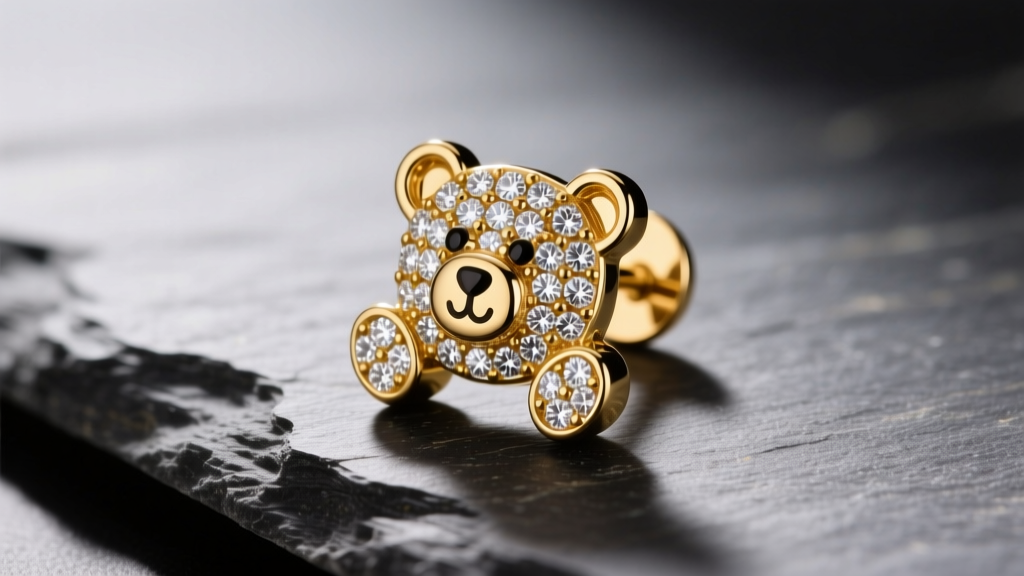
When evaluating luxury fashion jewelry, few brands occupy the unique space between playful iconography and serious metallurgical engineering quite like TOUS. While the market is saturated with fleeting trends, TOUS earrings—anchored by their signature teddy bear motif—require a technical understanding to truly appreciate their craftsmanship, authenticate genuine pieces, and maintain their structural integrity over decades of wear. As of 2026, the secondary market for vintage and contemporary TOUS pieces has expanded significantly, making it crucial for collectors and everyday wearers to look past the aesthetic and examine the exact material grades, gauge specifications, and gemological properties that define authentic TOUS earrings.
The Metallurgy of TOUS: Silver, Vermeil, and 18k Gold
The foundation of the TOUS non-solid-gold lineup is 925 sterling silver. This alloy consists of 92.5% pure silver and 7.5% copper. While the copper provides necessary tensile strength for casting intricate bear motifs, it also introduces a susceptibility to oxidation and tarnish. TOUS mitigates this by utilizing high-grade rhodium flashing on their silver pieces, creating a barrier that delays sulfur-induced tarnishing. For their gold-toned silver pieces, TOUS relies on heavy vermeil rather than standard plating.
Understanding TOUS Vermeil vs. Standard Plating
According to the Federal Trade Commission Jewelry Guides, true vermeil must consist of a sterling silver base coated with gold of at least 10k fineness, with a minimum thickness of 2.5 microns. TOUS typically utilizes 18k (750) or 14k gold for their vermeil pieces, consistently achieving this 2.5 to 3.0-micron thickness threshold. Contrast this with standard 'gold-plated' fashion earrings, which often use a brass or nickel base and a sub-0.5-micron flash plating that wears through to the base metal within months of daily friction. The 2.5-micron standard ensures that TOUS vermeil earrings can withstand years of wear before requiring professional re-plating.
Post Gauges, Clasps, and Structural Integrity
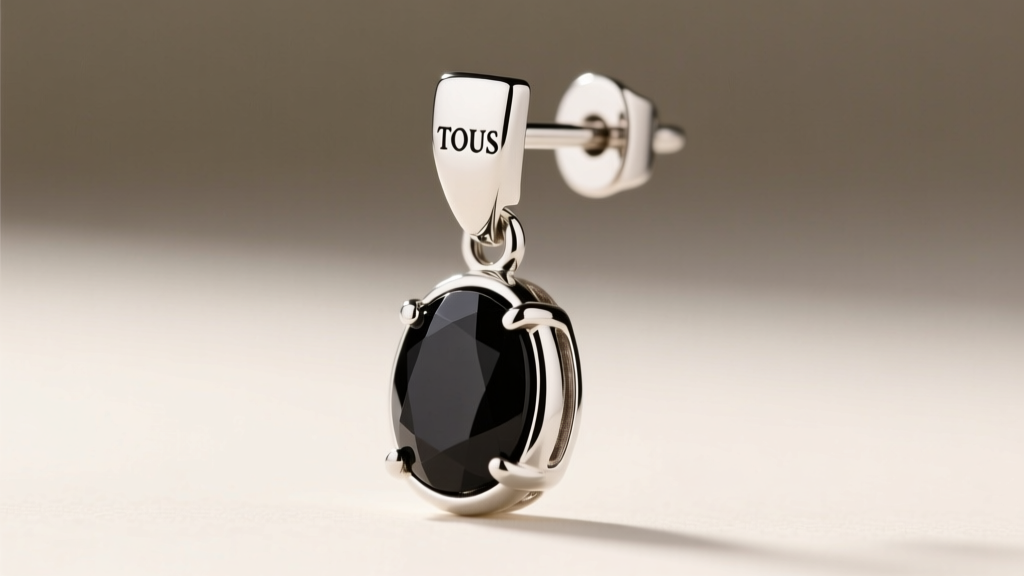
The structural failure point of many luxury stud earrings is the post-to-back interface. The iconic TOUS bear head, particularly in solid 18k gold or multi-gemstone pavé configurations, carries significant mass. To support this weight without bending, TOUS engineers their stud posts primarily in 18-gauge (1.02mm) wire, rather than the flimsy 22-gauge (0.64mm) wire found in mass-market alternatives. This thicker gauge prevents the post from warping when inserting the earring through healed lobe tissue.
However, the standard butterfly friction back is a known failure mode for heavy motifs. The earlobe acts as a fulcrum, causing heavy bear studs to droop forward. For oversized TOUS bears or heavy drop earrings, we strongly recommend replacing standard backs with La-Pousette locking mechanisms. These precision-engineered backs feature a dual-spring locking system that grips the 18-gauge post securely, distributing the load evenly and preventing the earring from sliding down the earlobe. For their heavier huggie and drop styles, TOUS utilizes omega clips and reinforced leverbacks, which provide a secondary mechanical lock that friction backs simply cannot achieve.
Authenticating TOUS Earrings: Hallmarks and Motif Proportions
Because of the brand's global recognition, TOUS earrings are heavily counterfeited. Authenticating a piece requires examining both the metallurgical hallmarks and the precise casting proportions of the bear motif. Genuine TOUS casting molds are meticulously maintained, resulting in crisp, seamless joints, particularly around the bear's ears and snout. Counterfeits often exhibit visible casting lines, pitting, or asymmetrical facial features.
| Feature | Genuine TOUS | Common Counterfeit |
|---|---|---|
| Hallmark Depth | Deeply stamped or laser-etched into metal | Surface printed or shallow, uneven stamping |
| Bear Snout Proportion | Symmetrical, distinct heart-shaped muzzle pad | Asymmetrical, blunt, or poorly defined snout |
| Vermeil Thickness | Meets FTC 2.5-micron minimum over 925 silver | Sub-0.5-micron flash plating over brass base |
| Post Gauge | 18-gauge (1.02mm) for structural integrity | Flimsy 22-gauge wire that bends easily |
Furthermore, authentic pieces will feature the 'TOUS' trademark, the metal purity mark (such as '925' or '750'), and often a maker's mark or serial number on higher-end diamond pieces. These stamps should be clean, legible, and placed in discreet areas like the inside of a huggie hoop or the flat back of a stud.
Gemstone and Inlay Technical Specifications
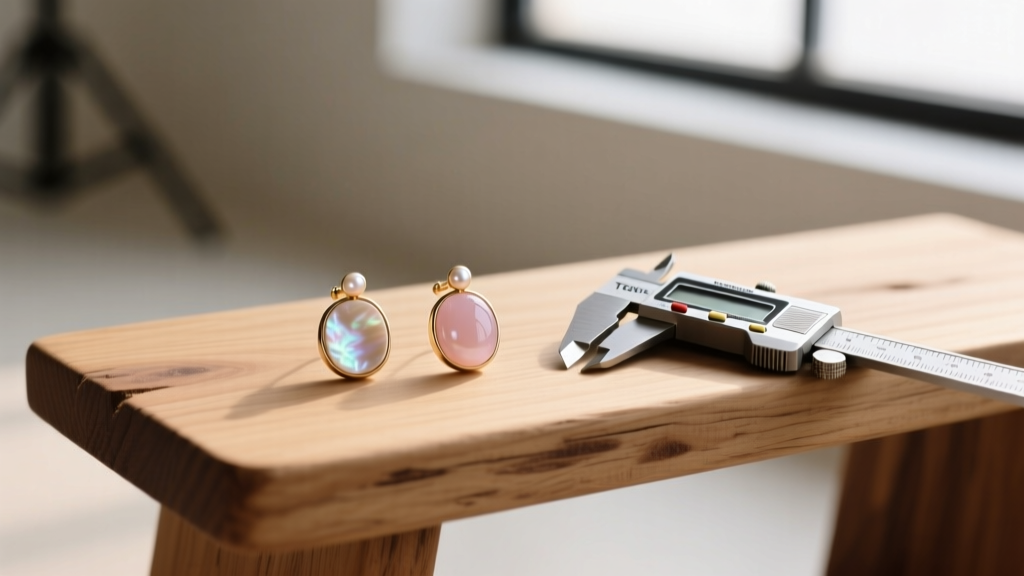
TOUS frequently incorporates opaque and semi-opaque gemstones into their bear motifs, most notably onyx, mother-of-pearl (MOP), rose quartz, and malachite. Understanding the Gemological Institute of America (GIA) hardness scales is critical for maintaining these specific inlays. Onyx and rose quartz rank at a 7 on the Mohs scale, making them highly resistant to scratching from daily wear. However, MOP (2.5-4.5) and malachite (3.5-4) are significantly softer and prone to micro-abrasions if stored loosely with harder metals.
Caring for Mixed-Material Inlays
The most catastrophic failure mode for TOUS inlay earrings is the use of ultrasonic cleaners. TOUS utilizes a combination of mechanical bezel settings and specialized jeweler's epoxy to secure these cabochon stones. Ultrasonic vibrations will shatter the crystalline structure of MOP and degrade the adhesive bond, causing the stone to delaminate and fall out. According to TOUS official care guidelines, mixed-material earrings should only be cleaned using a soft, lint-free microfiber cloth and, if necessary, a mild, non-chemical soap solution applied with a damp cotton swab. Never use silver dip solutions on pieces featuring MOP or malachite, as the harsh acids will permanently etch the surface of the organic and porous stones.
Long-Term Wear and Prong Maintenance
For TOUS earrings featuring diamond pavé, the settings require periodic inspection. The brand typically uses micro-prong settings to maximize light return on the bear's body. Over time, friction from hair and clothing can wear down these microscopic prongs. We recommend having a professional jeweler inspect the pavé settings every 18 months. If the piece is crafted in 18k white gold, the rhodium plating will naturally wear away to reveal the slightly yellowish undertone of the white gold alloy. A professional re-rhodium plating every two to three years will restore the bright, reflective white finish and ensure the prongs remain visually seamless against the diamonds.
Ultimately, TOUS earrings represent a masterclass in balancing whimsical design with rigorous material science. By understanding the specific gauge requirements, vermeil standards, and gemological vulnerabilities of these pieces, owners can ensure their jewelry remains structurally sound and visually pristine for generations.


