What to Do If Your Earring Is Infected: A Step-by-Step Healing Guide
Learn exactly what to do if your earring is infected. Discover step-by-step cleaning routines, safe jewelry materials, and when to see a doctor.

Recognizing the Difference: Irritation vs. True Infection
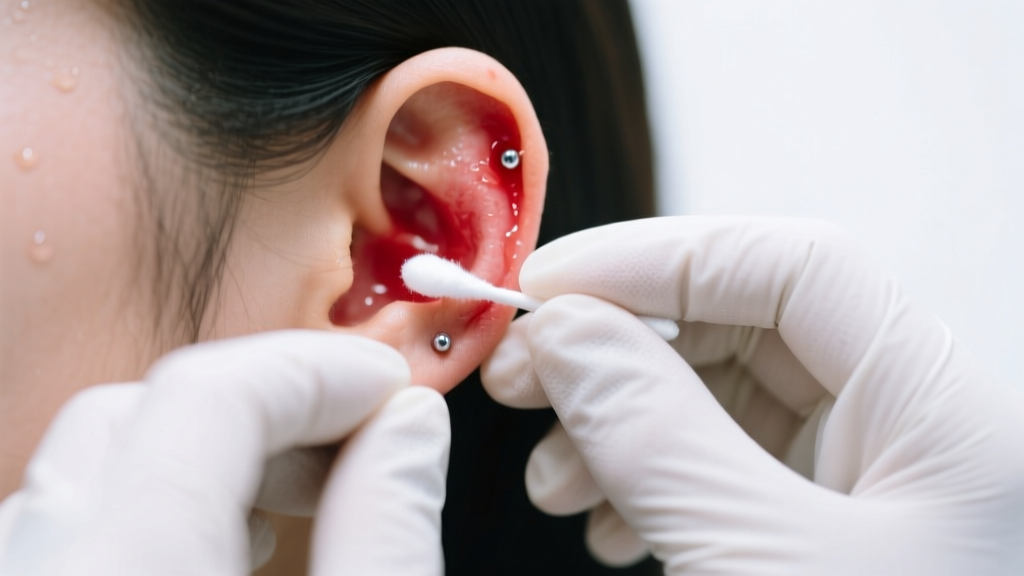
When redness, swelling, and crusting appear around a new or old piercing, panic often sets in. However, before you search for what to do if your earring is infected, it is critical to understand that up to 90% of suspected piercing infections are actually localized irritation or contact dermatitis. According to the Association of Professional Piercers (APP), true bacterial infections are relatively rare when proper aftercare is followed, but they require immediate, specific interventions when they do occur.
Irritation bumps (often mistaken for infections) are typically caused by pressure from sleeping on the piercing, improper jewelry angles, harsh chemical cleaners, or jewelry that is too long and snags. True infections, usually caused by Staphylococcus aureus or Pseudomonas aeruginosa, present with escalating, systemic, or spreading symptoms.
Triage Checklist: Is It Irritation or Infection?
- Irritation Signs: Clear or pale white lymph fluid (crusties), localized bump directly adjacent to the hole, mild itching, and tenderness only when touched.
- Infection Signs: Thick yellow, green, or gray pus, radiating heat, spreading redness (erythema) beyond the immediate piercing site, throbbing pain, and systemic symptoms like fever or chills.
Step-by-Step: What to Do If Your Earring Is Infected
If your symptoms align with a true bacterial infection, follow this clinical aftercare protocol to manage the bacteria, reduce inflammation, and protect the tissue.
Step 1: Leave the Jewelry In (Usually)
The most common mistake people make when asking what to do if your earring is infected is immediately removing the jewelry. If you remove the earring, the surface tissue of the fistula (the piercing channel) can rapidly close over the infection. This traps the bacteria inside, creating an enclosed abscess that requires surgical drainage. Leave the jewelry in to act as a drain for the pus and fluid. The only exception is if you are experiencing a severe allergic reaction (e.g., to nickel) or if a medical doctor explicitly instructs you to remove it.
Step 2: Switch to Sterile 0.9% Saline Wound Wash
Stop using all homemade sea salt soaks, antibacterial soaps, and essential oils. You need a sterile, isotonic 0.9% sodium chloride solution. Purchase a pressurized can of sterile wound wash (brands like NeilMed or H2Ocean). Spray the front and back of the earlobe or cartilage generously twice a day. The mechanical action of the spray helps flush out debris and bacteria without the need to touch or rotate the jewelry, which can tear fragile healing tissue.
Step 3: Apply Warm Compresses for Cartilage Drainage
For cartilage piercings (like the helix, tragus, or conch), blood flow is naturally limited. To encourage the immune system to fight the infection, soak a sterile non-woven gauze pad in warm (not hot) sterile saline and hold it against the area for 5 to 10 minutes. This increases localized vasodilation, bringing white blood cells to the area and helping to soften and drain crusted exudate.
Step 4: Avoid Tissue-Destroying Chemicals
Never apply rubbing alcohol, hydrogen peroxide, tea tree oil, or Neosporin to an infected piercing. Hydrogen peroxide and alcohol are cytotoxic; they destroy fibroblasts, the exact cells your body needs to rebuild the fistula wall. Ointments like Neosporin or Bacitracin create an occlusive barrier that traps moisture and anaerobic bacteria, worsening the infection and suffocating the wound.
Step 5: Accommodate Swelling with Proper Gauge and Length
Infections cause massive localized edema (swelling). If your current earring post is too short, it will embed into the flesh, cutting off circulation and creating a medical emergency. Visit a professional piercer immediately to have the jewelry swapped to a longer post. Furthermore, if you were pierced at a thin gauge (like 20g or 18g), the jewelry can act like a cheese wire cutting through swollen tissue. Upsizing to a 16g or 14g implant-grade post distributes the pressure and prevents migration.
Material Matters: Upgrading to Hypoallergenic Jewelry
A massive percentage of piercing complications stem from reactive metals. If your earring is infected, the underlying cause may be a nickel allergy compromising the skin barrier, allowing opportunistic bacteria to enter. You must upgrade to verified, implant-grade materials.
| Material Grade | Biocompatibility | Verdict for Infected Piercings |
|---|---|---|
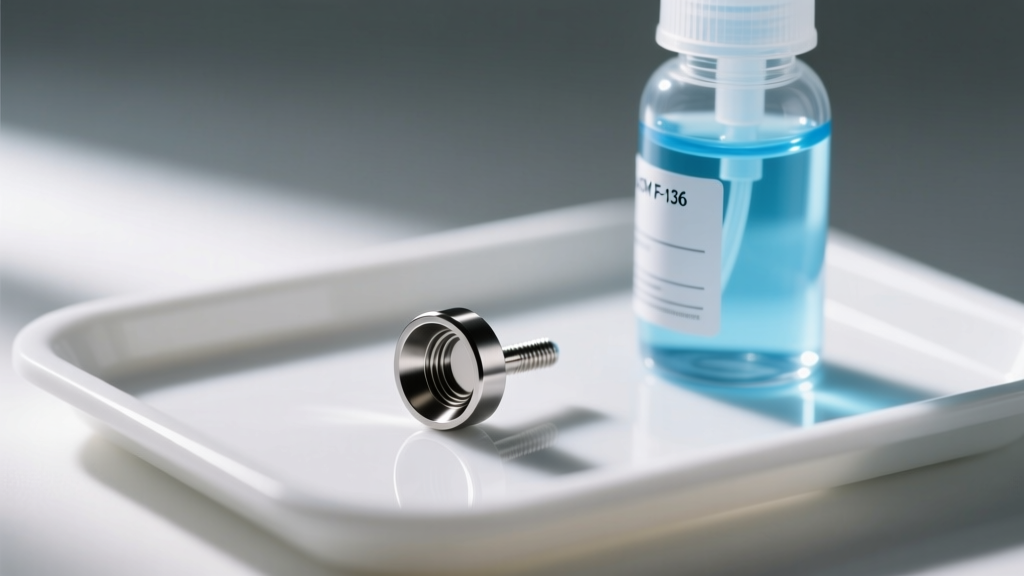
| ASTM F-136 Titanium | Highly biocompatible, non-porous, nickel-free, forms a passive oxide layer. | Best Choice. The gold standard for healing and infected tissue. |
| ASTM F-67 Niobium | Hypoallergenic, highly polishable, reactive to fewer elements. | Excellent Alternative. Safe for those with extreme metal sensitivities. |
| Solid 14k/18k Gold | Biocompatible if alloyed correctly (palladium/silver, no nickel). | Conditional. Safe only if verified nickel-free; avoid plated gold. |
| "Surgical Steel" | Contains nickel, porous surface at a microscopic level. | Avoid Completely. High risk of contact dermatitis and bacterial harboring. |
Lobe vs. Cartilage Infections: Why Location Dictates Urgency
The anatomical location of your piercing drastically changes the risk profile and the required medical response.
Earlobe Infections
The earlobe is highly vascular, meaning it has a robust blood supply. This allows the body to deliver white blood cells and systemic antibiotics to the area efficiently. Lobe infections, while painful, rarely lead to permanent tissue damage if treated promptly with warm compresses, saline, and over-the-counter antibiotic ointments (applied only on the surface, not inside the hole) as directed by a physician.
Cartilage Infections (Perichondritis)
Cartilage is avascular; it receives no direct blood supply and relies entirely on the perichondrium (the tissue membrane wrapping the cartilage) for nutrients and immune defense. According to the Cleveland Clinic, an infection here can rapidly develop into perichondritis or chondritis. If Pseudomonas aeruginosa infects the cartilage, it can cause tissue necrosis (death) within days, leading to permanent structural collapse known as "cauliflower ear." Cartilage infections almost always require prescription oral antibiotics, specifically fluoroquinolones like ciprofloxacin, which target cartilage-specific bacteria.
When to Seek Professional Medical Intervention
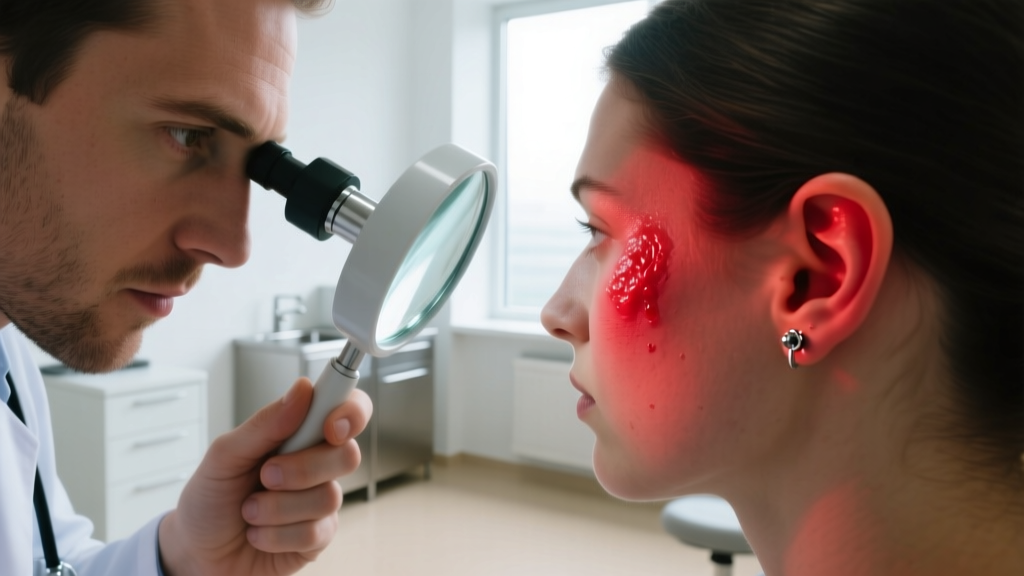
While professional piercers are experts in anatomy, jewelry, and aftercare, they are not licensed medical doctors. You must cross the threshold from piercer to physician when specific red-flag symptoms appear. The Mayo Clinic advises seeking immediate emergency or urgent care if you experience any of the following:
Medical Red Flags: Red streaks radiating outward from the piercing site (a sign of lymphangitis or blood poisoning), a fever exceeding 100.4°F (38°C), severe facial swelling, jewelry that has completely embedded beneath the skin, or cartilage that feels hot, rigid, and deeply painful to the touch.
If you require oral antibiotics, inform the prescribing doctor that you have a piercing. They may need to make a small incision to drain an abscess, a procedure that should only be done in a sterile clinical environment.
Preventative Aftercare for Future Piercings
Once the infection has cleared and the fistula has stabilized, maintaining the health of the piercing requires long-term vigilance. Always wash your hands with antimicrobial soap before touching your ears. Avoid sleeping on fresh piercings by using a specialized travel neck pillow, placing your ear in the center hole to eliminate lateral pressure. Finally, never use piercing guns, which utilize blunt force trauma and cannot be properly sterilized in an autoclave, drastically increasing the risk of introducing pathogens deep into the tissue.


