Ultimate Care: Trinity Earrings Kate Middleton Wears
Discover expert cleaning and maintenance tips for the iconic Trinity earrings Kate Middleton wears, preserving their 18k gold and interlocking joints.

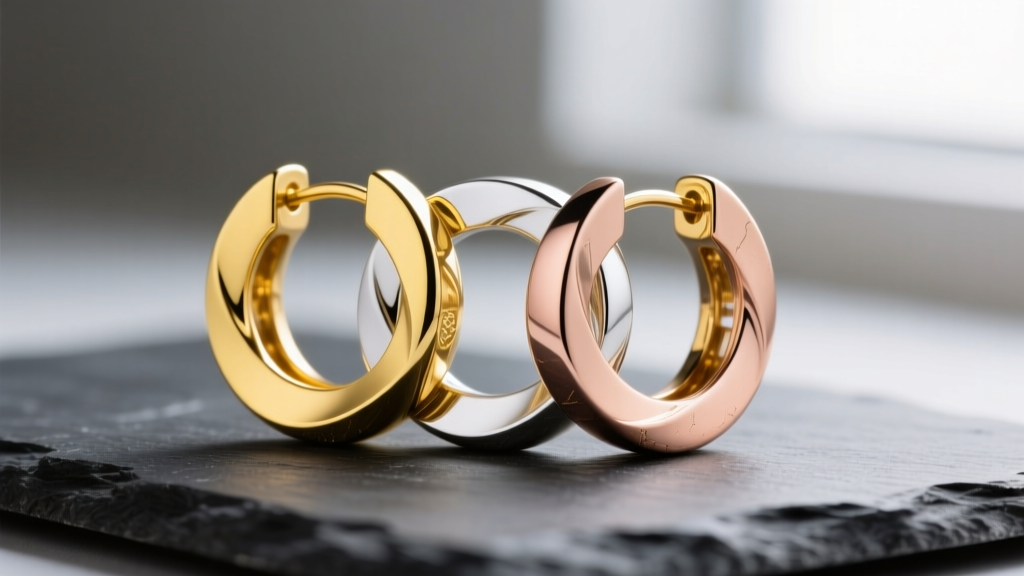
The Princess of Wales has long been a global arbiter of elegant, understated jewelry, and the iconic Trinity earrings Kate Middleton wears have become a staple of her royal wardrobe. Originally designed by Louis Cartier in 1924, the Trinity collection is defined by its three interlocking bands of yellow, white, and rose gold. While these earrings project an effortless grace, their unique mechanical structure—three independent rings moving freely against one another—creates specific micro-environments where dirt, oils, and friction can compromise the metals over time.
Caring for interlocking jewelry requires a vastly different approach than cleaning standard studs or solid hoops. In this comprehensive guide, we break down the exact metallurgical properties of the Trinity collection, outline a meticulous cleaning protocol, and explain how to mitigate the inevitable friction wear that plagues multi-ring designs.
The Metallurgy of the Trinity: Why Care is Complex
To properly maintain the Trinity earrings Kate Middleton favors, one must first understand the specific 18k gold alloys Cartier utilizes. According to the Gemological Institute of America (GIA), 18k gold consists of 75% pure gold and 25% alloy metals. It is this 25% that dictates the color, durability, and specific care requirements of each ring:
- 18k Yellow Gold: Alloyed with roughly equal parts silver and copper. It is the most stable of the three and highly resistant to tarnish, though it can accumulate a dulling film of sebum and cosmetics.
- 18k Rose Gold: Contains a higher copper content (up to 22.25%) to achieve its warm, pinkish hue. Copper is highly reactive to oxygen, moisture, and chlorine, making the rose gold ring the most susceptible to surface oxidation and darkening.
- 18k White Gold: Alloyed with palladium or nickel and plated with a microscopic layer of rhodium (typically 0.75 to 1.0 microns thick) to achieve a bright, silvery finish. This rhodium layer is sacrificial and will wear away over time, especially at high-friction contact points.
Because the three rings are chemically distinct, applying harsh, one-size-fits-all chemical dips can strip the rhodium from the white gold or accelerate the oxidation of the copper in the rose gold.
Step-by-Step Cleaning Protocol for Interlocking Rings
The primary challenge with the Trinity design is the inner seam where the rings overlap and slide against each other. Dead skin cells, lotion, and environmental dust become compacted in these crevices, acting as an abrasive paste that accelerates metal wear. Follow this precise cleaning routine to safely extract debris without damaging the gold.
1. The Soaking Phase
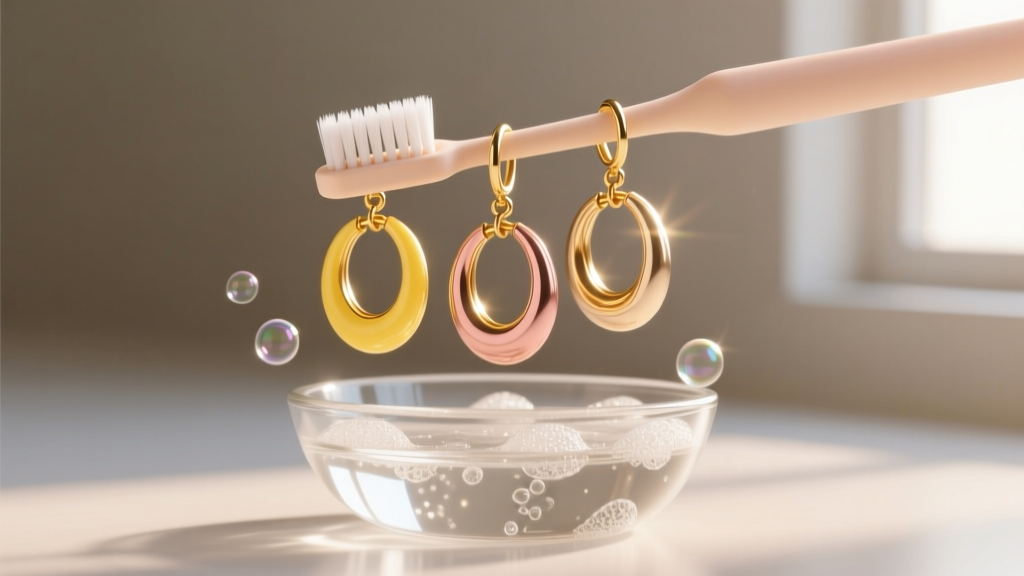
Mix a solution of 1 part mild, phosphate-free dish soap (such as Dawn) to 10 parts lukewarm distilled water. Avoid tap water, as dissolved minerals like calcium and magnesium can leave microscopic hard-water spots on the high-polish gold. Submerge the earrings for exactly 15 minutes. This specific duration is long enough to soften compacted sebum but short enough to prevent any moisture from lingering near the earring post mechanisms.
2. Targeted Agitation
Remove the earrings and use an extra-soft baby toothbrush (with bristles measuring 0.1mm or less). Do not use standard toothbrushes or toothpaste; toothpaste contains silica abrasives with a Relative Dentin Abrasivity (RDA) score that will inflict micro-scratches on 18k gold. Gently work the bristles into the overlapping joints, moving the rings back and forth to expose the hidden inner surfaces. Pay special attention to the earring posts and butterfly backs, where hair products frequently accumulate.
3. The Distilled Rinse and Dry
Rinse the earrings thoroughly under a gentle stream of distilled water. Immediately pat them dry with a lint-free microfiber cloth. Do not air-dry, as evaporation will leave watermarks. Use a wooden toothpick or a soft interdental brush to gently dislodge any remaining stubborn particles from the tightest intersections.
Friction Wear and Rhodium Depletion
The defining feature of the Trinity earrings—the freely moving rings—is also their greatest vulnerability. Every time the earrings are put on, taken off, or simply move with the wearer's jawline, the three bands rub against one another. Over a decade of daily wear, this continuous metal-on-metal friction can result in up to 0.5mm of material loss at the contact points.
The White Gold Rhodium Factor
The friction is most visually apparent on the white gold ring. As the rings slide, the rhodium plating on the inner edges will wear away much faster than on the outer faces, revealing the slightly yellowish tint of the underlying white gold alloy. This is not a defect, but a natural consequence of the design. While you can have a jeweler re-plate the white gold ring, doing so requires temporarily cutting or separating the rings, a complex procedure that should only be performed by a certified Cartier artisan.
A Warning Against Ultrasonic Cleaners
While ultrasonic cleaners are excellent for many jewelry types, they are strongly discouraged for the pavé diamond versions of the Trinity earrings. The high-frequency vibrations (typically 40 kHz) can easily loosen the micro-prongs holding the brilliant-cut diamonds, leading to stone loss. For classic plain-gold Trinity hoops, ultrasonics are safe but largely unnecessary if the manual soaking protocol is followed regularly.
Maintaining the Earring Posts and Backings
Kate Middleton frequently wears the Trinity hoops and drop variations, which rely on secure post-and-clutch or screw-back mechanisms. The structural integrity of these findings is paramount for high-value jewelry.
- Push-Pull Backs (Butterfly Clutches): The tiny holes in the clutch can harbor bacteria and debris. Use a can of compressed air to blow out the clutch holes monthly. If the clutch becomes loose and slides down the post too easily, it must be replaced immediately to prevent the loss of the earring.
- Screw-Back Mechanisms: If your Trinity earrings feature screw-backs for added security, never force the threading. Cross-threading will permanently ruin the post. Clean the threads with a soft brush and a drop of mineral oil to ensure smooth operation.
Storage Solutions to Prevent Micro-Scratches
Improper storage is a leading cause of unnecessary wear. Tossing interlocking earrings into a communal jewelry box allows the gold to knock against harder gemstones (like diamonds or sapphires from other pieces), which will easily scratch the 18k gold. Furthermore, leaving the earrings exposed to ambient air accelerates the oxidation of the copper in the rose gold band.
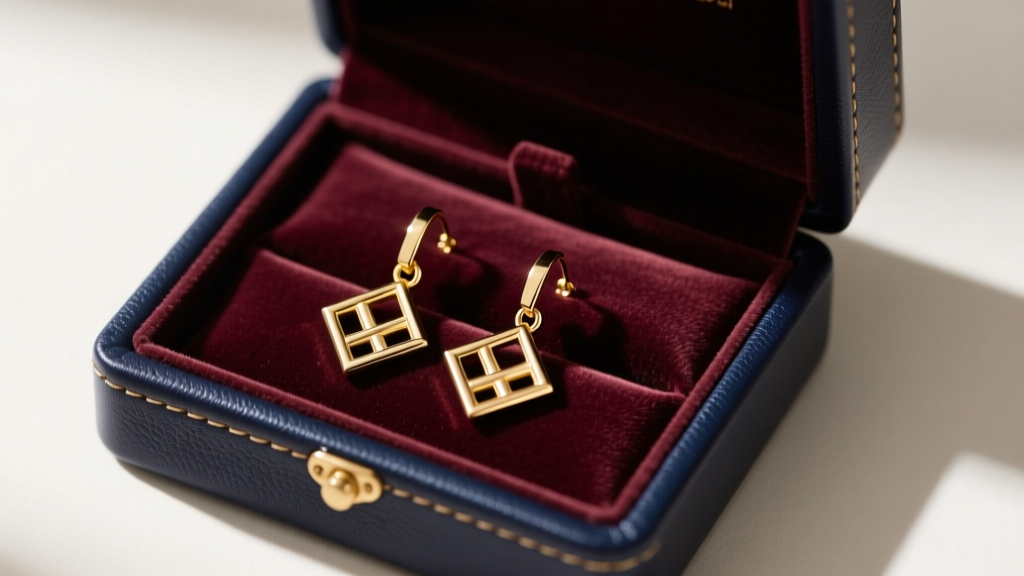
Store your Trinity earrings in their original Cartier presentation box, or in a dedicated, soft-lined velvet pouch. Ensure the three rings are loosely grouped together rather than pulled taut, which can cause them to bind. If you live in a highly humid climate, place a small silica gel desiccant packet in the storage compartment to control moisture and protect the rose gold alloy.
Maintenance Matrix: Your Care Schedule
Consistency is the key to preserving the luster and structural integrity of interlocking gold jewelry. Refer to the following schedule to maintain the pristine condition of the Trinity earrings Kate Middleton wears.
| Frequency | Action Required | Tools Needed |
|---|---|---|
| Daily | Wipe down with a clean, dry microfiber cloth after wearing to remove skin oils and perfume residue. | Lint-free microfiber cloth |
| Bi-Weekly | Perform the full 15-minute distilled water and mild soap soak, followed by gentle brushing of the interlocking seams. | Distilled water, mild soap, baby toothbrush |
| Monthly | Inspect the earring posts, clutches, and screw-backs for looseness. Clear debris from clutch holes with compressed air. | Compressed air, magnifying loupe |
| Annually | Professional inspection by a certified jeweler to check for excessive friction wear, structural thinning, and rhodium depletion. | N/A (Professional Service) |
When to Seek Professional Cartier Servicing
While meticulous at-home care will preserve the finish of your earrings, certain issues require the expertise of the maison. According to Cartier's official care guidelines, you should seek professional servicing if you notice any of the following:
- Binding or Stiffness: If the interlocking rings no longer glide smoothly and feel stiff or 'catch' on one another, the cross-section of the gold may have warped due to impact or severe friction wear. A jeweler can carefully re-round the bands using a mandrel.
- Deep Scratches or Dents: Do not attempt to buff out deep scratches yourself. Over-polishing removes layers of gold; excessive polishing over the years will alter the circular geometry of the rings, causing them to lose their perfect interlocking drape.
- Severe Rose Gold Discoloration: If the rose gold ring has developed a dark, stubborn patina that does not lift with soapy water, it requires a professional electrochemical cleaning to safely reverse the copper oxidation without damaging the adjacent yellow and white gold bands.
By adhering to this rigorous maintenance protocol, you ensure that your interlocking gold earrings remain as luminous and structurally sound as the day they were crafted, honoring the timeless elegance that makes them a royal favorite.


