Troubleshooting 18ct Gold Earrings: Allergies, Bending & Tarnish
Fix common issues with 18ct gold earrings. Expert troubleshooting for nickel allergies, bending posts, and tarnish, plus alloy guides and care tips.

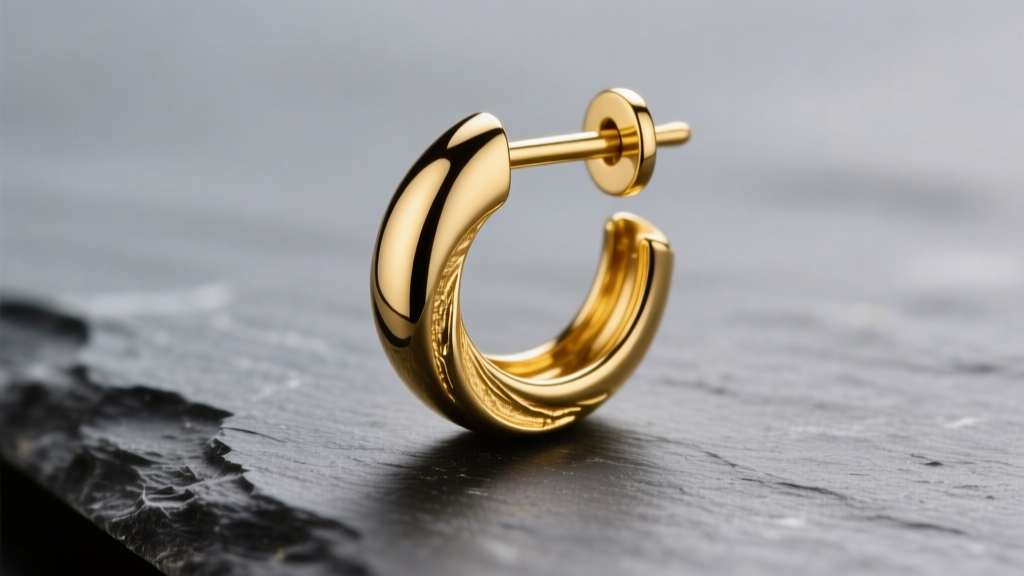
Investing in 18ct gold earrings is a hallmark of fine jewelry appreciation. With its rich, warm luster and high precious metal content, 18ct (or 18k) gold is a premium choice for both everyday studs and statement cartilage pieces. However, despite its luxury status, 18ct gold is not immune to structural and chemical vulnerabilities. Many wearers are caught off guard when their premium earrings cause skin irritation, bend out of shape, or develop unexpected discoloration.
As a domain expert in jewelry metallurgy and piercing aftercare, I see these issues daily. The root cause almost always traces back to a misunderstanding of alloy composition and metal hardness. This comprehensive troubleshooting guide will help you diagnose, fix, and prevent the most common failures associated with 18ct gold earrings.
The 75% Reality: Why Your 18ct Gold Earrings Are Failing
To troubleshoot effectively, you must first understand what 18ct gold actually is. Pure 24ct gold is entirely hypoallergenic and highly resistant to tarnish, but it is far too soft for jewelry. To create 18ct gold, jewelers mix 75% pure gold with 25% alloy metals (often stamped as '750').
According to the World Gold Council, this 25% alloy matrix is what gives the metal its color and structural integrity, but it is also the source of nearly all consumer complaints. When your 18ct gold earrings fail, it is rarely the gold causing the issue; it is the copper, silver, zinc, nickel, or palladium mixed into the alloy. Understanding which specific alloy is in your earrings is the first step in solving your problem.
Troubleshooting Contact Dermatitis and 'Gold' Allergies
If your earlobes or cartilage become itchy, red, or weeping after wearing 18ct gold earrings, you are likely experiencing allergic contact dermatitis. True gold allergies are exceptionally rare; the culprit is almost always the alloy.
The White Gold and Nickel Problem
18ct white gold is the most frequent offender. To achieve a silvery color, pure gold is alloyed with white metals. Historically, nickel was the primary bleaching agent. Nickel is a potent sensitizer, and prolonged exposure can trigger severe allergic reactions. While the EU Nickel Directive strictly regulates nickel release in jewelry, vintage pieces, or earrings manufactured outside strict regulatory zones may still contain high nickel levels.
Expert Insight: Most modern 18ct white gold is rhodium-plated to enhance its bright white appearance. If you develop an allergy to earrings you have worn safely for years, the rhodium plating on the post or earring back has likely worn away, exposing the nickel-rich alloy beneath to your skin.
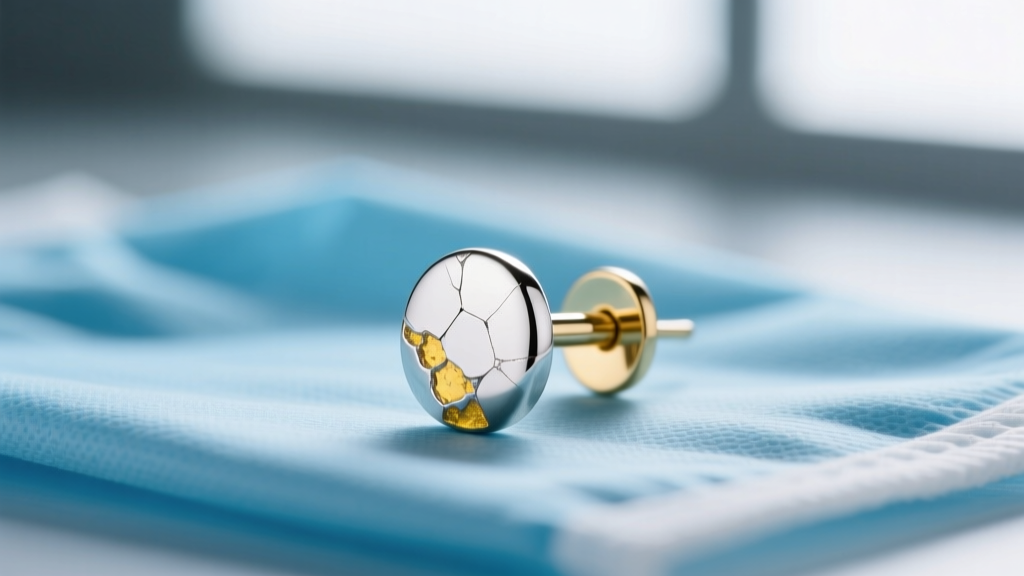
Copper and Silver Reactions in Yellow and Rose Gold
If you are reacting to 18ct yellow or rose gold, the issue is usually copper or silver. Rose gold contains a high percentage of copper (up to 22.5% in some 18ct formulations) to achieve its pink hue. While copper allergies are less common than nickel allergies, copper can oxidize on the skin, leaving a harmless but alarming green residue. If you suspect a metal allergy, the American Academy of Dermatology (AAD) recommends patch testing and switching to implant-grade titanium or platinum posts.
Structural Failures: Bending Posts and Warped Hoops
A frequent complaint is that 18ct gold earring posts bend easily, or thin 18ct hoops warp when snagged on clothing. This is a matter of metallurgical hardness. On the Vickers Hardness (HV) scale, cast 18ct yellow gold sits at approximately 125 HV, making it noticeably softer than 14ct gold (approx. 140 HV) or 9ct gold.
Gauge Size and Hardness Matrix
To prevent bending, you must match the earring's gauge (thickness) to the metal's hardness and the piercing's location. Cartilage piercings require thicker, harder metals due to the density of the tissue and higher risk of snagging.
| Alloy Type | Vickers Hardness (HV) | Minimum Recommended Gauge | Best Piercing Application |
|---|---|---|---|
| 18ct Yellow Gold (Cast) | ~125 HV | 18g (1.02mm) | Standard Lobe |
| 18ct White Gold (Cast) | ~135 HV | 18g (1.02mm) | Lobe / Upper Lobe |
| 18ct Gold (Die-Struck) | ~150 HV | 20g (0.81mm) | Lobe / Light Cartilage |
| 14ct Yellow Gold | ~140 HV | 20g (0.81mm) | Lobe / Cartilage |
| Platinum 950 | ~130 HV (High Tensile) | 20g (0.81mm) | All Piercings |
How to Straighten a Bent 18ct Post
If your 18ct post is bent, do not use standard steel jewelry pliers, as they will mar the soft gold. Instead, use nylon-jaw pliers. Grip the post firmly at the base of the bend and apply slow, steady pressure. If the post has been bent and straightened multiple times, it will suffer from work-hardening and become brittle. At this point, it must be annealed by a professional jeweler or replaced entirely.
The Tarnish Myth and the Chlorine Danger
Pure gold does not tarnish, but the 25% alloy in your 18ct earrings certainly can. If your 18ct yellow gold looks dull or your rose gold is developing a dark patina, you are witnessing alloy oxidation.
Chemical Triggers and Stress Corrosion
- Sulfur and Cosmetics: Silver alloys in yellow gold react with sulfur in the air, lotions, and perfumes, creating a dull, dark film.
- Copper Oxidation: High-copper rose gold can develop verdigris (a green/brown crust) when exposed to moisture and skin acids over time.
- The Chlorine Threat (Critical): Chlorine is the ultimate enemy of 18ct gold. Exposure to swimming pools, hot tubs, or household bleach causes 'stress corrosion cracking.' The chlorine aggressively attacks the copper and zinc in the alloy matrix, literally dissolving the structural bonds. This can cause prongs to snap and earring posts to shear off cleanly without warning.
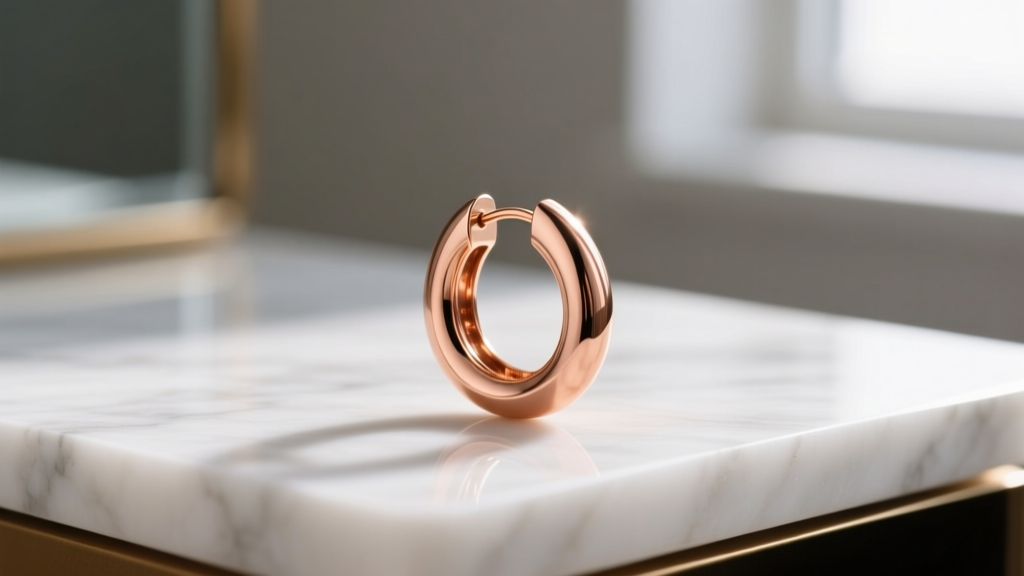
Safe Cleaning Protocol
To remove tarnish without damaging the gold, avoid harsh chemical dips. Create a solution of warm water and a few drops of phosphate-free dish soap. Soak the earrings for 15 minutes, then gently agitate with an extra-soft baby toothbrush. Rinse with distilled water and dry with a lint-free microfiber cloth. For severe oxidation, a professional ultrasonic cleaning by a certified jeweler is required, though ultrasonics should never be used on 18ct earrings set with emeralds, opals, or pearls.
The Ultimate 18ct Diagnostic Checklist
Before taking your 18ct gold earrings to a repair bench, run through this diagnostic checklist to pinpoint the exact failure mode:
- Check the Stamp: Verify the '750' or '18ct' hallmark. If it's missing, the piece may be gold-plated brass, which explains rapid tarnishing and severe allergies.
- Inspect the Post Wear: Look at the earring post under a 10x jeweler's loupe. If you see a yellowish tint beneath a white post, the rhodium plating has worn off, exposing a potentially allergenic white gold alloy.
- Assess the Piercing Location: If an 18ct 20-gauge post keeps bending in a helix or tragus piercing, the metal is too soft for the application. Ask a bench jeweler to laser-weld a thicker 16-gauge titanium post to your 18ct gold head.
- Evaluate Chemical Exposure: If the earring post feels brittle or shows microscopic cracking near the base, it has likely suffered chlorine damage and must be replaced immediately to prevent losing the earring.
By understanding the metallurgical realities of 750 gold, you can transition from frustrated consumer to informed collector. For deeper insights into precious metal compositions and grading, consult the educational resources provided by the Gemological Institute of America (GIA). Proper care, correct gauge selection, and chemical awareness will ensure your 18ct gold earrings remain a lifelong staple in your jewelry rotation.


