Troubleshooting Fading and Damage in Brown Stone Earrings
Discover expert troubleshooting tips for brown stone earrings. Learn how to fix fading, clean porous gems, and prevent setting damage.

The Gemological Vulnerabilities of Brown Gemstones
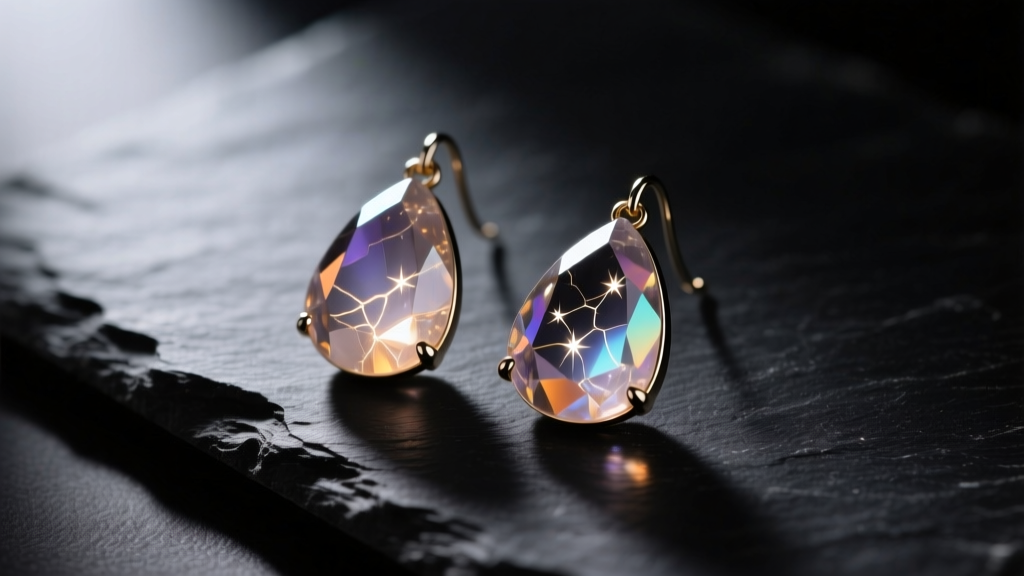
Brown stone earrings offer an earthy, sophisticated elegance that bridges the gap between casual bohemian styles and high-end fine jewelry. However, popular brown gemstones—ranging from smoky quartz and tiger's eye to cognac zircon and brown agate—present unique lapidary and gemological challenges. Unlike diamonds or sapphires, many brown stones possess specific structural vulnerabilities, including UV sensitivity, fibrous inclusions, and high porosity. When your favorite pair begins to look dull, cloudy, or structurally compromised, understanding the mineralogy behind the damage is the first step toward effective troubleshooting.
According to the Gemological Institute of America (GIA), the Mohs hardness scale is only one factor in a stone's durability. Toughness (resistance to breaking) and stability (resistance to chemicals and light) are equally critical. In this guide, we will diagnose the most common failure modes in brown stone earrings and provide actionable, professional-grade solutions to restore and protect them.
Troubleshooting Color Fading and Clouding
Smoky Quartz: The UV Degradation Problem
Smoky quartz derives its rich brown, espresso, and grayish-black hues from natural irradiation creating color centers within the crystal lattice. A common complaint among wearers is that their smoky quartz earrings gradually lose their depth, turning a washed-out gray or even clear. This is caused by prolonged exposure to ultraviolet (UV) radiation. If you frequently wear your earrings outdoors or store them on a sunlit vanity, the UV rays disrupt the color centers. The Fix: Unfortunately, UV fading in smoky quartz is irreversible at home. To prevent this, always store smoky quartz jewelry in a lined, opaque box. If the stone has completely faded, a professional lapidary can sometimes re-irradiate the stone, though this is cost-prohibitive for most commercial earrings.
Tiger's Eye: Clouding from Micro-Fissure Infiltration
Tiger's eye is a pseudomorph of quartz after crocidolite, meaning it retains a fibrous, banded structure. This fibrous nature creates microscopic surface fissures. Over time, skin oils, heavy lotions, and hairspray infiltrate these micro-fissures, causing the stone's signature chatoyancy (the 'cat's eye' effect) to look cloudy and flat. The Fix: Do not use ultrasonic cleaners, as the high-frequency cavitation can fracture the fibrous bands. Instead, soak the earrings in a solution of warm water and a few drops of mild, ammonia-free dish soap (like Dawn) for 10 minutes. Gently agitate with a baby-soft toothbrush, rinse in distilled water, and dry immediately with a microfiber cloth to prevent water spotting.

Fixing Loose Settings and Prong Failures
The setting of a brown stone earring dictates its longevity. Many mass-produced earrings use standard four-prong settings for all gemstones, ignoring the specific cleavage and brittleness of brown gems. Cognac zircon, for instance, is highly prized for its diamond-like dispersion but is notoriously brittle. Prong settings leave the girdle (the widest edge of the stone) exposed, making it highly susceptible to chipping from minor impacts against hard surfaces.
Matching the Setting to the Stone's Toughness
If you are experiencing frequent stone loss or chipped edges, the setting type is likely the culprit. Below is a troubleshooting matrix to help you identify whether your earrings require a setting upgrade by a professional jeweler.
| Brown Gemstone | Mohs Hardness | Primary Risk Factor | Ideal Earring Setting |
|---|---|---|---|
| Smoky Quartz | 7.0 | Hard impacts, cleavage | Bezel or Semi-Bezel |
| Tiger's Eye | 7.0 | Fibrous splitting, chemical erosion | Full Bezel (protects edges) |
| Cognac Zircon | 6.5 - 7.5 | Extreme brittleness, facet abrasion | V-Prong or Bezel |
| Brown Agate (Dyed) | 6.5 - 7.0 | Porosity, dye bleeding | Flush or Bezel |
Source: Mineralogical data cross-referenced with Mindat.org databases.
Weight Distribution and Lobe Tearing
Brown stone earrings, particularly large smoky quartz briolettes or polished petrified wood drops, can be exceptionally heavy. A standard 20-gauge (0.8mm) ear wire will slowly slice through the earlobe tissue over time, causing irreversible stretching and tearing. The Troubleshooting Protocol: If your earrings feel heavy, inspect the wire gauge. Upgrade the ear wires to an 18-gauge (1.0mm) or 16-gauge (1.2mm) thickness to distribute the weight over a wider surface area. Additionally, utilize silicone earring backs or specialized support discs (like 'Ear Magic' pads) behind the lobe to bear the load rather than the piercing hole itself.
Identifying and Caring for Dyed Brown Agate
Not all brown stones are naturally colored. Brown agate and jasper are frequently dyed using organic or metallic salts to achieve uniform chocolate, mocha, or deep mahogany tones. A major troubleshooting issue arises when wearers attempt to clean these earrings with harsh chemicals, causing the dye to bleed onto the skin or the metal setting to tarnish rapidly.
The Acetone Swab Test
If you suspect your brown agate earrings are dyed and are experiencing color transfer, perform a discreet spot test. Dip a cotton swab in pure acetone (nail polish remover) and rub it gently against an inconspicuous area of the stone, such as the back of a cabochon. If the swab picks up brown residue, the stone is dyed. Care Instructions: Never expose dyed agate to alcohol, acetone, perfume, or hairspray. Clean only with a damp, untreated cloth. If the dye has already faded unevenly, a lapidary can strip the remaining dye and re-dye the stones uniformly, or you can opt to have them polished to reveal their natural, albeit lighter, banded patterns.
When to Seek Professional Lapidary Repair
While surface dirt and minor setting bends can be managed at home, certain types of damage require professional intervention. You should take your brown stone earrings to a certified gemologist or bench jeweler if you observe:
- Facet Abrasion on Zircon: If the edges where the facets meet on a cognac zircon look white or fuzzy, the stone is suffering from facet abrasion. A jeweler must remove the stone and have a lapidary re-cut and polish the crown.
- Deep Fissures in Tiger's Eye: If a micro-fissure catches on your fingernail, the stone is at risk of cleaving in half. A jeweler can inject a specialized, refractive-index-matched epoxy resin to stabilize the fracture and prevent moisture ingress.
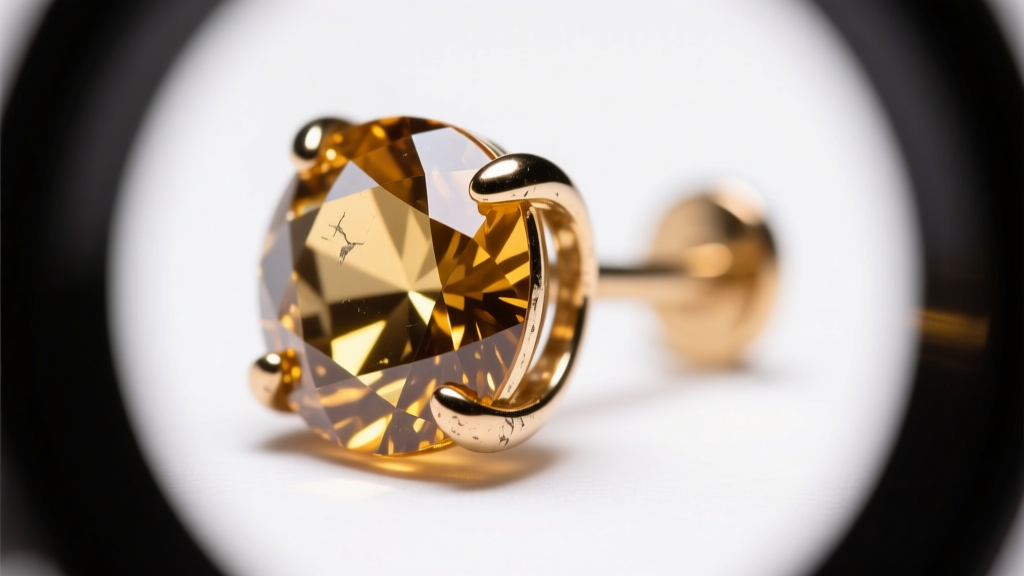
- Prong Wear on Brittle Stones: If the metal prongs holding a brittle brown diamond or zircon are worn thin, do not attempt to push them back down with pliers yourself. The uneven pressure will shatter the stone. A jeweler will use a laser welder to re-tip the prongs without applying mechanical stress to the gem.
Conclusion
Troubleshooting issues with brown stone earrings requires moving beyond generic jewelry care advice and understanding the specific mineral composition of your gems. By protecting smoky quartz from UV light, avoiding ultrasonics for fibrous tiger's eye, upgrading settings for brittle zircon, and managing the weight of heavy briolettes, you can ensure your earth-toned earrings remain vibrant and structurally sound for decades. When in doubt, consult a professional bench jeweler who understands the nuanced lapidary requirements of these unique, naturally beautiful stones.


