Heavy Chunky Turquoise Earrings: Fix Sagging & Spot Fakes
Fix sagging lobes, spot dyed fakes, and prevent cracking in chunky turquoise earrings with our expert troubleshooting guide for heavy statement jewelry.

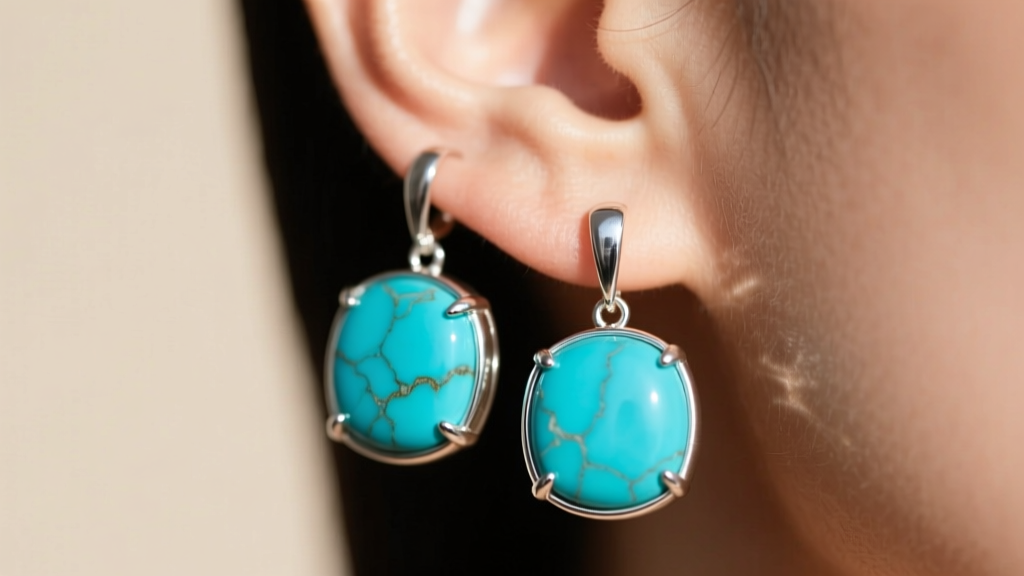
The resurgence of Southwestern and bohemian aesthetics has pushed chunky turquoise earrings back into the forefront of statement jewelry. However, wearing oversized, heavy cabochons presents a unique set of physical and structural challenges. A standard 20mm by 15mm turquoise drop can easily weigh between 25 and 40 grams per ear—far exceeding the 7-to-10-gram comfort threshold of a standard lobe piercing. Beyond the physical toll on your earlobes, the turquoise market is heavily saturated with dyed howlite, reconstituted stone dust, and poorly stabilized gems that degrade rapidly when exposed to everyday cosmetics.
If your statement pieces are causing pain, leaning forward awkwardly, or showing signs of discoloration, this troubleshooting guide will help you diagnose the exact failure points and implement professional-grade solutions.
The Weight Problem: Preventing Lobe Sagging and Tearing
The most common complaint with chunky turquoise earrings is "forward droop." Because turquoise is a dense, heavy copper-aluminum phosphate, large cabochons act as a pendulum, pulling the earring post downward. This not only looks unflattering but causes micro-tears in the fistula (the piercing channel), leading to permanent lobe stretching.
Hardware Upgrades for Heavy Stones
Standard 20-gauge (0.81mm) butterfly friction backs are entirely insufficient for stones over 15 grams. To troubleshoot sagging, you must increase the surface area distributing the weight:
- Jumbo Silicone O-Rings: Swap metal backs for 10mm medical-grade silicone discs. The high-friction surface grips the post and distributes pressure across a wider area of the posterior lobe.
- Omega Backs or Leverbacks: If you are having a jeweler custom-set chunky turquoise, request an Omega clip or a hinged leverback. These styles clamp onto the earlobe itself, bypassing the puncture hole and transferring the 30+ gram load to the cartilage and outer lobe tissue.
- Ear Support Patches: For existing post earrings, apply invisible, adhesive ear support patches (like LobeWonder) behind the ear before inserting the post. The patch's reinforced plastic center prevents the heavy metal post from slicing downward through the skin.
Authenticity Troubleshooting: Spotting Dyed Howlite and Reconstituted Fakes
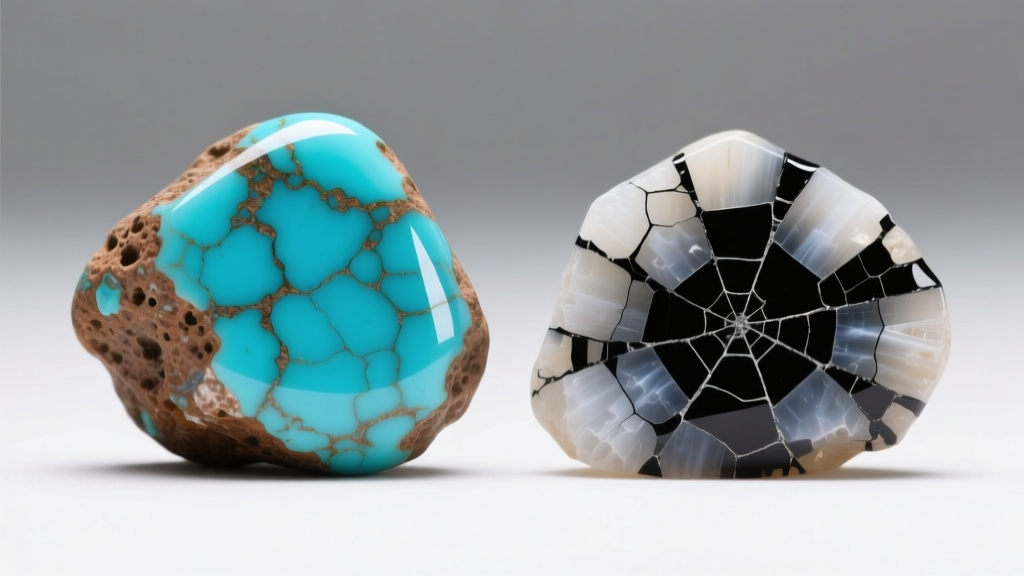
Because high-grade, natural turquoise (like Sleeping Beauty or Number 8) is increasingly rare and expensive, the market is flooded with imitations. If your chunky turquoise earrings cost under $50 for a massive pair, you are likely wearing dyed howlite, magnesite, or reconstituted turquoise dust bound in epoxy.
The Acetone Test
To troubleshoot suspected dyed stones, perform a careful spot test. Dip a cotton swab in pure acetone (nail polish remover) and rub it vigorously on an inconspicuous area of the stone, such as the back or the edge near the bezel. If the cotton swab turns blue or green, the stone is dyed. Note: Do not perform this test on highly polished or wax-sealed natural stones, as it may strip their protective finish.
Material Comparison Chart
| Material | Mohs Hardness | Matrix Appearance | Price Indicator |
|---|---|---|---|
| Natural Turquoise | 5 - 6 | Varied, organic brown/black webbing | $2 - $15+ / carat |
| Dyed Howlite | 3.5 | Uniform, stark, unnatural black veins | Under $1 / carat |
| Reconstituted | 4 - 5 | Blocky, repetitive, unnatural patterns | Mass-produced, very cheap |
| Zachery-Treated | 5.5 - 6 | Natural matrix, enhanced color | Premium, requires disclosure |
According to the Gemological Institute of America (GIA), reconstituted turquoise is created by bonding turquoise fragments or dust with a polymer resin. While it contains real turquoise material, it lacks the structural integrity and value of a solid cabochon and will eventually yellow or crack as the epoxy degrades under UV exposure.
Structural Failures: Glue, Bezels, and Post Breakage
When troubleshooting chunky turquoise earrings that have lost their stones or snapped at the post, the culprit is almost always shear stress. A heavy dangle earring swings as you walk, creating immense torque at the exact point where the post is soldered to the bezel cup.
Diagnosing the Breakage Point
Jeweler's Insight: If the post snaps cleanly off the back of the earring, the original manufacturer likely used basic silver solder on a large surface area without a mechanical interlock. For heavy stones, the post must be inserted through a drilled hole in the backing plate and soldered on both the inside and outside for maximum shear resistance.
If the stone has popped out of the bezel, inspect the inner rim. Mass-produced chunky earrings often rely on industrial epoxy glue rather than a properly burnished metal bezel. Turquoise expands and contracts slightly with temperature changes; rigid epoxy will eventually brittle and fail. A master jeweler can fix this by removing the glue and properly pushing the sterling silver or gold bezel wall over the stone's edge using a bezel pusher and burnisher.
Porosity and Cracking: Chemical Damage Control
Turquoise is a highly porous, hydrous phosphate. It acts like a microscopic sponge, readily absorbing oils, lotions, and chemicals. This is a major failure point for chunky turquoise earrings worn daily.
What is Destroying Your Stones?
If your turquoise is developing a chalky white haze, turning muddy green, or showing surface micro-cracks, it is suffering from chemical exposure and dehydration. The GIA's care guidelines explicitly warn against exposing turquoise to harsh environments.
- Ultrasonic Cleaners: Never use them. The high-frequency vibrations will shatter stabilized turquoise and cause natural stones to fracture along their matrix lines.
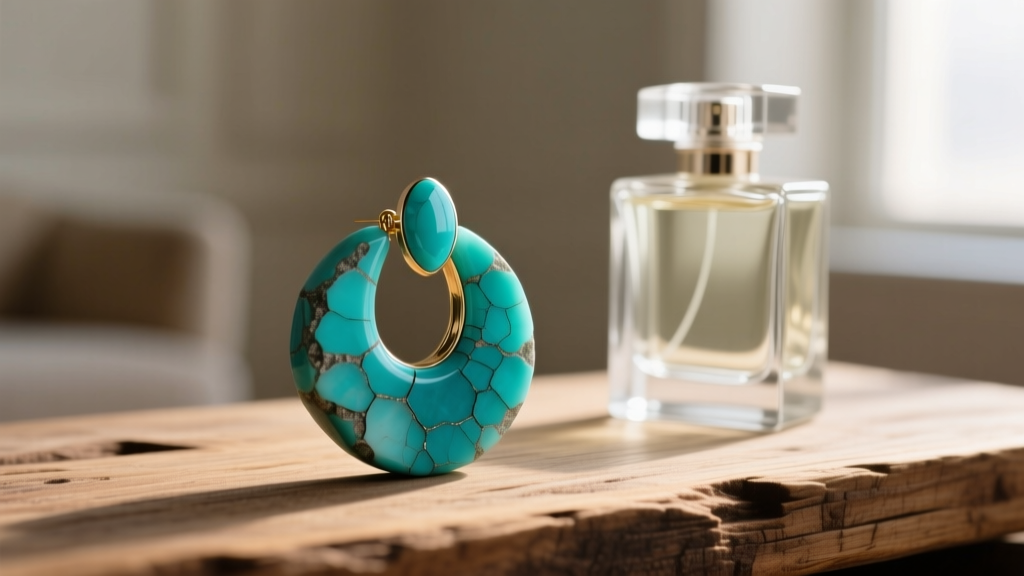
- Perfumes and Hairsprays: Alcohol and aerosol propellants strip the natural waxes and oils from the stone, leaving it brittle and prone to crazing (a network of fine cracks).
- Steam Cleaners: Heat and moisture can alter the color of treated stones and weaken the epoxy used in reconstituted pieces.
The Maintenance Framework for Heavy Statement Pieces
To keep your chunky turquoise earrings structurally sound and visually vibrant for decades, adopt this strict maintenance protocol:
- The "Last On, First Off" Rule: Apply all perfumes, sunscreens, and hair products at least 10 minutes before putting on your earrings. Remove them immediately upon returning home.
- Microfiber Polishing: After every wear, gently wipe the stones with a dry, lint-free microfiber cloth to remove sebum and skin acids. Do not use silver polishing cloths directly on the stone, as the abrasive compounds will scratch the turquoise (Mohs 5-6) while leaving the sterling silver bezel untouched.
- Storage Separation: Store chunky pieces in individual soft pouches. Because turquoise is softer than diamonds, sapphires, and even quartz, tossing them into a communal jewelry box will result in severe surface scratching from harder gems.
By upgrading your earring backs to support the heavy weight, verifying the stone's authenticity, and protecting the porous surface from chemical degradation, you can safely enjoy the bold, artistic impact of chunky turquoise earrings without the physical pain or financial regret of ruined jewelry.


