Iced Out Earrings: Troubleshooting Cloudy Stones & Loose Prongs
Learn how to fix cloudy stones, loose pave settings, and skin irritation in your iced out earrings with our expert troubleshooting guide.

The Anatomy of Failure in Iced Out Jewelry
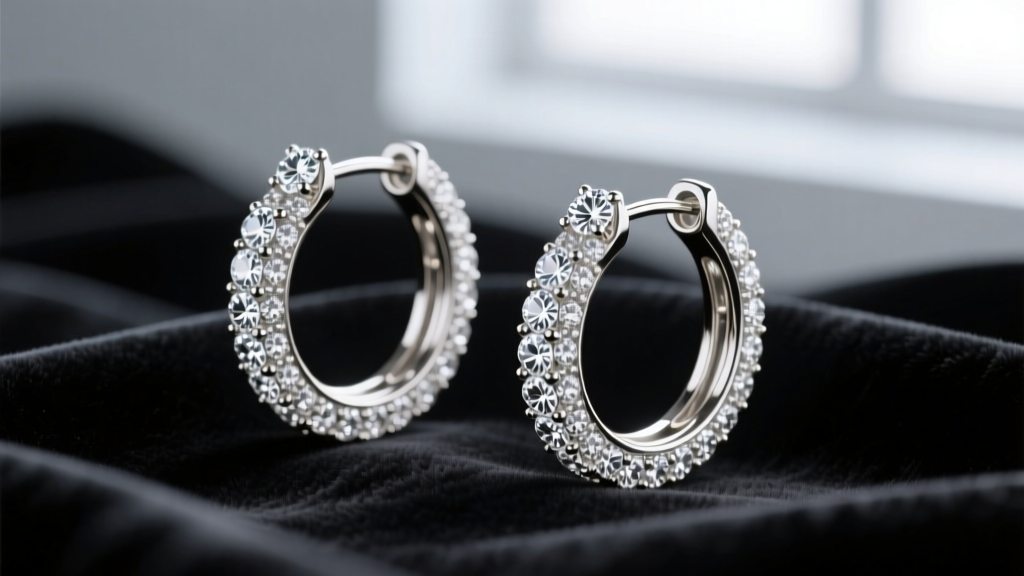
When you invest in iced out earrings, you are paying for maximum brilliance and bold aesthetics. Whether your pieces are set with natural diamonds, lab-grown diamonds, moissanite, or cubic zirconia (CZ), the sheer volume of stones and metalwork introduces unique vulnerabilities. The term "iced out" typically refers to jewelry that is fully paved or channel-set with gemstones, leaving very little exposed base metal. While this creates a stunning wall of light, it also means hundreds of microscopic prongs, beads, and settings that can fail over time.
In 2026, the market is flooded with varying quality tiers of iced out jewelry. Fast-fashion brands often use brass bases with flash-plated rhodium and glued-in CZ stones, while high-end jewelers use 14k or 18k gold with precision-cut micro-prongs. Understanding the structural anatomy of your earrings is the first step in troubleshooting common issues like cloudiness, stone loss, and skin irritation. Below, we break down the exact failure modes of iced out earrings and provide actionable, professional-grade solutions to restore and maintain them.
Troubleshooting Cloudy Stones: The Mohs Scale Reality
The most common complaint with iced out earrings is that the stones gradually lose their sparkle and appear cloudy or milky. Many owners assume this is simply a buildup of dirt and attempt to wipe them down, only to find the dullness persists. To understand why this happens, we must look at the Mohs scale of mineral hardness.
Why Cubic Zirconia Gets Cloudy
Cubic Zirconia (CZ) ranks between 8.0 and 8.5 on the Mohs scale. While this sounds hard, everyday household dust contains quartz particles, which rank at a 7.0. Over months of wear, microscopic quartz dust acts like sandpaper against the surface of the CZ. These micro-scratches do not immediately ruin the stone, but they create a textured surface that aggressively traps sebum (skin oils), lotions, and cosmetics. Once these oils bake into the micro-scratches, the stone loses its light return, resulting in a permanent cloudy appearance that surface cleaning cannot fix.
The Moissanite and Lab Diamond Advantage
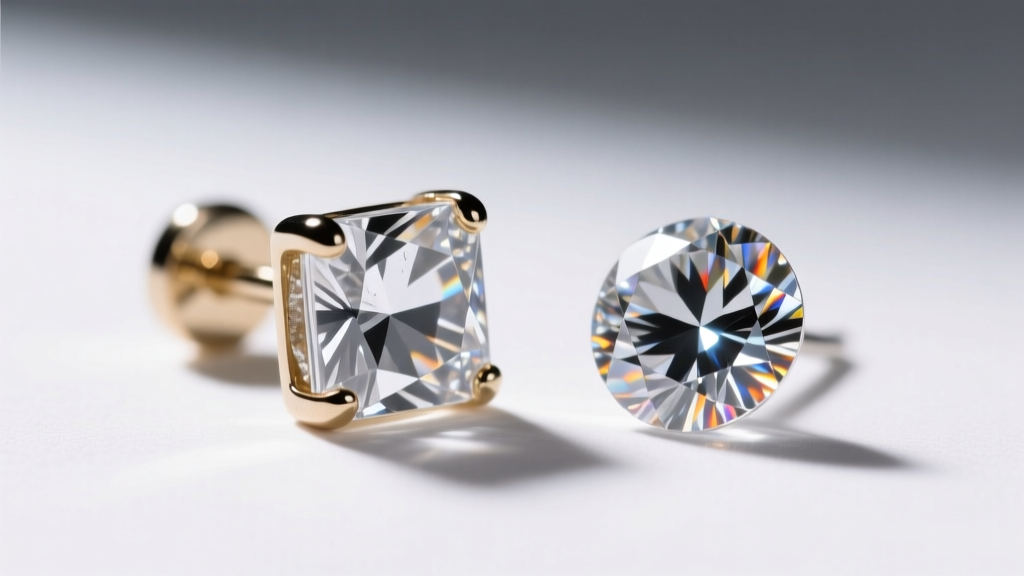
If your iced out earrings feature moissanite (Mohs 9.25) or lab-grown diamonds (Mohs 10), they will not suffer from surface micro-scratching. If these stones appear cloudy, the issue is strictly surface-level contamination. A buildup of hard water spots, hairspray, or soap scum on the pavilion (the bottom facets) will block light refraction. In these cases, a deep degreasing is required, which we will cover in the cleaning protocol below.
Loose Stones in Micro-Pave Settings: The Tap Test
Iced out earrings rely heavily on micro-pave or bead settings. In this technique, a jeweler uses a graver to push tiny beads of the base metal over the girdle of the stone to hold it in place. Because these beads are minuscule, they are highly susceptible to wear and tear.
Identifying Loose Stones Early
Do not wait for a stone to fall out before taking action. Perform the "Tap Test" once a month: hold the earring firmly by the post and gently tap the face of the jewelry with a wooden toothpick. If you hear a faint, high-pitched rattle or clicking sound, a stone is loose within its setting. This happens when the metal beads wear down or bend outward from snagging on clothing or towels.
What NOT to Do: The Superglue Mistake
A common DIY troubleshooting mistake is attempting to secure a loose pave stone with cyanoacrylate (Super Glue). Never do this. Cyanoacrylate outgasses as it cures, leaving a permanent, frosty white haze on the surface of the gemstone. Furthermore, it ruins the structural integrity of the metal setting, making professional repair nearly impossible without destroying the setting entirely. If a stone is loose, place a piece of clear tape over the area to secure it temporarily and take it to a jeweler who specializes in micro-pave burnishing.
Contact Dermatitis and the "Green Ear" Phenomenon
Iced out earrings cover a large surface area of the earlobe or cartilage. If your earlobes are turning green, itching, or developing contact dermatitis, the culprit is almost always the base metal and the quality of the plating.
Understanding Plating Thickness
Many mid-tier iced out pieces are crafted from brass or copper alloys and plated with rhodium or gold to give the appearance of precious metals. According to FTC Jewelry Guides, plating thickness is measured in microns. "Flash plating" is often less than 0.1 microns thick and will wear away in a matter of weeks, exposing the reactive base metal to your skin's natural acidity (pH 4.0 - 6.0). When sweat interacts with copper or brass, it creates copper chloride, which transfers to your skin as a green stain.
| Base Metal | Composition | Plating Requirement | Common Failure Mode |
|---|---|---|---|
| Brass | Copper/Zinc Alloy | Minimum 0.5 microns Rhodium | Green skin staining, rapid tarnishing |
| 925 Sterling Silver | 92.5% Silver, 7.5% Copper | 0.1 - 0.3 microns Rhodium | Black tarnish if exposed to sulfur/sweat |
| 316L Surgical Steel | Iron, Chromium, Molybdenum | PVD Coating or Unplated | Nickel leaching in low-grade batches |
| 14k Solid Gold | 58.5% Gold, Alloyed Metals | None Required | Alloy oxidation (rare, mostly in white gold) |
Troubleshooting Skin Irritation
If your iced out earrings cause irritation but you love the design, you can create a temporary barrier. Paint the back of the earring posts and the metal backing with a thin layer of clear, flexible nail polish or a specialized jewelry shield coating. Allow it to cure for 24 hours before wearing. For a permanent fix, a local jeweler can re-plate the earrings with a heavy 1.0-micron layer of rhodium, effectively sealing the base metal.
The 2026 Professional Cleaning Protocol
Proper cleaning is the cornerstone of troubleshooting dull iced out jewelry. However, the cleaning method must be matched to the stone and setting type. Many consumers mistakenly use ultrasonic cleaners for all jewelry, which can be disastrous.
The Danger of Ultrasonic Cleaners
Ultrasonic cleaners operate at frequencies around 40kHz, creating microscopic cavitation bubbles that implode and blast dirt away. While excellent for solid diamond solitaires, ultrasonics will destroy poorly set micro-pave stones. The high-frequency vibrations can easily shake loose stones that are held by worn metal beads. Furthermore, if your iced out earrings feature fracture-filled diamonds or glued-in CZ stones, the ultrasonic waves will shatter the inclusions or dissolve the adhesive.
The Safe, Deep-Clean Method
To restore brilliance safely, follow this professional protocol:
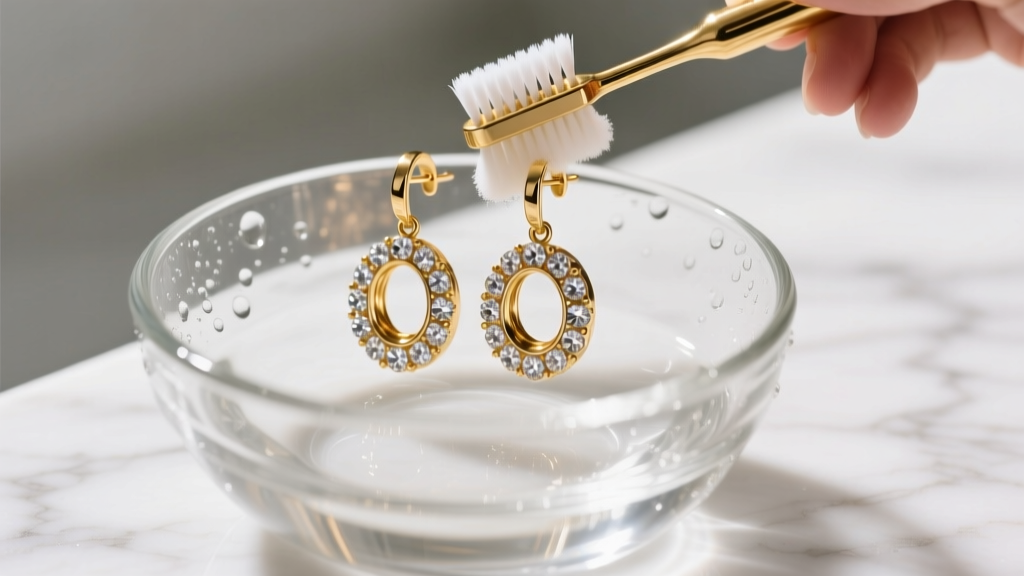
- Step 1: The Soak. Mix a 10:1 ratio of warm distilled water to a mild, lotion-free dish soap (such as original Dawn). Avoid tap water, as hard water minerals can leave new deposits. Let the earrings soak for 15 minutes to loosen sebum and cosmetics.
- Step 2: The Agitation. Using an extra-soft baby toothbrush, gently brush the jewelry. Crucially, you must brush the pavilion (the back/bottom) of the stones. The pavilion is where 90% of light-blocking grease accumulates. Brush in small circular motions, avoiding harsh scrubbing on the metal prongs.
- Step 3: The Rinse and Dry. Rinse the earrings under a gentle stream of warm distilled water. Do not use a tissue or cotton ball to dry them, as the fibers will snag on the micro-prongs. Instead, use a lint-free microfiber cloth or blast them dry with a can of compressed air to ensure no water spots remain.
When to See a Professional Jeweler
While home maintenance can resolve cloudiness and minor dirt buildup, structural troubleshooting requires professional intervention. If your iced out earrings have missing stones, severely bent posts (common in heavy iced out hoops due to the weight of the metal and stones), or if the rhodium plating has completely worn off a brass base, seek out a bench jeweler. Ensure the jeweler has a microscope for setting micro-pave stones, as traditional loupe work is often insufficient for the precision required in fully iced out designs. By combining proper daily care with targeted professional repairs, your iced out earrings will maintain their maximum brilliance for decades.


