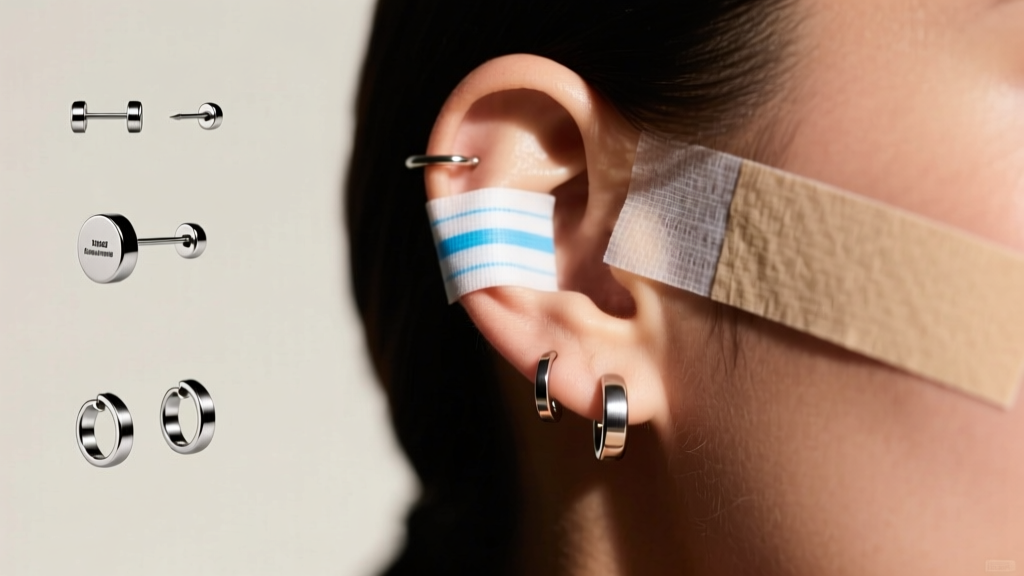
Troubleshooting Emerald Cut Aquamarine Earrings: Care & Fix Guide
Learn how to troubleshoot emerald cut aquamarine earrings. Expert fixes for chipped corners, cloudy stones, loose prongs, and drooping posts.

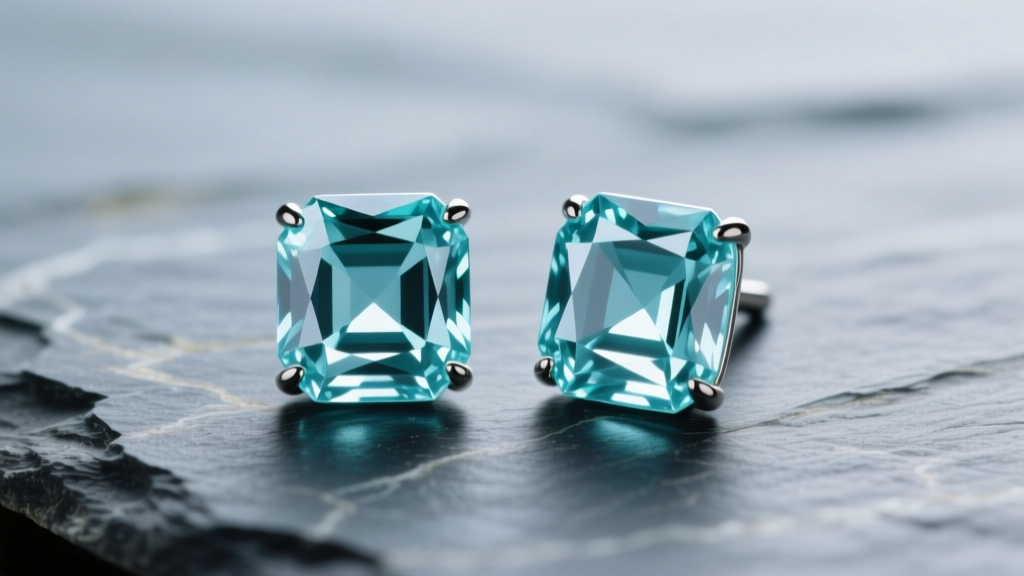
Emerald cut aquamarine earrings are a masterclass in icy elegance, combining the serene, pale blue hues of the beryl family with the sophisticated, hall-of-mirrors geometry of the step cut. However, this specific combination of gemstone and cut geometry introduces unique structural vulnerabilities. As of 2026, jewelers and gemologists continue to see a high volume of preventable damage in these pieces, largely due to a misunderstanding of aquamarine’s physical properties and the leverage mechanics of earring settings.
If your favorite pair is looking cloudy, rattling in its setting, or suffering from a chipped corner, this comprehensive troubleshooting guide will help you diagnose the issue and apply professional-grade solutions.
The Corner Chip Crisis: Why Emerald Cuts Fail
The most frequent and devastating issue with emerald cut aquamarine earrings is corner chipping. Unlike the brilliant cut, which features a rounded girdle and pointed culet that disperse kinetic energy, the emerald cut features four sharp, 90-degree corners.
Aquamarine ranks between 7.5 and 8 on the Mohs Hardness Scale. While this makes it resistant to everyday scratching, it is inherently brittle and possesses indistinct cleavage. When a sharp corner strikes a hard surface—such as a bathroom mirror or a granite countertop—the kinetic shock concentrates entirely on that microscopic point, resulting in a fracture.
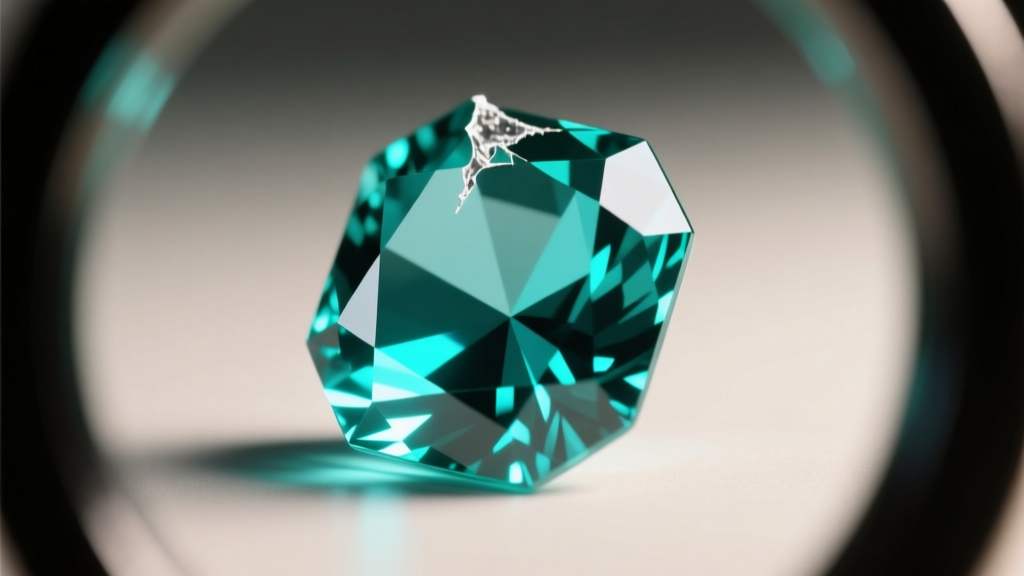
Diagnostic Checklist for Corner Damage
- Micro-chipping (Under 1mm): Often feels like a tiny snag. Can sometimes be smoothed by a master lapidary without losing significant carat weight, though it alters the symmetry of the step-cut facets.
- Macro-fractures (Over 1mm): Visible to the naked eye. Requires a full re-cut, which can reduce the stone's carat weight by 15-30% and necessitate a completely new custom setting.
- Internal Feathering: A white, cloudy line radiating from the corner. This is a structural failure inside the stone. The gem must be replaced immediately, as it is at high risk of splitting in half.
The Fix: Upgrading to V-Prongs
If you are resetting a stone or buying a new pair, demand V-prongs. A standard round prong resting on a 90-degree corner leaves the exact tip of the aquamarine exposed. A V-prong wraps a triangular shield of metal (ideally platinum or 14k white gold) completely around the corner, absorbing the impact of any accidental bumps.
Cloudy Stones and the Ultrasonic Trap
A common complaint is that emerald cut aquamarine earrings lose their brilliance over time, appearing cloudy or milky. Because the emerald cut features large, open table facets and parallel step facets, it acts as a magnifying glass for oils, lotions, and soap scum. However, the troubleshooting danger lies in how you attempt to clean them.
Natural aquamarine frequently contains liquid inclusions, often referred to by gemologists as 'rain.' When subjected to the high-frequency vibrations and localized heat of an ultrasonic cleaner, these liquid inclusions can expand rapidly, causing internal thermal shock and permanent micro-fractures that scatter light and cause a cloudy appearance.
Safe vs. Unsafe Cleaning Matrix
| Cleaning Method | Impact on Aquamarine | Verdict |
|---|---|---|
| Ultrasonic Cleaners | Causes thermal shock; shatters liquid inclusions. | NEVER USE |
| Steam Cleaners | Sudden temperature changes can cause internal fracturing. | NEVER USE |
| Warm Soapy Water | Gently lifts sebum and cosmetics without thermal risk. | HIGHLY SAFE |
| Isopropyl Alcohol | Safe for quick degreasing of the step-cut table facet. | SAFE (Sparingly) |
Pro-Tip: Use a soft, untreated baby hairbrush dipped in a solution of distilled water and a single drop of mild dish soap. Gently agitate the pavilion (the underside of the stone) where skin oils accumulate and block light return.
Loose Stones and Prong Fatigue
Earrings endure a surprising amount of kinetic abuse. Brushing your hair, pulling off sweaters, and the daily friction of putting them on and taking them off all apply lateral torque to the setting. If your emerald cut aquamarine earrings rattle when shaken near your ear, the prongs have suffered from metal fatigue.
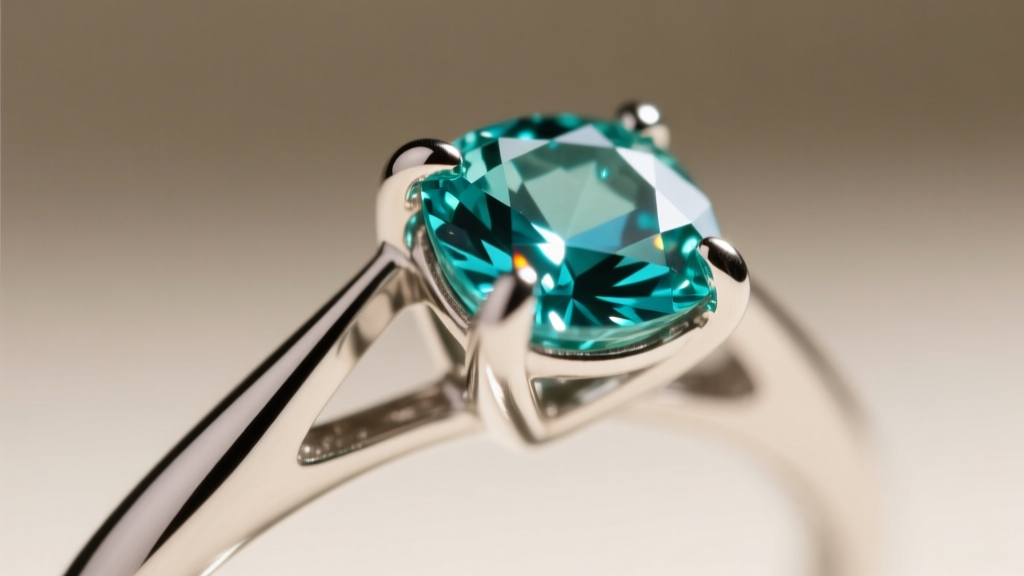
Material Matters: Gold vs. Platinum
The longevity of your setting depends heavily on the metal alloy. According to guidelines from the American Gem Trade Association (AGTA), regular maintenance is critical for all precious metals, but their wear patterns differ drastically:
- 18k Yellow Gold: Soft and malleable. Prongs will bend away from the stone over time, leading to stone loss. Requires professional tightening every 6-8 months.
- 14k White Gold: Harder due to nickel or palladium alloys, but the rhodium plating wears off, requiring re-plating which involves harsh chemical baths that should be monitored near treated stones.
- Platinum (950/50 Ru): The undisputed champion for emerald cuts. Platinum is dense and exhibits 'gall' rather than wearing away. When a platinum prong is bent to secure a stone, it stays locked in place for years.
The Fix: If your gold prongs are thinning, do not just have them pushed back over the stone. Ask your jeweler to 're-tip' them using a laser welder, which adds fresh metal to the prong head without exposing the heat-sensitive aquamarine to a jeweler's torch.
The Drooping Post Dilemma
Emerald cut aquamarine earrings, particularly those in the 2-carat to 4-carat total weight range, are often elongated (e.g., 10x8mm or 12x9mm). This elongated shape creates a 'lever effect' on the earlobe. The center of gravity sits far from the post, causing the earring to droop forward, which not only ruins the aesthetic but puts immense bending pressure on the metal post.
Gauge Upgrades and Clutch Solutions
Most commercial earrings are fitted with standard 20-gauge (0.81mm) or 18-gauge (1.02mm) posts. For a heavy emerald cut stone, these are simply too thin to resist the leverage of the droop.
- Upgrade the Post Gauge: Have a bench jeweler remove the standard post and laser-weld a 16-gauge (1.29mm) or even 14-gauge (1.63mm) heavy-duty post. This provides the structural rigidity needed to keep the stone sitting flush against the earlobe.
- Ditch the Butterfly Clutch: Standard friction clutches will slide down a thicker post and fail to support the weight. Upgrade to La Pousette clutches (which use a mechanical locking spring) or jumbo silicone disc backs that distribute the weight across a wider surface area of the back of the earlobe, preventing the 'piercing stretch' effect.
Final Diagnostic Summary
Maintaining the pristine geometry and icy clarity of emerald cut aquamarine earrings requires moving beyond generic jewelry care. By addressing the corner vulnerabilities with V-prongs, abandoning ultrasonic cleaners to protect liquid inclusions, and upgrading post gauges to combat leverage-induced drooping, you can ensure your earrings remain structurally sound and optically brilliant for a lifetime. When in doubt, always consult a certified gemologist appraiser before attempting any at-home polishing or setting adjustments.