Troubleshooting Your Flesh Tunnel Earring: Fixes for Lobe Issues
Discover expert troubleshooting for your flesh tunnel earring. Learn how to fix blowouts, thinning lobes, odor, and material allergies.

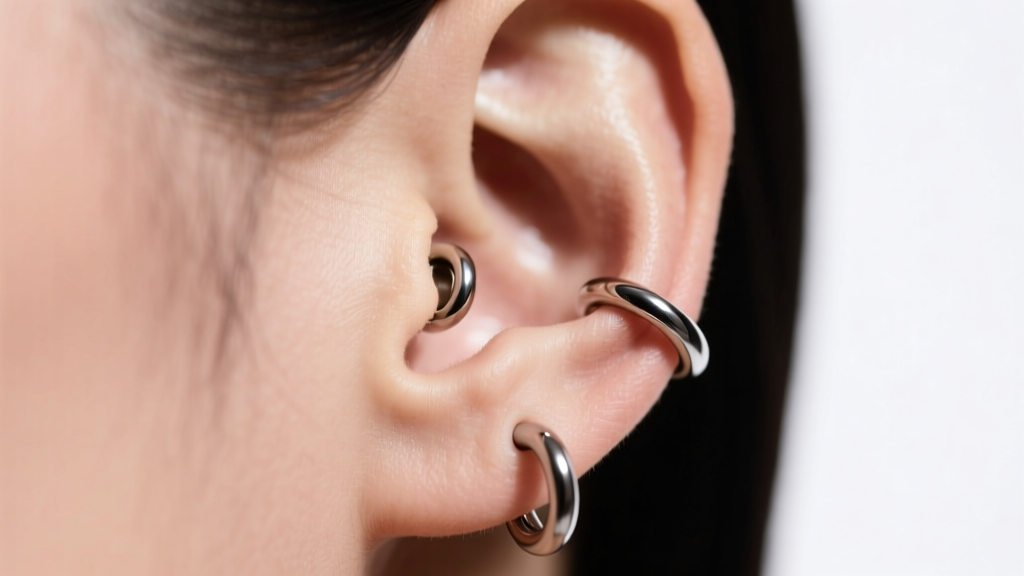
The Biomechanics of Stretched Earlobes: Understanding the Tissue
Stretching your earlobes to accommodate a flesh tunnel earring is a process that fundamentally alters the biomechanical structure of your tissue. Unlike a standard 20-gauge or 18-gauge piercing, which simply parts the collagen fibers, stretching requires the gradual expansion of the extracellular matrix. When done correctly, the lobe generates new tissue and blood vessels. When rushed or mismanaged, the collagen network tears, leading to scar tissue formation, thinning, and permanent deformation.
According to the Association of Professional Piercers (APP), the threshold for natural lobe retraction generally caps around 00g (9mm to 10mm). Beyond this diameter, the elastic properties of the earlobe are often permanently compromised. If you are currently experiencing pain, aesthetic changes, or hygiene issues with your stretched piercings, this comprehensive troubleshooting guide will help you diagnose the failure mode and implement a clinical rehabilitation protocol.
Troubleshooting Guide: 4 Common Flesh Tunnel Earring Issues
Most complications arise from a mismatch between the jewelry's physical properties (weight, porosity, material grade) and the current health of the fistula (the piercing channel). Let us break down the most frequent problems and their exact solutions.
1. The Dreaded Blowout (Tissue Extrusion)
The Symptom: A painful, red, or flesh-colored ring of tissue protruding from the back of the lobe, making the piercing look inside-out.
The Root Cause: A blowout is essentially a localized hernia of scar tissue. It occurs when you stretch too quickly, skip gauge sizes, or force a rigid taper through the fistula. The micro-tears in the healing tissue create a bottleneck of hypertrophic scarring that gets pushed outward by the jewelry.
The Fix:
- Immediate Downsize: Remove the current jewelry and insert a sterilized plug that is 2 to 3 sizes smaller (e.g., drop from 0g to 2g). This relieves the outward pressure.
- Targeted Massage: Twice daily, massage the lobe with pure, cold-pressed jojoba oil or vitamin E oil to increase blood flow and soften the scar tissue.
- Wait Period: Do not attempt to stretch again for at least 3 to 4 months, allowing the fistula to fully remodel.
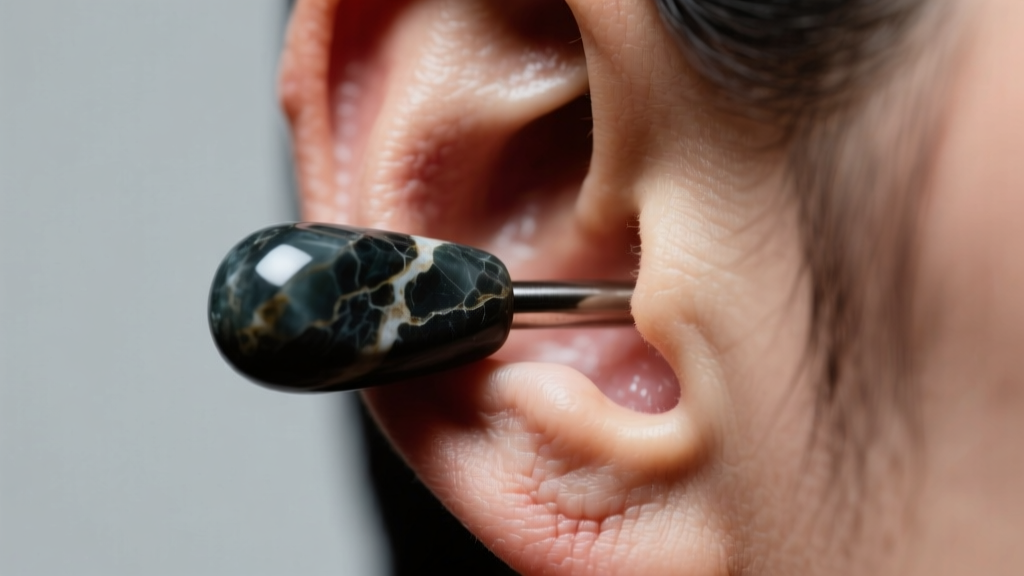
2. Lobe Thinning and the "Cheese-Cutter" Effect
The Symptom: The bottom edge of your earlobe becomes dangerously thin, translucent, or elongated, resembling a stretched rubber band.
The Root Cause: Gravity and mechanical stress. Wearing heavy materials like solid stone, dense hardwoods, or thick-walled steel tunnels places constant downward traction on the compromised collagen at the base of the fistula. Over time, the tissue simply gives way, migrating downward.
The Fix:
- Weight Reduction: Swap heavy jewelry for ultra-lightweight alternatives. Hollow borosilicate glass, high-grade acrylic, or lightweight woods like balsa or cork are ideal for daily wear.
- Switch to Single-Flare Glass: If you prefer glass, use single-flare borosilicate plugs secured with high-quality silicone O-rings. The smooth, non-porous surface prevents micro-abrasions that exacerbate thinning.
- Lobe Massage: Daily jojoba oil massages can help maintain tissue elasticity and prevent the skin from becoming brittle.
3. Foul Odor and "Ear Cheese" Buildup
The Symptom: A persistent, cheesy, or sour odor emanating from the piercing, accompanied by a grayish or yellowish sebum buildup inside the fistula and on the jewelry.
The Root Cause: The skin inside a stretched lobe continues to shed dead keratinocytes and secrete sebum. When trapped between the skin and a non-porous (or highly porous) flesh tunnel earring, this mixture oxidizes and breeds anaerobic bacteria. This is heavily exacerbated by wearing porous materials like silicone or unsealed wood, which trap bacteria in microscopic crevices.
The Fix:
- Material Audit: Never wear silicone tunnels for extended periods. Silicone creates an airtight seal that traps moisture and bacteria, leading to severe contact dermatitis and odor. Stick to implant-grade metals or glass.
- Daily Hygiene: Wash the lobes in the shower using a mild, fragrance-free glycerin soap. Rinse thoroughly.
- The "Dry Stretch" Method: Once fully healed, leave the jewelry out for a few hours a day to let the fistula "breathe" and air out, preventing moisture accumulation.
4. Allergic Contact Dermatitis from Tunnel Materials
The Symptom: Itching, flaking skin, weeping clear fluid, and localized redness directly contacting the jewelry.
The Root Cause: Nickel allergy. Many mass-produced "surgical steel" tunnels contain 8% to 12% nickel. In a stretched piercing, the surface area of skin-to-metal contact is exponentially larger than a standard stud, meaning nickel leaching causes a rapid and severe immune response.
The Fix: Discard any jewelry labeled merely as "surgical steel" or "stainless steel." Upgrade exclusively to ASTM F-136 implant-grade titanium, niobium, or solid 14k/18k nickel-free gold. The APP aftercare guidelines strongly mandate implant-grade materials for all body jewelry to prevent heavy metal sensitization.
Material & Gauge Troubleshooting Matrix
Choosing the correct jewelry material is the first line of defense against lobe complications. Use the matrix below to audit your current collection.
| Material | Weight Profile | Porosity | Best Use Case | Primary Risks |
|---|---|---|---|---|
| ASTM F-136 Titanium | Medium | Non-Porous | Daily wear, fresh stretches, sensitive skin | Can be heavy at larger gauges (above 00g) |
| Borosilicate Glass | Medium-Heavy | Non-Porous | Daily wear, odor prevention, smooth insertion | Risk of shattering if dropped on hard tile |
| Sealed Hardwood | Very Light | Low (if sealed) | Thinning lobes, large gauge wear (1/2"+) | Can warp with moisture; unsealed wood harbors bacteria |
| Medical Silicone | Ultra-Light | Highly Porous | Short-term wear, sports, sleeping (with caution) | Traps bacteria, causes severe odor and blowouts if worn 24/7 |
| Stone (Obsidian/Agate) | Very Heavy | Non-Porous | Special occasions, photography, short-term aesthetic | Causes rapid lobe thinning and cheese-cutter effect |
The PTFE Taping Method: Safely Sizing Up to Prevent Blowouts
If your current issue stems from skipping sizes or using aggressive metal tapers, you must transition to the PTFE (Polytetrafluoroethylene) taping method. Tapers are essentially wedges that apply uneven, directional pressure to the fistula, often tearing the bottom edge of the lobe.
By using PTFE tape (commonly known as plumber's tape, but ensure it is body-safe and uncolored), you build custom, perfectly rounded increments. The Protocol: 1. Wrap 1 to 2 layers of PTFE tape around your current, comfortable plug. 2. Lubricate the wrapped plug with jojoba oil. 3. Gently insert it. If you feel sharp pain or see blanching (white tissue from restricted blood flow), remove a layer of tape. 4. Wear the taped plug for 1 to 2 weeks, allowing the tissue to expand and heal. 5. Add 1 to 2 more layers and repeat until you reach the next standard gauge size (e.g., moving from 4g to 2g).
This method distributes the stretching force evenly across the entire 360-degree circumference of the fistula, virtually eliminating the risk of localized blowouts.
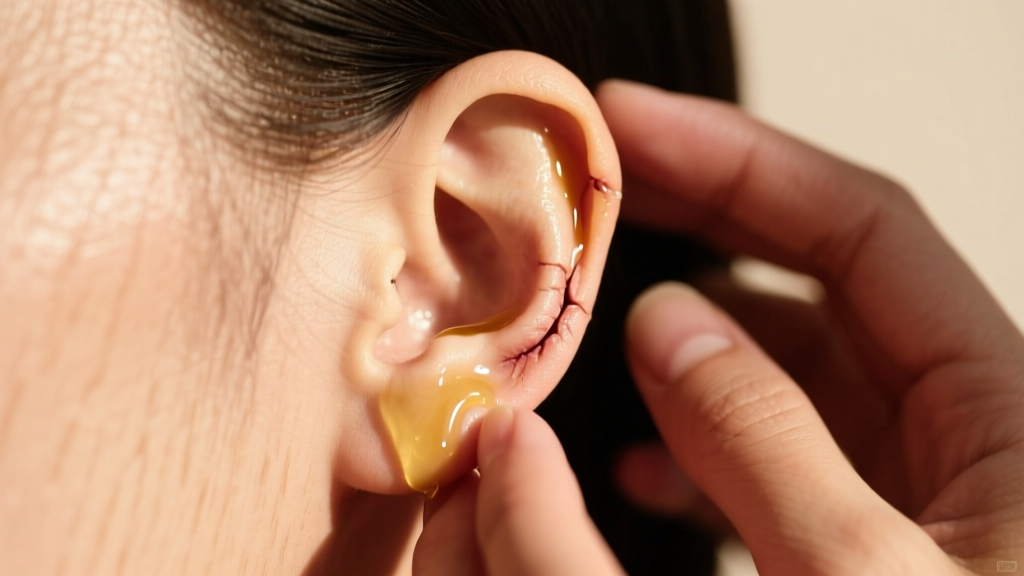
Step-by-Step Lobe Rehabilitation Protocol
If your lobes are currently damaged, irritated, or recovering from a blowout, implement this strict 30-day rehabilitation protocol to restore tissue health before attempting to wear your favorite flesh tunnel earring again.
- Week 1: The Reset. Downsize your jewelry by at least two full gauge sizes. Switch to single-flare borosilicate glass or ASTM F-136 titanium. Cleanse twice daily with sterile saline solution (0.9% sodium chloride, no additives).
- Week 2: Circulation Restoration. Begin daily hot compresses. Soak a clean gauze pad in warm (not hot) saline and hold it against the lobe for 5 minutes. Follow immediately with a 3-minute jojoba oil massage to encourage lymphatic drainage and soften scar tissue.
- Week 3: Environmental Protection. Avoid sleeping on the affected ear. Use a travel neck pillow, positioning your ear in the center hole to prevent compression necrosis (tissue death from lack of blood flow due to pressure). Keep hair products and harsh cosmetics away from the fistula.
- Week 4: Evaluation. Assess the tissue. If the blowout has retracted and the skin is no longer tender, translucent, or angry, you may begin the PTFE taping method to slowly regain your desired size. If thinning persists, consult a professional.
When to Seek Professional Intervention
While most minor blowouts and irritation bumps can be managed at home with downsizing and proper aftercare, certain structural failures require professional intervention. If your lobe has completely split (a cleft deformity), if the tissue has thinned to less than 2 millimeters at the base, or if you are experiencing signs of systemic infection (fever, radiating heat, purulent discharge), you must seek help immediately.
Consult an APP-certified professional piercer for jewelry recommendations and structural advice. For severe clefts or irreversible thinning, a board-certified plastic surgeon can perform a lobuloplasty—a minor surgical procedure that excises the damaged fistula lining and sutures the healthy tissue back together, allowing for a complete reset of the earlobe.
Conclusion
Wearing a flesh tunnel earring is a long-term commitment to your body's tissue health. By understanding the biomechanics of your lobes, auditing your jewelry materials, and responding immediately to signs of blowouts or thinning, you can maintain healthy, elastic, and beautiful stretched piercings for a lifetime. Patience and high-quality materials are your most valuable tools in this journey.


