Troubleshooting Frank Lloyd Wright Earrings: Repair Guide
Learn how to troubleshoot, repair, and authenticate Frank Lloyd Wright earrings. Expert tips on fixing clasps, enamel chips, and vintage metal tarnish.

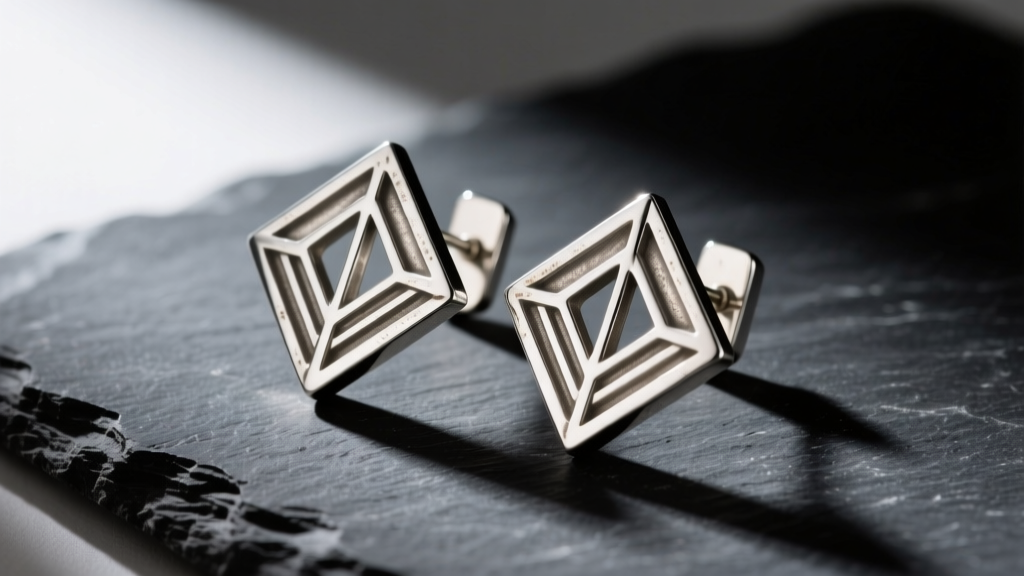
Collecting and wearing Frank Lloyd Wright earrings is a unique intersection of architectural history and personal adornment. Originally translated from his iconic stained-glass windows and structural motifs into wearable art by the Frank Lloyd Wright Foundation and various licensed jewelers, these pieces are highly sought after by collectors and design enthusiasts alike. However, the very geometric complexity that makes these earrings stunning also introduces specific structural vulnerabilities.
Whether you are dealing with a vintage 1970s sterling silver pair or a modern gold vermeil reproduction, troubleshooting these earrings requires an understanding of archival jewelry conservation. This guide dives deep into the mechanical failures, material degradations, and authentication challenges specific to FLW jewelry, providing actionable solutions for collectors and everyday wearers.
The Structural Vulnerabilities of Architectural Jewelry
Frank Lloyd Wright’s designs—such as the famous Tree of Life, Hollyhock, and Midway Gardens motifs—rely heavily on cantilevered lines and asymmetric geometry. When translated into earrings, these design elements often result in a top-heavy distribution of weight.
The primary failure point in vintage FLW earrings is the solder joint where the post meets the earring face. Because the geometric shapes extend outward, everyday movements create a lever effect. Over time, this micro-stress fatigues the silver or brass solder, leading to a clean shear right at the base of the post. Unlike simple round studs, repairing an FLW earring requires addressing the leverage issue, not just reattaching the post.
Troubleshooting Post and Clasp Failures
One of the most common issues reported by collectors is that modern ear nuts do not fit vintage FLW posts, or that original screw-backs have become stripped. Understanding the gauge and threading of your specific era is critical for troubleshooting.
Friction Backs vs. Vintage Screw-Backs
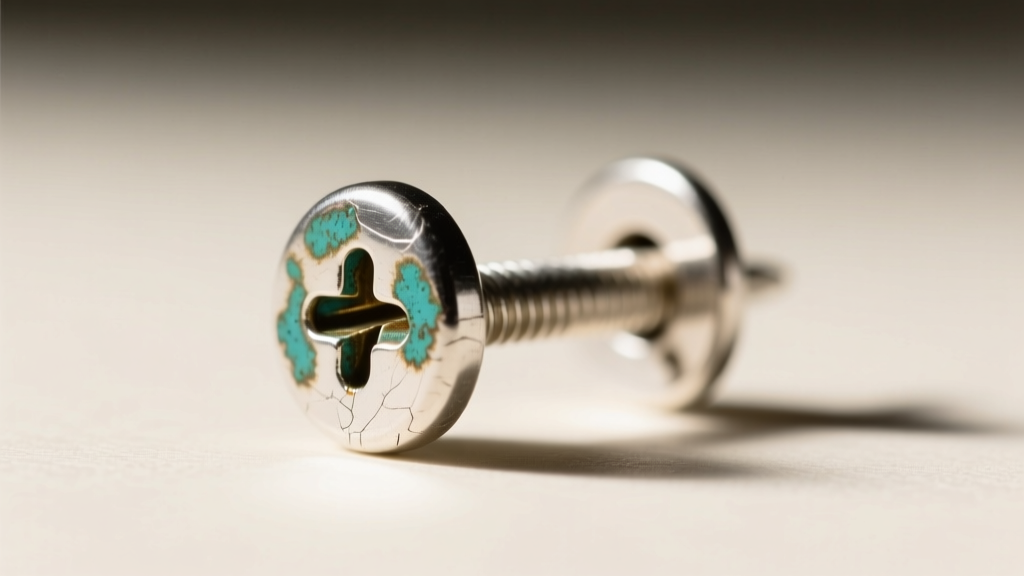
Early licensed FLW earrings (produced in the 1970s and 1980s) frequently utilized 18-gauge or even 16-gauge posts with threaded screw-back mechanisms to support the heavier geometric faces. Modern reproductions typically use standard 20-gauge friction posts. If you are trying to secure a vintage pair and the earring keeps drooping, the issue is likely a gauge mismatch causing the modern friction back to slide off the thicker, un-grooved vintage post.
| Earring Era | Typical Post Gauge | Clasp Mechanism | Troubleshooting Solution |
|---|---|---|---|
| Vintage (1970s-80s) | 18g or 16g | Threaded Screw-Back | Use a jewelry tap-and-die set to re-thread stripped posts; avoid forcing modern 20g nuts. |
| Transitional (1990s) | 18g | Friction Back with Notch | File a micro-groove into the post using a needle file to give modern silicone stoppers grip. |
| Modern (2000s-Present) | 20g | Standard Friction Back | Replace lost backs with heavy-duty jumbo silicone clutches to support wide geometric faces. |
Addressing Enamel Degradation in Stained-Glass Motifs
Many of the most desirable Frank Lloyd Wright earrings replicate his stained-glass windows using enamel. Troubleshooting enamel damage requires first identifying whether the piece uses vitreous (glass) enamel or cold (epoxy resin) enamel.
Identifying the Enamel Type
- Vitreous Enamel: Fired in a kiln at over 1400°F. It feels like glass, is highly scratch-resistant, but can shatter or chip if dropped on a hard surface. Common in high-end, limited-edition FLW runs.
- Cold Enamel: A two-part epoxy resin poured into metal cloisons. It feels slightly warm to the touch and is prone to yellowing from UV exposure and chipping from thermal shock. Common in mass-market licensed pieces.
If your cold enamel FLW earrings have yellowed or become cloudy, do not use ultrasonic cleaners or harsh solvents like acetone, which will dissolve the resin. According to conservation guidelines outlined by Lang Antiques University, cold enamel should only be cleaned with a mild, non-detergent soap and a soft microfiber cloth. For vitreous enamel chips, repair requires a specialized enamel artist who can match the historical color palette and re-fire the piece without melting the silver solder joints.
Authenticating Hallmarks and Maker's Marks
The secondary market for FLW jewelry is flooded with unlicensed reproductions and outright counterfeits. Troubleshooting an authentication issue requires a jeweler's loupe (at least 10x magnification) and an understanding of historical marking practices.
What to Look For
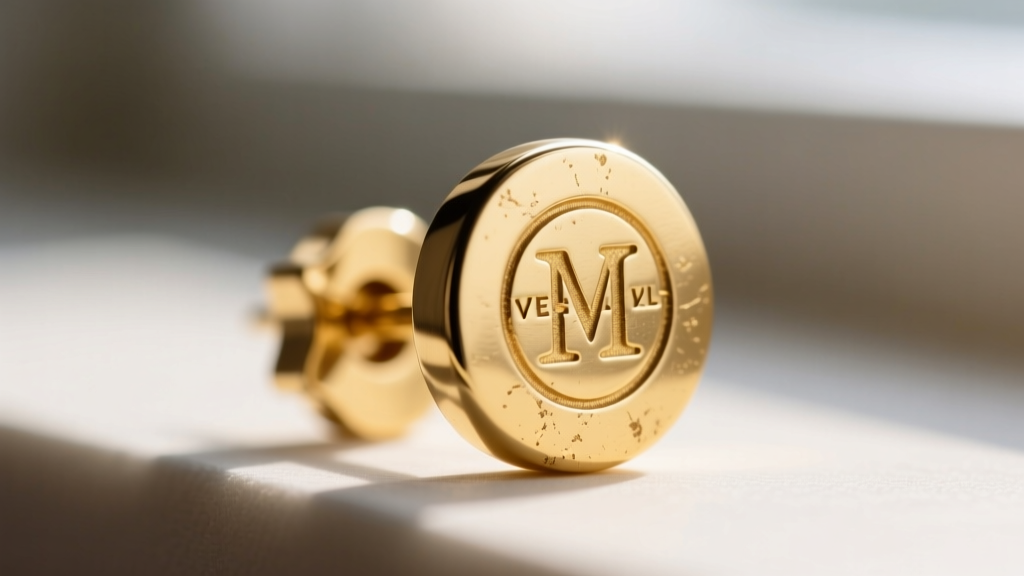
Genuine pieces will typically feature specific hallmarks. Look for the initials FLW inside a geometric shape, the full Frank Lloyd Wright script, or the © symbol alongside the Foundation's mark. However, wear and tear can obscure these marks. A common troubleshooting scenario is a heavily polished vintage piece where the hallmark has been buffed away. In these cases, authentication must rely on the casting quality, the specific alloy composition (verified via XRF testing by a professional), and the hardware style.
"Never rely solely on the presence of a copyright symbol to authenticate vintage architectural jewelry. Counterfeiters easily replicate stamped hallmarks, but they rarely replicate the precise 18-gauge post thickness and specific solder flow patterns used by original mid-century manufacturers."
Sourcing Archival-Quality Repairs
When a Frank Lloyd Wright earring suffers a catastrophic failure—such as a snapped cantilevered arm or a sheared post—standard mall jewelers are often ill-equipped to handle the repair. Traditional torch soldering requires heating the entire metal component, which will instantly melt cold enamel and alter the patina of oxidized silver details.
For high-value or vintage FLW earrings, you must seek out a bench jeweler who utilizes laser welding technology. Laser welders use a highly focused beam of light to fuse metal at a microscopic level. This allows the jeweler to reattach a broken post or weld a fractured geometric line within millimeters of delicate enamel or heat-sensitive gemstones without transferring thermal damage to the rest of the piece. The GIA Gem Encyclopedia frequently highlights laser welding as the premier method for repairing complex, mixed-material antique and artisan jewelry.
Preventative Maintenance Checklist
To minimize the need for professional troubleshooting, implement the following maintenance routine for your collection:
- Avoid Chemical Dips: Never use thiourea-based liquid silver cleaners (like Tarn-X). They strip the factory oxidation that provides contrast in FLW geometric lines and can permanently pit the metal.
- Storage: Store each earring individually in anti-tarnish Pacific cloth bags. The sharp geometric corners of FLW designs will easily scratch adjacent pieces if stored loosely in a jewelry box.
- Post Care: Wipe the earring posts with a microfiber cloth after every wear to remove skin oils and acidic sweat, which rapidly corrode the solder joint at the base of the post.
By understanding the unique architectural DNA of Frank Lloyd Wright earrings, you can effectively troubleshoot common issues, preserve their historical integrity, and ensure these wearable masterpieces endure for future generations.