What Side Is Gay For Earrings? Debunking The Piercing Myth
Wondering what side is gay for earrings? We debunk the outdated right-ear myth and provide modern styling and queer-coding troubleshooting guides.

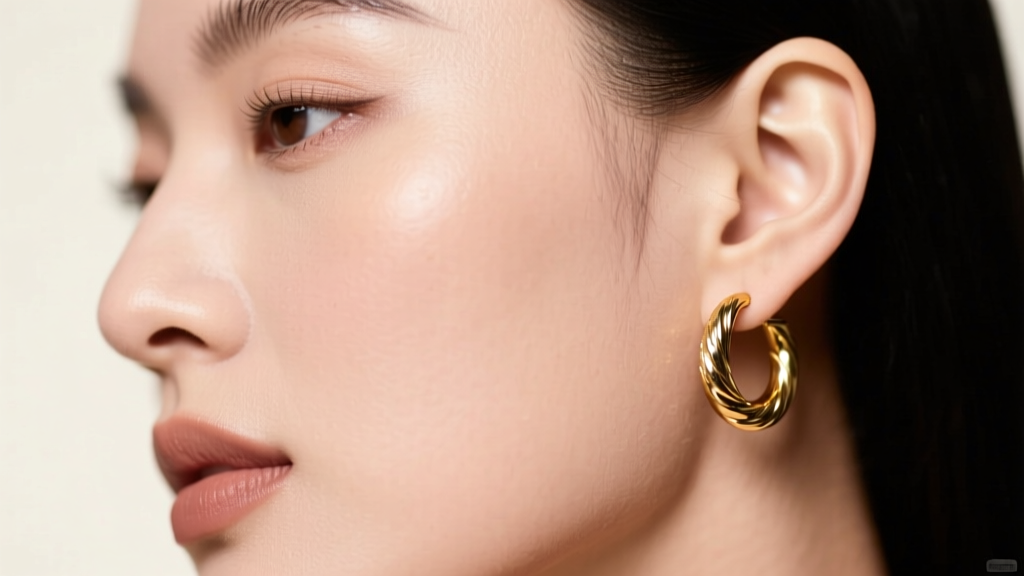
If you have ever found yourself staring into a mirror, holding a stud, and searching the internet to ask, "what side is gay for earrings?" you are not alone. Despite living in an era where gender norms and fashion boundaries are more fluid than ever, the anxiety surrounding ear piercing placement and sexual signaling remains a surprisingly common troubleshooting dilemma. Whether you are a heterosexual man worried about "accidental" signaling in a conservative workplace, or a queer individual looking to update your personal style codes, navigating the history and modern reality of the so-called "gay earring" requires a deep dive into cultural history and contemporary styling.
In this comprehensive guide, we will dismantle the outdated 20th-century myths, explore how queer coding actually works in modern jewelry curation, and provide actionable problem-solving frameworks for styling single or asymmetrical ear piercings with absolute confidence.
The Historical Code: Where Did the Right-Ear Myth Come From?
To troubleshoot the modern anxiety surrounding earring placement, we first need to understand the origin of the code. In the 1970s and 1980s, mainstream society was largely unaccepting of overt LGBTQ+ identities. Queer men relied on subtle, covert signaling methods to identify one another safely. Alongside the "hanky code" (where colored bandanas in specific back pockets indicated sexual preferences), the single right-ear piercing emerged as a quiet nod to gay identity.
This gave birth to the cruel and reductive rhyming slang of the era: "Left is right, and right is wrong." By the 1990s, however, mainstream pop culture figures like George Michael and various rock musicians began sporting single left-ear or right-ear piercings, entirely muddying the waters. The "code" fractured, and by the early 2000s, the bilateral piercing (both ears) became the standard for men across all sexual orientations. Yet, the cultural hangover of the "right ear" myth persists in search engines and locker-room rumors today.
Troubleshooting Modern Anxieties: Does Ear Side Still Matter?
From a contemporary fashion and sociological perspective, the short answer is no. According to cultural advocates at GLAAD, modern LGBTQ+ identity is expressed through a vast spectrum of personal aesthetics, not a binary piercing placement. However, the perception of the code still causes real-world friction for some. Let us troubleshoot the two most common scenarios.
The "Accidental" Single Piercing Dilemma
The Problem: You are a straight, masculine-presenting individual who got your right ear pierced as a teenager, or you recently healed a right-side cartilage piercing. You are now entering a conservative corporate environment and fear older colleagues will misinterpret your jewelry.
The Solution: Contextualize the piercing through your broader accessory profile. A single right-ear piercing loses any historical "code" when balanced with traditional masculine accessories. Pair a minimalist right-ear stud with a substantial mechanical watch on your left wrist and a subtle signet ring. Furthermore, the type of jewelry matters. Avoid delicate, dangling, or highly ornate pieces in a conservative setting. Opt for a 14-gauge or 16-gauge implant-grade titanium barbell or a matte black onyx plug. The industrial, utilitarian aesthetic of dark metals reads as modern streetwear or edge, entirely bypassing outdated sexual signaling.
The Queer Individual Seeking Subtle Signaling
The Problem: You want to signal your queer identity to those "in the know" without resorting to an outdated, easily misread single-ear trope.
The Solution: Modern queer coding has moved away from which ear is pierced and focuses entirely on how the ear is curated. Asymmetrical stacking, orbital piercings, and specific gemstone choices are the contemporary lexicon of queer jewelry.
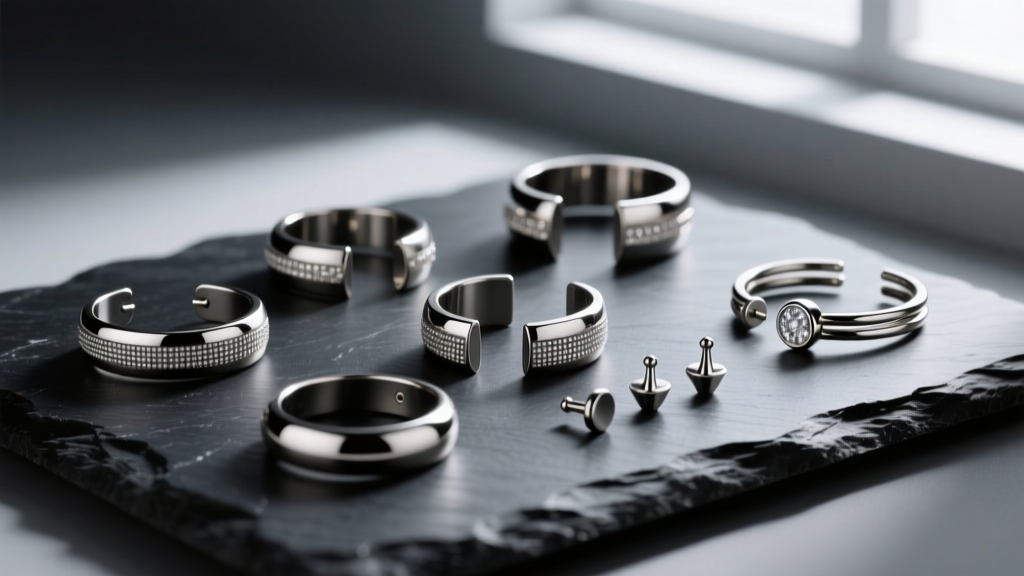
Decoding Queer Signaling in Contemporary Ear Styling
If the side of the ear no longer dictates sexual orientation, what does? Modern queer ear styling relies on intentional curation, anatomical complexity, and material choices. Below is a troubleshooting chart comparing the outdated codes with the actual trends driving queer fashion today.
| Styling Element | Outdated 1990s "Code" | Modern Queer Curation (2020s) |
|---|---|---|
| Placement | Single right lobe piercing | Asymmetrical stacks; heavy curation on one ear, minimalist on the other |
| Anatomy | Standard lobe only | Industrials, daiths, rooks, and conch piercings |
| Materials | Surgical steel, cheap alloys | Implant-grade titanium, 14k/18k solid gold, opal or black onyx gems |
| Silhouette | Small, hidden studs | Ear cuffs, chain links, and statement huggies |
Problem-Solving Guide: Styling a Single Ear Piercing with Confidence
Whether you are rocking a single left, right, or bilateral setup, the key to overcoming placement anxiety is mastering the technical aspects of your jewelry. A well-chosen, high-quality piece elevates your look from "accidental" to "intentional."
1. Nail the Gauge and Proportions
One of the most common mistakes men and masculine-presenting folks make is wearing jewelry that is too thin, which can look flimsy and unintentional. Standard lobe piercings are usually done at 20-gauge or 18-gauge. However, upgrading your jewelry to a 16-gauge (1.2mm) or 14-gauge (1.6mm) thickness provides a bolder, more grounded aesthetic that reads as deliberate fashion rather than a teenage experiment. If you are wearing a hoop or huggie, ensure the inner diameter is snug to the lobe (usually 8mm to 10mm) to avoid a drooping appearance.
2. Upgrade Your Materials (And Protect Your Skin)
Never compromise on metallurgy. According to the Association of Professional Piercers, "surgical steel" is a largely unregulated marketing term that often contains nickel, leading to contact dermatitis and dull, irritated piercings. For a single statement ear, invest in:
- Implant-Grade Titanium (ASTM F-136): The gold standard for sensitive skin. It is lightweight, hypoallergenic, and can be anodized to create subtle dark grey or bronze tones without plating.
- 14k or 18k Solid Gold: Avoid gold-plated or gold-filled options for daily wear, as the friction will eventually wear away the top layer, exposing base metals. Brands like BVLA or Maria Tash offer premium solid gold options that retain their value and luster.
- Niobium: An excellent, highly reactive metal that can be heat-treated to achieve a permanent, deep black finish—perfect for a stealthy, masculine right-ear stud.
3. Balance Your Facial Geometry
If you are troubleshooting how a single earring affects your face shape, consider the visual weight. A single, heavy geometric stud on the right ear will draw the eye horizontally. If you have a round face, opt for a vertical drop or a small, sleek barbell to elongate your profile. If you have a sharp, angular jawline, a smooth, continuous circular barbell (CBR) or a rounded huggie hoop will soften your features.
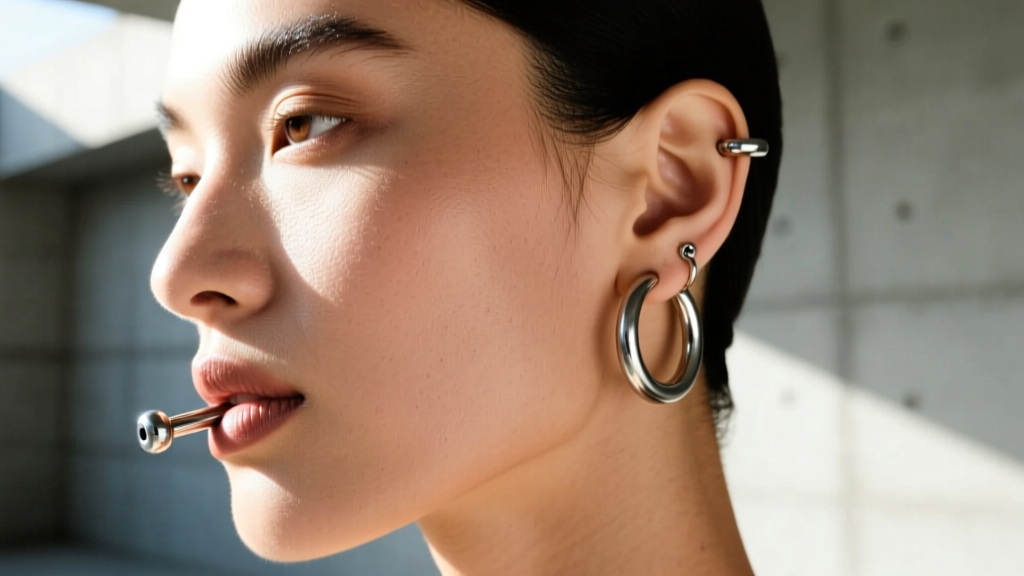
Expert Verdict: Wear What You Want, But Own the Placement
The anxiety surrounding the question "what side is gay for earrings" is a relic of a bygone era. In 2026, personal style is about individual curation, anatomical exploration, and material quality, not adhering to a mid-century rhyme. If you are worried about workplace perceptions, lean into high-quality, minimalist metals like black niobium or matte titanium. If you are looking to express your queer identity, explore the rich world of cartilage curation, asymmetrical stacking, and custom-fitted ear cuffs.
"True style confidence does not come from following an outdated rulebook of sexual signaling. It comes from understanding the geometry of your own face, the quality of your metals, and wearing your chosen pieces with unapologetic intention."
Stop worrying about which ear is "correct." Focus instead on the gauge, the alloy, and the aesthetic balance of your overall look. Your ear canvas is entirely your own.


