Troubleshooting Heavy Boho Wedding Earrings for All-Day Comfort
Fix common issues with boho wedding earrings. Learn how to prevent earlobe tearing, veil snags, and metal allergies with expert styling and support hacks.

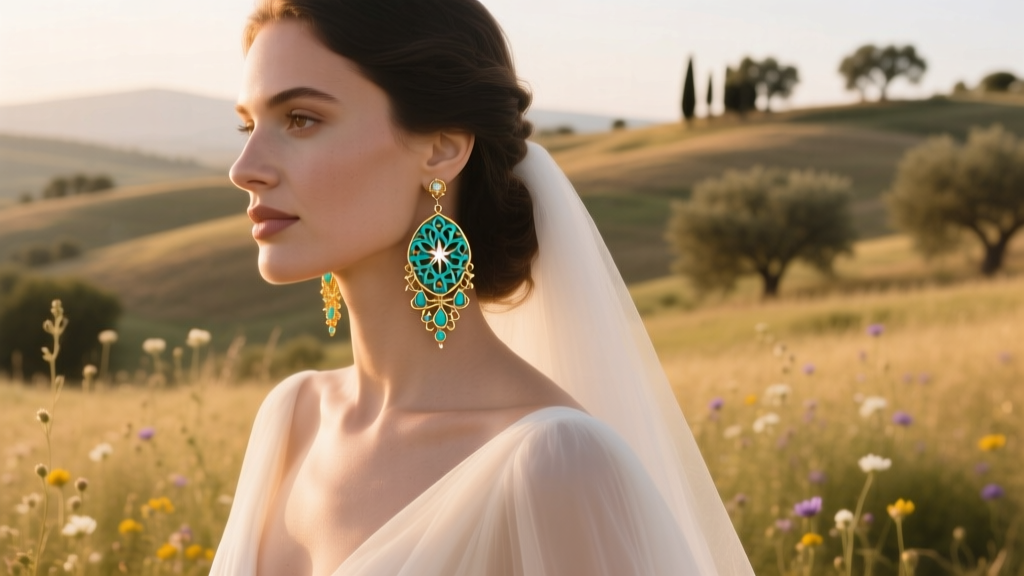
The bohemian bridal aesthetic is defined by its effortless, earthy elegance, but the reality of wearing artisan-crafted jewelry for twelve or more hours is often a logistical nightmare. As we navigate the 2026 bridal season, we are seeing a massive surge in brides opting for raw gemstones, intricate wire-wrapping, and cascading chain tassels. However, these stunning pieces frequently come with hidden structural flaws that can ruin your wedding day experience.
From severe earlobe strain and allergic contact dermatitis to catastrophic snags on delicate Chantilly lace veils, boho wedding earrings require strategic troubleshooting. This guide dives deep into the physics, metallurgy, and practical styling hacks needed to keep your ears comfortable and your jewelry secure from the first look to the final dance.
The Physics of Earlobe Strain and Tearing
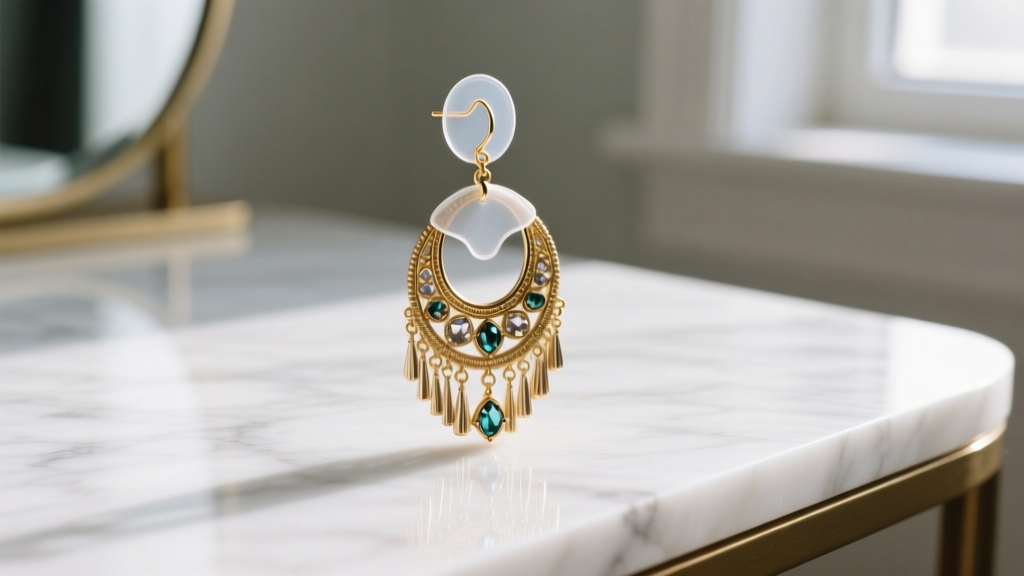
The standard earlobe piercing is a soft tissue tract that can comfortably support roughly 7 to 10 grams of weight. Many handcrafted boho wedding earrings—especially those featuring solid brass components, large turquoise cabochons, or heavy silver filigree—routinely weigh between 20 and 40 grams per ear. When this weight is suspended from a thin 22-gauge or 24-gauge French wire, it creates a 'cheese-cutter effect.' Over the course of an 8-hour photo session and reception, the thin wire slowly migrates downward, stretching the piercing hole and causing micro-tears in the tissue.
Load-Bearing Solutions and Weight Distribution
To troubleshoot heavy dangles, you must increase the surface area that bears the load. Here are the most effective professional interventions:
- Medical-Grade Silicone Support Patches: These discreet, matte-finished adhesive patches (often 15mm in diameter) stick to the back of the earlobe. They feature a reinforced center slit that grips the earring post or wire, distributing a 30-gram earring's weight across the entire patch rather than a single millimeter of skin.
- Upgrading to Omega or Leverback Closures: If your artisan jeweler uses flimsy fishhook wires, request a swap to an 18-gauge or 16-gauge leverback. The thicker gauge resists bending, and the hinged closure prevents the earring from shifting forward, keeping the weight centered directly beneath the piercing tract.
- Ear Chains and Lobe-to-Helix Anchors: For ultra-heavy statement pieces, a delicate gold ear chain that connects the lobe earring to a secondary cartilage piercing (like a helix or flat) effectively offloads 50% of the weight to the firmer cartilage tissue.
The Snag Matrix: Navigating Veils, Lace, and Hair
Bohemian jewelry relies heavily on organic textures: open geometric frames, raw crystal points, and cascading chainmaille. While beautiful, these elements are essentially microscopic grappling hooks for bridal tulle, silk threads, and loose boho waves. A snag during the veil removal can easily bend a prong or snap a delicate jump ring.
| Earring Component | Snag Risk Level | Troubleshooting Mitigation |
|---|---|---|
| Open Jump Rings | Critical | Ensure all jump rings are soldered shut or use seamless continuous hoops for chain attachments. |
| Raw Crystal Points | High | Opt for tumbled or bezel-set stones rather than exposed, jagged raw points that catch on lace. |
| Chain Tassels | Moderate | Use heavier, thicker curb chains rather than fine cable chains, which easily tangle in hair and veil netting. |
| Filigree Wirework | High | Ensure the jeweler files and polishes all interior wire loops so no sharp burrs remain. |
The 'Festival Metal' Allergy Trap
A pervasive issue in the boho jewelry market is the use of unregulated or mislabeled alloys. Terms like 'Tibetan Silver,' 'Alpaca,' or 'Antiqued Brass' are frequently used to describe base metals that contain high levels of nickel, lead, or cadmium. According to the Mayo Clinic, nickel allergy is one of the most common causes of allergic contact dermatitis. When a bride sweats under warm studio lights or outdoor sun, the salt and moisture accelerate metal oxidation, leaching nickel ions directly into the skin and causing red, weeping, and intensely itchy earlobes right before portraits.
Verifying Hypoallergenic Materials
Do not rely on the term 'hypoallergenic' when purchasing boho wedding earrings, as it is largely an unregulated marketing term. Instead, demand specific material certifications from your jeweler:
- ASTM F136 Implant-Grade Titanium: The absolute gold standard for sensitive ears. It contains zero nickel and is highly resistant to corrosion.
- Niobium: A highly reactive metal that is naturally hypoallergenic and frequently used in artisan boho designs because it can be anodized into vibrant, earthy colors without using toxic dyes or plating.
- Solid 14k or 18k Gold: Ensure the piece is solid, not gold-plated over brass. Plating wears off quickly with friction, exposing the reactive base metal beneath.
Emergency Bridal Suite Fix: If you discover a nickel reaction on the morning of the wedding, paint the earring posts and wires with a thin layer of cyanoacrylate-based clear nail polish. This creates a temporary, impermeable plastic barrier between the metal and the skin.
Gemstone Security on the Dance Floor
Boho brides gravitate toward ethereal, earthy gemstones like turquoise, opal, moonstone, and labradorite. However, these stones are notoriously soft and fragile. On the Mohs scale of mineral hardness, turquoise ranks between 5 and 6, while moonstone is a 6 to 6.5. For context, a standard copper penny is a 3.5, and a steel knife is a 6.5. These stones will easily chip, crack, or pop out of their settings if bumped against a table or during enthusiastic hugs.
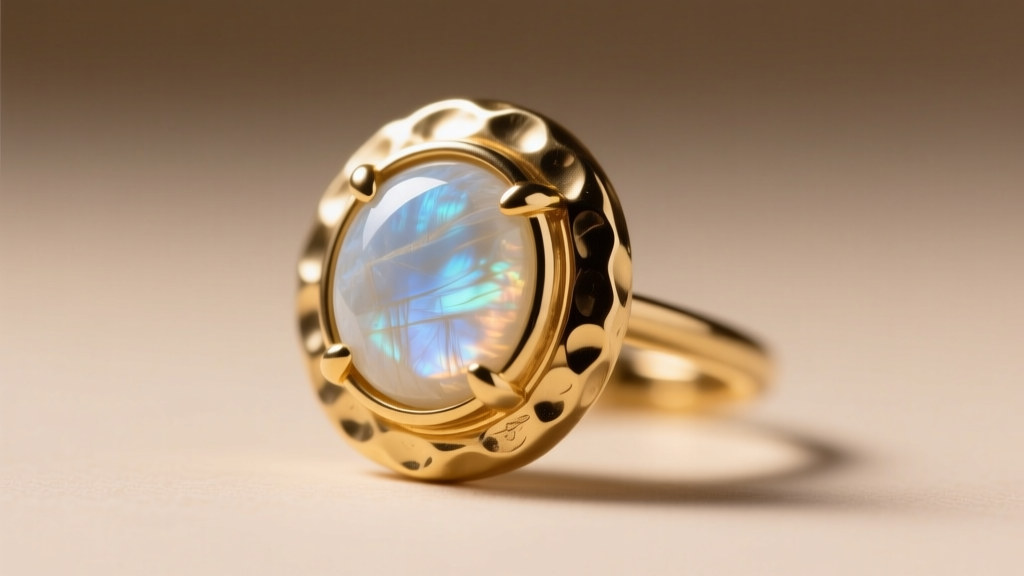
According to the Gemological Institute of America (GIA), turquoise is also highly porous. It can absorb oils, lotions, and even hairspray, which can permanently alter its color or cause it to degrade. To troubleshoot gemstone security and longevity:
- Ditch the Prongs: Prong settings rely on tension and leave the edges of soft stones exposed. For boho wedding earrings, always insist on a full bezel or semi-bezel setting, where a continuous rim of metal wraps around the stone's perimeter, protecting it from lateral impacts.
- Avoid Ultrasonic Cleaners: Never let a well-meaning bridesmaid clean your turquoise or opal earrings in an ultrasonic jewelry bath. The high-frequency vibrations will shatter raw or heavily included stones. Clean them only with a damp, lint-free microfiber cloth.
The Bridal Suite Emergency Earring Kit
Even with meticulous planning, jewelry mishaps happen. Assign your maid of honor or planner to keep a specialized troubleshooting kit in the bridal suite. This kit should include:
- GS Hypo Cement: A precision-tipped jeweler's adhesive for instantly re-gluing a loose turquoise cabochon or securing a slipping knot in a silk-wrapped earring.
- Silicone O-Rings and Earring Backs: Friction backs easily slide off heavy wires. Keep a pack of high-grip silicone O-rings to lock dangles in place.
- Isopropyl Alcohol Wipes: For instantly degreasing earlobes before applying silicone support patches, ensuring the adhesive bonds properly to the skin.
- Small Jewelry Pliers (Nylon Jaw): To gently squeeze open jump rings back into a perfect circle if a chain tassel gets pulled, without marring the soft gold or silver metal.
By addressing the structural realities of heavy metals, soft stones, and delicate fabrics, you can ensure your boho wedding earrings remain a source of joy and stunning photography, rather than a painful distraction. Prioritize weight distribution, verify your metal alloys, and secure your settings to enjoy every moment of your celebration in total comfort.


