Tupac Earrings: Material Comparison & Buying Guide
Discover the best materials for Tupac earrings. Compare gold karats, diamond grades, and moissanite to recreate iconic 90s hip-hop earring styles safely.

The Legacy of Tupac Earrings in Hip-Hop Culture
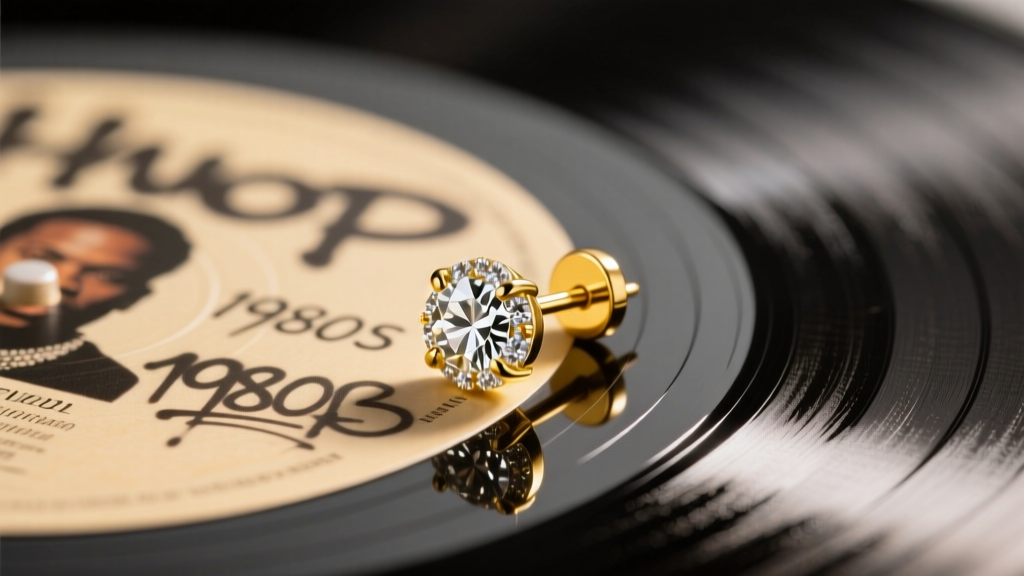
When discussing the evolution of hip-hop jewelry, few icons cast as long a shadow as Tupac Shakur. While often remembered for his poignant lyrics and cultural impact, Tupac’s aesthetic choices—particularly his earrings—helped define the 90s West Coast hip-hop style. Unlike the excessively large, heavy pieces that dominated the late 2000s, Tupac favored refined, high-quality staples. His signature look frequently featured a solitary, brilliant-cut diamond stud or a classic, medium-sized gold hoop. Today, sourcing or recreating authentic "Tupac earrings" requires a deep understanding of material properties. As of 2026, the market is flooded with cheap replicas that fail to capture the luxurious essence of his original pieces. To truly honor this legacy, collectors and stylists must look beyond the surface and evaluate the metallurgy, gemological properties, and structural integrity of the materials used.
Metal Matrix: Comparing Gold Alloys for 90s Studs
The foundation of any iconic hip-hop earring is its metal. Tupac’s jewelry was predominantly crafted from yellow gold, a metal that radiates warmth and prestige. However, pure 24-karat gold is far too soft for daily-wear earrings, especially for heavier stud settings. Therefore, understanding gold alloys is critical when shopping for Tupac-inspired earrings.
14K vs. 18K Yellow Gold
The debate between 14K and 18K gold is central to hip-hop jewelry fabrication. 14K gold consists of 58.5% pure gold, alloyed with metals like copper, silver, and zinc. This composition yields a highly durable metal with excellent tensile strength, making it ideal for earring posts that must support the weight of a 1.5 to 2-carat stone without bending. However, the higher alloy content slightly dilutes the rich, buttery yellow hue that defined 90s hip-hop aesthetics.
Conversely, 18K gold contains 75% pure gold. It offers a noticeably deeper, more saturated yellow tone that closely mimics the vintage pieces worn by Tupac and his contemporaries. The trade-off is structural softness. An 18K gold earring post is more prone to warping if snagged or slept in. According to the Federal Trade Commission (FTC) Jewelry Guides, any piece stamped as 18K must meet strict purity tolerances, ensuring you are getting the exact alloy ratio required for that authentic vintage luster.
The Verdict on White Gold and Platinum
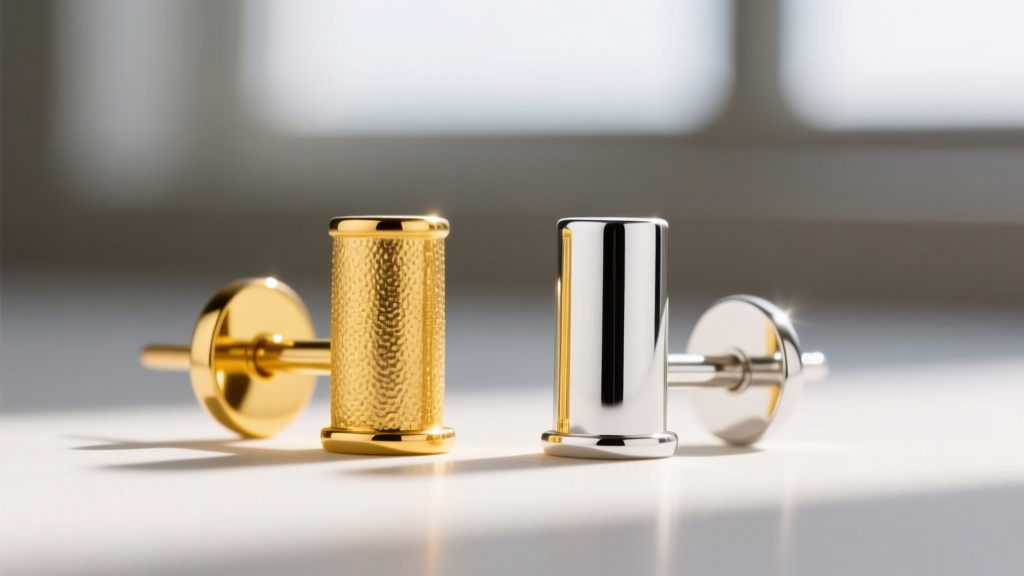
While yellow gold is the historical standard for Tupac earrings, white gold and platinum offer a modern, icy alternative. White gold is essentially yellow gold alloyed with white metals (like nickel or palladium) and plated with rhodium to achieve a mirror-like finish. The primary failure mode of white gold is rhodium degradation; the plating wears off over time, revealing the slightly yellowish base metal beneath. Platinum, while hypoallergenic and incredibly dense, lacks the warm cultural resonance of yellow gold in the context of 90s West Coast hip-hop, making it less suitable for historically accurate Tupac replicas.
Stone Selection: Diamonds, Moissanite, and CZ
The centerpiece of the classic Tupac stud earring is the stone. Tupac’s diamond was renowned for its exceptional brilliance, catching the light in music videos and photographs. When recreating this look, buyers must navigate the complex landscape of natural diamonds, lab-grown diamonds, moissanite, and cubic zirconia (CZ).
Natural diamonds remain the gold standard for authenticity and investment value. For a Tupac-style stud, a 1.00 to 2.00-carat round brilliant cut with VS2 clarity and G-H color provides the perfect balance of icy brilliance and eye-clean performance. However, the Gemological Institute of America (GIA) notes that natural diamonds of this caliber command premium prices, often exceeding $10,000 per carat depending on market fluctuations.
Lab-grown diamonds have disrupted the market by 2026, offering identical physical, chemical, and optical properties to mined diamonds at a fraction of the cost. They are an excellent choice for purists who demand real carbon crystal structures without the ethical or financial overhead.
Moissanite (silicon carbide) is the premier alternative for those prioritizing maximum brilliance. Moissanite possesses a refractive index (RI) of 2.65, significantly higher than a diamond’s 2.42. This results in exceptional "fire" or dispersion, creating a rainbow-like sparkle that is highly prized in hip-hop jewelry. While purists might argue it looks "too fiery" compared to a diamond, its Mohs hardness of 9.25 ensures it will never scratch or cloud with daily wear.
Cubic Zirconia (CZ), on the other hand, should be strictly avoided for high-end Tupac replicas. With a Mohs hardness of only 8.0 to 8.5, CZ is highly porous. Over time, it absorbs sebum, lotions, and environmental oils, leading to a permanent cloudy appearance that completely ruins the "ice" effect.
Material Comparison Chart
| Material | Refractive Index (RI) | Mohs Hardness | Longevity & Failure Modes | Price Range (1.5ct) |
|---|---|---|---|---|
| Natural Diamond | 2.42 | 10 | Exceptional; can chip on girdle if struck. | $8,000 - $15,000+ |
| Lab-Grown Diamond | 2.42 | 10 | Exceptional; identical physical properties. | $1,200 - $3,000 |
| Moissanite | 2.65 | 9.25 | Excellent; high dispersion, highly durable. | $400 - $900 |
| Cubic Zirconia | 2.15 | 8.0 - 8.5 | Poor; absorbs oils, clouds, scratches easily. | $10 - $50 |
Sizing and Gauge Specifications for Authenticity
A frequently overlooked aspect of earring material science is the gauge—the thickness of the metal post that passes through the earlobe. Standard fashion earrings typically use a 20-gauge (0.81mm) or 18-gauge (1.02mm) wire. However, a genuine Tupac-style hip-hop stud features a larger, heavier face. If a heavy 18K gold setting holding a 1.5-carat stone is mounted on a flimsy 20-gauge post, the earring will inevitably droop, pointing downward instead of sitting flush and proud against the earlobe.
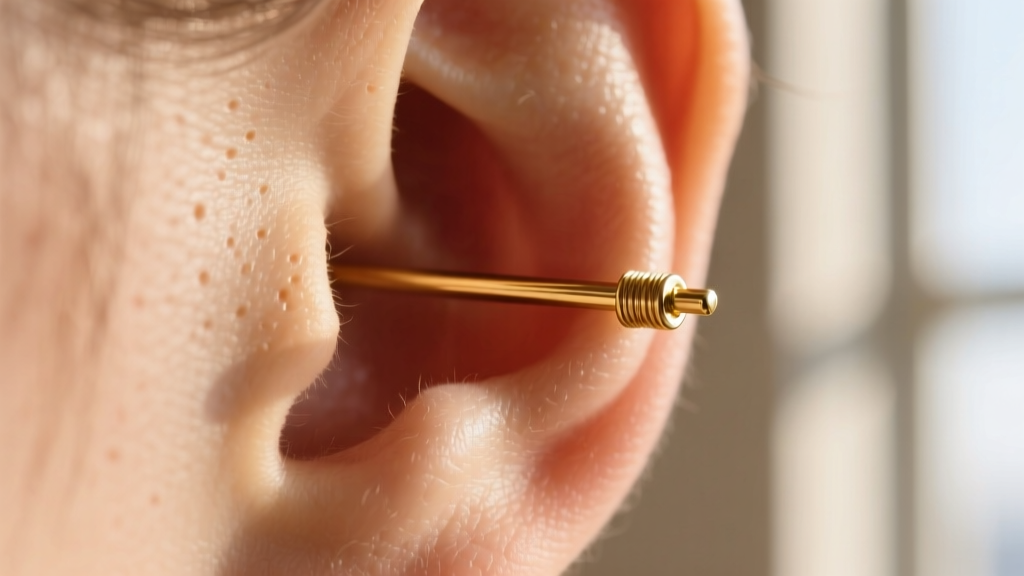
To maintain the structural integrity and the correct visual posture of the earring, custom jewelers fabricate these pieces with a 16-gauge (1.29mm) or even a 14-gauge (1.63mm) post. This thicker wire provides the necessary tensile strength to support the weight of the stone and the metal basket. Furthermore, the backing mechanism is crucial. Standard friction backs (butterfly clasps) frequently fail on heavy hip-hop studs, leading to lost diamonds. For authentic Tupac replicas, always insist on screw-backs or locking clutch backs, which thread onto the post or utilize a silicone-lined locking mechanism to secure the piece permanently during wear.
Maintenance and Material Degradation
Even the highest quality Tupac earrings require meticulous maintenance to preserve their material properties. Gold alloys, particularly those with higher copper content (like some 14K rose or yellow golds), can oxidize or react with sulfur in the environment, leading to surface tarnish. While pure gold does not tarnish, the alloy metals do. Regular cleaning with a mild, non-detergent soap and a soft-bristled brush is essential to remove the microscopic layers of dead skin and sebum that dull the diamond's light return.
Ultrasonic cleaners are highly effective for natural and lab-grown diamonds set in solid gold. However, if your Tupac earrings feature fracture-filled diamonds or are set with moissanite, ultrasonic vibrations can sometimes loosen the prongs over time or exacerbate existing internal fractures in lower-clarity natural stones. Additionally, never expose rhodium-plated white gold earrings to chlorine or harsh household chemicals, as this will rapidly strip the plating, requiring an expensive re-dipping process at the jeweler.
Conclusion
Recreating the iconic Tupac earring aesthetic is an exercise in material science as much as it is an homage to hip-hop history. By prioritizing 18K yellow gold for its authentic vintage hue, selecting high-refractive-index stones like VS-clarity lab-grown diamonds or premium moissanite, and engineering the piece with a 16-gauge structural post, you ensure the earring not only looks the part but performs flawlessly. Avoid the trap of cheap CZ and flimsy wire posts; true hip-hop luxury is defined by permanence, weight, and uncompromising material quality.


