Best Materials for Twist Back Earrings: A Deep Comparison
Discover the best materials for twist back earrings. We compare titanium, gold, and steel threading durability, hypoallergenic properties, and pricing.

The Mechanics of Twist Back Earrings: Why Material Matters
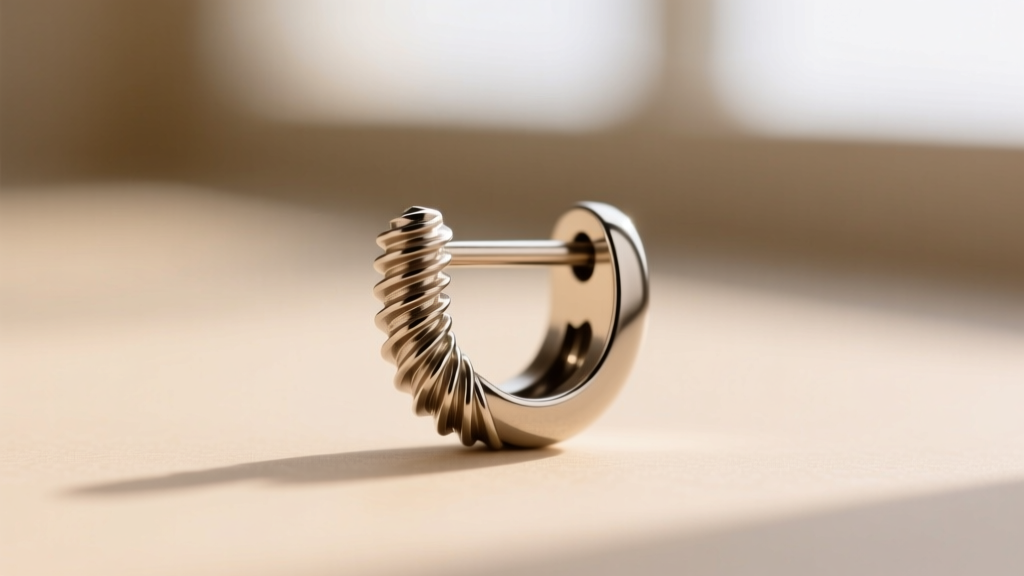
Twist back earrings, frequently referred to as screw back earrings, represent the gold standard in earring security. Unlike traditional push backs (friction backs) that rely on the tension of a metal clutch, twist backs utilize a threaded post and a matching internally threaded nut. This mechanical lock prevents the earring from falling off during sleep, exercise, or daily wear. However, this secure mechanism introduces a critical vulnerability: the threads themselves.
The longevity and safety of twist back earrings are entirely dependent on the physical properties of the metal used to machine the post and the nut. Standard earring posts range from 20-gauge (0.81mm) to 18-gauge (1.02mm). When a metal is too soft, the microscopic threads strip after repeated use. When a metal is overly brittle or improperly alloyed, the post can snap under torque. Furthermore, the machining process exposes the metal's raw crystalline structure, which can trigger contact dermatitis if the alloy contains hidden irritants like nickel or cadmium. Choosing the right material is not just about aesthetics; it is an engineering decision.
Material Breakdown: Threading Durability & Biocompatibility
Implant-Grade Titanium (ASTM F136)
For sensitive ears and long-term wear, Implant-Grade Titanium (specifically Ti-6Al-4V ELI, meeting ASTM F136 standards) is the undisputed champion of twist back earrings. Titanium possesses a Vickers hardness (HV) of approximately 350, making it exceptionally resistant to thread stripping. Even on delicate 20-gauge posts, titanium threads maintain their structural integrity for thousands of rotations. Additionally, titanium naturally forms a passive oxide layer when exposed to oxygen, rendering it 100% nickel-free and highly biocompatible. According to the Association of Professional Piercers (APP), ASTM F136 titanium is the premier choice for initial piercings and sensitive tissue, making it ideal for daily-wear screw backs.
14K and 18K Solid Gold
Gold is a classic choice, but its purity drastically affects thread durability. Pure 24K gold is far too soft for threading and would strip immediately. Therefore, twist back earrings are crafted from 14K or 18K alloys. 14K gold (58.5% pure gold) is alloyed with metals like copper, silver, and zinc, giving it a Vickers hardness of around 150-180 HV. This makes 14K gold highly suitable for 18-gauge threaded posts. 18K gold (75% pure gold) is softer and more prone to cross-threading. As noted by the Gemological Institute of America (GIA), the specific alloy mix in gold jewelry dictates its durability; buyers should ensure their 18K twist backs feature a thicker 16-gauge post to compensate for the softer metal.
Surgical Stainless Steel (ASTM F138)
Surgical steel is the most common and affordable material for twist back earrings, but it comes with significant caveats. While ASTM F138 steel is hard (approx. 200-250 HV) and machines beautifully, creating sharp, precise threads, it inherently contains 8-12% nickel. The friction of screwing and unscrewing the back can cause microscopic wear, releasing nickel ions directly into the earlobe. For individuals with nickel sensitivities, the mechanical action of a twist back can provoke a localized allergic reaction, even if the metal is labeled "hypoallergenic."
Platinum
Platinum is the premium, ultra-luxury option for fine jewelry. It is incredibly dense and possesses high tensile strength, meaning it will not wear away or lose mass over time. However, platinum is relatively soft on the Vickers scale (approx. 110-150 HV). To prevent thread stripping in platinum twist back earrings, jewelers must use work-hardening techniques and typically machine the posts at a thicker 16-gauge or 14-gauge diameter. It is entirely hypoallergenic and will never tarnish, but the high cost of raw materials and specialized machining makes platinum screw backs exceptionally rare and expensive.
Comparative Data: Hardness, Pricing, and Thread Lifespan
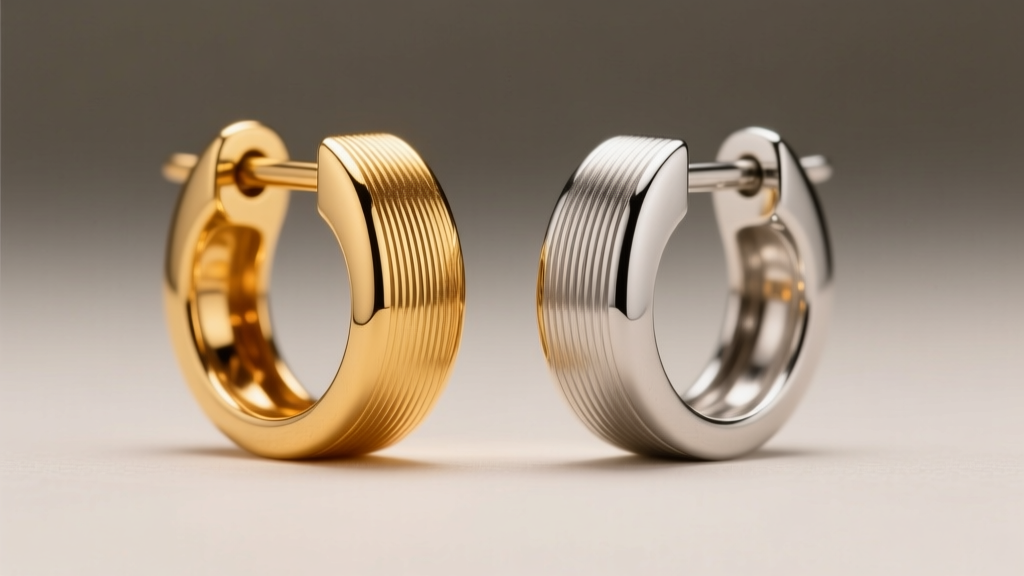
To help you make an informed purchasing decision, we have compiled a technical comparison of the four primary metals used in twist back earrings. This data assumes a standard 18-gauge (1.0mm) post with a 0.8mm thread pitch.
| Material | ASTM Standard | Vickers Hardness (HV) | Avg Price Range (Studs) | Thread Lifespan | Nickel Risk |
|---|---|---|---|---|---|
| Implant-Grade Titanium | F136 | ~350 | $40 - $120 | 10+ Years | None |
| 14K Solid Gold | N/A | ~160 | $150 - $400 | 5 - 8 Years | Low (Alloy dependent) |
| 18K Solid Gold | N/A | ~130 | $250 - $800+ | 3 - 5 Years (if 18G) | Low (Alloy dependent) |
| Surgical Steel | F138 | ~220 | $15 - $50 | 3 - 5 Years | High (8-12% content) |
| Platinum | N/A | ~125 | $600 - $2,000+ | Lifetime (if 16G+) | None |
Common Failure Modes in Twist Back Mechanisms
Understanding how twist back earrings fail is crucial for maximizing their lifespan. The threading mechanism is a precision component that requires careful handling.
- Cross-Threading: This occurs when the nut is forced onto the post at an incorrect angle. Instead of following the existing grooves, the nut cuts new, misaligned threads. This is most common in softer metals like 18K gold and can permanently ruin the post.
- Thread Stripping: Over-tightening the earring back, especially on 20-gauge posts made of lower-karat gold or silver, will shear the microscopic peaks off the threads, rendering the locking mechanism useless.
- Galvanic Corrosion: If you mix metals—for example, using a surgical steel nut on a solid gold post—the presence of moisture (sweat, shower water) creates a galvanic cell. This micro-electrical current accelerates corrosion, causing the threads to fuse together or degrade rapidly.
- Debris Accumulation: Dead skin cells, sebum, and lotions can pack into the thread grooves. Over time, this hardened debris acts as an abrasive, grinding down the metal threads with every rotation.
Expert Maintenance Tips for Long-Lasting Threads
To protect the integrity of your twist back earrings, implement a strict maintenance routine. Never force the nut onto the post. If you feel resistance, back it off and realign it. The nut should glide smoothly with minimal finger pressure.
"The secret to preserving screw back earrings is treating the threads like a precision watch component. Clean them weekly with 91% isopropyl alcohol to dissolve sebum, and apply a microscopic drop of jojoba oil to the threads once a month to reduce friction and prevent metal-on-metal wear."
Furthermore, always store your twist back earrings with the nuts screwed completely off the posts. Leaving them tightly screwed together in a jewelry box can trap moisture against the threads, accelerating oxidation in non-platinum metals. According to dermatological research published via the Mayo Clinic, keeping jewelry meticulously clean also prevents the buildup of bacterial biofilms that can mimic or exacerbate metal allergy symptoms.
Final Verdict: Which Material Should You Choose?
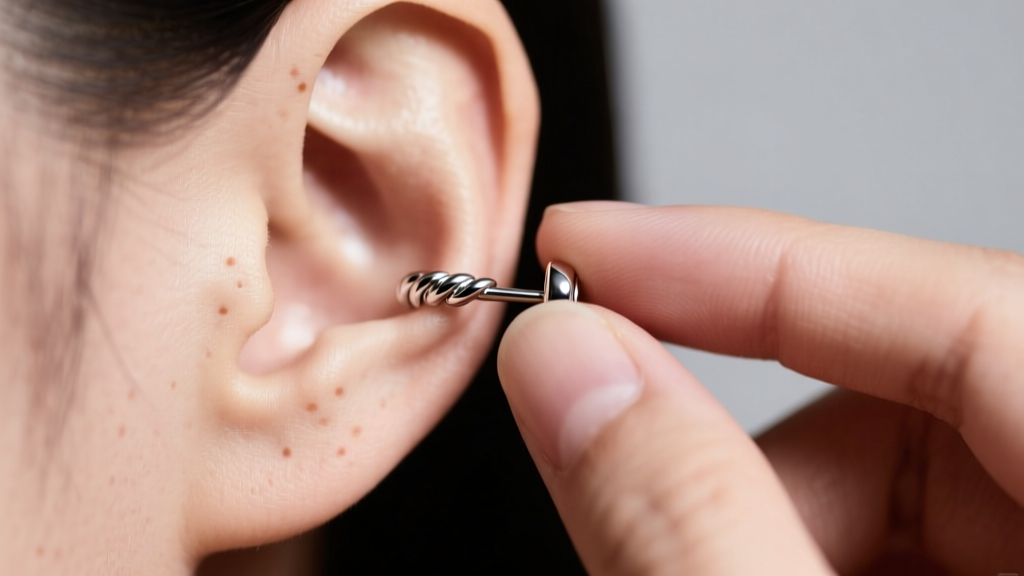
The ideal material for your twist back earrings depends entirely on your budget, skin sensitivity, and gauge preference. If you have sensitive ears or want a lightweight, indestructible option for daily wear, Implant-Grade Titanium (ASTM F136) is the ultimate choice. It offers the best thread durability at a highly accessible price point. For those seeking luxury and heirloom quality, 14K Solid Gold provides the perfect balance of precious metal value and threading hardness, provided you stick to 18-gauge or thicker posts. Avoid surgical steel if you have any history of contact dermatitis, and reserve platinum for special, thick-posted fine jewelry pieces where budget is not a constraint.


