Styling Two Earrings on a Guy: Technical Fit & Metals
Master the mechanics of styling two earrings on a guy. Explore gauge sizes, lobe anatomy, biocompatible metals, and weight distribution for men.

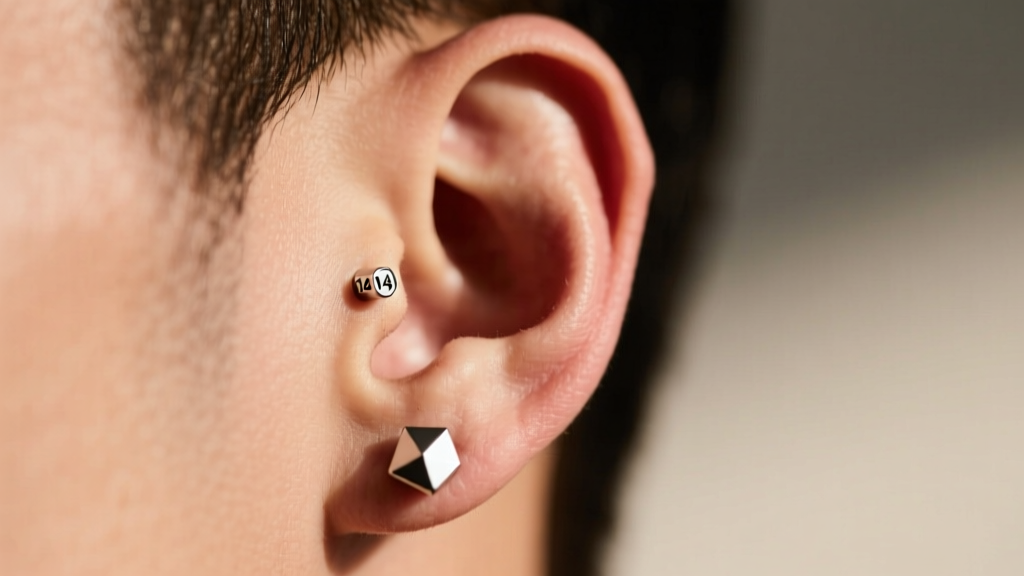
The Biomechanics of Male Earlobe Tissue
Men's ear styling has graduated from generic department-store studs to highly curated, anatomically sound configurations. When styling two earrings on a guy, whether through bilateral symmetry or dual placements on a single lobe, the underlying biomechanics of male tissue demand a technical approach. This guide bypasses superficial fashion advice to explore the metallurgy, gauge physics, and structural load limits required for long-term male ear health.
Male earlobes differ structurally from female lobes. They generally possess a higher collagen density and thicker dermal layers, averaging 2.5mm to 4.0mm in thickness. However, male skin also features a higher concentration of sebaceous glands and a lower surface pH, creating an environment where trapped sebum and cheap metal alloys rapidly oxidize and cause contact dermatitis. When placing two earrings on a guy, the piercer must account for the vascular network to avoid excessive bleeding and ensure the jewelry's post length accommodates the thicker tissue without causing compression necrosis during the initial healing phase.
Gauge Sizing and the Physics of Shear Stress
The most common failure mode in men's earrings is the 'cheese cutter effect.' This occurs when a thin wire (typically 18G or 20G) supports a heavy hoop or pendant, creating localized shear stress that slowly migrates through the tissue. To maintain structural integrity, especially when balancing the visual weight of two earrings, upgrading the gauge is non-negotiable.
| Gauge | Thickness (mm) | Max Safe Weight | Best Application |
|---|---|---|---|
| 18G | 1.0mm | 3g | Lightweight huggies, temporary wear |
| 16G | 1.2mm | 5g | Standard hoops, medium drops |
| 14G | 1.6mm | 8g+ | Heavy studs, sleepers, long-term structural integrity |
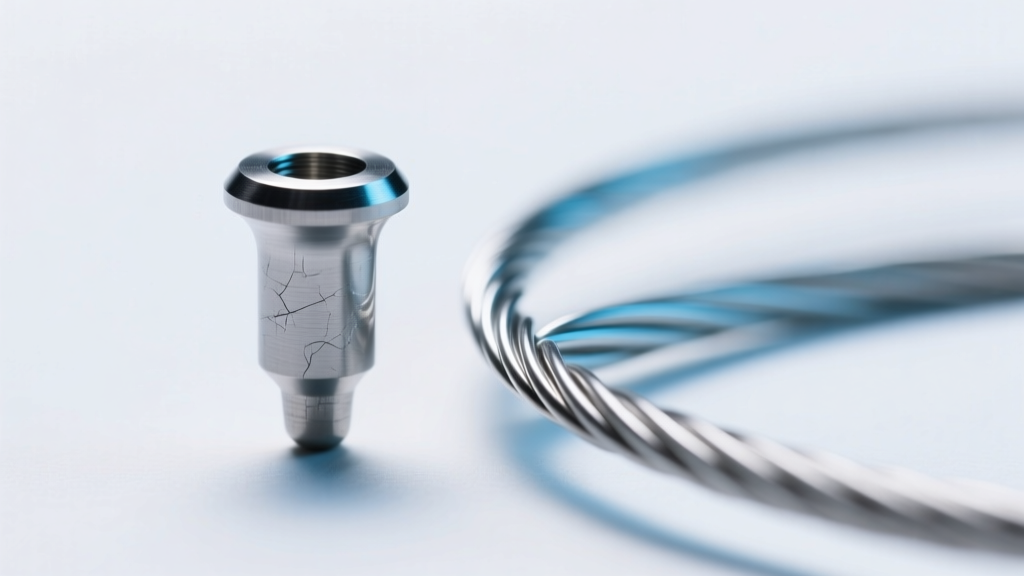
Why 14G is the Structural Sweet Spot
For men wearing two earrings daily, 14-gauge (1.6mm) jewelry provides the optimal tensile strength. A 14G titanium post has a cross-sectional area roughly 60% larger than an 18G post, distributing the downward force of heavier masculine jewelry designs—such as solid signet drops or thick segment rings—across a wider tissue bed. This prevents lobe elongation over decades of wear.
Metallurgy: Navigating Male Skin Profiles
Men's higher sebum production and sweat rates accelerate the corrosion of low-grade metals. The ubiquitous 'surgical steel' (316L) contains up to 14% nickel, which frequently triggers allergic reactions when trapped against the skin by friction-back clasps. According to the Association of Professional Piercers (APP), the only acceptable standard for long-term wear in high-moisture environments is Implant-Grade Titanium, specifically alloyed to ASTM F136 or ASTM F1295 standards.
This alloy forms a passive chromium oxide layer that resists corrosion from acidic sweat. For men seeking darker, tactical aesthetics, Niobium (anodized to black or dark grey) offers identical biocompatibility without the nickel risk. Avoid gold-plated brass or sterling silver for fresh or active piercings, as the soft alloys harbor bacteria and the plating wears off rapidly against thicker male tissue.
Configuration Dynamics: Symmetry vs. Asymmetry
When styling two earrings on a guy, the spatial configuration dictates the healing protocol and jewelry selection.
- Bilateral Symmetry (One on each lobe): Requires matching visual weight but allows for independent healing. Tension is distributed evenly across the head's sagittal plane.
- Unilateral Dual (Two on one lobe): Demands precise spatial mapping. The standard distance between a primary lobe piercing and a secondary upper-lobe placement is 6mm to 8mm. If placed too close, the jewelry backs will compress the tissue between them, leading to localized ischemia and rejection.
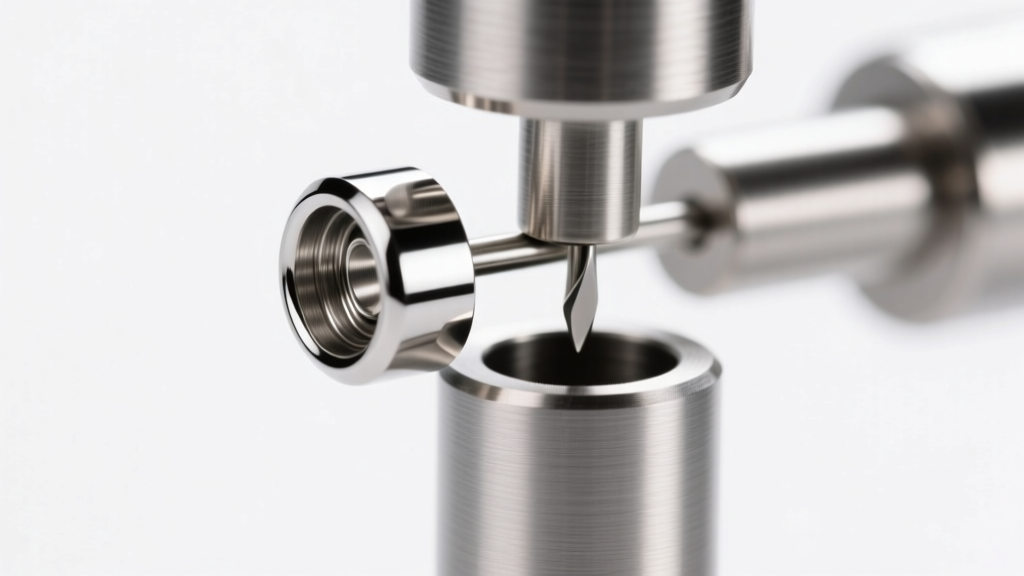
The Superiority of Threadless Mechanics
For dual-lobe configurations, threadless labret posts are mandatory to allow custom pin bending for exact tension. Threadless jewelry relies on tension rather than screw threads. The pin on the decorative end must be bent slightly—usually between 10 to 15 degrees—before insertion into the hollow shaft. For men who frequently remove their earrings for sports or manual labor, threadless ends are vastly superior because they do not suffer from cross-threading or micro-thread degradation over hundreds of insertion cycles. The tension can be adjusted by bending the pin further for a tighter grip or straightening it for a looser fit, providing a customized mechanical lock that friction backs simply cannot achieve.
Troubleshooting Common Mechanical Failures
Even with perfect placement, mechanical failures occur. Here is how to diagnose and resolve them based on clinical piercing standards:
- Embedding: Caused by using standard friction-back 'butterfly' clasps on thick male lobes. The clasp digs into the tissue as the lobe swells. Solution: Switch to internally threaded or threadless flat-back labrets with 3mm or 4mm base plates to distribute pressure.
- Sebum Buildup & Odor: Dead skin cells and sebum accumulate in the fistula (piercing channel), creating a distinct odor. Solution: Daily cleansing with sterile 0.9% sodium chloride saline. The American Academy of Dermatology warns against harsh astringents like tea tree oil or alcohol on compromised skin barriers, as they strip the lipid layer and trigger compensatory sebum overproduction.
- Thread Stripping: Men often overtighten internally threaded jewelry. Solution: Use a rubber-grip pad or specialized jewelry pliers with nylon jaws to secure the end without applying destructive torque to the micro-threads.
Healing Timelines and Epithelialization
The initial healing phase for a standard lobe piercing is 6 to 8 weeks, but male earlobes, due to their density, may require up to 10 weeks for the fistula to fully epithelialize. During this window, the jewelry must not be rotated. The outdated advice of 'twisting the earring to keep it from sticking' actually tears the fragile newly formed epithelial cells, introducing bacteria from the outer skin into the healing wound. Modern aftercare relies entirely on the 'leave it alone' methodology, utilizing sterile saline spray to gently soften and rinse away any lymphatic crusties without mechanical disruption.
Properly styling two earrings on a guy is an exercise in applied physics and dermatology. Prioritize 14-gauge implant-grade titanium and threadless mechanics to ensure the configuration lasts a lifetime without tissue degradation.


