The Ultimate Guide to Cleaning Gemstone Chip Earrings
Discover expert methods to safely clean, store, and maintain gemstone chip earrings. Learn about Mohs hardness, ultrasonic risks, and micro-prong care.

The Unique Vulnerabilities of Chip Settings
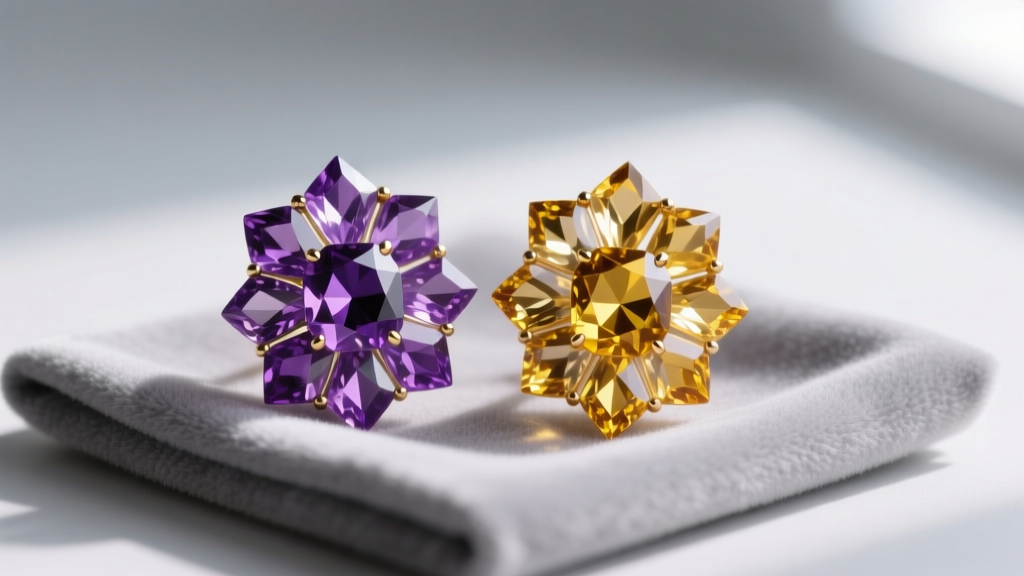
Gemstone chip earrings offer a beautifully organic, bohemian aesthetic that contrasts sharply with the rigid symmetry of calibrated faceted stones. However, their irregular shapes and clustered settings make them notorious magnets for sebum, dead skin cells, environmental dust, and cosmetic residues. Unlike smooth, domed cabochons, the jagged crevices of raw or tumbled chips create microscopic traps for debris. Furthermore, because chips are often cut from lower-grade or heavily included rough material, they are frequently subjected to fracture-filling or wax-treatment processes that can be destroyed by harsh chemicals. As we navigate the jewelry care landscape in 2026, many commercial 'all-purpose' dips contain aggressive solvents that will permanently cloud these delicate stones. Understanding the specific mineralogy and setting mechanics of your earrings is the first step toward preserving their luster.
The Mohs Hardness Scale and Porosity: Why Your Method Matters
The Gemological Institute of America (GIA) emphasizes that a gemstone's Mohs hardness and porosity dictate its cleaning protocol. Gemstone chips are frequently sourced from softer, more porous mineral families. Submerging a porous stone in liquid allows water and dissolved chemicals to penetrate the crystal lattice, potentially causing discoloration or structural weakening.
| Gemstone Chip Type | Mohs Hardness | Porosity & Treatments | Safe Cleaning Method |
|---|---|---|---|
| Turquoise & Lapis Lazuli | 5.0 - 6.0 | Highly porous; often waxed or stabilized | Dry microfiber wipe only; no soaking |
| Opal & Moonstone | 5.5 - 6.5 | Water-sensitive; prone to crazing | Damp cloth; avoid temperature shocks |
| Amethyst & Citrine | 7.0 | Low porosity; heat-sensitive | Mild soap soak; soft brush agitation |
| Garnet & Peridot | 6.5 - 7.5 | Moderate inclusions; acid-sensitive | Brief lukewarm soak; no ultrasonic |
The Step-by-Step Cleaning Protocol for Harder Chips
For harder, non-porous gemstone chip earrings (such as quartz varieties, beryl, or corundum), a meticulous manual cleaning process is required to dislodge debris from the irregular stone clusters without damaging the metalwork.
Preparation and Materials
- Distilled Water: Never use tap water. The chlorine and dissolved minerals in municipal water can leave microscopic calcified deposits on the uneven surfaces of chip stones, dulling their natural fire.
- Phosphate-Free Dish Soap: Use a mild, lotion-free detergent (like original Dawn). Avoid soaps with added moisturizers, which will leave a filmy residue in the crevices of the chips.
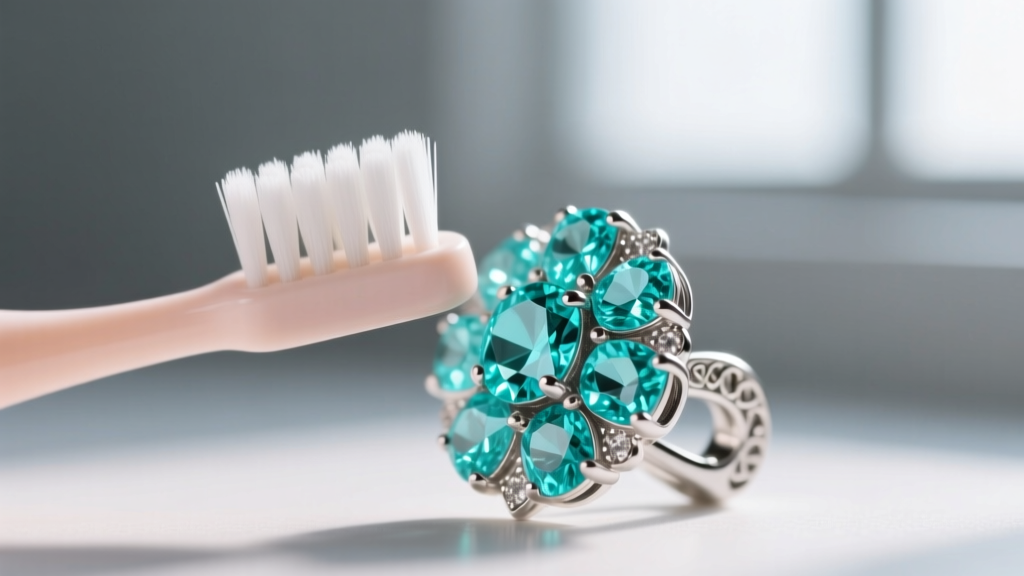
- Extra-Soft Baby Toothbrush: Standard jewelry brushes often have bristles that are too stiff and can scratch softer stones or bend micro-prongs.
- Lint-Free Microfiber Cloth: Avoid cotton swabs or tissue paper, as the fibers will snag on the jagged edges of the gemstone chips and the tiny prongs holding them.
The Soaking and Agitation Phase
Mix three drops of phosphate-free soap into one cup of lukewarm distilled water. Submerge your gemstone chip earrings for no more than three to five minutes. This brief window is enough to soften cosmetic buildup without compromising the integrity of the metal settings or any potential epoxy used in the cluster assembly. After soaking, take your damp baby toothbrush and gently sweep across the surface of the chips. Do not scrub in tight circles; instead, use light, directional strokes to push debris out from beneath the stones and away from the setting.
Rinsing and Drying
Rinse the earrings under a gentle stream of lukewarm distilled water. Ensure the drain is securely plugged or use a small mesh strainer to prevent a tragic loss down the sink. To dry, gently pat the earrings with a microfiber cloth. For the stubborn water droplets trapped between the clustered chips, use a can of compressed air (held at least six inches away) or a cool-setting hair dryer to blow the moisture out of the crevices. Trapped moisture against the metal backing can accelerate tarnishing, especially if the earrings are set in sterling silver.
The Ultrasonic Cleaner Trap: What to Avoid
It is incredibly tempting to drop clustered jewelry into a modern ultrasonic cleaner, but this is a catastrophic mistake for gemstone chip earrings. Ultrasonic cleaners work through cavitation—generating high-frequency sound waves that create microscopic vacuum bubbles in the liquid. When these bubbles collapse, they release intense localized shockwaves.
"Ultrasonic cleaners can shake stones loose from their settings or shatter gems that have internal fractures or inclusions. Chips, by their very nature, are irregular and often contain natural flaws that make them highly susceptible to vibrational damage." — American Gem Society (AGS)
Beyond the risk of shattering the stones, the intense vibrations can easily bend the delicate micro-prongs or shared-bezel walls that secure the chips, leading to immediate stone loss. Furthermore, if your chips are fracture-filled with glass or resin (a common treatment for emerald and ruby chips), the heat and cavitation will melt or cloud the filler, ruining the stone's appearance permanently.
Micro-Prong and Bezel Maintenance for Clusters
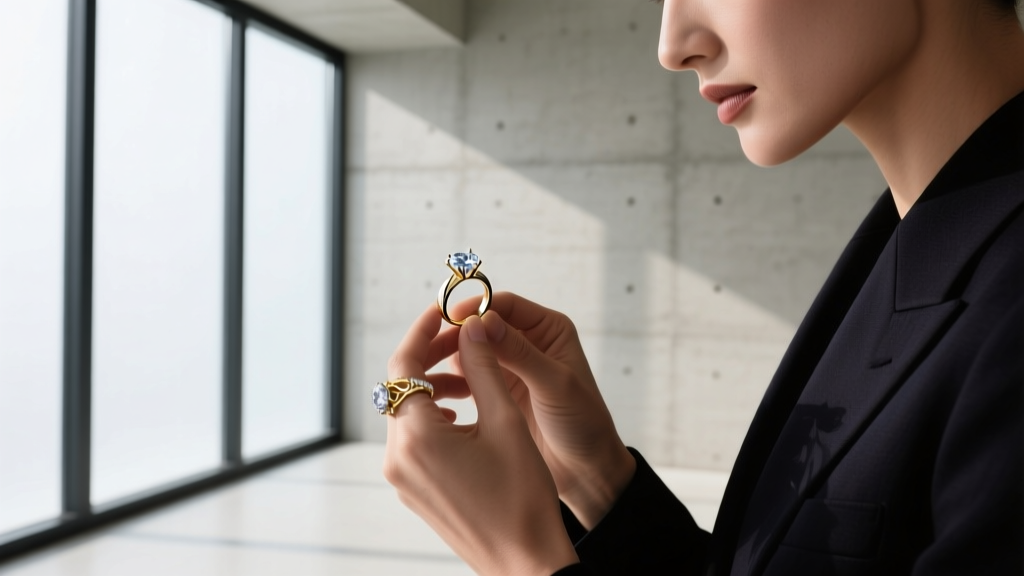
Gemstone chips are typically secured using micro-prongs, glue, or shared bezels. Because the stones lack uniform dimensions, the jeweler must custom-bend each tiny prong to grip the specific edge of the chip. Over time, hair, scarves, and even the friction of putting on masks can catch and pull these micro-prongs outward.
The Silk Snag Test: Once a month, gently run a piece of sheer silk fabric or a nylon stocking over the face of your gemstone chip earrings. If the fabric catches or pulls, you have a lifted micro-prong. Do not attempt to push it back down yourself with pliers, as the uneven pressure can easily crack the edge of the irregular stone. Take the piece to a professional jeweler who can use a microscope and specialized setting burs to safely tighten the prong against the chip's unique contour.
Proper Storage to Prevent Micro-Scratches
When storing gemstone chip earrings, never toss them loosely into a communal jewelry box. The jagged edges of the chips can easily scratch softer metals, and conversely, harder gemstones (like sapphire or topaz chips) will scratch the metal settings of neighboring pieces. Store each pair in its own individual polyethylene ziplock bag. If your earrings feature sterling silver settings, include a 3M anti-tarnish strip in the bag to absorb ambient sulfur and prevent the silver from oxidizing, which is particularly difficult to clean out from beneath tightly clustered chip stones without professional polishing equipment.


