Valentino Stud Earrings: Authentication & Repair Guide
Troubleshoot common issues with Valentino stud earrings. Learn how to authenticate Rockstuds, fix drooping lobes, and restore tarnished metal finishes.

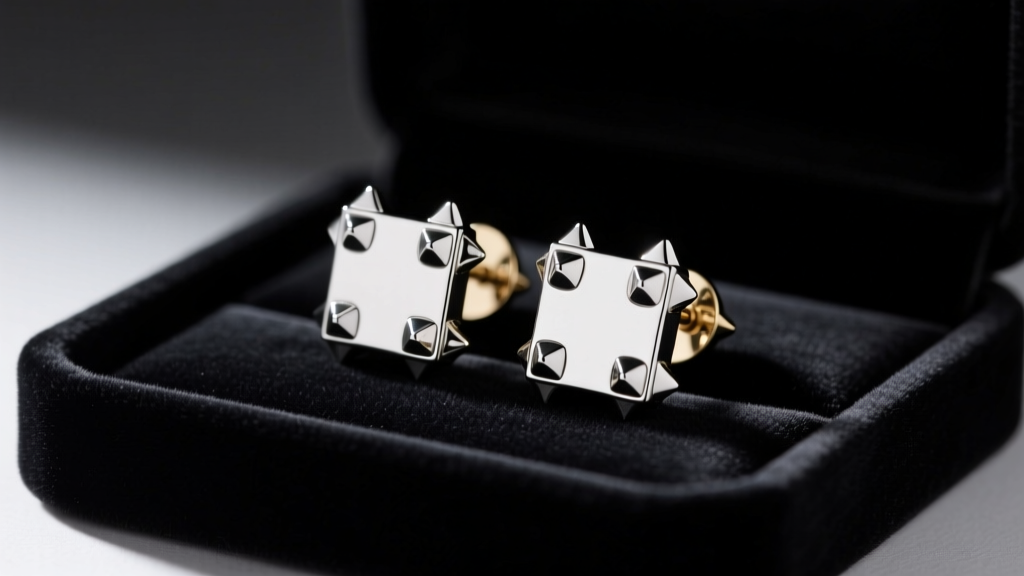
The secondary market for luxury jewelry has exploded as we move through 2026, and few pieces are as highly sought after—or as heavily counterfeited—as Valentino stud earrings. Specifically, the iconic Rockstud collection, characterized by its signature pyramid studs, remains a staple in both vintage archives and contemporary boutiques. However, owning a pair of these architectural masterpieces comes with a unique set of maintenance challenges. From metal degradation to structural failures caused by the earring's substantial weight, troubleshooting Valentino stud earrings requires a deep understanding of luxury metallurgy and jewelry physics.
Whether you are trying to verify a recent resale purchase, fix a bent post, or stop your earlobes from drooping under the weight of brass, this comprehensive guide provides actionable, expert-level solutions. Retail prices for authentic Valentino Rockstud earrings typically range from $350 to $650, while the secondary market sees high demand between $200 and $450 depending on the condition and finish. Protecting that investment starts with knowing exactly what you are dealing with.
The Authenticity Checklist: Spotting Counterfeit Rockstuds
The proliferation of high-quality "super fakes" in the luxury market means that visual inspection alone is no longer sufficient. Authentic Valentino Garavani jewelry relies on precise manufacturing tolerances that counterfeiters often fail to replicate due to the high cost of tooling. According to authentication standards outlined by Valentino Garavani, the brand utilizes specific metal alloys and hand-assembly techniques that leave distinct forensic markers.
Key Authentication Markers
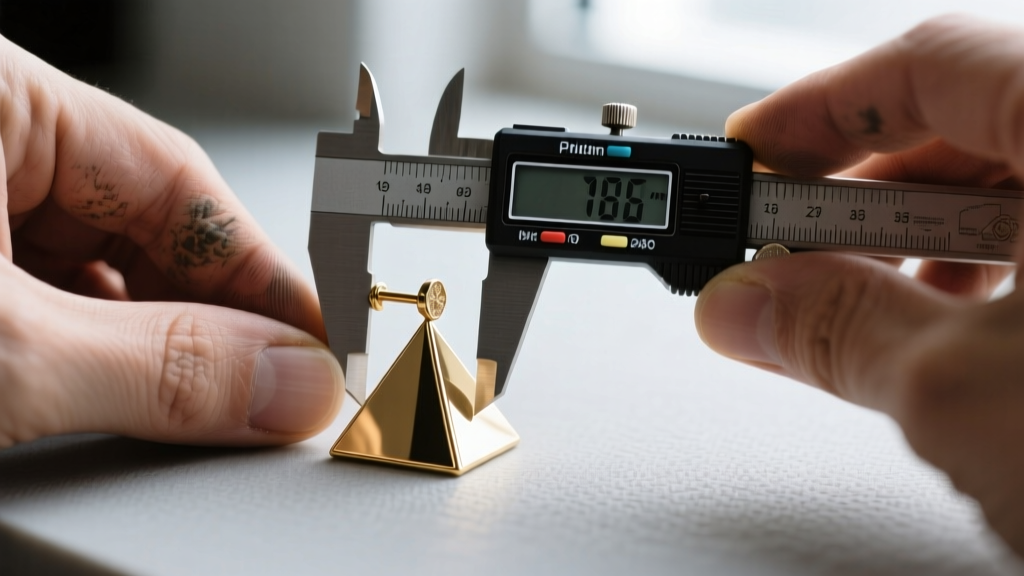
- The Post and Clutch: Authentic posts are typically 18-gauge (1.02mm) and feature a clean, machine-stamped "Valentino Garavani" and "Made in Italy" hallmark on the flat backing of the clutch. Fakes often use thinner 20-gauge posts and laser-etch the branding poorly, resulting in blurred fonts.
- Stud Alignment and Riveting: Genuine pyramid studs are either cast as part of the structural lattice or individually riveted with microscopic precision. Run your finger over the back of the earring; authentic pieces will feel relatively smooth or have perfectly flush rivet heads. Counterfeits often use adhesive or leave sharp, protruding solder blobs.
- Weight and Resonance: Because Valentino uses a solid CW617N brass base, the earrings have a specific heft. A standard 12mm Rockstud earring weighs approximately 9 to 11 grams. Fakes made from hollow aluminum or cheap zinc alloys will feel suspiciously light and emit a higher-pitched "tink" when tapped against glass, rather than a dull, solid thud.
| Feature | Authentic Valentino | Common Counterfeit |
|---|---|---|
| Base Metal | Solid CW617N Brass | Zinc Alloy or Hollow Aluminum |
| Post Gauge | 18-Gauge (1.02mm) | 20-Gauge to 22-Gauge (Thinner) |
| Stud Attachment | Cast integration or flush rivets | Glued or raised, messy soldering |
| Plating Finish | Palladium or PVD Gold | Flash-plated silver or gold paint |
Troubleshooting Tarnish and Plating Micro-Fractures
One of the most common complaints regarding Valentino stud earrings is the sudden appearance of green discoloration on the skin or localized tarnishing on the metal. To solve this, you must understand the chemistry of the piece. The Gemological Institute of America (GIA) notes that brass (an alloy of copper and zinc) is highly reactive to moisture, acids, and sulfur. Valentino mitigates this by plating the brass in palladium (for the silver-tone Rockstuds) or using Physical Vapor Deposition (PVD) for gold-tone finishes.
Why Your Earrings Are Turning Green
If your earlobes are turning green, the palladium or gold plating has developed micro-fractures, exposing the copper-rich brass underneath to your skin's natural acidity and sweat. This is not necessarily a sign of a fake; it is a natural failure mode of plated brass jewelry subjected to daily wear and friction.
The Restoration Protocol
- Stop Using Liquid Silver Dips: Never submerge Valentino earrings in commercial tarnish removers. These harsh thiourea-based chemicals will strip the remaining palladium finish and accelerate the oxidation of the exposed brass.
- Micro-Polishing: Use a dry, untreated microfiber cloth to gently buff the surface. For stubborn oxidation in the crevices between the pyramid studs, use a soft-bristled makeup brush dipped in a tiny amount of isopropyl alcohol to dissolve sebum and lotion buildup.
- The Polymer Sealant Trick: If the plating is already compromised and causing skin discoloration, apply a microscopic layer of clear, jewelry-safe polyurethane sealant (or even clear nail polish in a pinch) to the post and the back plate. This creates an inert barrier between the reactive brass and your skin.
- Professional Re-plating: For severe wear, take the earrings to a master jeweler who specializes in PVD or rhodium/palladium electroplating. Expect to pay between $60 and $120 for a professional strip-and-replate service, which will restore the piece to factory condition.
Structural Failures: Bent Posts and the "Lobe Droop"
Valentino Rockstud earrings are unapologetically bold, but that boldness comes with significant mass. As mentioned, a single earring can weigh up to 11 grams. The average human earlobe can comfortably support 3 to 5 grams without experiencing long-term tissue stretching. When you wear 11-gram studs daily, gravity and the leverage of the earring's profile will inevitably cause the "lobe droop"—where the earring points downward, and the piercing hole begins to elongate.
Fixing the Droop
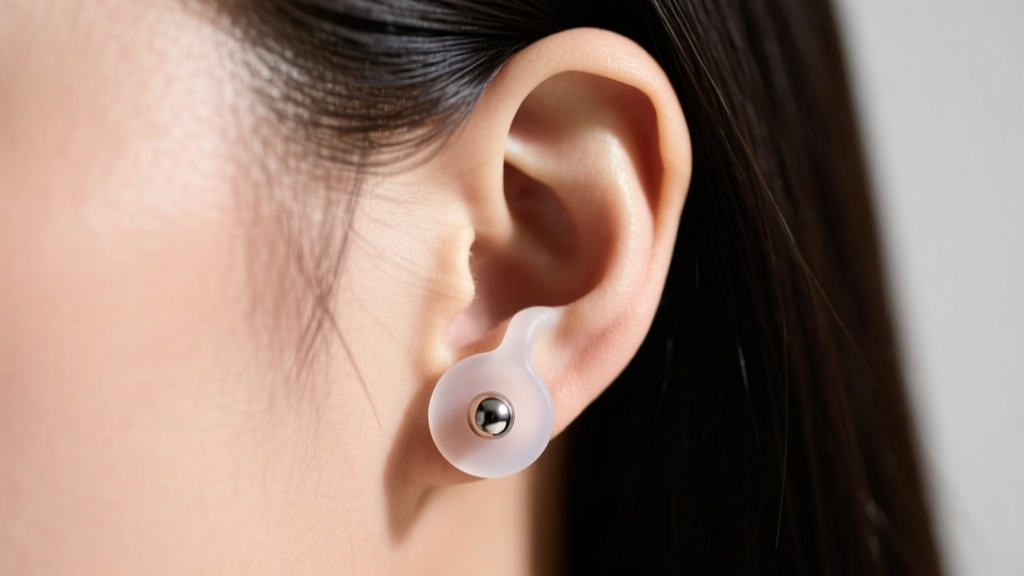
Do not resort to piercing tape or bulky O-rings that ruin the aesthetic of the luxury clutch. Instead, invest in clear silicone earring support pads (often branded as "Lobe Wonders"). These are rigid, medical-grade silicone discs that slide onto the 18-gauge post before the clutch. They distribute the 11-gram load across a 12mm surface area on the back of the earlobe, providing the structural rigidity needed to keep the Rockstud facing perfectly forward.
Straightening a Bent Post
If the earring is dropped or mishandled, the 18-gauge brass post can easily bend. Do not use your fingers or standard metal pliers to bend it back. Brass is susceptible to "work hardening"—repeated bending alters the crystalline structure of the metal, making it brittle. If you bend it back and forth with metal pliers, the post will snap cleanly off the base plate, requiring a complex laser-welding repair.
Jeweler's Pro-Tip: To straighten a bent Valentino post, secure the base of the earring in a padded vise. Use nylon-jaw pliers to gently apply pressure to the post. The nylon prevents marring the metal and allows for a single, smooth realignment without inducing work-hardening micro-fractures.
Enamel Chipping and Leather Delamination
Beyond the classic metallic finishes, Valentino frequently releases seasonal Rockstud earrings featuring vitreous enamel or leather inlays. Troubleshooting these materials requires entirely different protocols.
Vitreous Enamel Care
Authentic Valentino enamel is fired at high temperatures, fusing the glass powder to the brass substrate. However, if the earring is dropped on a hard surface like marble or tile, the shockwave can cause the glass enamel to spider-web or chip. Unlike cold enamel (resin) used on fakes, which can be melted and filled, vitreous enamel must be repaired by an artisan enamelist who can match the exact Pantone shade and re-fire the piece in a kiln. If you notice a chip, immediately cover it with a piece of clear tape to prevent moisture from seeping under the adjacent enamel and causing further delamination.
Leather Inlay Degradation
For leather-wrapped Rockstuds, the primary enemy is hand sanitizer and cosmetic oils. The alcohol in sanitizers strips the natural tanning oils from the calfskin, leading to edge curling and peeling. To maintain leather studs, wipe them down weekly with a barely damp microfiber cloth and apply a minuscule amount of high-grade leather conditioner (like Bickmore Bick 4) using a cotton swab. Avoid getting the conditioner on the surrounding metal, as it can create a cloudy film in the crevices of the pyramid studs.
When to Seek Professional Intervention
While DIY maintenance can solve 90% of the issues associated with Valentino stud earrings, certain failure modes require the intervention of a certified luxury jewelry repair specialist. If a pyramid stud has completely detached, do not attempt to glue it back on with cyanoacrylate (Super Glue). Super glue emits fumes that will permanently cloud the surrounding metal finish and create a brittle bond that will fail under thermal expansion. A professional will use a low-temperature silver solder or specialized jeweler's epoxy under a microscope to re-seat the stud without damaging the adjacent plating.
By understanding the specific material grades, gauge dimensions, and structural physics of your Valentino stud earrings, you can transition from a passive owner to an active curator. Proper troubleshooting not only preserves the financial value of your jewelry in the booming 2026 resale market but ensures that these iconic pieces continue to frame your face with the architectural perfection they were designed to project.


