Vermeer Girl With The Pearl Earring Style: A Buyer's Guide
Discover how to buy Vermeer Girl with the Pearl Earring inspired drops. Learn about pearl grades, luster, heavy earring hardware, and sizing.

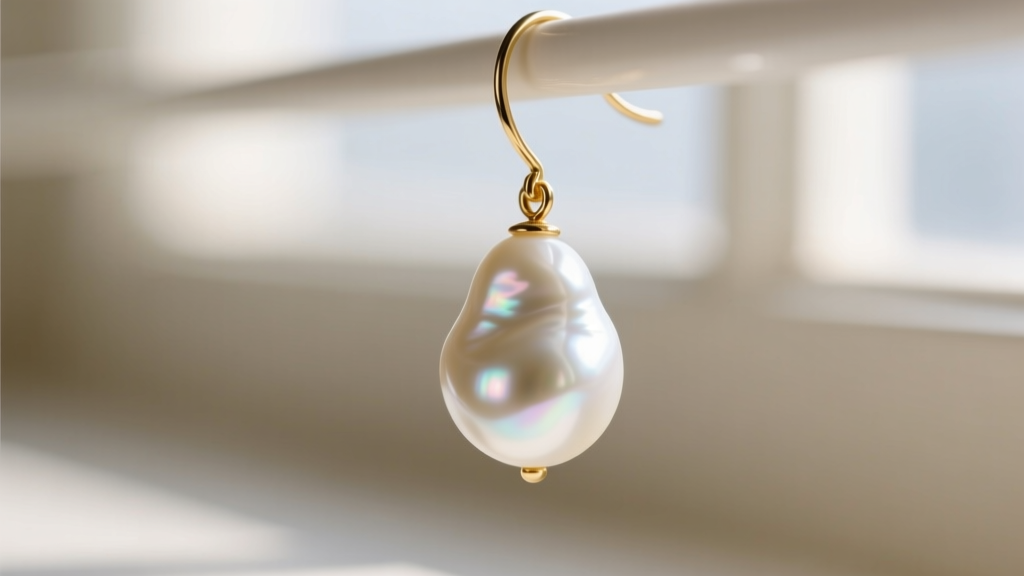
Johannes Vermeer’s 1665 masterpiece, currently housed in The Hague, has captivated art lovers and jewelry enthusiasts for centuries. The focal point of the painting is undeniably the luminous, oversized drop earring catching the light against a dark, moody background. For modern jewelry collectors, replicating this iconic aesthetic requires more than just buying any white pearl drop. Translating the Vermeer Girl with the Pearl Earring look into wearable, high-quality jewelry demands a deep understanding of pearl grading, structural jewelry engineering, and historical accuracy versus modern practicality.
As we navigate the 2026 fine jewelry market, the demand for 'old master' inspired pieces has surged. However, many buyers fall into the trap of purchasing poorly constructed drops that sag, lose their luster, or fail structurally under the weight of large pearls. This comprehensive buying guide will walk you through the exact specifications, material grades, and hardware requirements needed to acquire a flawless, Vermeer-inspired pearl drop earring.
The Anatomy of the 'Vermeer' Pearl: Size and Shape
Art historians and gemologists have long debated the exact nature of the earring in the painting. While it appears to be a massive, perfectly round pearl, the laws of physics and gemological rarity suggest otherwise. A perfectly round, natural white pearl of the size depicted (estimated at 20mm to 22mm) would have been astronomically rare in the 17th century and remains exceptionally rare today. Many experts, including curators at The Mauritshuis Museum, suggest the reflection patterns actually indicate a teardrop or baroque shape, or possibly a highly polished glass or tin drop used as a studio prop.
Sizing Reality vs. Artistic Exaggeration
When shopping for a Vermeer-inspired piece, you must balance visual impact with physical comfort. A true 20mm round South Sea pearl is a museum-grade investment piece, often exceeding $40,000 per pair in the current market. For a realistic, wearable interpretation that captures the same visual weight and 'old money' elegance, buyers should target the 14mm to 17mm range.
Furthermore, do not shy away from baroque or semi-baroque shapes. A 16mm white baroque South Sea pearl or a high-luster Edison freshwater pearl in a teardrop shape will catch the light in a dynamic, organic way that closely mimics the complex reflections Vermeer painted. Baroque pearls also offer a significantly lower price-per-millimeter compared to perfectly round specimens, allowing you to maximize size and luster without compromising your budget.
Material Grades: Achieving the Signature Luster
The 'Vermeer light'—that sharp, high-contrast, mirror-like reflection on the surface of the pearl—is the most critical factor in your purchase. In gemological terms, this is dictated by luster and nacre thickness. According to the Gemological Institute of America (GIA), luster is the most important value factor for pearls. You must look for 'Excellent' or 'Very High' luster grades, where reflections are bright, sharp, and distinct.
Below is a comparison of the most common pearl types used for large drop earrings in 2026, detailing how they perform against the Vermeer aesthetic:
| Pearl Type | Typical Size Range | Luster Profile | Avg. Weight (per pearl) | Est. Price Range (Pair) |
|---|---|---|---|---|
| White South Sea (Round) | 10mm - 16mm | Soft, satiny, deep glow | 2.5g - 4.5g | $4,000 - $15,000+ |
| White South Sea (Baroque) | 14mm - 18mm | High contrast, sharp | 3.5g - 6.0g | $1,200 - $4,500 |
| Edison Freshwater | 12mm - 16mm | Metallic, very sharp | 2.0g - 4.0g | $150 - $600 |
| Majorica (Glass Replica) | 14mm - 20mm | Uniform, glass-like | 5.0g - 8.0g | $100 - $250 |
Note: Edison freshwater pearls are bead-nucleated and offer incredible luster at a fraction of the cost of saltwater pearls, making them the top recommendation for buyers seeking maximum size and shine on a moderate budget.
Hardware & Structural Integrity: Supporting Heavy Drops
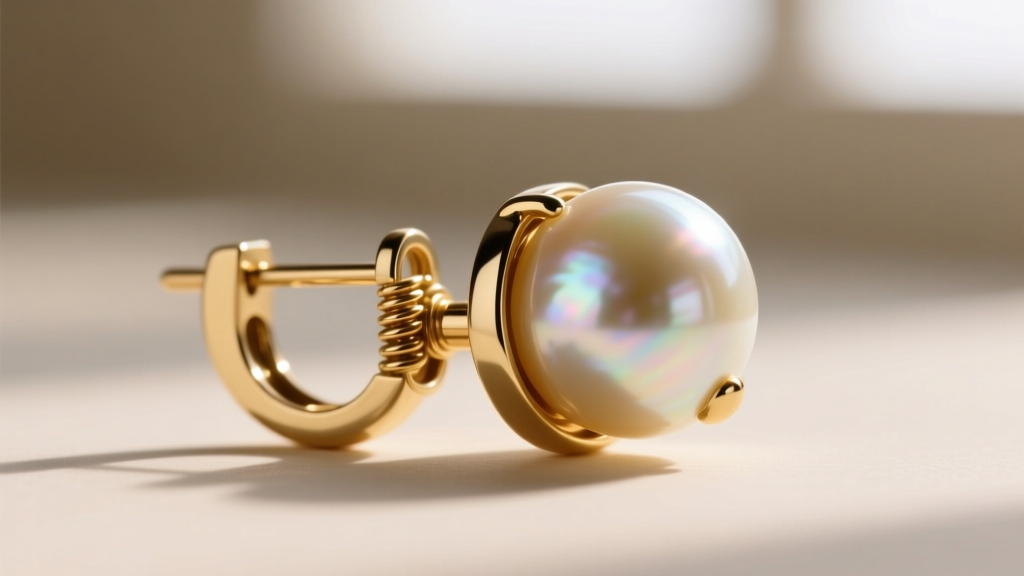
The most common failure mode for large pearl earrings is structural sagging. A 16mm solid nacre pearl can easily weigh between 3.5 and 5 grams. Standard fashion earrings utilize 20-gauge (0.81mm) or 18-gauge (1.02mm) wire for their posts. When a 4-gram pearl is suspended from a 20-gauge post, the metal will permanently bend downward within weeks of daily wear. This causes the earring to droop, pointing toward the floor rather than catching the light on the earlobe.
Expert Engineering Tip: When inspecting heavy pearl drops, always check the post or wire thickness. For leverback or hook styles, demand a minimum of 16-gauge (1.29mm) or 14-gauge (1.63mm) wire. For stud-style drops (where the pearl hangs from a fixed post), the post should be at least 18-gauge and feature a reinforced soldered joint at the base of the pearl cup.
The Glue Joint: A Hidden Point of Failure
Pearl drops are typically attached to their metal findings via a small metal 'peg' that is inserted into a half-drilled hole in the pearl and secured with jewelry epoxy. If the metal peg is completely smooth, the glue relies entirely on surface tension. Over time, exposure to skin oils, perfumes, and the sheer gravitational pull of a heavy pearl will cause the epoxy to degrade and the pearl to pop off.
What to look for: Inspect the metal cup and peg before purchasing. High-end jewelers use textured or grooved pegs (often resembling a tiny screw thread or diamond-knurled pattern). This provides a mechanical grip for the epoxy, increasing the sheer strength of the bond by up to 300%. If the peg is smooth, ask the jeweler to score it or apply a mechanical retention bead before final setting.
Backing Mechanisms for 5g+ Earrings
If you opt for a post-and-clutch style earring, standard butterfly friction backs are entirely insufficient for Vermeer-sized pearls. The weight of the pearl will cause the earring to slide forward, stretching the earlobe and creating an uncomfortable, unflattering silhouette. You must upgrade your backing system:
- La Pousette (Locking) Backs: These feature a mechanical locking mechanism that clicks securely into a grooved post, preventing the heavy pearl from sliding forward.
- Omega Clips with Posts: An Omega back provides a wide, curved surface area that hugs the back of the earlobe, distributing the weight of the pearl evenly and keeping the drop perfectly vertical.
- Silicone Stopper Discs: A budget-friendly alternative. Placing a wide, medical-grade silicone disc behind the standard metal clutch increases the surface area against the ear, reducing the 'droop' effect.
Styling the Vermeer Aesthetic for Modern Wear
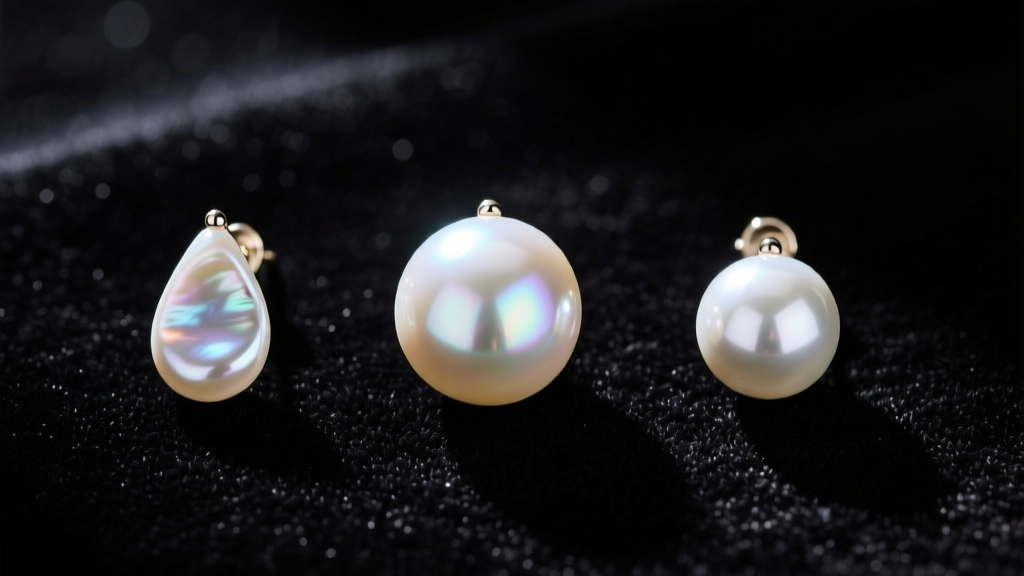
The genius of Vermeer’s composition lies in the contrast between the dark, muted background and the brilliant flash of white light on the pearl. To replicate this in your daily styling, consider the backdrop of your wardrobe. Large, luminous white pearls perform best against deep, rich fabrics—navy wool, black silk, or emerald velvet. The high contrast mimics the chiaroscuro lighting technique of the Dutch Golden Age.
From a face-shape perspective, large drop earrings (15mm+) add significant visual weight to the lower half of the face. They are exceptionally flattering for oval and heart-shaped faces, as the teardrop silhouette elongates the neck and balances a wider forehead. For those with round or square face shapes, opt for an elongated teardrop baroque pearl rather than a perfectly round sphere, as the vertical lines will help soften and lengthen the jawline.
Final Verdict: What to Look For at the Jeweler
Capturing the magic of the Vermeer Girl with the Pearl Earring requires looking past simple aesthetics and evaluating the piece as an engineered object. When you visit the jeweler, follow this final checklist:
- Verify the Luster: Ensure you can see a sharp, distinct reflection of the room's lighting on the pearl's surface (Excellent/AAAA grade).
- Check the Gauge: Confirm the wire or post is thick enough (16G or 14G for hooks) to support the specific gram weight of the pearl without bending.
- Inspect the Peg: Ensure the metal peg inside the pearl's drill hole is textured or grooved for long-term epoxy adhesion.
- Test the Balance: Put the earring on and observe it in a mirror from the side profile. The pearl should hang perfectly plumb, without pulling the earlobe aggressively forward.
By prioritizing structural integrity and optical luster over simple shape, you can secure a breathtaking, historically inspired heirloom that will catch the light—and the eye—for generations to come.


