Vintage Lunch at the Ritz Earrings: Authentication and Care Guide
Discover how to authenticate, restore, and style vintage Lunch at the Ritz earrings with our expert 1980s costume jewelry collector guide.

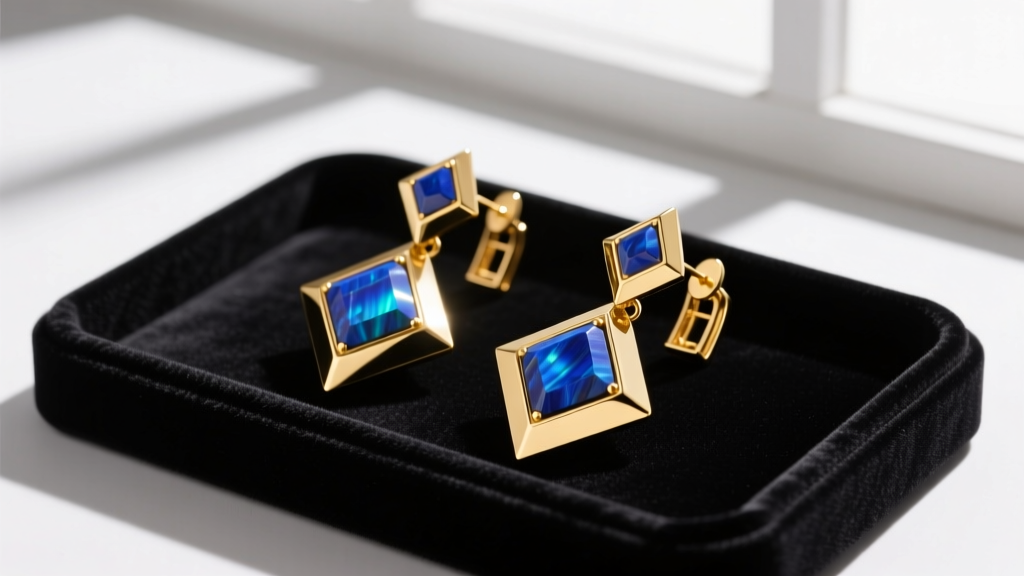
The 1980s was an era of unapologetic glamour, power dressing, and bold sartorial statements. At the forefront of this maximalist movement was Lunch at the Ritz, a highly sought-after costume jewelry brand that defined the decade's aesthetic. Known for their Art Deco revival motifs, heavy gold-tone electroplating, and vibrant faux gemstones, these pieces remain highly coveted by collectors today. However, as the market for 1980s costume jewelry surges in 2026, so does the prevalence of counterfeits and poorly maintained pieces. Whether you are a seasoned collector or a vintage enthusiast looking to score a pair of authentic lunch at the ritz earrings vintage styles, knowing how to authenticate, restore, and style them is essential.
The Legacy of 1980s Power Jewelry
Lunch at the Ritz specialized in statement pieces that were designed to be seen from across a boardroom or a crowded gala. Unlike the delicate, understated jewelry of previous decades, these earrings were substantial, often featuring large geometric shapes, faux coral, lapis lazuli, and onyx cabochons set in intricate gold-tone metalwork. According to the Costume Jewelry Collectors International, the brand's commitment to heavy base metals and high-quality glass rhinestones set them apart from cheaper, mass-produced alternatives of the same era. Today, these pieces are not just accessories; they are wearable artifacts of 20th-century design history.
Step 1: Authenticating Genuine Pieces
Before investing in a pair, you must verify their authenticity. The secondary market is flooded with unbranded 1980s clip-ons that are frequently mislabeled as Lunch at the Ritz to inflate their value.
Hallmarks and Signatures
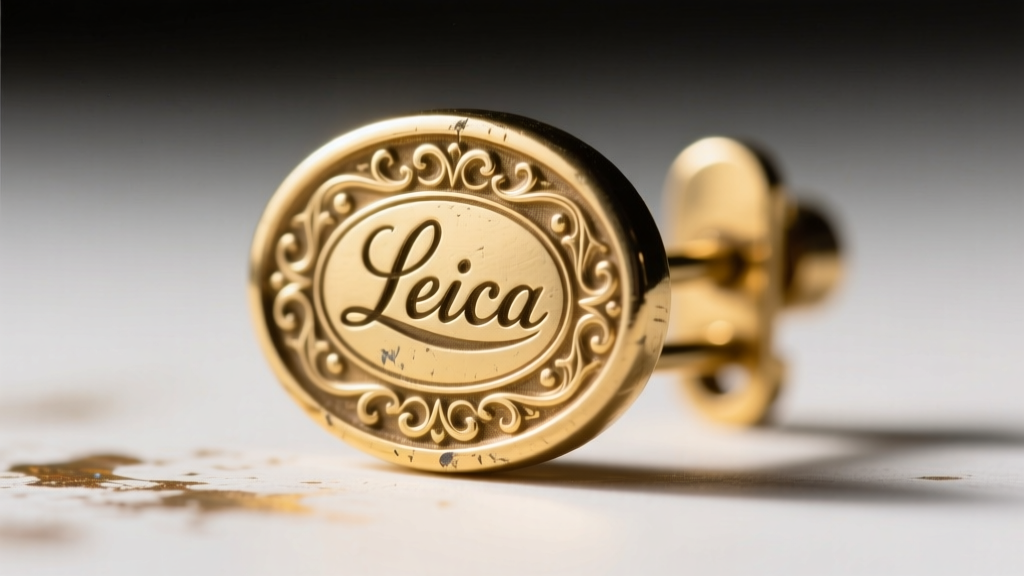
The most critical authentication step is examining the hallmark. Genuine pieces are typically signed on the reverse of the clip mechanism or on a small, soldered cartouche on the back of the earring body. Look for the exact phrase "Lunch at the Ritz". Early pieces often feature a clean, serif font, while later productions may use a slightly stylized script. Beware of signatures that look stamped unevenly or use incorrect fonts, as these are common indicators of a reproduction.
Material and Weight Analysis
Authentic pieces possess a distinct heft. The brand favored solid brass or pewter bases with thick gold electroplating. If a pair of earrings feels suspiciously lightweight or hollow, it is likely a cheaper contemporary knockoff. Furthermore, examine the stones. Genuine pieces use high-quality glass chatons and acrylic cabochons with secure, prong-set or bezel-set metalwork, rather than simple glue-in settings.
Step 2: Evaluating Condition and Damage
Because these earrings are over 40 years old, condition evaluation is paramount. Costume jewelry is highly susceptible to environmental damage. Use the following framework to assess potential restoration costs before purchasing.
| Common Issue | Primary Cause | Restoration Approach | Estimated Cost (2026) |
|---|---|---|---|
| Verdigris (Green Corrosion) | Moisture reacting with copper/brass base | Dry brushing with a soft toothpick; avoid liquids | $0 (DIY) |
| Cloudy or Darkened Rhinestones | Moisture penetrating the foil backing | Complete stone replacement with Swarovski chatons | $25 - $45 per pair |
| Weak Clip Tension | Decades of metal fatigue and overstretching | Gentle plier adjustment and adding silicone cushions | $5 - $10 |
| Flaking Gold Plating | Friction and improper chemical cleaning | Professional re-plating (often cost-prohibitive) | $60 - $120 |
Step 3: Safe Restoration Techniques
Restoring vintage costume jewelry requires a radically different approach than fine jewelry. The materials used in the 1980s are highly reactive to modern cleaning chemicals.
Cleaning Rhinestones and Faux Pearls
Never use ultrasonic cleaners, ammonia, or liquid jewelry dips. Most vintage rhinestones feature a delicate silver-foil backing that creates their sparkle. If liquid seeps beneath the stone, the foil will oxidize and turn black, permanently ruining the stone. Instead, use a dry, soft-bristled makeup brush to dislodge dust from the prongs. For the metal portions, lightly dampen a microfiber cloth with distilled water and a tiny drop of mild dish soap, carefully wiping the gold-tone areas while avoiding the stones entirely.
Re-tipping and Re-gluing
If you find a pair with missing or loose stones, do not use standard super glue (cyanoacrylate), which emits fumes that can cloud glass and leave a white, crusty residue. Professional restorers recommend GS Hypo Cement for small glass chatons due to its precision needle applicator and flexible, clear bond. For larger, heavier cabochons, a two-part clear epoxy or E6000 provides the necessary structural integrity to hold the stone against the weight of the metal base.
Step 4: Conversion and Modern Styling
The vast majority of vintage Lunch at the Ritz earrings were originally designed as clip-ons, as pierced ears were less universally common in the early 1980s. However, heavy clip-ons can cause significant lobe pain after a few hours of wear.
Converting Clip-Ons to Pierced
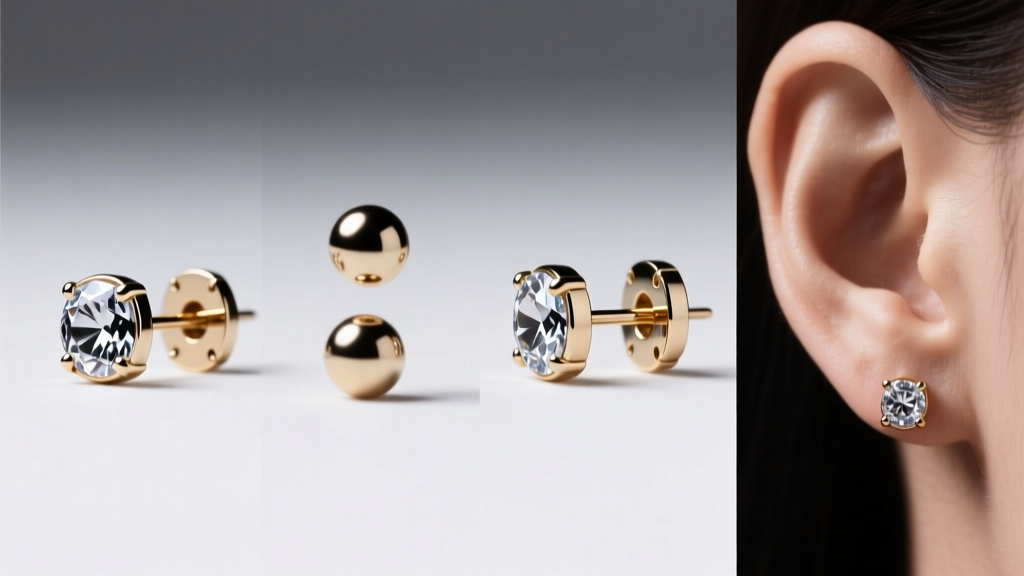
If you wish to convert a pair to pierced, you have two options. The non-destructive method involves using clip-on converters (padded silicone sleeves with a 20-gauge post), though these add bulk. For a permanent, professional conversion, a jeweler can carefully desolder the clip mechanism and laser-weld a hypoallergenic 18-gauge titanium or sterling silver post directly to the brass base. Because these earrings are heavy, ensure the jeweler adds a wide, flat backing plate inside the post to distribute the weight evenly across your earlobe and prevent tearing.
Styling for the Modern Wardrobe
To wear these maximalist pieces in 2026 without looking like you are wearing a costume, balance is key. According to market trends tracked by RubyLane, modern collectors favor pairing bold 80s earrings with minimalist, structured tailoring.
- Round Faces: Opt for the brand's long, geometric Art Deco drop styles to elongate the jawline and draw the eye downward.
- Square Faces: Choose the curved, faux-pearl and gold-tone dome clips to soften angular jawlines and add organic movement.
- Heart-Shaped Faces: Look for chandelier styles that are wider at the bottom to balance a narrower chin.
"The secret to wearing 1980s power jewelry today is to let the earrings be the sole focal point. Pair a massive pair of Lunch at the Ritz geometric clips with a sleek, high-necked black turtleneck or a sharply tailored blazer, and pull your hair back to showcase the metalwork."
Sourcing and Pricing in 2026
As of 2026, the resurgence of 'power dressing' and maximalist vintage aesthetics has driven the price of mint-condition Lunch at the Ritz pieces up by nearly 30% over the last five years. You can expect to pay between $85 and $150 for pristine, highly desirable Art Deco revival clips featuring faux lapis or coral. Pieces with visible verdigris, missing stones, or heavy plating loss typically sell in the $20 to $40 range, serving as excellent candidates for DIY restoration projects. Always request high-resolution photos of the hallmarks and the foil backing of the stones before purchasing from online estate sales or auction sites to ensure you are adding a genuine piece of 1980s history to your collection.