Vintage Marcasite Earrings: 2026 Trend Revival & Styling Guide
Discover why vintage marcasite earrings are dominating 2026 trends. Explore gemological facts, styling frameworks, and archival care for pyrite silver.

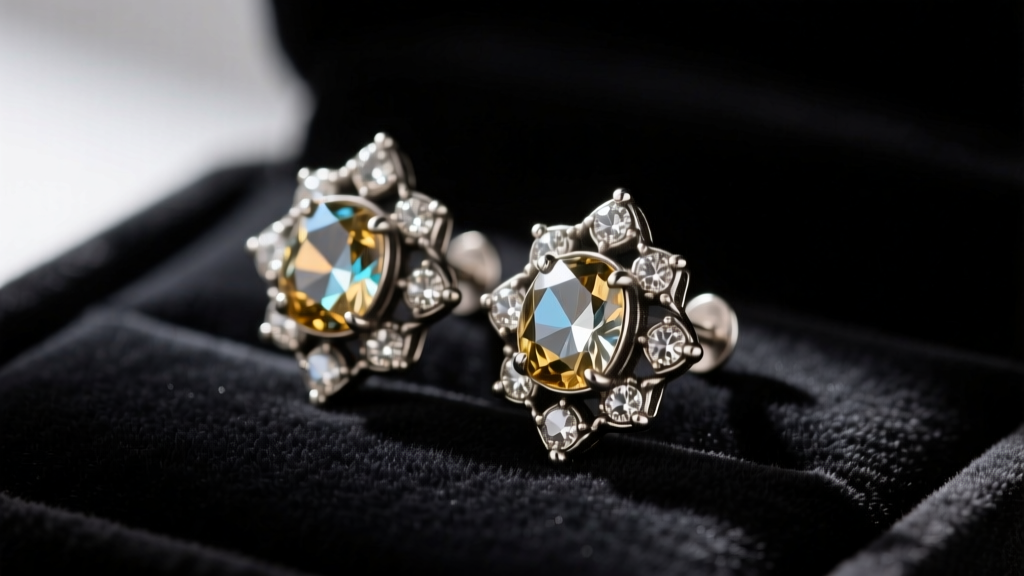
The jewelry landscape of 2026 has decisively pivoted away from the ultra-minimalist, high-polish gold trends that dominated the early part of the decade. In its place, a moody, textural renaissance has taken hold, driven by the cultural resurgence of Dark Academia, Victorian Gothic, and romantic grunge aesthetics. At the absolute center of this revival are vintage marcasite earrings. With their gunmetal sparkle and intricate, historically rich metalwork, these pieces offer a sophisticated alternative to the ubiquitous diamond and gold hoop. However, navigating the vintage marcasite market requires more than just an eye for style; it demands a deep understanding of gemological realities, structural weight distribution, and specialized archival care. This comprehensive guide breaks down everything you need to know about collecting, wearing, and preserving vintage marcasite earrings in the modern era.
The 2026 Revival: Dark Academia and the Gothic Renaissance
Why are vintage marcasite earrings surging in popularity right now? The answer lies in a broader cultural shift toward historical romanticism. The 'Dark Academia' and 'Victorian Gothic' aesthetics, which have matured from niche internet subcultures into mainstream luxury fashion pillars by 2026, demand accessories that feel storied, melancholic, and intellectually rich. Marcasite, with its dark, oxidized silver settings and metallic, bronze-grey flashes of light, perfectly captures this mood.
Unlike the brilliant, prismatic fire of a diamond, the sparkle of marcasite is subtle and granular. It catches the light in a way that feels antique and mysterious. Designers and vintage curators are increasingly pairing these earrings with heavy velvets, raw silks, and structured tweeds, leaning into the textural contrast that defines the 2026 winter and autumn runways. Furthermore, as consumers become more sustainability-conscious, the appeal of true vintage pieces—recirculating history rather than mining new materials—has never been stronger.
Gemological Reality: The Pyrite Misconception
To be a truly informed collector, one must first understand a fascinating gemological misnomer. The stones used in what the jewelry industry calls 'marcasite' are, in fact, pyrite (iron sulfide, FeS2). True marcasite is a polymorph of pyrite that shares the same chemical composition but possesses a completely different, highly brittle crystalline structure. True marcasite is far too fragile to be cut, faceted, or set into jewelry; it would literally shatter under the pressure of a jeweler's tools or crumble into a white powder over time due to oxidation.
According to the Gemological Institute of America (GIA), the historical use of the term 'marcasite' in jewelry dates back centuries, likely stemming from early linguistic confusion or a deliberate marketing choice to make the abundant pyrite sound more exclusive. When you are shopping for vintage marcasite earrings, you are actually purchasing rose-cut or faceted pyrite stones set into sterling silver. Understanding this is crucial, as iron sulfide requires specific care protocols that differ vastly from traditional silicate gemstones like quartz or beryl.
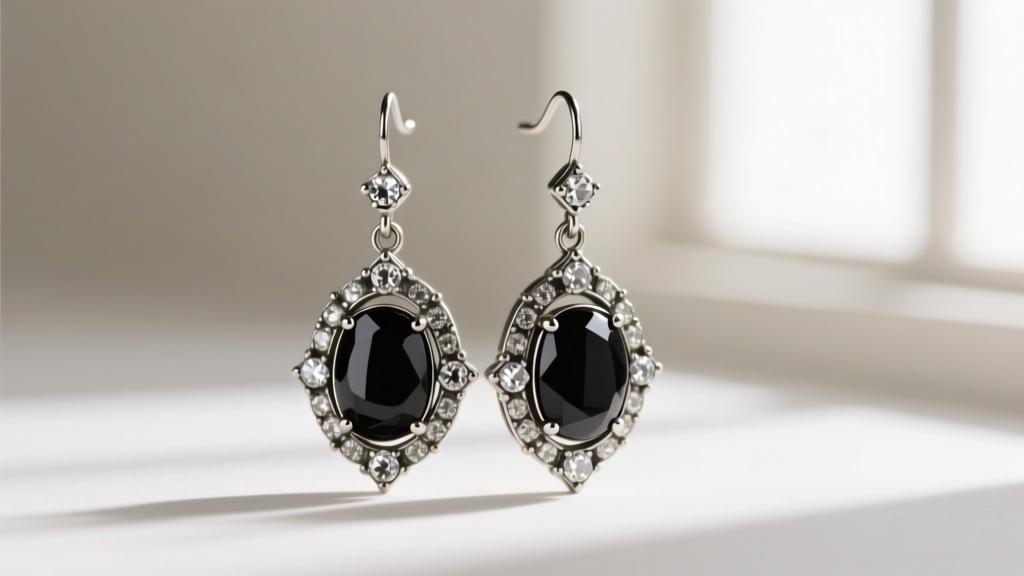
True Vintage vs. Vintage-Inspired: A Buyer’s Matrix
The market is currently flooded with modern reproductions masquerading as antique treasures. To build a collection with genuine historical and monetary value, you must be able to differentiate between true vintage eras and modern mass-produced replicas. The Lang Antiques University notes that the transition from hand-cut to machine-cut stones, as well as the shift from jeweler's epoxy to modern synthetic adhesives, are key indicators of age.
| Era / Type | Setting Style | Silver Grade & Finish | Avg. Weight (per pair) | Market Price Range (2026) |
|---|---|---|---|---|
| Victorian / Edwardian (True) | Hand-glued, rose-cut pyrite, floral motifs | 925 Sterling, heavy natural oxidation | 8g - 14g | $250 - $850+ |
| Art Deco (True) | Prong-set or glued, geometric/step motifs | 925 Sterling, moderate patina | 6g - 11g | $150 - $450 |
| Mid-Century Retro | Glue-set, chunky silver ribbons | 925 Sterling, polished edges | 10g - 18g | $120 - $300 |
| Modern Reproduction | Machine-glue, uniform round cuts | 925 or Silver-plate, artificial blackening | 3g - 6g | $30 - $90 |
Pro-Tip: Examine the silver under a loupe. True vintage pieces will often feature tiny, irregular silver beads or 'millegrain' detailing holding the stones in place, whereas modern reproductions often rely entirely on a flat bed of black epoxy glue.
Structural Integrity: Gauges, Backings, and Weight Distribution
One of the most common complaints regarding vintage marcasite earrings is that they 'droop' or tear through the earlobe. This is fundamentally an issue of gauge sizing and weight distribution. Because pyrite is a dense mineral and vintage settings utilize thick, solid sterling silver rather than hollow-cast modern metals, these earrings are exceptionally heavy.
The Gauge Dilemma
Standard modern earring posts are typically 20-gauge (0.81mm) or 22-gauge (0.64mm). When a 12-gram Victorian dangle is suspended from a 22-gauge wire, the post will inevitably bend under the kinetic movement of the wearer's head. When sourcing or restoring vintage marcasite earrings, look for pieces with 18-gauge (1.0mm) or even 16-gauge (1.2mm) posts. If you are having a piece restored by a bench jeweler, explicitly request an 18-gauge hard-tempered sterling silver post replacement to ensure structural rigidity.
Backings and Support Systems
Standard butterfly clutches are insufficient for heavy vintage drops. The friction grip will fail, leading to lost heirlooms. For studs, upgrade to La Pousette (locking) backs or heavy-duty screw-backs. For dangles and drop styles, the 2026 standard for preservation is the use of jumbo silicone earring lifters or support patches worn behind the lobe. These distribute the weight of the marcasite across a wider surface area of the ear, preventing the 'forward droop' that obscures the intricate metalwork and causes lobe fatigue.

Styling Frameworks: Integrating Marcasite into Modern Wardrobes
The risk of wearing vintage marcasite earrings is veering into costume territory. To harness the 2026 trend effectively, the styling must be deliberate and grounded in modern textural contrast. Here are three expert frameworks for styling these historical pieces:
- The Monochromatic Edge: Pair large, geometric Art Deco marcasite drops with an all-black ensemble (e.g., a black silk turtleneck or structured wool blazer). The absence of competing colors allows the bronze-grey flashes of the pyrite and the oxidized silver to act as the sole focal point, creating a look that is severe, chic, and highly editorial.
- The Soft Grunge Contrast: Lean into the Victorian Gothic revival by contrasting the hard, metallic nature of the earrings with soft, romantic fabrics. A faded, oversized cashmere sweater or a raw-hemmed linen dress provides a matte backdrop that makes the granular sparkle of the marcasite pop without looking overly formal.
- The Curated Ear (Mixed Metals): Break the traditional rules by mixing oxidized silver marcasite studs in the primary lobe piercing with high-polish yellow gold huggies or cuffs in the upper cartilage. This deliberate clash of eras and metals signals a highly curated, intentional approach to personal style, preventing the marcasite from looking like a dusty relic.
Archival Care: Preserving Iron Sulfide and Sterling Silver
Caring for vintage marcasite earrings requires a strict departure from standard jewelry cleaning routines. The most critical rule, echoed by institutions like the Victoria and Albert Museum regarding historical jewelry preservation, is to never use an ultrasonic cleaner.
WARNING: Ultrasonic cavitation will cause pyrite stones to fracture and shatter. Furthermore, the heat and chemical solvents in liquid jewelry dips will dissolve the historic jeweler's epoxy or shellac used to glue the stones into their settings, resulting in massive stone loss.
The Safe Cleaning Protocol
- Dry Brushing: Use a soft, clean horsehair makeup brush or a dedicated, dry jewelry brush to gently sweep away skin oils, cosmetics, and dust from the crevices of the silver settings and the facets of the pyrite.
- Targeted Silver Polishing: Use a dry, treated silver polishing cloth (such as a Sunshine cloth) to gently buff the exposed sterling silver. Crucial: Avoid rubbing the cloth directly over the pyrite stones, as the mild abrasives in the cloth can scratch the relatively soft surface of the iron sulfide (which sits at just 6 to 6.5 on the Mohs hardness scale).
- Moisture Avoidance: Pyrite can degrade when exposed to prolonged moisture and oxygen, leading to 'pyrite decay' (a crumbling, white, powdery oxidation). Always store your vintage marcasite earrings in a low-humidity environment, ideally in an airtight anti-tarnish bag with a silica gel desiccant packet.
By understanding the gemological truth, respecting the structural demands of heavy silver, and applying meticulous archival care, you can seamlessly integrate vintage marcasite earrings into your 2026 rotation. These pieces are not merely accessories; they are wearable artifacts that bridge the gap between Victorian romanticism and contemporary edge.


