Material Guide to Vintage Plastic Earrings: Bakelite vs Lucite
Discover the material properties of vintage plastic earrings. Compare Bakelite, Celluloid, and Lucite to identify and preserve your collection.

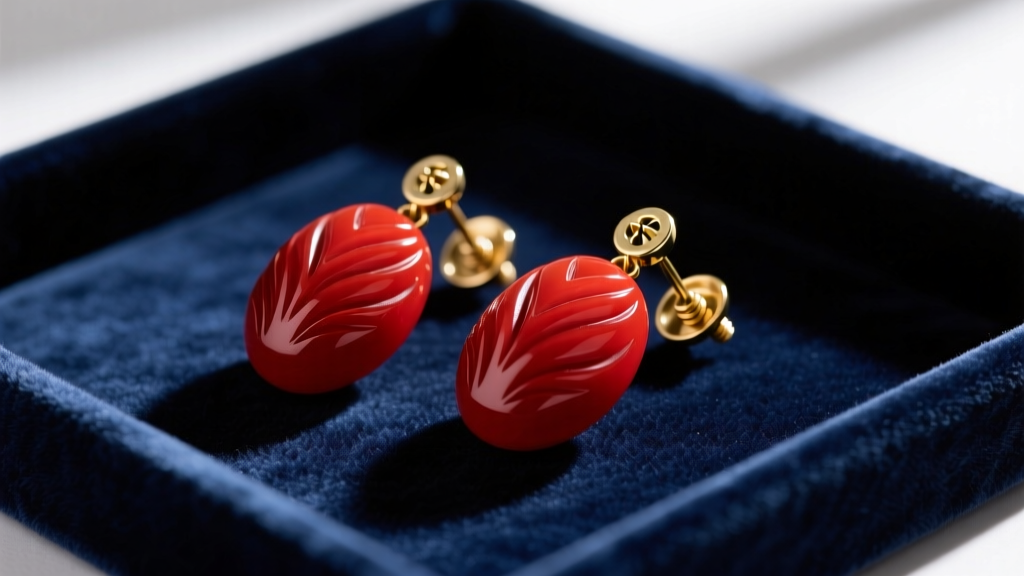
The Golden Age of Synthetic Jewelry
When collecting and appraising antique and mid-century costume jewelry, understanding the chemical and physical properties of early synthetics is paramount. The transition from natural materials like tortoiseshell, ivory, and amber to synthetic polymers fundamentally changed jewelry design between the 1920s and 1950s. Today, vintage plastic earrings are highly sought after by collectors, but they present unique challenges in identification, preservation, and wearability. Unlike modern injection-molded acrylics, early plastics were often carved by hand, cast in limited runs, and fitted with specialized hardware. To properly evaluate these pieces, one must look beyond the aesthetic and understand the distinct polymer structures of Bakelite, Celluloid, and Lucite. According to the Victoria and Albert Museum's research on plastics in jewellery, the degradation and identification of these early materials require specific, non-destructive testing protocols.
Bakelite: The Heavyweight Phenolic Resin
Bakelite, chemically known as polyoxybenzylmethylenglycolanhydride, is a thermosetting phenol formaldehyde resin invented by Leo Baekeland in 1907. By the 1930s, it became the premier material for high-end costume jewelry. Because it is a thermoset plastic, Bakelite cannot be melted or reshaped once cured; it must be carved, machined, or molded under extreme heat and pressure. This results in a remarkably dense, heavy material that feels substantial in the hand.
Physical Properties & Identification
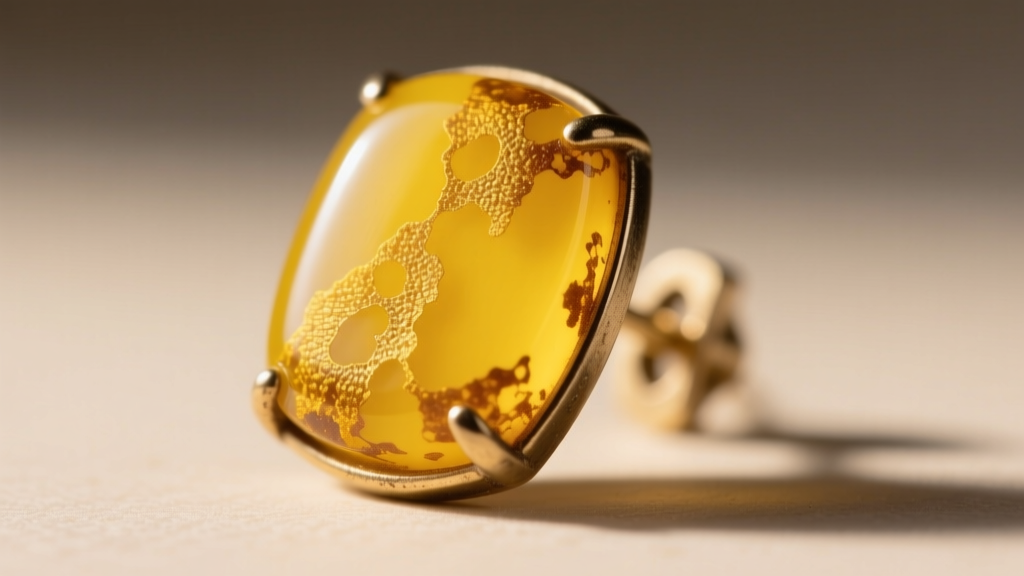
Authentic Bakelite vintage plastic earrings possess a distinct heft. When two pieces are gently tapped together, they produce a deep, resonant "clack" rather than the high-pitched "click" of modern acrylics. The most reliable, non-destructive identification method is the Simichrome polish test. Applying a small amount of Simichrome metal polish to a cotton swab and rubbing it on an inconspicuous area (like the back of a clip-on mechanism) will cause the swab to turn a bright, mustard yellow if the piece is genuine Bakelite. This reaction occurs due to the oxidation layer that forms on phenolic resins over decades. As noted by the Smithsonian Magazine's historical archive on Bakelite, this oxidation is a hallmark of the material's aging process and should never be aggressively polished away, as it destroys the patina and reduces the piece's market value.
Common Failure Modes & Preservation
Bakelite is highly stable compared to other early plastics, but it is not invincible. Prolonged exposure to UV light can cause severe darkening, turning vibrant apple-green or cherry-red pieces into a muddy brown. Furthermore, Bakelite is susceptible to micro-cracking if subjected to sudden thermal shocks. Never run Bakelite earrings under hot water to test for odor; the rapid temperature change can fracture the resin along the stress points created by the metal hardware posts.
Celluloid: The Flammable Pioneer
Pre-dating Bakelite, Celluloid was the first commercially successful synthetic plastic, created from nitrocellulose and camphor. It was widely used in the 1910s and 1920s to imitate expensive natural materials like ivory, coral, and tortoiseshell. Celluloid is a thermoplastic, meaning it can be softened with heat and reshaped, which allowed for the creation of incredibly delicate, intricate filigree earring designs that were impossible to achieve with heavy Bakelite.
Material Characteristics and the "Spew" Phenomenon
Identifying Celluloid vintage plastic earrings often relies on the olfactory test. When gently warmed by friction (rubbing the plastic briskly with a soft cloth), Celluloid emits a distinct scent of camphor, similar to Vicks VapoRub or an old cedar chest. However, collectors must be acutely aware of "Celluloid disease" or "spew." As the camphor plasticizer slowly evaporates over a century, the nitrocellulose matrix breaks down, releasing nitric acid. This manifests as a white, crystalline powder on the surface of the earrings. This acidic spew not only destroys the plastic from the inside out but will rapidly corrode and pit any brass or steel earring hardware it touches. If you detect spew on a pair of vintage Celluloid drops, isolate them immediately from the rest of your collection to prevent off-gassing damage to other pieces.
Lucite and Acrylic: The Crystal Clear Successors
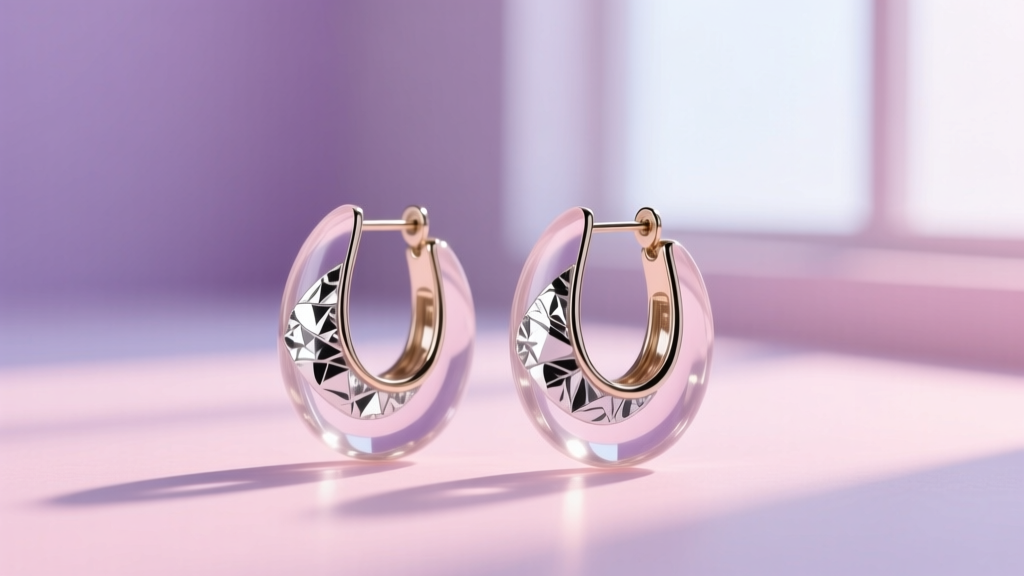
Introduced to the jewelry market in the late 1930s and exploding in popularity during the 1950s, Lucite (a brand name for polymethyl methacrylate, or PMMA) revolutionized earring design. Unlike the opaque, dark hues of Bakelite, Lucite offered crystal-clear optical transparency. This allowed artisans to develop "reverse carving" techniques, where the back of a thick Lucite earring was carved with floral or geometric motifs and then painted, creating a stunning 3D effect visible through the clear plastic from the front.
Optical Clarity and Embedded Designs
Lucite vintage plastic earrings frequently feature embedded elements, such as silver foil, mother-of-pearl flakes, or rhinestones suspended within the plastic. Because PMMA is a thermoplastic, it can be heated and molded around these inclusions without melting them. However, Lucite is highly susceptible to "crazing"—a network of fine, internal cracks caused by exposure to harsh chemicals. Even modern hair sprays, perfumes, and alcohol-based hand sanitizers can penetrate the microscopic pores of aged Lucite, causing irreversible internal clouding that ruins the optical clarity of the earring.
Comparative Material Matrix
When evaluating vintage plastic earrings for purchase or restoration, use this comparative matrix to quickly assess the material properties, risks, and current 2026 market valuations.
| Material | Polymer Type | Primary Era | Weight / Density | Degradation Risk | Avg. Market Value (2026) |
|---|---|---|---|---|---|
| Bakelite | Thermoset Phenolic | 1920s - 1940s | Heavy / Dense | Low (UV darkening) | $75 - $600+ |
| Celluloid | Thermoplastic Nitrocellulose | 1900s - 1920s | Very Light | High (Acidic spew) | $40 - $250 |
| Lucite / PMMA | Thermoplastic Acrylic | 1940s - 1960s | Medium | Medium (Crazing) | $30 - $300 |
Hardware and Post Considerations in Vintage Plastics
A major challenge with vintage plastic earrings is the hardware. Many pieces from the 1930s and 1940s were designed as clip-ons or screw-backs, as pierced ears were less common among certain demographics during those decades. Modern collectors often wish to convert these to standard pierced posts (typically 18-gauge or 20-gauge). This requires extreme caution. If you are drilling into a thermoset plastic like Bakelite, the material is brittle; drilling too fast will cause the exit hole to blow out and chip. If you are drilling into a thermoplastic like Lucite or Celluloid, the friction heat from a standard steel drill bit will melt the plastic, causing the bit to bind and shatter the earring. Always use a carbide-tipped micro-drill bit at a very low RPM, applying minimal pressure, and use a drop of distilled water as a coolant. When securing the new post, avoid cyanoacrylate (Super Glue), as the fumes can cause immediate, permanent white hazing on vintage plastics. Instead, use a slow-curing, jewelry-grade two-part epoxy.
Safe Cleaning Protocols by Polymer Type
Proper maintenance is critical for preserving the structural integrity of vintage plastics. Never use ultrasonic jewelry cleaners; the high-frequency vibrations will easily shatter brittle Celluloid and loosen the glue on embedded Lucite rhinestones. For routine cleaning, the Getty Conservation Institute recommends using only lukewarm distilled water and a mild, non-detergent soap (like pure Castile soap). Apply the solution with a soft, lint-free microfiber cloth, never a bristled brush, which can leave micro-scratches on the soft surface of aged PMMA. Rinse quickly with distilled water and pat dry immediately. Avoid all commercial jewelry dips, ammonia, and alcohol-based solutions, as these will strip the historic patina from Bakelite and induce severe crazing in Lucite. By respecting the unique chemical properties of these early synthetics, collectors can ensure their vintage plastic earrings remain vibrant and wearable for generations to come.


