The Complete Care & Cleaning Guide for Vitaly Earrings
Learn how to properly clean and maintain your Vitaly earrings. Discover expert tips for stainless steel care, PVD coatings, and structural storage.

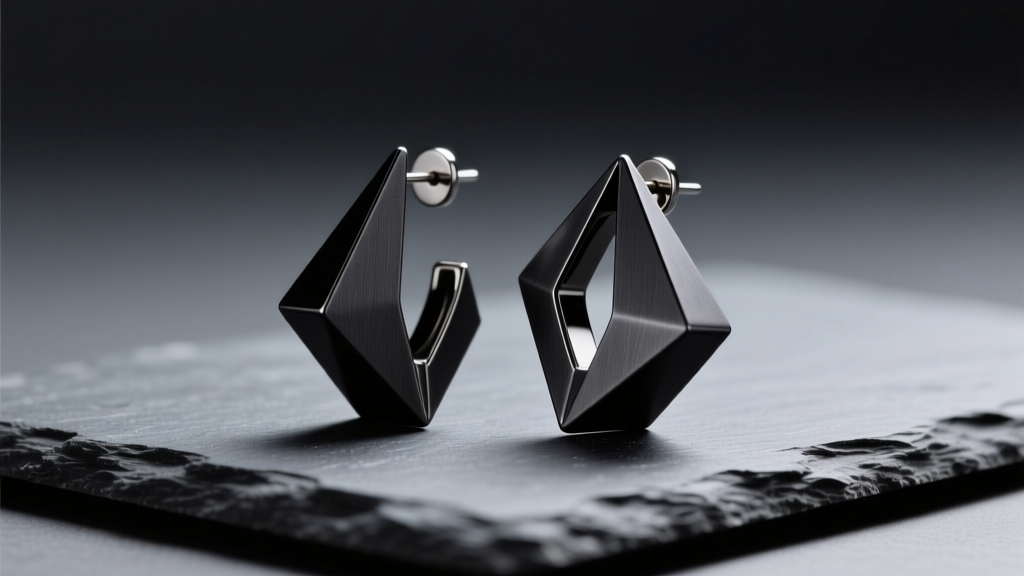
Preserving the Industrial Edge: A Deep Dive into Vitaly Earring Care
Vitaly has fundamentally disrupted the jewelry market with its genderless, futuristic, and brutalist design ethos. Whether you are wearing structural geometric studs, heavy chain-link huggies, or architectural ear cuffs, Vitaly earrings are statement pieces engineered from industrial-grade materials. However, maintaining their sharp, avant-garde finishes requires a specialized approach that goes beyond standard jewelry care. As we navigate the jewelry landscape in 2026, the market is flooded with generic cleaning solutions and accessible at-home ultrasonic machines. While these tools are excellent for traditional precious metals, they can be highly destructive to the specific material compositions favored by modern industrial designers.
To protect your investment, you must understand the metallurgy behind your pieces. Vitaly primarily utilizes recycled 316L stainless steel, advanced Physical Vapor Deposition (PVD) coatings, and precision-set cubic zirconia. This comprehensive guide will break down the exact chemical and mechanical protocols required to clean, maintain, and store your Vitaly earrings without compromising their structural integrity or molecular coatings.
Understanding Your Material Composition
Before applying any cleaning agent, you must identify the exact finish of your earrings. Vitaly’s manufacturing process relies heavily on two distinct material states, each with unique vulnerabilities:
316L Surgical Stainless Steel
Unlike standard 304 stainless steel, 316L contains an addition of 2% to 3% molybdenum. This specific alloying element dramatically increases resistance to chlorides and industrial solvents. Bare 316L stainless steel will not rust or tarnish under normal atmospheric conditions, but it is highly susceptible to surface smudging from sebum (skin oils) and hard water spots, which can dull its mirror or brushed finishes.
PVD (Physical Vapor Deposition) Coatings
For their gold, black, and rose gold pieces, Vitaly employs PVD coating rather than traditional electroplating. PVD involves vaporizing metals like titanium nitride in a vacuum chamber, allowing them to condense onto the steel substrate. According to materials science literature on Surface Engineering, PVD coatings are up to ten times thicker and more scratch-resistant than electroplating. However, the molecular bonds of PVD can be permanently degraded by prolonged exposure to harsh alkalines, chlorine, and ultrasonic cavitation.
The Step-by-Step Cleaning Protocol
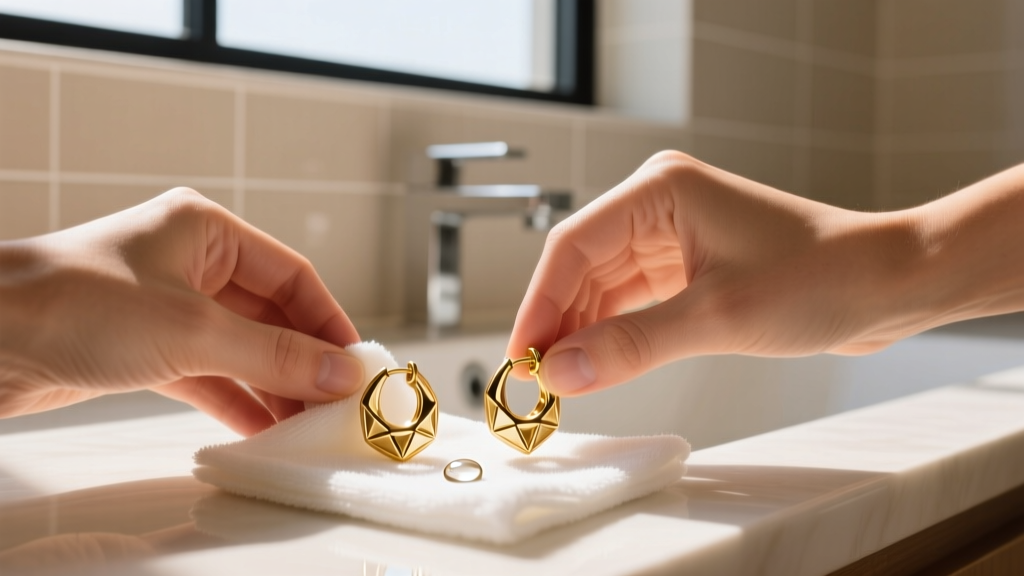
Ditch the commercial jewelry dips. The safest and most effective way to clean your Vitaly earrings requires a controlled, gentle approach that lifts debris without attacking the PVD layer or scratching the steel.
Phase 1: The Routine Weekly Wipe-Down
For daily maintenance, friction is your best tool. Keep a clean, untreated microfiber cloth (preferably one designated solely for jewelry) in your bathroom or dressing area. After removing your earrings, gently wipe down the posts, hinges, and exterior surfaces. This removes acidic sweat and sebum before it can calcify around the moving parts of huggies or the prongs of cubic zirconia settings.
Phase 2: Deep Cleaning Bare Stainless Steel
If your bare steel pieces have accumulated stubborn grime or hard water spots, follow this protocol:
- The Solution: Mix three drops of mild, phosphate-free dish soap (such as Dawn) into a bowl of warm distilled water. Avoid tap water, as dissolved calcium and magnesium will leave microscopic mineral deposits.
- The Agitation: Submerge the earrings for no more than five minutes. Use a baby-bristle toothbrush to gently sweep the crevices, particularly around the earring post and the clutch backing.
- The Rinse & Dry: Rinse under a gentle stream of distilled water. Immediately pat dry with a lint-free microfiber cloth. Do not air dry, as water evaporation will leave spotting.
Phase 3: Cautious Cleaning for PVD-Coated & Enamel Styles
PVD and enamel finishes require a much lighter touch. Never use a toothbrush on PVD-coated black or gold earrings. Even soft bristles can create micro-scratches over time, clouding the reflective surface. Instead, dip a cotton swab or a microfiber cloth into the soapy distilled water solution, gently wipe the surface, and immediately dry it. The Gemological Institute of America (GIA) strongly recommends avoiding ultrasonic cleaners for any jewelry with specialized surface treatments, as the high-frequency cavitation bubbles can cause micro-fractures in enamel and degrade the adhesive bonds in pave settings.
Chemical Hazards: What Destroys PVD Coatings?
One of the most common reasons owners experience peeling or fading on PVD-coated jewelry is environmental exposure. While 316L steel is incredibly resilient, the PVD layer requires protection from specific chemical agents. Review the hazard matrix below to understand what to avoid while wearing your Vitaly earrings.
| Chemical Agent | Source | Effect on 316L Steel | Effect on PVD Coating |
|---|---|---|---|
| Chlorine | Swimming pools, tap water | Minimal (due to molybdenum) | Breaks down molecular bonds, causing fading |
| Sodium Hypochlorite | Household bleach | Causes severe pitting | Strips coating immediately |
| Alcohol & Acetone | Hand sanitizer, nail polish remover | No effect | Dulls mirror finish over time |
| Sulfur Compounds | Hot springs, certain cosmetics | No effect | Can cause temporary surface clouding |
Storage and Daily Wear Best Practices
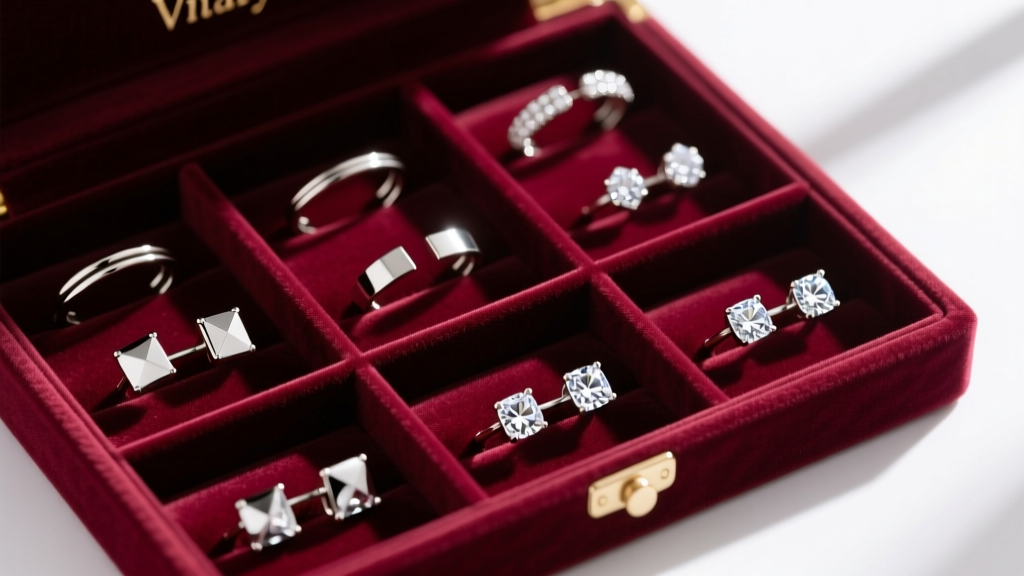
Proper storage is just as critical as active cleaning. Because Vitaly designs often feature sharp angles, interlocking links, and heavy geometric silhouettes, tossing them into a communal jewelry box is a recipe for mechanical damage.
- Isolate Your Pieces: Store each pair of earrings in its own soft flannel or velvet pouch. The sharp edges of a brutalist ear cuff can easily scratch the PVD finish of a delicate gold huggie if they rub together during transit.
- Manage Moisture: Never store your earrings immediately after a shower or workout. Trapped moisture in the crevices of structural designs can lead to calcification, which stiffens hinges and dulls the metal.
- The 'Last On, First Off' Rule: Always put your Vitaly earrings on after applying hairspray, perfume, and lotions. Aerosolized cosmetics create a microscopic film that adheres to PVD coatings and cubic zirconia, severely reducing their light refraction and metallic luster.
Troubleshooting Common Maintenance Issues
Even with meticulous care, mechanical jewelry can experience functional wear. Here is how to troubleshoot specific issues common to industrial-style earrings:
Stiff Hinges on Huggies and Clickers
Vitaly’s huggie earrings rely on a tiny steel pin hinge to open and close. Over time, sweat and dead skin cells can calcify inside the hinge barrel, causing it to stiffen or squeak. The Fix: Do not force the hinge. Soak the earring in warm distilled water for ten minutes to soften the debris. Use a soft brush to clean the seam. Once dry, apply a microscopic drop of mineral oil or jojoba oil to the hinge pin using a toothpick. Cycle the hinge open and closed a few times, then wipe away all excess oil with a microfiber cloth.
Cloudy Cubic Zirconia (CZ) Stones
If the CZ accents on your structural studs look dull, they are likely suffering from lotion buildup beneath the girdle of the stone. The Fix: Avoid using metal picks, which can scratch the steel prongs. Instead, use a wooden toothpick or a soft interdental brush to gently dislodge the buildup from the back of the setting (the pavilion). Soak in the mild dish soap solution, and the stones will regain their optical clarity.
Micro-Scratches on Bare Steel
While 316L steel is hard, it is not scratch-proof. If your bare steel pieces develop light surface scuffs, you can restore the finish using a specialized metal polishing cloth (such as a Cape Cod cloth). Warning: Only use polishing cloths on uncoated, bare stainless steel. Using an abrasive polishing cloth on a PVD-coated piece will strip the color layer entirely, ruining the earring.
Final Thoughts on Longevity
Caring for Vitaly earrings is an exercise in mindful maintenance. By respecting the industrial materials—avoiding ultrasonic cavitation, shielding PVD from chlorine, and storing structural pieces individually—you ensure that your jewelry retains its avant-garde edge for years to come. The beauty of 316L stainless steel and advanced PVD lies in their resilience, but that resilience relies entirely on the informed habits of the wearer.


