Vivienne Earrings Authentication & Material Deep Dive
An expert technical guide to Vivienne earrings, covering brass alloys, rhodium plating, crystal grading, and definitive authentication markers.

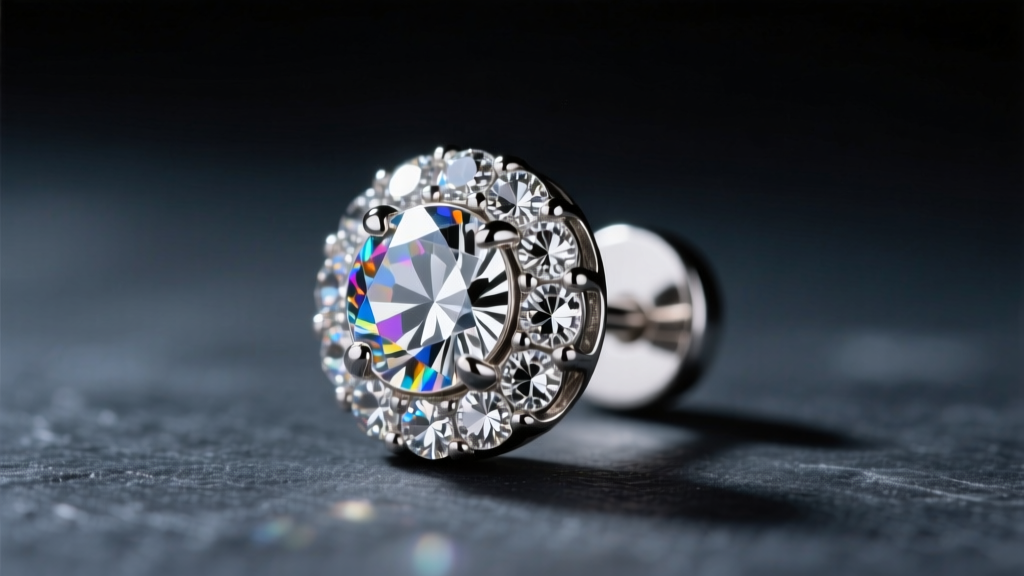
The Metallurgical Reality of Vivienne Earrings
The secondary market for luxury fashion jewelry has exploded, and sitting at the epicenter of this surge are Vivienne earrings. Specifically, the iconic Orb drop and stud designs have become cultural touchstones. However, as demand has outpaced boutique supply, the market has been flooded with high-tier replicas. To the untrained eye, a counterfeit might pass a casual visual inspection, but under metallurgical and gemological scrutiny, the structural differences become glaringly obvious. In 2026, distinguishing authentic pieces requires moving beyond basic logo spotting and understanding the precise material architecture, dimensional tolerances, and stone-setting techniques employed by the brand's manufacturing partners in Italy and the UK.
Authentic Vivienne earrings are not solid precious metals; they are masterclasses in fashion jewelry engineering. The core of almost all standard Orb earrings is a high-grade brass alloy, typically CW617N, chosen for its excellent machinability, weight, and ability to hold intricate cast details. This brass core is then subjected to a multi-stage plating process. Genuine pieces utilize a barrier layer of copper or nickel-free palladium before receiving a flash plating of rhodium (for the silver-tone pieces) or 14k/18k gold. Rhodium, a platinum-group metal, provides that brilliant, tarnish-resistant white finish. Replicas often skip the barrier layer and plate directly over cheap zinc alloys using chrome or thin silver washes, which inevitably leads to the dreaded 'green skin' reaction and rapid oxidation when exposed to the sulfur and acids in human sweat.
Dimensional Tolerances & Weight Metrics
One of the most reliable ways to authenticate Vivienne earrings without specialized equipment is by measuring their exact dimensional footprint and weight. Counterfeit manufacturers frequently struggle to replicate the exact density of the brass core, resulting in pieces that are either suspiciously light (due to hollow casting) or overly heavy (due to cheap, dense lead-tin alloys). Below is the technical specification matrix for the three most common Orb variants.
| Model Variant | Orb Dimensions (H x W) | Average Weight (Per Earring) | Crystal/Pearl Count |
|---|---|---|---|
| Mini Orb Stud | 15mm x 12mm | 3.8g - 4.2g | ~45 precision-cut crystals |
| Regular Orb Drop | 25mm x 20mm | 8.5g - 9.1g | ~110 precision-cut crystals |
| Pearl Orb Drop | 28mm drop length | 6.2g - 6.8g | 1 freshwater pearl, ~30 crystals |
Notice the tight weight tolerances. If a pair of Mini Orb studs feels virtually weightless or heavy enough to drag down a delicate earlobe, you are likely handling a replica. Furthermore, the orbital ring on authentic pieces maintains a uniform thickness of exactly 1.8mm. Fakes often feature a ring that tapers or varies in thickness due to poor mold injection or low-quality casting slurries.
Crystal vs. Pearl Variants: A Gemological Breakdown
The stones used in Vivienne earrings are a major point of failure for counterfeiters. According to the GIA Gem Encyclopedia, the optical properties of precision-cut glass crystals differ vastly from molded acrylic or cheap resin. Authentic silver-tone Orb earrings utilize high-refractive-index glass crystals (historically Swarovski, now often proprietary precision-cut lead-free crystal) that feature a specialized foil backing. This foil acts as a mirror, bouncing light back through the crown of the stone to create intense brilliance.
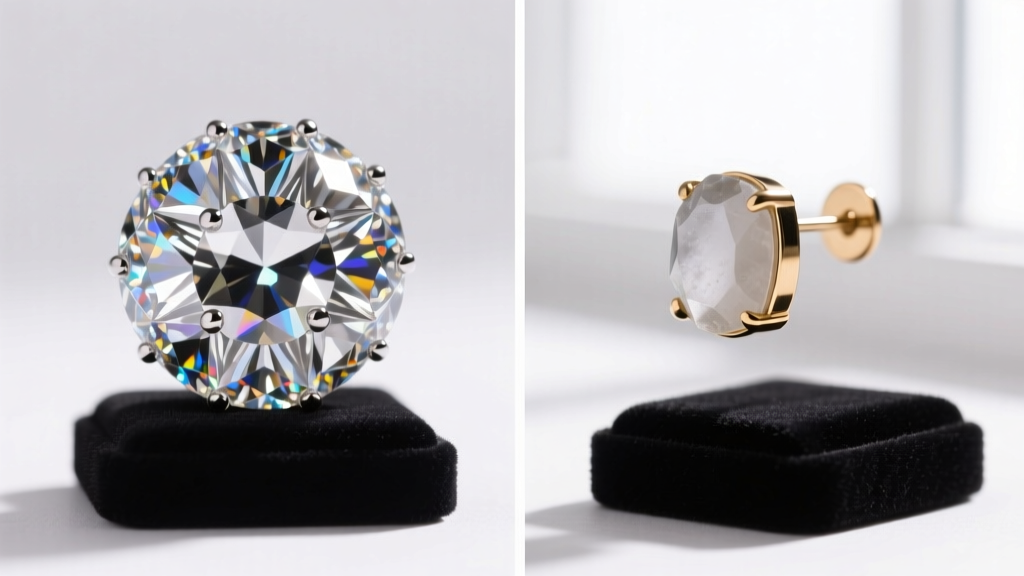
In genuine pieces, these crystals are meticulously prong-set or secured with microscopic beads of jeweler's epoxy that are entirely invisible to the naked eye. Replicas, conversely, rely on aggressive, visible glue application. If you examine the pavé surface under a 10x jeweler's loupe and see cloudy residue seeping between the stones, or if the stones sit at slightly uneven heights, the piece is counterfeit. For the Pearl Orb variants, authentic pieces use genuine freshwater pearls with a high luster and minor natural blemishes. Fakes use perfectly spherical glass beads coated in pearlescent paint, which will chip or peel along the drill hole over time.
The Authentication Matrix: Hallmarks & Hardware
Beyond the visual orb itself, the hardware and hallmarking provide definitive proof of authenticity. The brand's quality control regarding backstamps and clasps is rigorous, and this is where the majority of fakes are exposed.
- The Backstamp Engraving: Authentic Vivienne earrings feature a deeply laser-engraved or stamped 'Vivienne Westwood' logo on the flat back of the orb or the cross. The font is a highly specific, proprietary serif/sans-serif hybrid. Fakes often use a generic Arial or Times New Roman font, and the engraving is superficial—easily rubbed away with a polishing cloth. Furthermore, authentic pieces frequently include the registered trademark ® symbol, which is often missing or misaligned on replicas.
- The Cross Alignment & Solder Joints: The cross on the Orb must sit perfectly flush and centered within the orbital ring. On genuine pieces, the solder joints where the cross meets the ring are micro-welded and polished smooth. Under magnification, a fake will often reveal bulky, uneven solder blobs, or the cross will sit at a slight, imperceptible tilt.
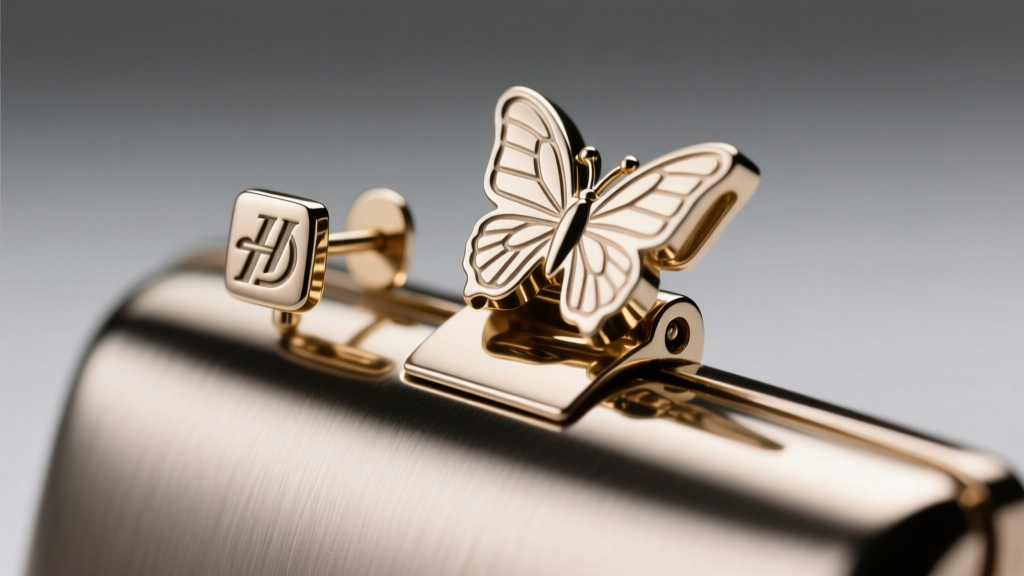
- The Post and Butterfly Clutch: The earring post should be made of surgical-grade stainless steel or sterling silver to comply with EU REACH nickel-release standards, even if the rest of the earring is plated brass. The butterfly clutch must feature a secure friction groove and, in most modern productions, a subtle VW monogram or brand stamp. Fakes use cheap, stamped sheet-metal butterflies with sharp edges that scratch the ear and lack the necessary tension to hold a 4-gram earring securely.
Long-Term Metallurgical Care & Preservation
Understanding the material composition of your Vivienne earrings is only half the battle; preserving the rhodium plating and crystal integrity requires specific maintenance protocols. Because these are brass-core fashion jewels, they are inherently susceptible to environmental degradation once the rhodium flash plating begins to wear.
Never use ultrasonic jewelry cleaners on Vivienne earrings. The high-frequency cavitation bubbles generated by ultrasonic machines will aggressively strip the delicate foil backing off the crystals, leaving them looking dull, gray, and lifeless. Furthermore, the vibrations can fracture the microscopic epoxy bonds holding the pavé stones in place. Instead, follow Vivienne Westwood's official jewelry care guidelines, which recommend using only a soft, lint-free microfiber cloth for daily polishing.
For deeper cleaning, use a solution of lukewarm distilled water and a single drop of pH-neutral dish soap. Gently agitate the earrings with a soft-bristled baby toothbrush, ensuring you do not scrub the crystal settings too harshly. Rinse with distilled water (tap water contains chlorine and minerals that can accelerate brass oxidation if it penetrates micro-fissures in the plating) and dry immediately with compressed air or a microfiber cloth. Store them in an airtight anti-tarnish bag with a silica gel desiccant packet to control ambient humidity, which is the primary catalyst for brass migration and rhodium degradation.
When to Seek Professional Re-Plating
If you have acquired a vintage pair of Vivienne earrings from the early 2000s, or if a modern pair has suffered severe plating loss due to cosmetic exposure, professional re-plating is a viable option. A master jeweler can chemically strip the remaining rhodium, polish the underlying brass core, and apply a new 0.5-micron layer of rhodium. However, ensure the jeweler uses a cyanide-free, nickel-free plating bath to maintain the hypoallergenic properties of the original piece. Attempting to polish rhodium-plated brass at home with abrasive silver polishes will instantly burn through the microscopic plating layer, exposing the raw brass and ruining the piece's structural aesthetic.
Final Expert Verdict
Navigating the market for Vivienne earrings in 2026 requires a skeptical eye and a technical mindset. The cultural cachet of the Orb design guarantees that counterfeiters will continue to refine their manufacturing techniques. However, they cannot easily replicate the precise metallurgical density, the optical brilliance of foil-backed precision crystals, or the microscopic perfection of laser-engraved hallmarks. By weighing your pieces, examining the solder joints under magnification, and adhering to strict, non-abrasive care protocols, you can ensure that your investment remains both structurally sound and visually immaculate for decades.


