Waterdrop Earrings: A Beginner's Guide to Styling & Fit
Master waterdrop earrings with our beginner guide. Learn face-shape pairings, metal grades, weight limits, and lobe care for perfect styling.

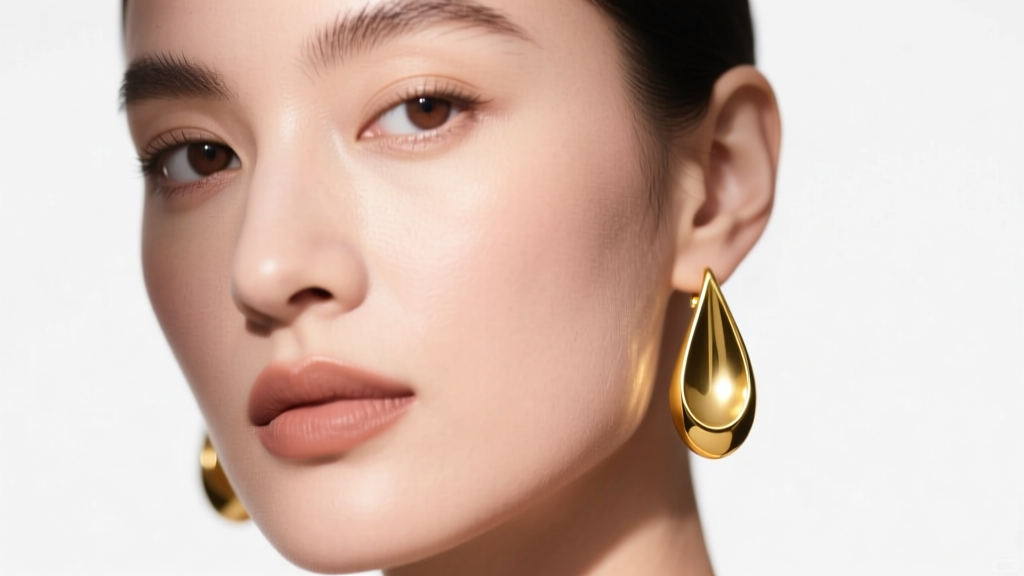
Understanding the Waterdrop Silhouette
Waterdrop earrings, often referred to interchangeably as teardrop earrings, represent one of the most enduring and universally flattering silhouettes in fine and fashion jewelry. Characterized by a tapered top that gradually widens into a rounded, heavier bottom, this shape mimics the natural physics of a falling droplet of water. For beginners, the appeal lies in the design's inherent elegance and its ability to bridge the gap between daytime minimalism and evening glamour. However, selecting the perfect pair requires more than just picking a shiny metal; it demands an understanding of facial geometry, metallurgical skin sensitivities, and the biomechanics of earlobe weight distribution.
In this comprehensive guide, we will break down the exact specifications you need to know before purchasing your first pair of waterdrop earrings, ensuring they are comfortable, hypoallergenic, and perfectly proportioned for your unique features.
The Anatomy of a Waterdrop Earring
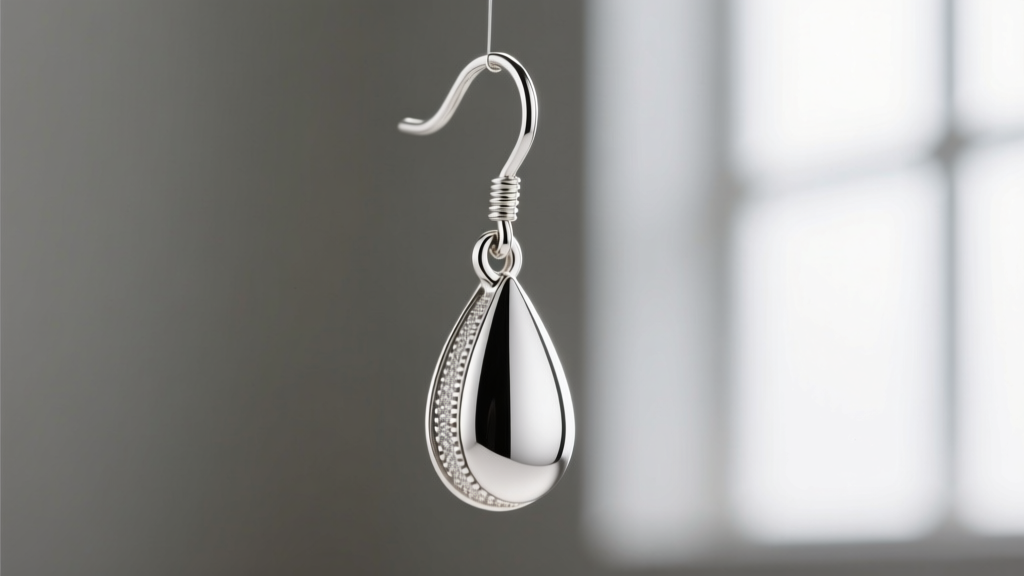
Before diving into styling, it is crucial to understand the structural components of the earring itself. A poorly constructed waterdrop earring will fail at its connection points, leading to lost jewelry or damaged piercings.
- The Hook or Post: The wire that passes through the ear. For standard waterdrop hooks (French wires), the industry standard is 20-gauge (0.81mm) or 22-gauge (0.64mm). Thicker 18-gauge wires are rare for drops unless the piece is exceptionally heavy, as they can stretch unhealed or delicate lobes.
- The Bail: The small loop or connector that attaches the main body of the waterdrop to the hook. This is the primary failure point in cheap jewelry. Always inspect the soldering joint where the bail meets the drop; it should be seamless with no visible gaps or excess solder blobs.
- The Body (The Drop): The main visual element. High-quality drops are either cast solid (for smaller pieces) or electroformed (for larger, hollow pieces to reduce weight).
Face Shape Pairing Framework
The golden rule of styling waterdrop earrings is contrast and balance. The tapered top and wider bottom of the earring interact directly with your jawline and cheekbones. Use the framework below to determine which waterdrop proportions will best complement your natural geometry.
| Face Shape | Ideal Waterdrop Proportion | Why It Works |
|---|---|---|
| Round | Long, narrow, and elongated | Draws the eye vertically, creating the illusion of a longer, more sculpted face and neck. |
| Square | Short, wide with a soft rounded base | The curved bottom softens a strong, angular jawline without adding harsh geometric lines. |
| Heart | Medium length, wider at the very bottom | Adds visual weight to the lower half of the face, balancing a narrower chin and wider forehead. |
| Oval | Any proportion (Classic medium drop is optimal) | Oval faces are naturally balanced; a standard 1.5-inch drop highlights the cheekbones beautifully. |
Metallurgy and Skin Sensitivities
Because waterdrop earrings often sit flush against the neck or swing near the jawline, the metal composition is critical for those with contact dermatitis or metal sensitivities. The most common culprit for allergic reactions is nickel, which is frequently used as a hardening alloy in lower-karat gold and white gold. According to the American Academy of Dermatology, nickel allergy is one of the most common causes of allergic contact dermatitis, affecting up to 18% of adults.
Choosing the Right Metal Grade
- Implant-Grade Titanium (ASTM F136): The absolute gold standard for sensitive ears. It is entirely nickel-free, lightweight, and highly resistant to corrosion. Ideal for the hook component if you are buying custom or artisan waterdrop earrings.
- 14k and 18k Yellow Gold: As detailed by the Gemological Institute of America (GIA), pure 24k gold is too soft for jewelry. 14k gold (58.3% pure gold) offers excellent durability for the thin hooks of waterdrop earrings, while 18k gold (75% pure gold) provides a richer color but is slightly more prone to bending if the earring is heavy.
- Sterling Silver (925): A great budget-friendly option, but ensure it is rhodium-plated if you have severe sensitivities, as the 7.5% copper alloy in sterling silver can cause reactions in a small subset of people with highly reactive skin.
Weight Distribution and Earlobe Health
The most overlooked aspect of buying drop earrings is the physics of weight distribution. A solid metal waterdrop earring that is 2 inches long can easily weigh between 15 and 25 grams per ear. While this sounds light, the leverage created by the drop's length pulls the center of gravity away from the piercing hole, causing the lobe to stretch, tilt forward, and eventually tear over time.
The 15-Gram Rule and Support Solutions
As a general rule in jewelry ergonomics, any earring exceeding 15 grams requires structural support for prolonged wear (more than 4 hours). If you fall in love with a heavy, solid gemstone or metal waterdrop design, you must incorporate lobe support into your styling routine.
- Hollow Electroforming: When shopping, look for brands that use electroforming. This technique creates a thick, durable shell of metal that is completely hollow inside, reducing the weight of a large waterdrop earring by up to 70% compared to solid casting.
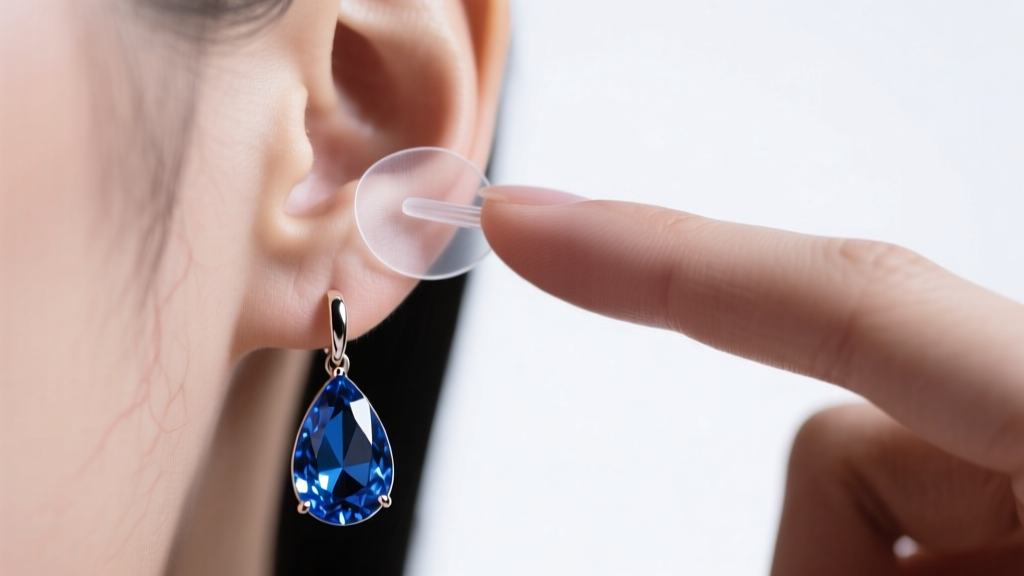
- Earlobe Support Patches: Products like LobeWonder or generic invisible adhesive patches are applied to the back of the earlobe. They feature a reinforced plastic disc that distributes the downward pull of the earring hook across a wider surface area of the skin, preventing the "stretched piercing" look.
- Omega Backs or Leverbacks: If the waterdrop design allows, opt for leverback closures rather than standard French wires. Leverbacks provide a secondary point of contact behind the ear, slightly reducing the forward tilt of the earring.
Price Tiers: What to Expect in 2026
Understanding the market landscape will help you set realistic expectations regarding materials, craftsmanship, and longevity. Here is a breakdown of what your budget will yield in the current waterdrop earring market.
Fashion & Demi-Fine ($40 - $150)
In this tier, you will primarily find gold-plated brass or sterling silver bases. The waterdrop bodies may feature cubic zirconia, glass, or resin. Buyer Beware: Plated hooks will eventually wear down to the base metal, exposing you to nickel or brass. These are best for occasional wear rather than daily staples.
Solid Fine Jewelry ($300 - $800)
Here, you enter the realm of solid 14k gold, recycled precious metals, and genuine semi-precious stones (like carved quartz, amethyst, or chalcedony). The soldering on the bails is precision-laser welded, and the hooks are engineered to withstand daily bending without snapping. This is the sweet spot for investment pieces that retain intrinsic metal value.
High Jewelry & Artisan ($1,500+)
At this apex level, waterdrop earrings feature complex pavé diamond settings, rare briolette-cut gems (like Paraiba tourmaline or unheated sapphires), and bespoke, hand-forged platinum or 18k gold settings. The weight distribution is meticulously calculated by master jewelers to ensure the earring hangs perfectly plumb without requiring adhesive support patches.
Final Styling Takeaways
Waterdrop earrings are a masterclass in jewelry design, offering a soft, feminine silhouette that frames the face beautifully. By prioritizing 20-gauge or 22-gauge hooks in hypoallergenic metals like ASTM F136 titanium or solid 14k gold, you protect your piercings from irritation. Furthermore, by respecting the 15-gram weight threshold and utilizing hollow constructions or support patches, you ensure your earlobes remain healthy and intact for decades. Choose your proportions based on your jawline, invest in quality soldering, and your waterdrop earrings will remain a timeless staple in your jewelry wardrobe.


