White Abalone Shell Earrings: The Ultimate Buying Guide
Discover how to buy authentic white abalone shell earrings. Learn about nacre grading, sustainable sourcing, metal pairings, and pricing in our guide.

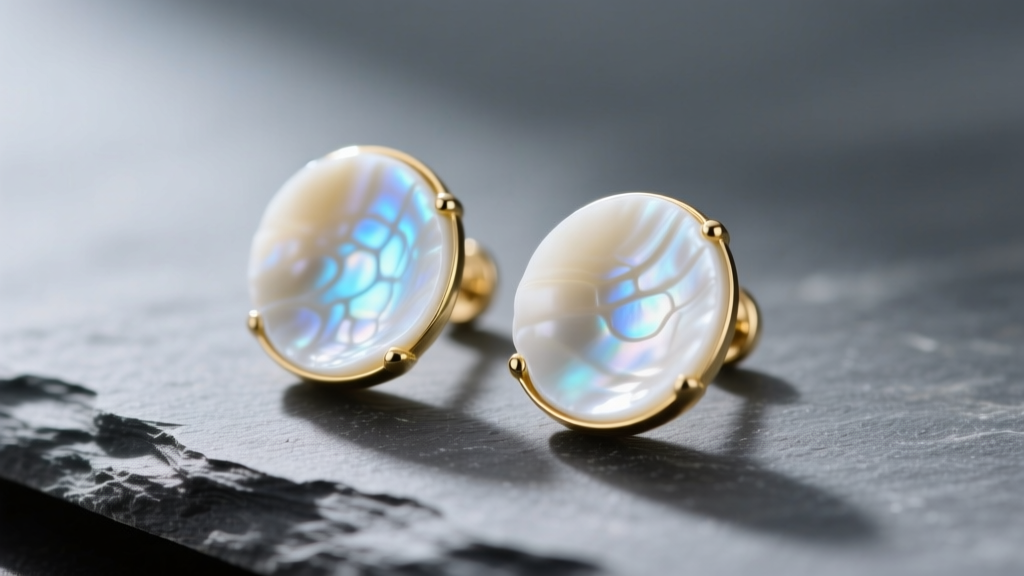
The allure of oceanic jewelry has cemented white abalone shell earrings as a staple in both minimalist and bohemian collections. With their ethereal, pearlescent glow and subtle flashes of aquamarine and violet, these organic gems offer a unique alternative to traditional diamonds or colored stones. However, navigating the market for shell jewelry requires a discerning eye. From understanding gemological classifications to verifying ethical sourcing, purchasing high-quality abalone earrings involves much more than picking a pretty design.
In this comprehensive 2026 buying guide, we break down the structural integrity, material grades, and sustainability standards you need to know before investing in your next pair of white abalone shell earrings.
The Gemological Truth: What is 'White Abalone'?
Before making a purchase, it is crucial to understand what you are actually buying. True White Abalone (Haliotis sorenseni) is a species native to the Pacific coast of North America. Due to severe overharvesting and habitat loss, it is currently listed as critically endangered. According to NOAA Fisheries, wild populations are heavily protected, meaning true Haliotis sorenseni is virtually nonexistent in the commercial jewelry market.
So, what are the 'white abalone shell earrings' you see in boutiques? Gemologists and jewelers typically use this term to describe one of two things:
- The White Nacre Layer of Green Abalone or Paua: Jewelers carefully carve the thick, ivory-white nacreous inner layer of the New Zealand Paua (Haliotis iris) or California Green Abalone. When polished, this layer exhibits a stunning, milky white base with subtle iridescent overtones.
- Mother-of-Pearl Misnomers: Less scrupulous sellers may label standard white Mother-of-Pearl (from pearl oysters) as 'white abalone' to capitalize on the exotic name. While beautiful, MOP lacks the distinct micro-structural corrugations that give abalone its unique chatoyancy.
Always ask the jeweler for the specific species origin. Reputable sellers will transparently disclose if the shell is sourced from farmed New Zealand Paua or Australian Greenlip abalone, rather than claiming it is endangered wild white abalone.
Evaluating Shell Quality & Inlay Techniques
The value of white abalone shell earrings is dictated by the luster, orient (iridescence), and the craftsmanship of the setting. Because shell is an organic material with a Mohs hardness of just 2.5 to 3.5, how it is secured in the earring mount is paramount.
Bezel vs. Prong Settings
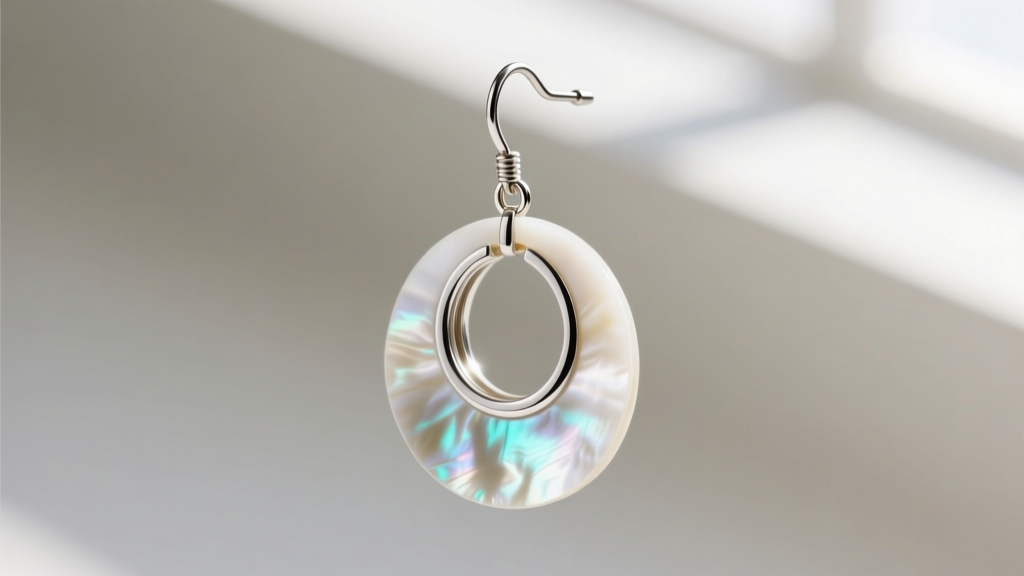
Due to the brittle nature of the shell, bezel settings are the industry gold standard. A continuous metal rim protects the fragile edges of the shell cabochon from chipping. Prong settings, while allowing more light to enter the stone, leave the shell's edges exposed to daily impacts and are generally discouraged for abalone.
Inlay vs. Solid Cabochons
Many modern designs utilize shell inlay, where crushed or thinly sliced shell is set into a metal channel. When evaluating inlaid white abalone shell earrings, look for the following:
- Seamless Epoxy Bonding: The shell should sit perfectly flush with the metal. Run your fingernail lightly over the surface; any catching indicates poor leveling, which will trap dirt and degrade the epoxy over time.
- Opacity and Backing: High-end inlays use solid, opaque shell pieces. Lower-tier manufacturers may use translucent shell flakes backed with white paint or plastic to simulate thickness. Hold the earring up to a strong light; if you can see through the shell or spot a painted grid, it is a lower-grade composite.
Metal Pairings & Hardware Specifications
The metal you choose dramatically alters the visual temperature of the white abalone. Furthermore, because abalone earrings are often worn against sensitive earlobes or cartilage, the hardware specifications must meet hypoallergenic standards.
| Metal Type | Aesthetic Effect on White Abalone | Best For / Notes |
|---|---|---|
| 14k/18k Yellow Gold | Enhances the creamy, warm undertones and highlights subtle golden-green iridescence. | Classic, high-end luxury. Ensure the post is at least 18-gauge for durability. |
| Sterling Silver (925) | Amplifies the cool, icy blue and violet flashes within the white nacre. | Everyday wear. Must be rhodium-plated to prevent silver sulfide tarnish from transferring to the porous shell. |
| Platinum / White Gold | Creates a stark, modern contrast that makes the white shell appear brighter and more opaque. | Heirloom pieces. White gold requires rhodium dipping, which can accidentally damage shell if not masked properly. |
| Implant-Grade Titanium | Neutral; lets the natural shell color dictate the palette. | The ultimate choice for fresh cartilage piercings or hyper-sensitive lobes. Lightweight and highly biocompatible. |
Hardware Note: Standard earring posts are typically 20-gauge (0.81mm) or 18-gauge (1.02mm). If you are buying white abalone shell earrings for a cartilage piercing (like a helix or tragus), opt for 16-gauge (1.2mm) titanium posts to prevent the 'cheese-cutter effect' and ensure proper healing.
The 2026 Sustainability Standard
Sustainability is no longer a niche preference; it is a baseline requirement for organic gemstones. The CITES (Convention on International Trade in Endangered Species) strictly regulates the global trade of various abalone species to prevent illegal poaching.
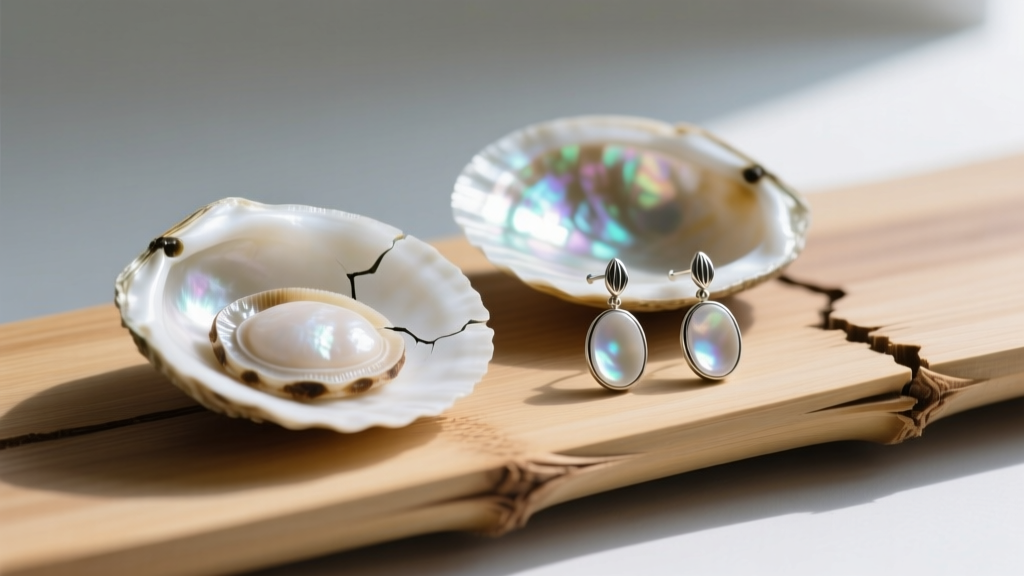
When shopping in 2026, look for brands that provide Chain of Custody documentation. The most ethical white abalone shell earrings are sourced from:
- MSC-Certified Aquaculture: Farmed abalone from New Zealand, South Africa, or Australia. These farms actively restore local kelp forest ecosystems and do not deplete wild stocks.
- Upcycled Byproducts: Some innovative jewelers source their shell from the culinary abalone industry, ensuring zero waste from the animal harvest.
Avoid 'wild-caught' claims from unverified international vendors, as these frequently contribute to the devastating poaching rings that threaten global marine biodiversity.
Pricing Guide: What Should You Expect to Pay?
The price of white abalone shell earrings varies wildly based on the metal, the origin of the shell, and the complexity of the lapidary work. Here is a realistic pricing framework for the current market:
- Entry-Level ($25 - $60): Sterling silver studs with thin shell inlay or glued-on flat-back cabochons. Often mass-produced with minimal quality control on the epoxy seals.
- Mid-Range ($80 - $250): Solid 14k gold bezel settings featuring hand-carved, thick New Zealand Paua nacre. Custom-cut stones with high luster and secure, flush inlay work.
- Designer / High-End ($350 - $800+): Intricate carved cameos, mixed-material dangles (e.g., white abalone paired with ethically sourced diamonds or sapphires), and pieces from recognized marine-conservation-focused artisan jewelers.
Care & Maintenance Protocol
Organic gems are highly susceptible to environmental damage. The calcium carbonate structure of white abalone is easily dissolved by acids and degraded by prolonged UV exposure.
The 'Last On, First Off' Rule
Always put your abalone earrings on after applying hairspray, perfumes, and cosmetics. The alcohol and volatile organic compounds (VOCs) in these products can strip the natural luster from the nacre, leaving it dull and chalky over time.
Cleaning Method
Never use ultrasonic cleaners, steamers, or commercial silver dips on shell jewelry. The high-frequency vibrations can shatter the microscopic nacre layers, and the harsh chemicals will etch the surface. Instead, use a soft, lint-free microfiber cloth lightly dampened with distilled water to wipe away skin oils after wearing. For the metal components, use a dedicated, dry polishing cloth that is strictly free of chemical abrasives.
For further education on the structural properties of organic gems, the GIA Gem Encyclopedia offers excellent foundational reading on how nacre forms and how to identify treated versus natural shell materials.
Final Verdict
White abalone shell earrings are a breathtaking, oceanic alternative to traditional gemstones, provided you know exactly what you are buying. By prioritizing bezel settings, verifying the aquaculture origin of the shell, and selecting hypoallergenic hardware like 18k gold or implant-grade titanium, you can secure a pair of earrings that are as ethically sound as they are visually stunning. Remember: true luxury in 2026 is defined not just by beauty, but by transparency and respect for the marine ecosystems that create it.


