The Beginner's Guide to Buying White Gold Butterfly Earrings
Discover everything you need to know about white gold butterfly earrings, from metal purity and backing types to pricing and care tips.

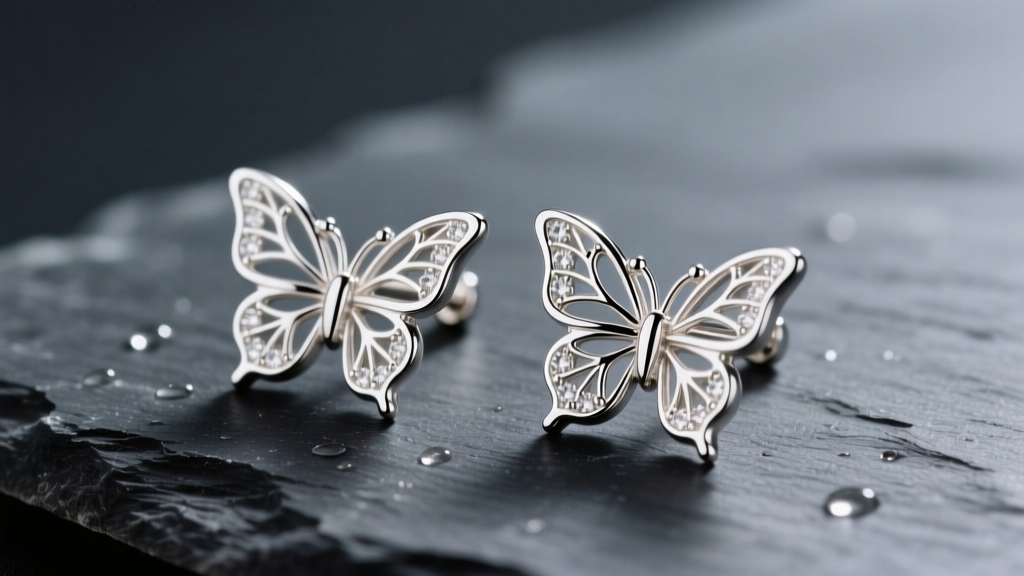
Building a foundational jewelry collection requires pieces that are versatile, durable, and timeless. Among the most sought-after staples for both new piercings and curated ear stacks are white gold butterfly earrings. Combining the delicate, nature-inspired motif of a butterfly with the brilliant, silvery luster of white gold, these earrings offer a perfect balance of whimsy and sophistication. However, for beginners, navigating the world of precious metals, alloy compositions, and earring backings can be overwhelming. This comprehensive guide will break down the metallurgy, mechanics, and market pricing of white gold butterfly earrings so you can make an informed, confident purchase.
What Exactly Are White Gold Butterfly Earrings?
At their core, white gold butterfly earrings are stud earrings featuring a butterfly silhouette, crafted from a specific gold alloy, and typically secured with a friction post backing. The butterfly design can range from minimalist, geometric outlines to highly detailed, three-dimensional figures featuring pavé-set diamonds or enamel accents. Because they sit flush against the earlobe, they are exceptionally comfortable for everyday wear and sleeping, making them an ideal choice for first-time buyers or those with active lifestyles. When shopping for these pieces, it is crucial to look beyond the aesthetic and understand the underlying metal composition, as not all "white gold" is created equal.
Decoding the Metal: 14K vs. 18K White Gold Alloys
One of the most common misconceptions among beginners is that white gold is a naturally occurring white metal. In reality, pure gold (24K) is inherently yellow. To create white gold, jewelers alloy pure gold with white metals such as nickel, palladium, silver, or zinc. According to the Gemological Institute of America (GIA), the resulting alloy still retains a faint yellowish or grayish tint. To achieve the brilliant, mirror-like silver finish consumers expect, the jewelry is electroplated with a microscopic layer of rhodium, a rare and highly reflective platinum-group metal.
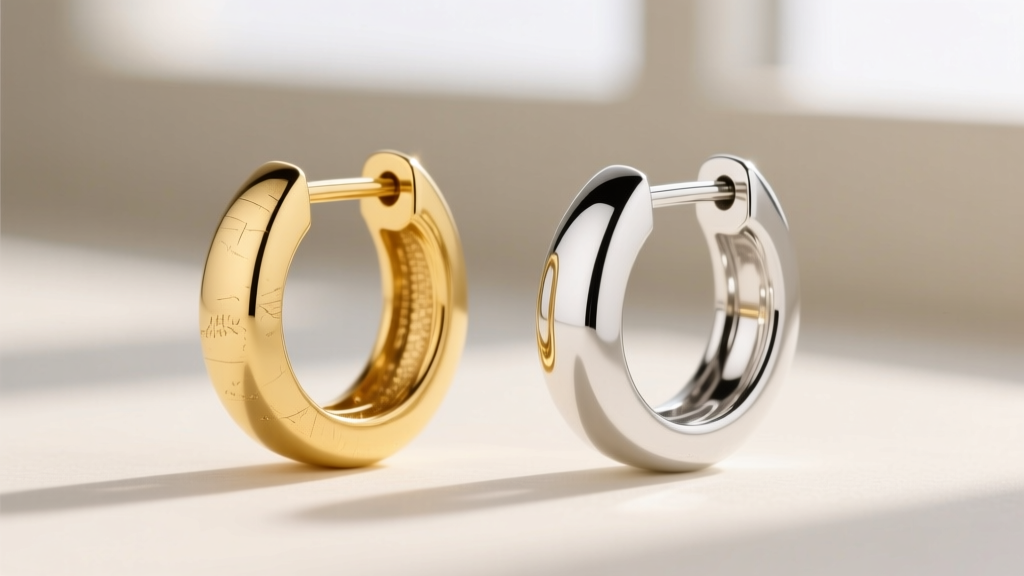
When selecting your earrings, you will primarily encounter two purity levels: 14K and 18K. Understanding the difference is vital for durability, skin sensitivity, and long-term maintenance.
| Feature | 14K White Gold (58.5% Gold) | 18K White Gold (75% Gold) |
|---|---|---|
| Durability | Highly durable; resists scratching and bending. | Softer; more prone to micro-scratches over time. |
| Color (Pre-Plating) | Grayer tint due to higher alloy content. | Warmer, slightly yellow tint due to higher gold content. |
| Allergy Risk | Higher risk if alloyed with nickel. | Lower risk; often alloyed with palladium instead of nickel. |
| Price Point | More affordable; excellent for everyday staples. | Premium pricing; favored in high-end luxury jewelry. |
Pro Tip for Sensitive Ears: If you have contact dermatitis or nickel allergies, always verify with the jeweler that the white gold is alloyed with palladium rather than nickel, or opt for 18K white gold, which frequently utilizes palladium to maintain its higher gold purity without compromising the white color.
The Mechanics of the Butterfly Backing Explained
The term "butterfly" in jewelry actually refers to two distinct elements of the earring: the decorative front motif and the functional backing mechanism. The classic "butterfly back" (also known as a push back or friction back) is the most common securing method for stud earrings. It consists of a small metal clutch with two looped "wings" that you pinch to open the internal spring mechanism, allowing it to slide onto the earring post.
How Friction Posts Work
The post of a high-quality white gold earring will feature a small, carved groove or notch near the tip. When you push the butterfly clutch onto the post, the internal metal spring snaps into this notch, creating tension that holds the earring securely against the earlobe. While highly convenient for daily insertion and removal, friction backs can loosen over time due to the natural expansion and contraction of the metal clutch.
Upgrading to Screw Backs for Security
If you are investing in diamond-accented white gold butterfly earrings, consider requesting a screw-back modification. Screw backs feature threaded posts that require you to twist the backing on, completely eliminating the risk of the earring falling out if the clutch loses its tension. While they take a few extra seconds to put on, they offer unparalleled peace of mind for high-value pieces.
Sizing, Gauge, and Proportions for Everyday Wear
Size and post thickness are critical factors that dictate both the comfort and the visual impact of your earrings. For standard lobe piercings, the industry standard post thickness is 20-gauge (0.81mm) or 18-gauge (1.02mm). If you purchase an earring with a post that is too thick for a freshly healed or tight piercing, it can cause micro-tears and irritation.
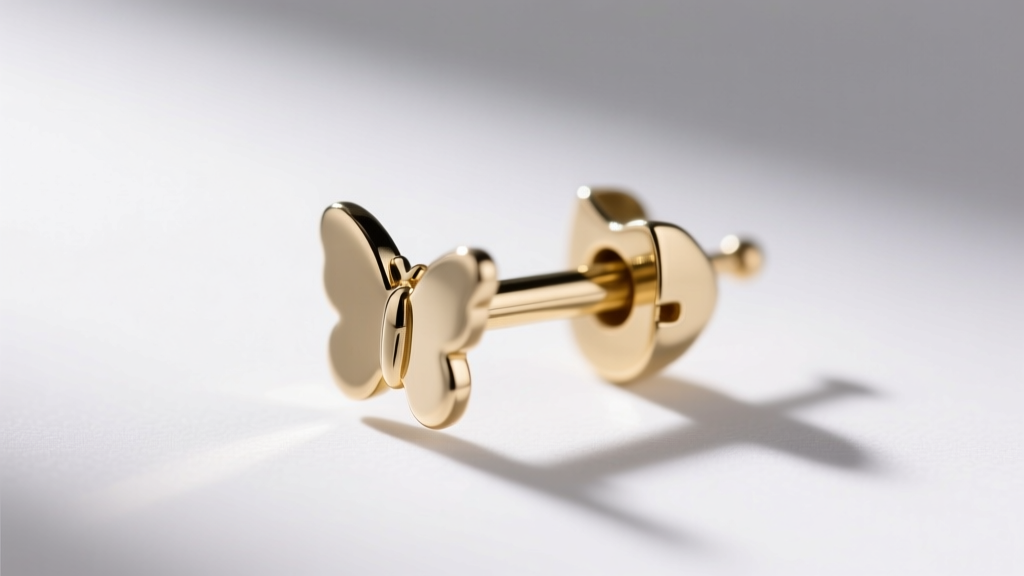
Regarding the butterfly motif itself, proportions matter. For a subtle, minimalist look suitable for professional environments or second-hole piercings, look for designs measuring between 5mm and 8mm in width. If you want the butterfly to serve as a statement piece in your primary lobe piercing, opt for dimensions between 10mm and 14mm. Always check the millimeter dimensions in the product description, as macro photography can often make small studs appear much larger than they are in reality.
Real-World Pricing: How Much Should You Pay?
The market is saturated with misleading listings, making it essential to understand the baseline pricing for solid white gold. The Federal Trade Commission (FTC) strictly regulates the stamping and marketing of precious metals, meaning any piece stamped "14K" or "18K" must meet exact purity standards. Beware of terms like "white gold plated" or "gold vermeil," which are fundamentally different and will eventually wear down to the base metal beneath.
- Solid 14K White Gold (Plain Metal, 5-8mm): $75 to $150. This is the baseline for a quality, unadorned metal butterfly stud.
- Solid 14K White Gold (With Pavé Diamonds): $250 to $600. The price scales based on the carat weight and clarity of the accent diamonds.
- Solid 18K White Gold (Premium/Luxury Brands): $400 to $1,200+. You are paying for the higher gold purity, superior diamond quality, and brand prestige.
- Gold Vermeil / Plated (Brass or Silver Base): $20 to $60. Not recommended for sensitive ears or long-term daily wear, as the plating will inevitably chip and tarnish.
Care, Maintenance, and Re-Plating
Because white gold relies on a rhodium plating to achieve its bright white color, maintenance is an unavoidable part of ownership. Over time, the friction from hair, skin oils, and daily activities will wear away the rhodium layer, particularly on the back of the earring and the post, revealing the pale yellow alloy beneath. This is not a defect; it is the natural lifecycle of white gold jewelry.
"To extend the life of your rhodium plating, avoid exposing your white gold earrings to chlorine, harsh household cleaners, and heavy lotions. When the metal begins to look brassy, a local jeweler can re-plate them for a nominal fee, usually between $30 and $50."
For routine cleaning, simply soak your white gold butterfly earrings in a bowl of warm water mixed with a few drops of mild, phosphate-free dish soap for 15 minutes. Gently brush the crevices of the butterfly design with a soft-bristled baby toothbrush to remove trapped sebum and dead skin cells. Rinse thoroughly with lukewarm water and pat dry with a lint-free microfiber cloth. Avoid ultrasonic cleaners if your butterfly earrings feature fracture-filled diamonds or delicate enamel accents, as the high-frequency vibrations can cause structural damage.
Final Verdict for First-Time Buyers
Investing in a pair of solid 14K or 18K white gold butterfly earrings is a brilliant move for anyone looking to add a touch of personality to their everyday jewelry rotation. By prioritizing solid metal over plated alternatives, verifying the alloy composition for skin safety, and understanding the mechanics of the backing, you ensure that your purchase will remain a cherished, wearable staple for decades. Whether you choose a sleek, modern outline or a diamond-encrusted classic, the timeless appeal of the butterfly motif paired with the enduring elegance of white gold guarantees a piece that transcends fleeting trends.


