Why Does My Earring Stink? The Science and Metal Fixes
Discover why your earring stinks. We break down the science of sebum, bacterial breakdown, and porous metals, plus expert cleaning and material fixes.

The Biological Reality: Sebum, Keratin, and Bacteria
If you have ever taken out a pair of earrings and been hit with a sharp, cheesy, or metallic odor, you are not alone. The question of why does my earring stink is one of the most common queries in dermatological and professional piercing clinics. The answer lies at the intersection of human biology, microbiology, and metallurgy. The odor is not actually the metal itself smelling, but rather a biological compound called isovaleric acid (3-methylbutanoic acid), which is notorious for producing a scent similar to dirty socks or aged cheese.
Your piercing channel, clinically known as a fistula, is essentially a tube of skin. Like all skin, it continuously sheds dead cells (keratinocytes) and produces sebum, an oily substance secreted by sebaceous glands to lubricate the skin. When sebum and dead skin cells become trapped in the narrow space between your earring post and the fistula wall, they create a nutrient-rich environment for naturally occurring skin bacteria, specifically Staphylococcus hominis and Propionibacterium species. These bacteria metabolize the proteins and lipids in the trapped debris, releasing volatile sulfur compounds and short-chain fatty acids as a byproduct. This biological breakdown is the primary culprit behind the stench.
According to the American Academy of Dermatology, maintaining a clean fistula is critical not just for odor control, but for preventing contact dermatitis and localized bacterial overgrowth.
The Metallurgy of Odor: Why Cheap Alloys Amplify the Stench
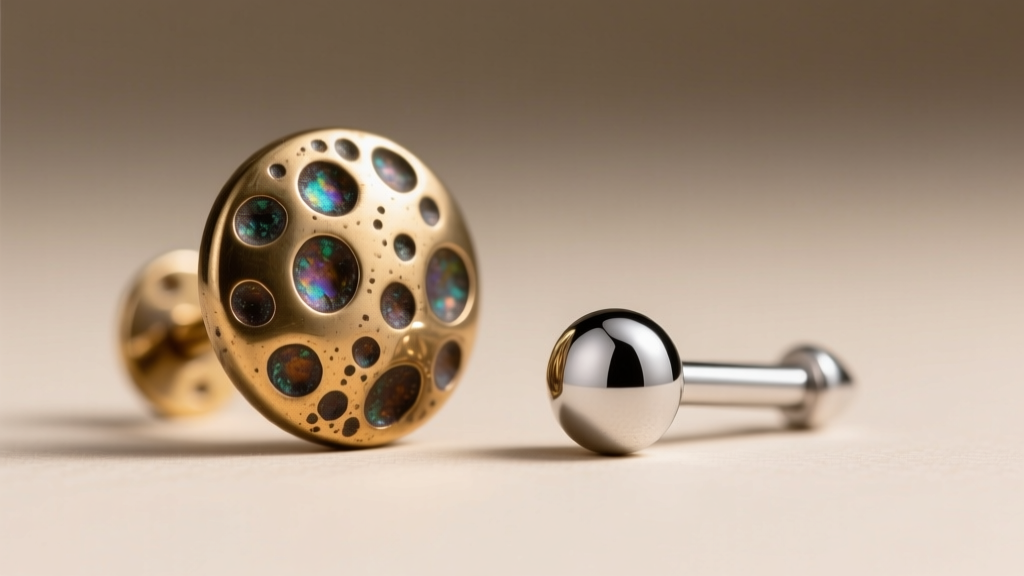
While biology creates the odor, the metal you wear dictates how badly it clings and amplifies. Many consumers mistakenly believe "surgical steel" is a universally safe, non-porous material. In reality, 316L stainless steel contains up to 14% nickel and is prone to micro-pitting at a microscopic level. These microscopic scratches and pits act as physical traps for sebum and bacteria, making it nearly impossible to fully sterilize the jewelry with standard wiping.
Furthermore, base metals like brass and copper undergo oxidation when exposed to the acidic pH of human sweat and sebum. This chemical reaction creates metallic salts that not only smell distinctly foul (often described as a "penny" or "blood" smell) but also cause green or black discoloration on the skin. To permanently resolve the issue of why your earring stinks, you must upgrade to highly polished, non-porous, and biologically inert metals.
| Metal Grade | Porosity & Pitting Risk | Odor Retention | Expert Verdict |
|---|---|---|---|
| ASTM F136 Titanium | Zero (Mirror Polish) | Extremely Low | The gold standard for sensitive piercings and odor prevention. |
| 14k/18k Solid Gold | Very Low | Low | Excellent, provided it is nickel-free and high-polish. |
| Niobium | Very Low | Low | Highly biocompatible, great for unhealed or reactive fistulas. |
| 316L Surgical Steel | Moderate (Micro-pitting) | Moderate to High | Traps debris over time; requires frequent ultrasonic cleaning. |
| Brass / Copper Alloys | High (Oxidation) | Extremely High | Avoid entirely. Causes metallic odors and skin reactions. |
Gauge Size, Threading, and the Debris Trap Factor
The physical dimensions and construction of your earrings play a massive role in debris accumulation. A standard 20-gauge (0.8mm) earring post has a very small surface area, but the tight clearance between the post and the fistula can act like a squeegee, packing sebum tightly against the metal. Conversely, larger gauges like 14-gauge (1.6mm) or 12-gauge (2.0mm) offer more surface area for bacteria to colonize if not cleaned regularly.
The Problem with External Threading
If you wear earrings with external threading (where the screw pattern is on the post itself), you are harboring a massive bacterial trap. The grooves of the threads scrape the inside of the fistula upon insertion, packing dead skin and sebum deep into the metal crevices. According to the Association of Professional Piercers (APP), internally threaded or threadless (press-fit) jewelry is vastly superior for hygiene. Threadless jewelry features a smooth, solid post that glides through the fistula without scraping, dramatically reducing the accumulation of odorous debris.
Expert Protocols: How to Eliminate Piercing Odor Permanently
Masking the smell with perfumes or harsh chemicals will only irritate the fistula, triggering an inflammatory response that causes the body to produce more sebum, thereby worsening the problem long-term. Instead, implement this clinical cleaning protocol:
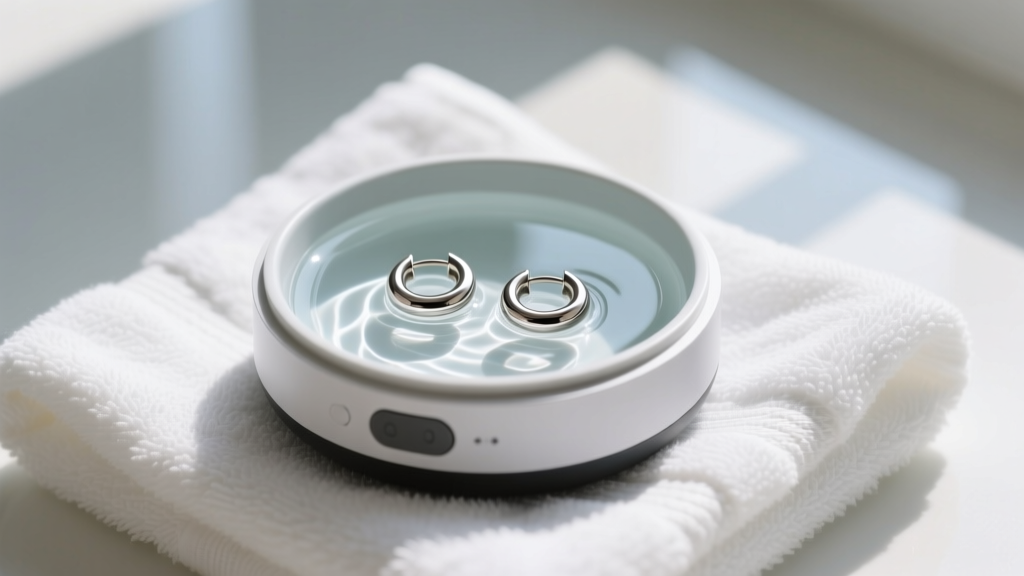
- Ultrasonic Cleaning: Use an ultrasonic jewelry cleaner filled with warm water and a drop of mild, fragrance-free dish soap. The cavitation bubbles will blast sebum out of microscopic metal pores and threading grooves. Run for 3 minutes, rinse with distilled water, and dry completely.
- Daily Fistula Care: During your shower, gently massage the piercing with a sterile 0.9% sodium chloride saline solution. Do not use bar soaps inside the piercing channel, as they leave a film that traps bacteria.
- Exfoliation (The "Soak" Method): Once a week, soak a cotton pad in warm saline and hold it against the front and back of the piercing for three minutes. This softens and dissolves hardened keratin plugs (often called "earring cheese") without the need to aggressively pick at the skin with cotton swabs, which can leave fibers behind.
- Avoid Rebound Sebum Triggers: Never clean your earrings or piercings with rubbing alcohol, hydrogen peroxide, or tea tree oil. As noted by the Mayo Clinic, these harsh astringents strip the skin's natural moisture barrier, leading to micro-tears, contact dermatitis, and a rebound overproduction of odorous sebum.
When to See a Professional: Infection vs. Normal Odor
It is vital to distinguish between standard biological odor and a localized infection. A stinky earring is usually just a buildup of sebum and keratin. However, if the odor is accompanied by pulsing pain, extreme heat radiating from the earlobe or cartilage, swelling that swallows the earring backing, or thick, yellow-green purulent discharge (pus), you may have developed a bacterial infection such as perichondritis (in cartilage) or a localized staph infection.
In these cases, do not remove the jewelry, as the fistula can close and trap the abscess inside the tissue. Consult a physician or a board-certified dermatologist immediately for a targeted topical or oral antibiotic treatment. For standard odor, upgrading to ASTM F136 implant-grade titanium threadless jewelry and adopting an ultrasonic cleaning routine will eliminate the stench permanently, keeping your piercings fresh, healthy, and odor-free.


