Expert Care for Your William Shakespeare Earring Collection
Discover expert cleaning and maintenance tips to preserve the intricate oxidized metals and cameos of your William Shakespeare earring.

The Unique Anatomy of a William Shakespeare Earring
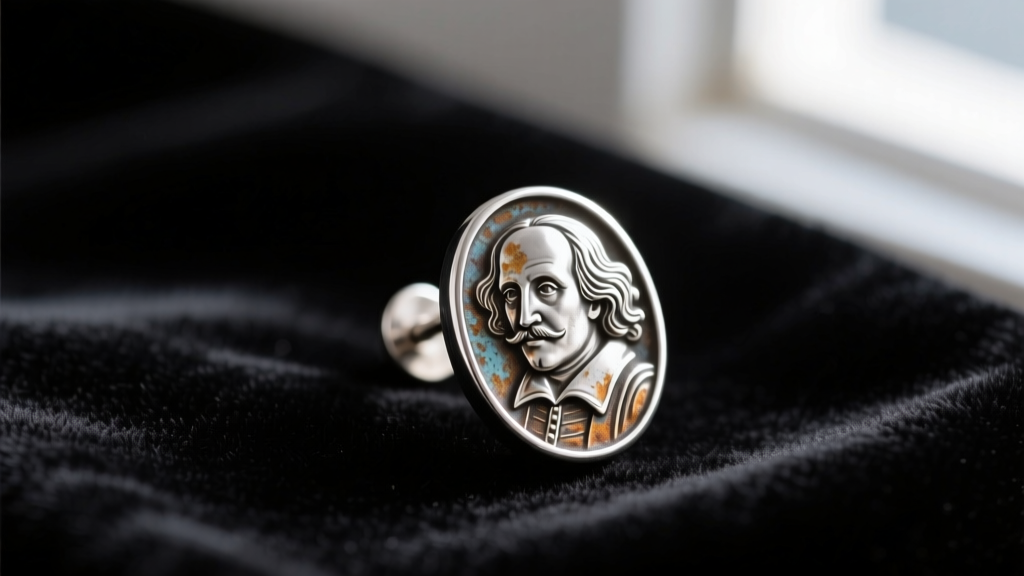
Literary jewelry occupies a special niche in the accessories market, and the William Shakespeare earring is a prime example of wearable art that demands specialized maintenance. Whether your piece features a detailed profile cameo of the Bard, a miniature quill charm, or a globe motif, these earrings are defined by their intricate topography. The elaborate Elizabethan ruff collars, the textured hairlines, and the recessed engraving on the quill feathers create dozens of micro-crevices. While these details make the design stunning, they also act as traps for sebum, dead skin cells, cosmetic powders, and environmental pollutants.
Unlike a smooth, high-polish gold hoop or a simple diamond stud, a novelty or historical portrait earring requires a nuanced approach to cleaning. Many collectors and literature enthusiasts unknowingly ruin their pieces by applying standard jewelry cleaning methods to mixed-material literary earrings. In 2026, with artisan-crafted Shakespeare earrings ranging from $45 for brass and cold-enamel versions to over $250 for .925 oxidized sterling silver with kiln-fired vitreous enamel, knowing how to properly care for your investment is essential. This guide provides a masterclass in preserving the patina, structural integrity, and visual depth of your literary earrings.
Material Identification: The First Step in Care
Before you mix any cleaning solutions, you must accurately identify the materials used in your specific William Shakespeare earring. The failure mode of your cleaning attempt depends entirely on this assessment.
Oxidized .925 Sterling Silver
High-end Shakespeare portrait earrings frequently utilize oxidized sterling silver. Jewelers intentionally expose .925 silver to liver of sulfur to create a dark, antiqued patina that settles into the recessed areas of the Bard’s facial features and ruff collar, providing contrast. The raised areas are then polished, leaving the dark crevices intact. If you use commercial silver dips or abrasive polishing cloths on these areas, you will strip the intentional oxidation, leaving the earring looking flat, washed out, and stripped of its three-dimensional depth.
Enamel: Cold vs. Vitreous
If your earring features colored elements, such as a heraldic crest or a stylized background, it likely uses enamel. Cold enamel is essentially a hardened resin; it is highly susceptible to melting or clouding when exposed to hot water or alcohol-based cleaners. Vitreous enamel, which is glass fused to metal at high temperatures, is much more durable but can crack under thermal shock or ultrasonic vibrations.
Resin and Glass Cameos
Many mid-range Shakespeare earrings feature a resin or glass cameo glued into a metal bezel. The primary failure mode here is not the cameo itself, but the adhesive. Prolonged soaking in liquid cleaners can dissolve the jeweler’s epoxy, causing the portrait to fall out and be lost down the drain.
The Step-by-Step Deep Cleaning Protocol
To safely clean your William Shakespeare earring without damaging the patina or loosening the bezel settings, follow this meticulous, conservation-grade routine recommended by jewelry specialists.
Step 1: The Dry Extraction
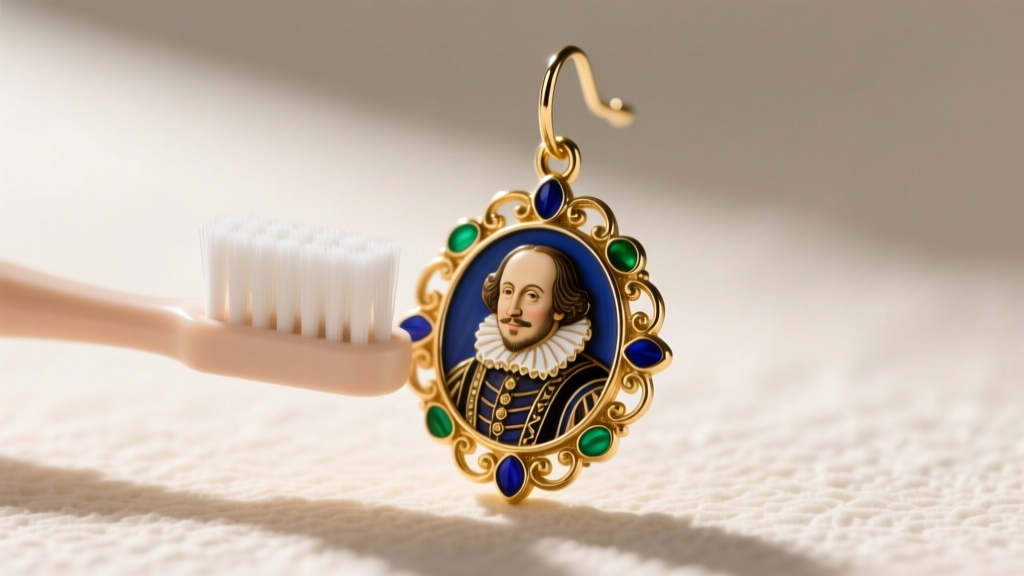
Never introduce moisture to an earring caked with heavy cosmetic buildup. Water will simply turn powders and dead skin into a stubborn paste. Use a clean, dry, soft-bristled baby toothbrush or a specialized jewelry detailing brush to gently sweep out the crevices of the ruff collar and the quill charms. Brush in a single direction to dislodge debris without pushing it deeper into the metalwork.
Step 2: The Surfactant Bath
Prepare a lukewarm bath using distilled water and a few drops of a mild, phosphate-free, and ammonia-free dish soap (such as original Dawn). Avoid hot water, which can warp resin cameos or weaken adhesive bonds. Submerge the earrings for no more than three to five minutes. This brief soak softens remaining sebum without compromising the structural integrity of glued components.
Step 3: Targeted Detailing
Remove the earrings from the bath. Using a fresh, damp baby toothbrush, gently agitate the intricate areas. For the deepest recesses of the Shakespeare profile where the brush cannot reach, use a wooden toothpick or a soft rosewood orangewood stick. Never use metal needles or safety pins, as they will scratch the silver or brass base and leave permanent, unsightly gouges.
Step 4: The Rinse and Dry
Rinse the earrings briefly under a gentle stream of lukewarm distilled water. Tap water contains chlorine and dissolved minerals that can leave water spots or react with base metals. Immediately pat the earrings dry with a lint-free microfiber cloth. To remove moisture trapped in the deepest crevices, use a hair dryer on the “cool” setting, holding it at least six inches away from the jewelry.
What to Avoid: Fatal Mistakes in Literary Jewelry Care
The most common way collectors destroy the value and aesthetics of their literary earrings is by relying on automated or chemical-heavy cleaning shortcuts. Below is a breakdown of what to avoid and the specific consequences of each mistake.
| Cleaning Method | Why It Is Dangerous | Specific Consequence to Shakespeare Earrings |
|---|---|---|
| Ultrasonic Cleaners | Uses high-frequency cavitation bubbles to blast dirt away. | Shatters glass cameos, shakes loose glued-in resin portraits, and can snap delicate 22-gauge ear wires. |
| Commercial Silver Dips | Contains harsh acids (like thiourea) that strip tarnish instantly. | Completely removes the intentional liver-of-sulfur antiquing, flattening the 3D effect of the Bard’s face. |
| Steam Cleaners | Applies high heat and pressure. | Melts cold enamel, warps resin, and causes thermal shock fractures in vitreous enamel or glass intaglios. |
| Baking Soda Pastes | Highly abrasive on the Mohs hardness scale. | Scratches high-polish areas of the silver and leaves a stubborn, white, chalky residue in the engraved ruff collar. |
For more in-depth guidelines on preserving antique and mixed-metal finishes, the Victoria and Albert Museum’s jewelry conservation guidelines offer excellent historical context on why modern chemical cleaners are detrimental to antiqued finishes. Additionally, the Gemological Institute of America (GIA) provides rigorous standards for cleaning organic and mixed-material jewelry safely.
Long-Term Storage and Preservation
Cleaning is only half the battle; how you store your William Shakespeare earring when it is not being worn dictates how often it will need deep cleaning in the first place. Sterling silver tarnishes when it reacts with hydrogen sulfide in the air, forming silver sulfide. Brass and copper alloys will oxidize and develop a greenish patina when exposed to humidity and the natural acids from your skin.
The Anti-Tarnish Environment
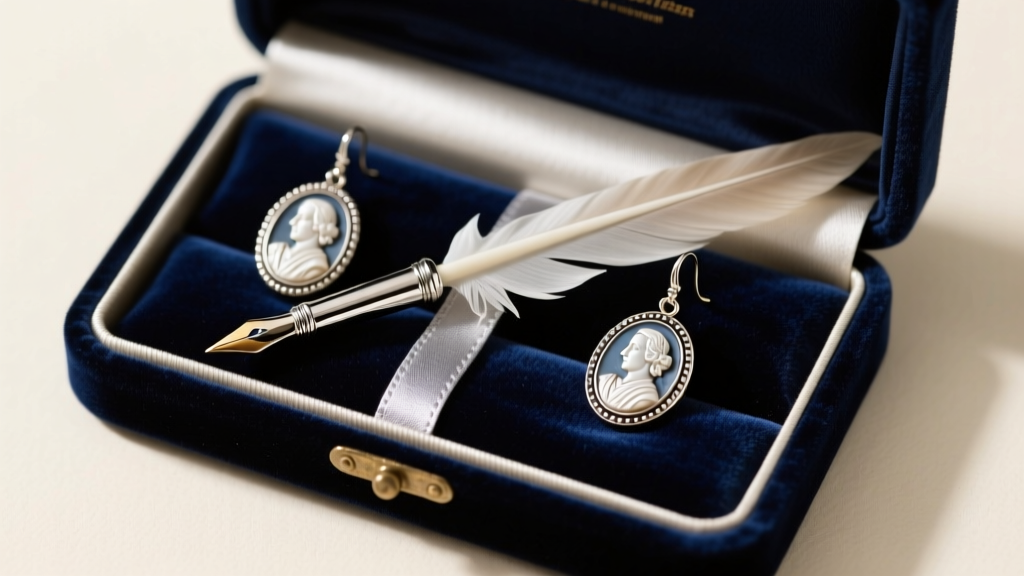
Never store your literary earrings in standard plastic ziplock bags, especially those made of PVC, which can emit gases that accelerate tarnishing and leave a sticky film on resin components. Instead, invest in Pacific Silvercloth or specialized anti-tarnish flannel bags. These fabrics are embedded with microscopic silver particles that intercept and absorb corrosive gases before they can reach your earrings.
Humidity and Mechanical Protection
Store your earrings in a climate-controlled environment, ideally with a relative humidity below 50%. Including a few silica gel desiccant packets in your jewelry drawer or box will drastically slow down the oxidation process. Furthermore, because novelty earrings often feature protruding elements like quill tips or delicate ear wires (often 20-gauge or 22-gauge to keep the heavy drop earrings comfortable on the lobe), they must be stored flat or hung individually. Tossing them into a communal jewelry box will inevitably result in bent ear wires or snapped charms.
Conclusion
A William Shakespeare earring is more than a simple accessory; it is a miniature sculptural tribute to literary history. By understanding the specific vulnerabilities of oxidized metals, delicate enamels, and glued cameos, you can ensure your piece remains as vibrant and detailed as the day you acquired it. Ditch the ultrasonic machines and harsh chemical dips. Embrace the gentle, methodical approach of dry brushing, mild surfactants, and archival-quality storage. With these expert care protocols, your literary jewelry will continue to spark conversations and showcase your refined taste for decades to come.
For further reading on maintaining specific metal alloys, the Silver Institute offers comprehensive resources on the chemistry of silver tarnish and the best practices for long-term preservation of .925 sterling pieces.


