The Ultimate Wire Earrings Buying Guide: Styles & Fit
Master the art of buying wire earrings. Our expert guide covers wire gauges, hypoallergenic metals, secure closures, and pricing tiers.

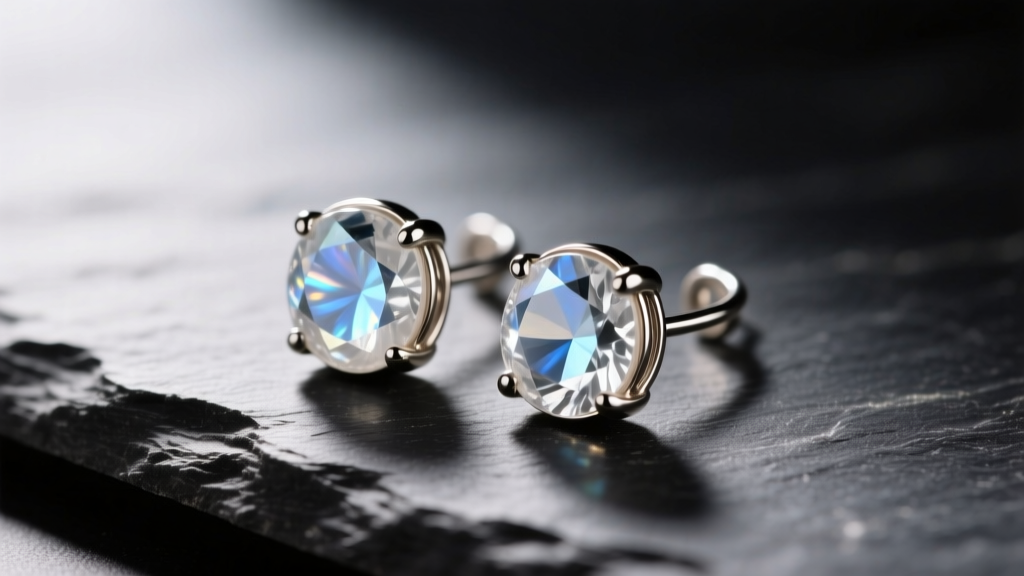
The Anatomy of Wire Earrings: Beyond the Basic Hook
When shopping for wire earrings, most consumers focus solely on the decorative drop, entirely ignoring the structural engineering of the wire itself. Whether you are looking at classic French wires (often called fishhooks), sturdy ear wires, or intricate wire-wrapped designs, the wire component dictates the comfort, security, and longevity of the piece. As of 2026, the jewelry market has seen a massive shift toward ergonomic, hypoallergenic designs, yet many mass-market brands still cut corners on wire thickness and metal purity.
A standard wire earring consists of three critical zones: the insertion curve (the part that passes through the fistula), the retention loop (the bend or clasp that prevents the earring from falling out), and the attachment point (where the wire connects to the decorative element). Failure in any of these zones results in lost jewelry or irritated piercings. This guide breaks down the exact specifications you need to look for to make an informed purchase.
Decoding Wire Gauge: Thickness Matters
The "gauge" of a wire refers to its thickness. In the American Wire Gauge (AWG) system, a higher number means a thinner wire. Wearing a wire that is too thin for your piercing can cause the "cheese-cutter effect," where the wire slowly migrates through the tissue, while a wire that is too thick can cause micro-tears in the fistula.
| Gauge Size | Millimeter (mm) | Best Application | Piercing Location |
|---|---|---|---|
| 22G | 0.64mm | Ultra-lightweight dangles, delicate chains | Standard healed earlobes |
| 20G | 0.81mm | The universal standard; balances strength & comfort | Healed lobes, upper lobe, helix |
| 18G | 1.02mm | Heavy drops, structural wire-wrapping | Lobes, cartilage, conch |
| 16G | 1.29mm | Thick hoops, heavy statement pieces | Daith, rook, thick cartilage |
Expert Tip: If you are buying wire earrings for a newly healed piercing, never go thinner than 20G. The 20-gauge (0.81mm) size is the industry sweet spot, offering enough structural integrity to resist bending while remaining comfortable for 90% of the population.
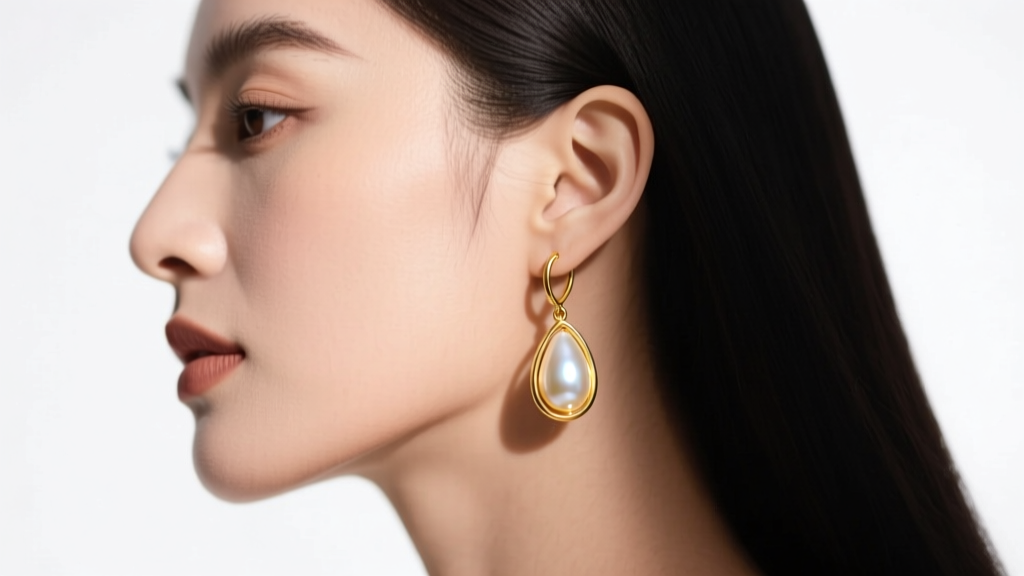
Metallurgy & Hypoallergenic Standards
The metal used for the wire is arguably the most critical factor in your buying decision, especially if you suffer from contact dermatitis. The term "hypoallergenic" is largely unregulated in the jewelry industry, so you must look for specific metallurgical grades.
The Gold Standard: Implant-Grade Titanium & Niobium
For sensitive ears, ASTM F136 Implant-Grade Titanium is the undisputed champion. It contains zero nickel and is highly biocompatible. Similarly, Niobium is a completely unreactive elemental metal that is excellent for sensitive piercings and can be anodized into vibrant colors without using toxic dyes. The Association of Professional Piercers (APP) strictly recommends these materials for any compromised or sensitive tissue.
Precious Metals: Gold Purity
When buying solid gold wire earrings, look for 14k or 18k gold. According to the Gemological Institute of America (GIA), 24k gold is too soft for functional wire; it will bend and warp under the weight of a drop earring. 14k and 18k gold are alloyed with metals like copper or silver to increase tensile strength. However, ensure the brand certifies their gold is nickel-free, as some white gold alloys use nickel as a bleaching agent.
The "Surgical Steel" Trap
Avoid earrings labeled simply as "surgical steel" or "stainless steel" (often ASTM F138). While perfectly fine for scalpels, these alloys contain between 8% and 14% nickel. Over time, the salts in your skin can break down the passive oxide layer on the steel, releasing nickel ions directly into your piercing tract and triggering severe allergic reactions.
Security & Closure Systems
French wire earrings are notorious for falling out, especially when removing winter clothing or brushing hair. When evaluating a purchase, consider the closure mechanism:
- Silicone O-Rings / Bullet Backs: The most secure and hygienic option for standard French wires. They grip the wire tightly and do not trap dead skin cells like metal friction backs.
- Leverback Closures: A hinged wire that snaps shut. Ideal for heavy drop earrings as the weight of the drop keeps the clasp oriented correctly. Look for leverbacks with a slight tension spring to prevent accidental opening.
- Continuous / Endless Hoops: The wire threads into a hollow tube. While sleek, these are prone to bending if the wire is thinner than 20G, which misaligns the tension closure.
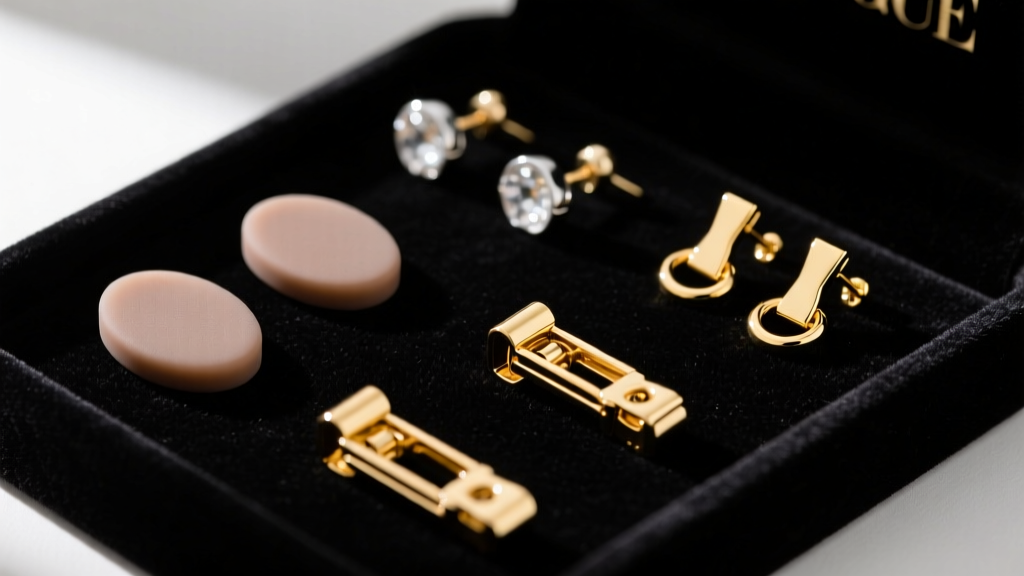
Troubleshooting Common Wire Failures
Even expensive wire earrings can fail if the manufacturing techniques are flawed. Here is what to inspect before finalizing your purchase:
The Work-Hardening Problem: Sterling silver (925) is prone to "work hardening." If the jeweler bends the wire too many times during fabrication without annealing (heating) it, the metal becomes brittle. If you notice a sharp, rigid 90-degree bend at the base of the hook rather than a smooth, sweeping curve, the wire is at high risk of snapping.
Additionally, inspect the attachment loop. If the loop is simply cut and left with a tiny gap, it will catch on your hair and sweaters. High-quality wire earrings feature either a seamlessly soldered loop or a tightly flush-cut wire that has been filed perfectly smooth.
Pricing Tiers: What Should You Pay?
Understanding the market tiers will help you identify overpriced fashion jewelry and underpriced red flags.
- Budget ($15 - $40): Typically gold-plated brass or sterling silver with 22G wires. Expect the plating to wear off the wire within 6 months due to friction against the piercing. Good for occasional wear.
- Mid-Tier ($50 - $150): Solid 14k gold-filled, heavy gold vermeil, or basic implant-grade titanium with semi-precious stones. Wires are usually a sturdy 20G. Brands like Mejuri or Quince operate in this space, offering reliable daily-wear options.
- Fine Jewelry ($180 - $500+): Solid 14k/18k gold or platinum wire, often hand-forged with diamond or sapphire accents. Brands like Maria Tash or Anatometal charge a premium for precision-machined 18G or 16G wires designed specifically for cartilage and high-stress piercings.
By prioritizing the correct gauge, verifying the metallurgical grade, and demanding secure closures, you can curate a collection of wire earrings that are as comfortable as they are beautiful. Always demand transparency from jewelers regarding their metal alloys—a reputable brand will gladly provide their ASTM certifications or gold karat guarantees.


