The Woman With Pearl Earring Guide: Cleaning & Care Secrets
Discover expert cleaning and care secrets to keep your pearls luminous. Learn how to maintain nacre integrity and avoid common jewelry mistakes.

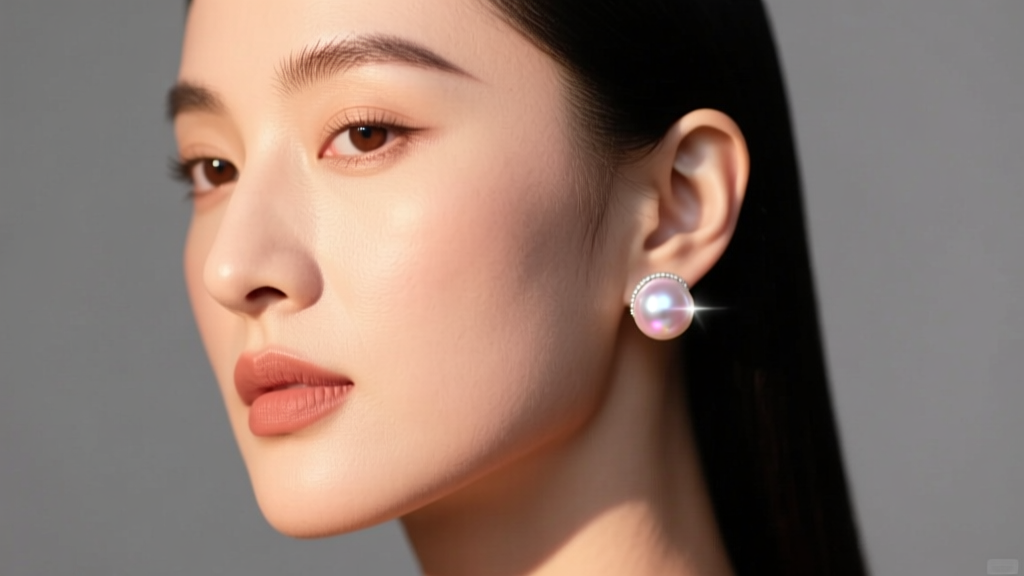
The Legacy of the Pearl: Why Nacre Demands Special Care
The enduring fascination with the classic woman with pearl earring aesthetic is rooted in the gemstone's unmatched, soft-focus luminosity. Unlike faceted diamonds or sapphires that rely on light refraction, pearls emit a deep, inner glow known as orient and overtone. However, achieving and maintaining this iconic look requires a rigorous understanding of organic gemology. Pearls are not mined from the earth; they are biologically engineered by mollusks, making them inherently vulnerable to environmental and chemical degradation. As we navigate jewelry care standards in 2026, preserving the nacre of heirloom and contemporary pearl earrings remains a top priority for gemologists and collectors alike.
To properly care for pearl earrings, one must first understand their microscopic anatomy. Nacre is composed of microscopic hexagonal platelets of aragonite (a crystalline form of calcium carbonate) bound together by conchiolin, an organic protein. According to the Gemological Institute of America (GIA), this unique composite structure gives pearls their iridescence but also restricts them to a mere 2.5 to 3.0 on the Mohs scale of hardness. For context, ordinary household dust contains microscopic quartz particles (Mohs 7.0), which means simply wiping a pearl with a dry, abrasive cloth can cause permanent micro-scratches that dull the luster over time.
The Chemistry of Pearl Degradation
The most critical factor in pearl maintenance is pH sensitivity. Calcium carbonate is highly reactive to acids. Human sweat typically has a pH ranging from 4.5 to 5.5, which is acidic enough to slowly dissolve the aragonite platelets on the surface of a pearl. When a woman wears pearl earrings during intense physical activity or in high-humidity environments, the prolonged exposure to acidic perspiration etches the nacre, leading to a chalky, matte appearance that cannot be polished away.
Furthermore, everyday cosmetics are laden with chemicals that attack the conchiolin protein. Hairsprays, perfumes, and dry shampoos often contain alcohols and volatile organic compounds (VOCs) that dehydrate the organic matrix of the pearl. When conchiolin dries out, it yellows and becomes brittle, eventually causing the nacre layers to delaminate or flake off entirely. The golden rule of pearl styling is strictly 'Last On, First Off'—earrings should be the final accessory applied after all cosmetics have dried, and the first item removed upon returning home.
The 2026 Protocol: Step-by-Step Cleaning
Forget generic jewelry dips and commercial polishing cloths. Cleaning pearl earrings requires a gentle, highly specific protocol that respects both the nacre and the delicate adhesives used in earring construction. Follow this gemologist-approved method after every few wears:
- Prepare a Neutral Solution: Mix a single drop of pH-neutral liquid castile soap into a bowl of distilled water. Never use tap water, as municipal water supplies contain chlorine and fluoride, both of which can cause microscopic pitting on the pearl's surface over time.
- Dampen, Do Not Soak: Dip a high-density, lint-free microfiber cloth into the solution and wring it out until it is barely damp. Submerging pearl earrings in water is a fatal error; water can seep into the drill hole and degrade the jeweler's epoxy securing the pearl to the metal post.
- Gently Wipe the Nacre: Cradle the pearl in the palm of your hand to avoid putting stress on the earring post. Gently wipe the surface of the pearl using circular motions. Pay special attention to the back of the pearl, where it rests against the earlobe and accumulates skin oils.
- Air Dry Flat: Lay the earrings flat on a clean, dry cotton towel in a well-ventilated area away from direct sunlight or heat sources. Ensure the drill holes are completely dry before storing.
Hardware Integrity: Posts, Cups, and Epoxy
While much attention is paid to the pearl itself, the metal hardware and adhesives are equally critical to the earring's longevity. Most pearl drop and stud earrings feature a metal 'cup' that cradles the base of the pearl, secured by a two-part jeweler's epoxy resin. Solvents, including rubbing alcohol, acetone (nail polish remover), and even harsh soaps, will dissolve this epoxy bond. If the pearl becomes loose in its cup, it risks falling out and suffering catastrophic chipping upon impact with a hard floor.
For the earring posts and friction backs (clutches), regular maintenance is required. Skin oils and dead skin cells accumulate in the crevices of the clutch, creating a breeding ground for bacteria that can cause earlobe infections. Once a month, remove the clutches and soak them in a mild solution of warm water and dish soap, scrubbing gently with a soft-bristled baby toothbrush. Dry them thoroughly before reattaching. If your pearl earrings feature screw-backs for added security, apply a microscopic drop of sewing machine oil to the threads annually to prevent cross-threading and metal fatigue.
Storage Environments: A Comparative Analysis
How you store your pearl earrings when they are not adorning a woman with pearl earring elegance is just as important as how you clean them. Pearls require a specific ambient humidity level—ideally around 4% to 5% moisture content within the nacre. If stored in an overly dry environment, they will crack; if stored in an airtight plastic environment, they will suffocate and yellow.
| Storage Method | Impact on Nacre & Hardware | Expert Verdict |
|---|---|---|
| Airtight Plastic Ziploc Bag | Traps off-gassing chemicals; dehydrates nacre causing severe cracking and yellowing. | Avoid Completely |
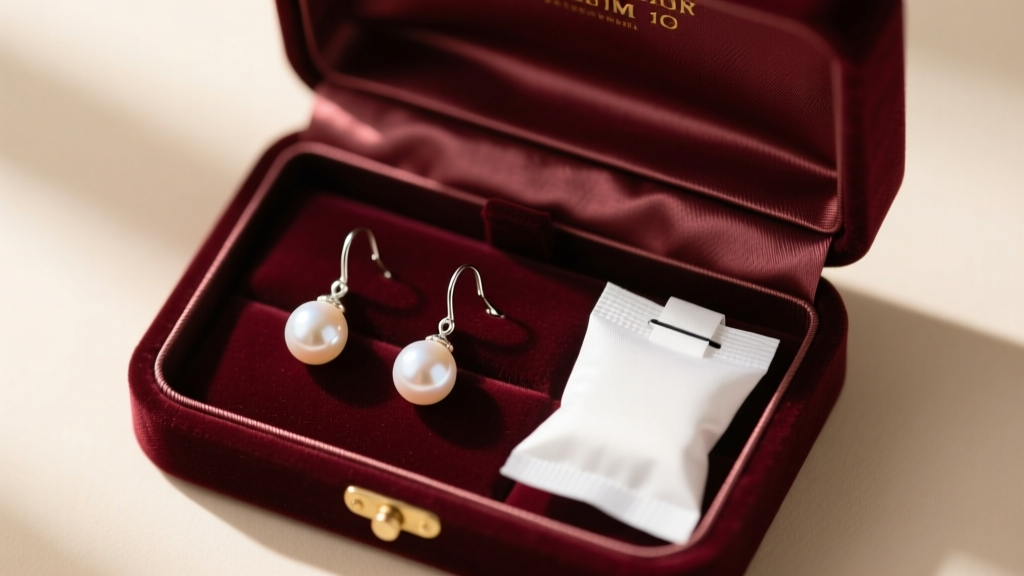
| Standard Velvet Jewelry Box | Velvet can trap dust and quartz particles; glue in cheap boxes may emit harmful VOCs. | Use with Caution |
| Unbleached Silk or Cotton Pouch | Allows the pearl to 'breathe' while protecting it from abrasive scratches and dust. | Highly Recommended |
| Climate-Controlled Safe with Water Vial | Maintains optimal humidity; prevents conchiolin dehydration in dry safes. | Best for Heirlooms |
The American Gem Society (AGS) strongly advises against storing pearls in safety deposit boxes for extended periods without a humidity source, as the ultra-dry, climate-controlled air of bank vaults will rapidly dehydrate organic gemstones.
Fatal Mistakes and Gemological Myths
In the pursuit of pristine jewelry, many owners inadvertently destroy their pearls by applying cleaning methods meant for harder, inorganic stones. Let us dismantle the most dangerous myths in pearl care:
- The Ultrasonic Myth: Ultrasonic cleaners operate at high frequencies (typically 40kHz), creating microscopic cavitation bubbles that implode with immense force. While this blasts dirt out of diamond settings, it causes microscopic spalling and fracturing on the delicate aragonite layers of a pearl. Never put pearls in an ultrasonic machine.
- The Steam Cleaning Myth: Steam cleaners use pressurized, high-heat vapor. The sudden thermal shock can cause the nacre to crack, and the intense heat will instantly melt or weaken the epoxy adhesive holding the pearl to its post.
- The Toothbrush Myth: Even a 'soft' bristle toothbrush is far too abrasive for a Mohs 2.5 surface. Furthermore, toothpaste often contains microscopic silica abrasives that will permanently scour the pearl's orient.
"A pearl is a living record of the ocean. Treat it with the same gentleness you would afford a rare, centuries-old textile. When in doubt, a simple wipe with a damp, soft cloth is the only cleaning agent you will ever need." — Master Gemologist Appraiser
Preserving the Luster for Generations
Capturing the timeless, luminous beauty of a woman with pearl earring requires a shift in perspective. You are not merely maintaining a piece of jewelry; you are curating an organic artifact. By respecting the chemical vulnerabilities of nacre, avoiding harsh modern solvents, and utilizing proper humidity-controlled storage, your pearl earrings will retain their breathtaking overtone and structural integrity for generations to come.


