Yellow Diamond Earring Buying Guide: What to Look For
Discover everything you need to know before buying a yellow diamond earring. Learn about color grades, settings, pricing, and lab-grown options.

The Allure of the Yellow Diamond Earring
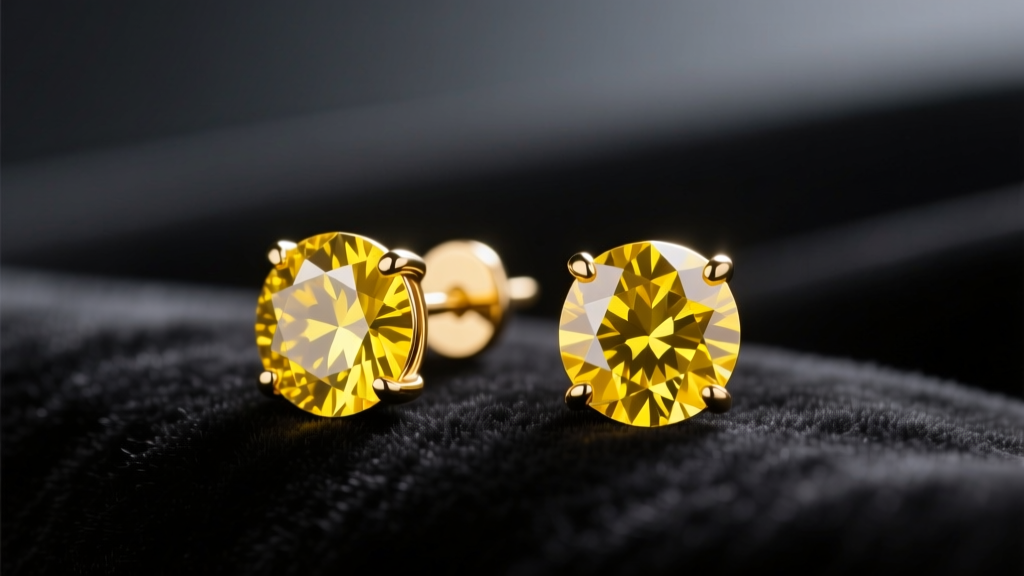
When it comes to luxury jewelry, few pieces command attention quite like a yellow diamond earring. Unlike traditional white diamonds, which are valued for their lack of color, fancy yellow diamonds are celebrated for their vibrant, sun-kissed hues. Whether you are shopping for a subtle pair of studs for everyday wear or a dramatic set of drop earrings for a gala, understanding the nuances of fancy color diamonds is critical. The market for colored diamonds has evolved significantly, with new lab-grown technologies and shifting consumer preferences redefining value in 2026. This comprehensive buying guide will walk you through the essential factors you must consider, from color grading and metal pairings to pricing structures and certification requirements, ensuring your investment is both beautiful and financially sound.
The Science Behind the Color
Before diving into purchasing strategies, it is vital to understand what gives these gems their signature color. Natural yellow diamonds owe their hue to the presence of nitrogen atoms within their carbon crystal lattice. As light passes through the diamond, these nitrogen clusters absorb blue light, allowing the stone to reflect a warm yellow spectrum. The concentration and arrangement of these nitrogen atoms dictate the intensity of the color. According to the Gemological Institute of America (GIA), it takes approximately one nitrogen atom for every 10,000 carbon atoms to produce a noticeable yellow tint. This geological rarity is why natural fancy yellow diamonds are highly prized by collectors and jewelry enthusiasts alike.
Decoding the GIA Color Grading Scale
The most critical factor in determining the value of a yellow diamond earring is its color grade. The GIA uses a specific scale for fancy color diamonds that differs vastly from the D-to-Z scale used for colorless stones. Understanding this hierarchy is your first line of defense against overpaying.
- Fancy Light Yellow: The entry point for true 'fancy' colors. These stones have a soft, pastel yellow hue. They are more affordable but require strategic setting choices to maximize their color impact.
- Fancy Yellow: A balanced, distinct yellow that is clearly visible to the naked eye. This is the most popular choice for buyers seeking a classic yellow diamond look without the steep premium of higher intensities.
- Fancy Intense Yellow: A deeply saturated, vibrant yellow. Stones in this category offer a striking visual impact and represent a sweet spot for investors balancing color saturation with budget.
- Fancy Vivid Yellow: The pinnacle of yellow diamond color. These stones possess a pure, electric, and highly saturated yellow hue with no secondary masking tones. They are exceptionally rare and command top-tier market prices.
- Fancy Deep / Fancy Dark: These stones have a heavy, brownish, or olive secondary tone that darkens the overall appearance, often reducing the stone's brilliance and market desirability compared to vivid counterparts.
It is also crucial to watch for secondary hues. A diamond graded as 'Orangy Yellow' or 'Greenish Yellow' will be priced differently than a pure yellow stone. While some secondary hues like orange can add warmth and fire, brown modifiers generally decrease the stone's value.
Choosing the Right Metal and Setting
The metal you choose for your yellow diamond earring will drastically alter how the stone's color is perceived. Because diamonds are highly reflective, they act like mirrors, bouncing the color of their setting back into the viewer's eye.
The Yellow Gold Amplification Effect
Setting a yellow diamond in 18k yellow gold is the most traditional and effective way to enhance its color. The rich gold of the basket and prongs reflects into the pavilion of the diamond, making even a 'Fancy Light' stone face up with the intensity of a 'Fancy' or 'Fancy Intense' gem. This is a favorite trick among jewelers to maximize visual impact while keeping costs manageable.
White Gold and Platinum Contrast
If you prefer the sleek, modern look of white gold or platinum, you must be cautious. White metals provide high contrast, which makes the yellow color pop, but they do not amplify it. If you place a lower-grade yellow diamond in a white metal setting, the stone may look washed out or pale. When opting for white metals, you generally need to purchase a higher color grade (Fancy Intense or Fancy Vivid) to ensure the stone retains its vibrant appearance.
The Halo Strategy
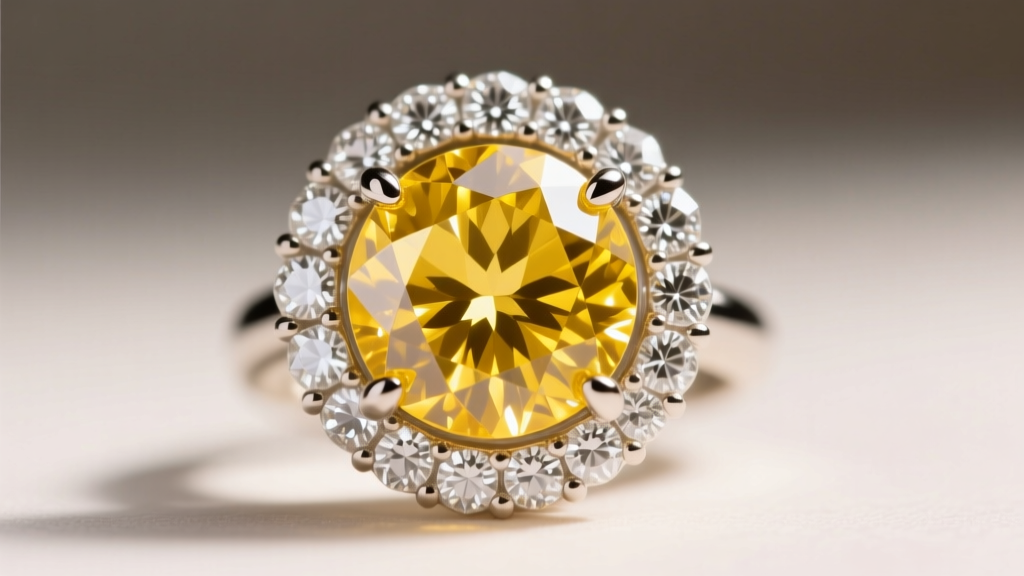
For drop earrings or dangles, a halo setting is an excellent choice. Surrounding the central yellow diamond with a halo of micro-pave white diamonds creates a brilliant frame that isolates and emphasizes the yellow center. Alternatively, some high-end jewelers use a hidden yellow gold halo beneath the stone, or surround the center stone with smaller yellow diamond melee, creating a unified, saturated look.
Pricing Expectations and Carat Weight
Pricing for fancy color diamonds is non-linear. A stone that is twice the carat weight of another will cost exponentially more, especially as you move up the color intensity scale. Below is a general pricing framework for natural yellow diamond stud earrings (priced per pair, total carat weight) in the current market.
| Total Carat Weight (Pair) | Color Grade | Estimated Price Range (Natural) | Visual Impact |
|---|---|---|---|
| 0.50 CTW (0.25ct each) | Fancy Light | $1,800 - $3,000 | Subtle, pastel warmth |
| 1.00 CTW (0.50ct each) | Fancy Yellow | $6,500 - $11,000 | Clear, distinct yellow |
| 1.50 CTW (0.75ct each) | Fancy Intense | $14,000 - $22,000 | Vibrant, highly saturated |
| 2.00 CTW (1.00ct each) | Fancy Vivid | $35,000 - $60,000+ | Electric, pure, rare |
Keep in mind that clarity and cut also play supporting roles. While color is king in the fancy diamond world, a stone with heavy black carbon inclusions (I1 or I2 clarity) will obstruct light return, dulling the yellow hue. Aim for VS or SI1 clarity grades where inclusions are not visible to the naked eye.
Natural vs. Lab-Grown Yellow Diamonds
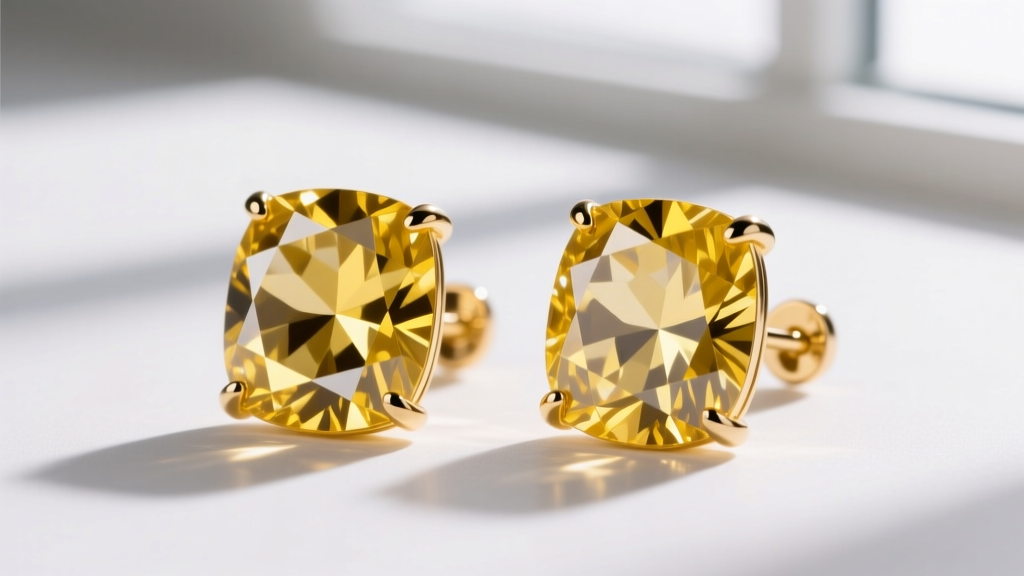
The jewelry landscape in 2026 has been permanently altered by the perfection of lab-grown diamonds. If your heart is set on a massive, hyper-vibrant yellow diamond earring but your budget is limited, lab-grown options offer a compelling alternative. Lab-grown yellow diamonds are created using Chemical Vapor Deposition (CVD) or High Pressure High Temperature (HPHT) methods. In fact, the HPHT process is uniquely suited for creating yellow diamonds, as nitrogen can be precisely introduced during the crystal's growth phase.
A lab-grown Fancy Vivid yellow diamond is optically, chemically, and physically identical to its natural counterpart. However, the price difference is staggering. A 2.00 CTW pair of lab-grown Fancy Vivid studs might cost between $2,500 and $4,500, compared to the $35,000+ you would pay for natural stones. For buyers prioritizing sheer size and color saturation over geological rarity and resale value, lab-grown yellow diamonds are an exceptional choice.
Certification: Your Non-Negotiable Safeguard
Never purchase a fancy color diamond without a reputable grading report. The human eye is easily fooled by lighting, background colors, and metal reflections. A certificate from a top-tier laboratory provides an objective analysis of the stone's color origin (natural or treated), color grade, and clarity. The GIA remains the undisputed gold standard for natural fancy color diamonds. Their reports will explicitly state whether the color is natural or the result of artificial irradiation and heating treatments. For lab-grown yellow diamonds, reports from the IGI (International Gemological Institute) or GCAL (Gem Certification & Assurance Lab) are highly respected and provide detailed light performance and color grading metrics.
Final Buying Checklist
Before you finalize your purchase, run through this quick checklist to ensure you are getting the best possible yellow diamond earring for your investment:
- Verify the Certificate: Ensure the GIA or IGI report number matches the laser inscription on the diamond's girdle.
- Assess the Setting: Confirm the metal color (yellow gold vs. white gold) aligns with the stone's color grade to maximize visual saturation.
- Check the Prongs: Yellow diamonds can sometimes show stress fractures if pronged too tightly at the girdle; ensure the setting is secure but not overly tense.
- Review Return Policies: Fancy color diamonds look different in various lighting environments. Always buy from a jeweler who offers a no-questions-asked return policy so you can evaluate the earrings in natural daylight.
By prioritizing color intensity, strategic metal pairings, and rigorous certification, you can confidently select a yellow diamond earring that radiates warmth, luxury, and timeless elegance.


