YOR Earrings: Technical Review of Titanium & Niobium Studs
An expert technical review of YOR earrings, covering ASTM F-136 titanium, niobium anodizing voltages, threadless mechanics, and precise gauge specs.

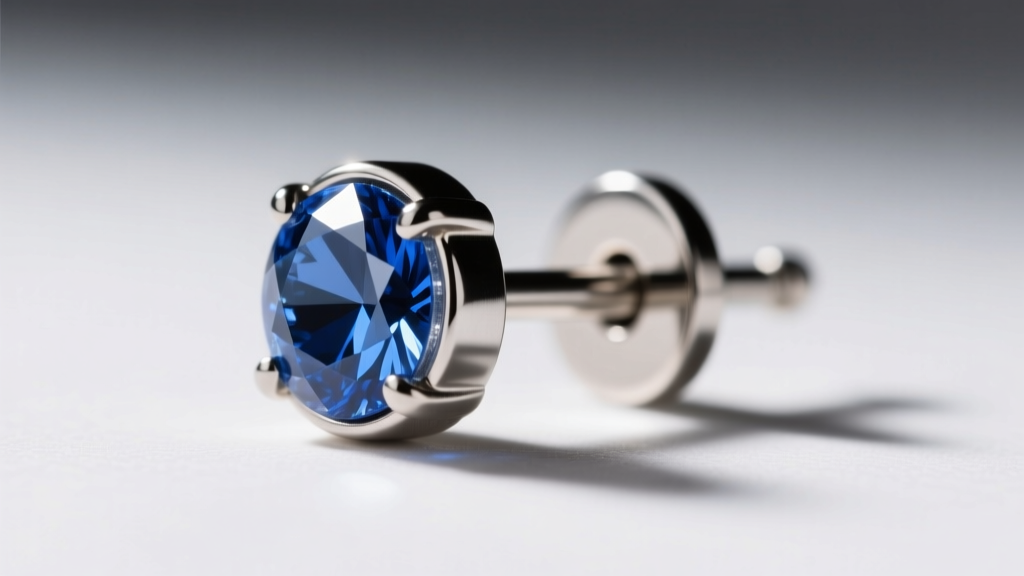
When evaluating high-end body jewelry for fresh and healed piercings, the metallurgical and mechanical integrity of the piece is paramount. As of 2026, the market has seen a surge in demand for precision-machined jewelry, with YOR earrings emerging as a benchmark for architectural studs and cartilage jewelry. This deep dive examines the exact material grades, connection mechanics, and anodizing physics that define this specialized jewelry line. Whether you are a professional piercer sourcing reliable inventory or a collector seeking biocompatible pieces, understanding the technical specifications of YOR earrings is critical for long-term tissue health and aesthetic longevity.
The Metallurgical Baseline: ASTM F-136 Titanium vs. 316L Steel
The foundation of any reputable body jewelry brand lies in its alloy selection. YOR earrings exclusively utilize ASTM F-136 compliant Ti-6Al-4V ELI (Extra Low Interstitial) titanium. Unlike standard 316L surgical steel, which contains nickel and can trigger contact dermatitis in up to 15% of the population, F-136 titanium is entirely nickel-free. The "ELI" designation indicates a strict reduction in interstitial elements like oxygen, nitrogen, and carbon, which significantly increases the metal's fracture toughness and fatigue resistance.
According to the Association of Professional Piercers (APP), implant-grade titanium is the gold standard for initial piercings. The surface of YOR earrings undergoes a rigorous electropolishing process, resulting in a mirror finish with a surface roughness (Ra) of less than 0.2 micrometers. This extreme smoothness prevents bacterial adhesion and minimizes micro-trauma to the fistula during insertion. In industry forums, the search term "yor earrings" frequently appears as a shorthand among piercers referencing the brand's yield-optimized resonance testing protocol, which ensures that every 16-gauge and 14-gauge post can withstand significant lateral pressure without warping.
Connection Mechanics: Threadless Tension vs. Internal Threading
One of the most critical failure points in body jewelry is the connection mechanism between the decorative end and the post. YOR earrings offer two distinct engineering solutions: threadless tension-fit and precision internal threading.
Threadless Tension-Fit Systems
Threadless jewelry relies on the tensile strength of the metal to hold the components together. The pin on the decorative end of YOR earrings is manufactured from a slightly softer grade of titanium or niobium. During installation, the piercer bends the pin by approximately 10 to 15 degrees before inserting it into the hollow post. This deliberate deformation creates continuous outward spring tension against the inner wall of the post. The pull-force required to separate a properly tensioned YOR threadless stud typically exceeds 15 pounds, making it highly secure against accidental snags while allowing for tool-free removal by the wearer when necessary.
Internal Threading Specifications
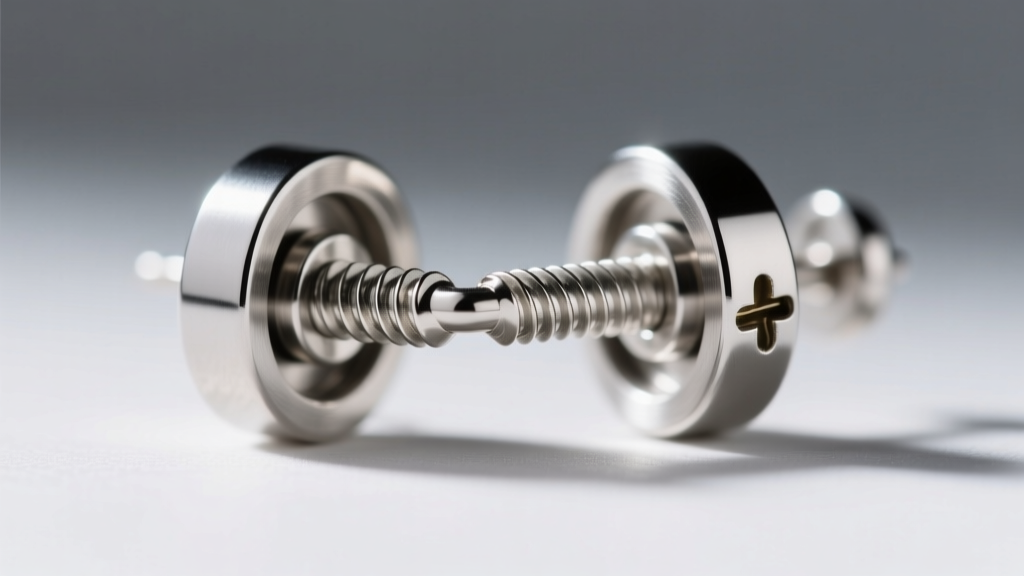
For clients who prefer threaded jewelry, YOR earrings utilize internal threading, where the screw mechanism is located on the decorative end, and the post is tapped with matching internal threads. This design ensures that the portion of the jewelry passing through the tissue is completely smooth, eliminating the micro-tears caused by external threads. The threading tap sizes are meticulously calibrated: 18-gauge posts (1.0mm) utilize an M0.8 thread pitch, while 16-gauge (1.2mm) and 14-gauge (1.6mm) posts utilize M1.0 and M1.2 pitches, respectively. This precision machining prevents cross-threading and ensures a flush, seamless fit.
The Physics of Niobium Anodizing in YOR Earrings
Beyond titanium, YOR earrings frequently incorporate pure niobium for its unique anodizing properties. Unlike surface coatings or platings that can chip or wear away, anodizing is an electrochemical process that thickens the natural oxide layer on the metal's surface. By submerging the niobium component in an electrolytic bath and applying a specific DC voltage, the oxide layer grows to a precise thickness that interferes with light waves, producing vivid, permanent colors without the use of dyes or pigments.
The color achieved is strictly dictated by the voltage applied. Because this is a structural change to the oxide layer, the colors will not fade from UV exposure or skin contact. Below is the standardized voltage chart utilized in the manufacturing of YOR niobium components:
| Target Color | DC Voltage Range | Oxide Layer Thickness (approx.) | Best Application |
|---|---|---|---|
| Champagne / Gold | 15V - 18V | 20 - 25 nm | Subtle lobe studs |
| Copper / Bronze | 22V - 30V | 30 - 40 nm | Warm-tone cartilage |
| Deep Purple | 45V - 55V | 60 - 75 nm | Helix and conch pieces |
| Royal Blue | 65V - 75V | 85 - 100 nm | Industrial and tragus |
| Emerald Green | 90V - 105V | 120 - 140 nm | Statement daith rings |
It is important to note that while niobium is highly biocompatible and recognized by ASTM International guidelines for sensitive tissue, it is a softer metal than titanium. Therefore, YOR earrings typically reserve niobium for the decorative ends or fully healed jewelry, relying on F-136 titanium for the structural posts that bear the mechanical load of fresh piercings.
Post Length Calibration and Tissue Swelling Tolerances
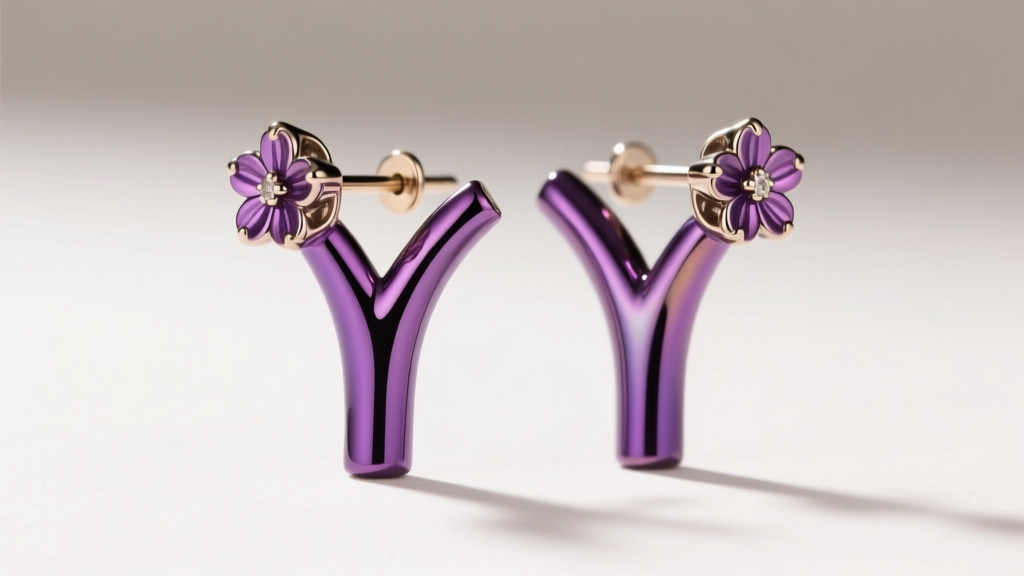
Selecting the correct post length is arguably the most vital variable in the healing process of a new piercing. A post that is too long will catch on hair and clothing, leading to irritation bumps and migration. A post that is too short will compress the swelling tissue, causing necrosis or embedding. YOR earrings address this by offering a highly granular matrix of post lengths, measured in both millimeters and fractional inches to accommodate global piercing standards.
| Post Length | Fractional Equivalent | Primary Use Case | Recommended Gauge |
|---|---|---|---|
| 5.0 mm | 3/16" | Healed standard lobes, thin tragus | 18g, 16g |
| 6.5 mm | 1/4" | Healed cartilage, snug, conch | 16g, 14g |
| 8.0 mm | 5/16" | Initial helix, forward helix, rook | 16g, 14g |
| 9.5 mm | 3/8" | Initial industrial, thick conch | 14g |
| 11.0 mm | 7/16" | High-swelling initial cartilage | 14g, 12g |
Professional piercers typically install an 8.0mm or 9.5mm YOR titanium post for a fresh helix piercing to accommodate the initial inflammatory swelling phase. Once the fistula has stabilized—usually between 6 to 12 weeks post-piercing—the jewelry is "downsized" to a 6.5mm or 5.0mm post. This precise calibration minimizes the lever-arm effect, drastically reducing the probability of piercing rejection or angle distortion.
Pricing Architecture and Authenticity Verification
The technical rigor applied to YOR earrings is reflected in their pricing architecture. Unlike mass-produced cast jewelry, these pieces are CNC-machined from solid billet stock, hand-polished, and individually inspected. As of 2026, a standard 16-gauge ASTM F-136 titanium threadless post retails between $28 and $35, while intricate, bezel-set decorative ends range from $45 to $120 depending on the gemstone quality (e.g., synthetic opal vs. natural VS-clarity diamonds).
To combat counterfeits, authentic YOR earrings feature a micro-lasered hallmark on the flat backing of the decorative end or the interior of the post flange. This hallmark is visible only under a 10x jeweler's loupe and includes the brand identifier alongside the metal grade stamp (e.g., "TI-64"). Buyers should be highly skeptical of discount retailers offering these specifications at a fraction of the cost, as inferior alloys and poor surface finishing can lead to severe localized infections and compromised piercing channels. Investing in precision-engineered jewelry is ultimately an investment in the permanent anatomy of the ear.


