What Earrings Did Yoriichi Wear? Hanafuda Care Guide
Discover what earrings Yoriichi wore and learn expert care, cleaning, and storage tips for delicate wood, resin, and enamel Hanafuda drops.

The Legacy of the Hanafuda Earrings: Answering the Question
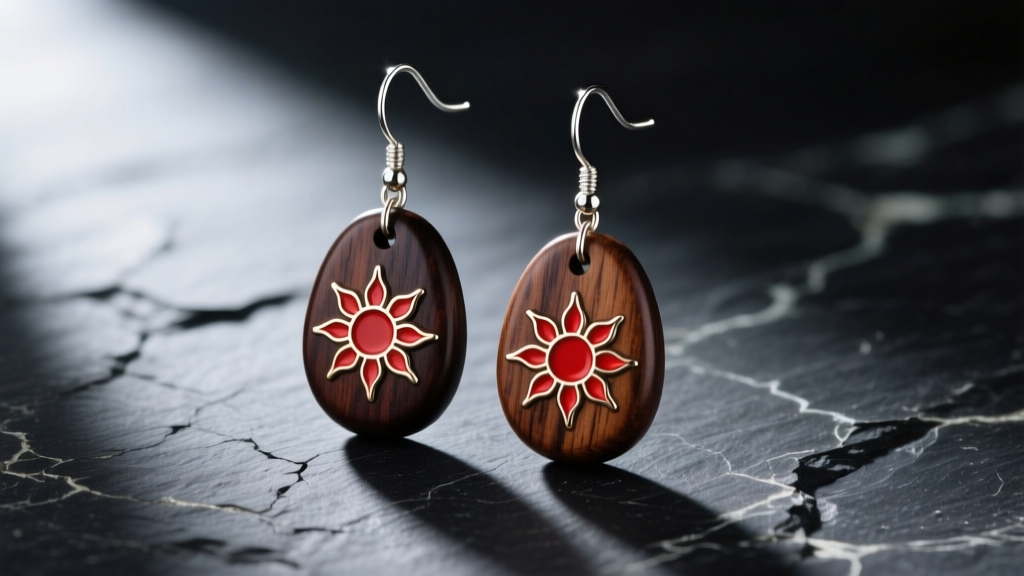
When fans ofDemon Slayer and collectors of anime-inspired jewelry ask, 'what earrings did Yoriichi wear?', the answer is the iconic Hanafuda drop earring. Yoriichi Tsugikuni, the legendary creator of the Sun Breathing technique, wore rectangular drop earrings featuring the rising sun motif, reminiscent of traditional Japanese Hanafuda playing cards. Today, these earrings have transcended cosplay to become a staple of alternative and pop-culture fashion.
However, because these earrings are crafted from a highly unusual mix of organic and synthetic materials—ranging from lightweight basswood and Washi paper to epoxy resin and vitreous enamel—they require a highly specialized care regimen. Standard jewelry cleaning methods, like ultrasonic baths or alcohol wipes, will permanently destroy a Hanafuda earring. In this comprehensive guide, we break down the material science of these unique drops and provide a meticulous, step-by-step maintenance protocol to preserve their structural integrity and vibrant pigments.
Anatomy of a Hanafuda Drop Earring: Materials & Vulnerabilities
To properly care for these earrings, you must first identify their exact material composition. Artisan and mass-market replicas generally fall into three categories, each with distinct failure modes:
- Wood and Paper with Resin Coating: The most authentic-feeling replicas use a basswood or balsa core, layered with printed Washi paper, and sealed in a clear epoxy or polyurethane resin. Vulnerability: Moisture intrusion causes the wood to warp, while UV exposure yellows the resin and fades the red carmine pigments.
- Solid Enamel and Metal: Higher-end replicas use cloisonné or hard enamel set in brass or surgical steel frames. Vulnerability: The metal prongs can snag, and the enamel can chip if dropped on hard surfaces.
- Acrylic or Cellulose Acetate: Budget-friendly versions are laser-cut from printed acrylic sheets. Vulnerability: Acrylic is highly prone to micro-scratches and will melt or cloud instantly if exposed to acetone or alcohol-based cleaners.
Regardless of the pendant material, the ear wires are typically 20-gauge or 22-gauge surgical steel or brass. Because the pendants are exceptionally lightweight (usually under 3 grams), thinner 22-gauge hooks are often used to reduce lobe fatigue, but they are easily bent out of shape during improper handling.
The Ultimate Cleaning Protocol for Wood, Resin, and Enamel
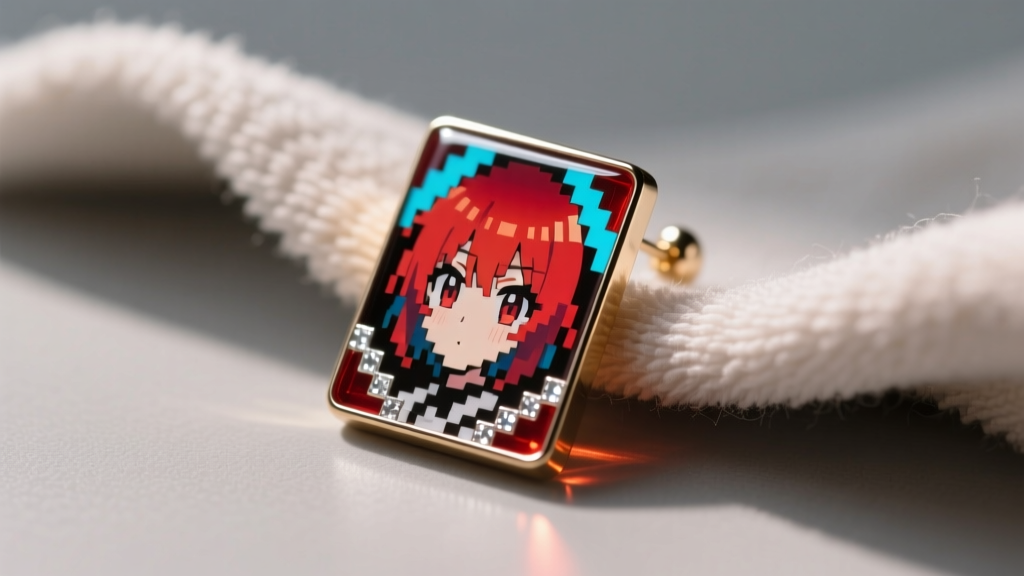
According to guidelines from Jewelers of America, mixed-material jewelry requires a conservative, minimally invasive cleaning approach. Never submerge Hanafuda earrings in liquid. Follow this three-step dry and damp protocol.
Step 1: Dry Dusting and Debris Removal
Before introducing any moisture, remove surface dust and skin oils. Use a clean, untreated makeup brush or a soft-bristled detailing brush to gently sweep the edges of the earring. If your earrings feature a textured metal frame around an enamel core, use a wooden toothpick to gently dislodge debris trapped in the crevices. Avoid metal needles, which will scratch the enamel or gouge the wood.
Step 2: The Damp Wipe Technique (No Soaking!)
Create a cleaning solution using distilled water and a single drop of pH-neutral castile soap. Tap water contains dissolved minerals that will leave permanent white calcium spots on porous wood and matte resin. Dampen a lint-free microfiber cloth with the solution, wring it out until it is barely moist, and gently wipe the face of the earring in small, circular motions. Immediately follow up with a dry section of the cloth to absorb any residual moisture. According to the Smithsonian Museum Conservation Institute, controlling moisture exposure is the single most critical factor in preserving paper and wood-based artifacts.
Step 3: Metal Hook Sanitization
The metal ear wires accumulate sebum, dead skin cells, and bacteria. You can safely sanitize the metal hooks using a cotton swab dipped in 70% isopropyl alcohol. Critical Warning: Ensure the alcohol does not drip onto the wooden or resin pendant, as it will strip the protective coating and cause irreversible clouding.
Maintenance Matrix: What to Use and What to Avoid
Using the wrong chemical agent is the fastest way to ruin anime replica jewelry. Refer to this matrix before attempting to clean your collection.
| Material Component | Safe Cleaning Agent | Fatal Cleaning Mistake | Drying Method |
|---|---|---|---|
| Resin / Epoxy Coating | Distilled water, mild castile soap | Alcohol, acetone, glass cleaner | Air dry or microfiber buff |
| Basswood / Balsa Core | Dry microfiber, jojoba oil (rarely) | Ultrasonic cleaners, soaking | Immediate towel dry |
| Hard Enamel / Cloisonné | Warm soapy water, soft cloth | Abrasive polishing pastes | Air dry |
| 20g/22g Steel Ear Wires | 70% Isopropyl alcohol | Bleach, hydrogen peroxide | Evaporates naturally |
Long-Term Storage: Preventing UV Fading and Warping
The striking red and black pigments used in Hanafuda designs are notoriously susceptible to photodegradation. Prolonged exposure to direct sunlight (specifically UV-A and UV-B rays) will break down the chemical bonds of the red dye, turning a vibrant crimson into a washed-out pink within a matter of months.
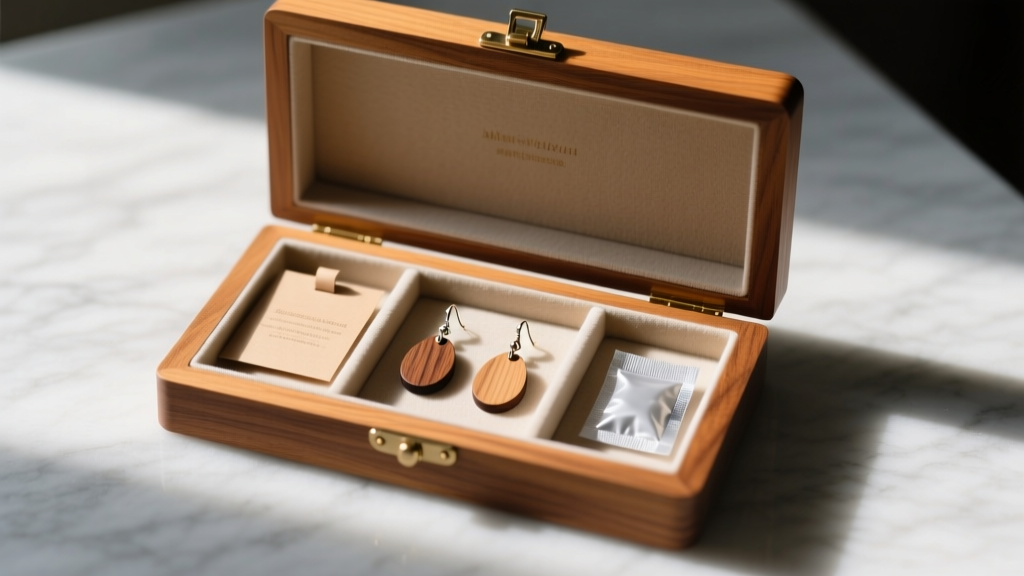
Expert Storage Tip: Never display your Hanafuda earrings on an open jewelry tree near a window. Store them in a dark, lined jewelry box. For wooden variants, include a small silica gel desiccant packet in the box to maintain a relative humidity (RH) of around 45%. If the RH drops below 30%, the wood will dry out and crack; if it exceeds 60%, the wood will absorb moisture and warp, causing the resin coating to delaminate.
Additionally, because the 22-gauge hooks are delicate, store the earrings in a dedicated compartment or thread them through a soft felt roll to prevent the hooks from being crushed by heavier metal jewelry.
Troubleshooting Common Hanafuda Earring Damage
Even with meticulous care, accidents happen. Here is how to address the most common failure modes associated with Yoriichi-style drop earrings.
- Cloudy or Scratched Resin: If your resin-coated wooden earrings have developed a cloudy haze or micro-scratches, do not use standard metal polish. Instead, use a specialized plastic polish (such as Novus 2 Fine Scratch Remover). Apply a tiny amount to a microfiber cloth and buff the resin in circular motions until the clarity returns. Wipe away all residue with a damp cloth.
- Warped Wood Pendants: If a wooden earring has curled due to humidity changes, you can attempt to flatten it using a controlled humidity chamber. Place the earring in a sealed container with a damp (not wet) sponge for 24 hours to allow the wood fibers to relax. Once pliable, place the earring between two flat pieces of glass or acrylic, weigh it down with a heavy book, and let it dry completely for 48 hours in a climate-controlled room.
- Tarnished Brass Hooks: If your earrings feature uncoated brass hooks that have oxidized and turned green, create a paste of equal parts lemon juice and baking soda. Apply the paste only to the metal hook using a cotton swab, let it sit for two minutes, and rinse carefully under a low stream of distilled water, ensuring the pendant remains completely dry.
Final Thoughts on Preserving Anime History
Understanding what earrings Yoriichi wore is only the first step; preserving their real-world counterparts requires a commitment to material-specific care. By abandoning harsh chemical cleaners, controlling your storage environment's humidity, and handling the delicate 22-gauge hooks with precision, you can ensure your Hanafuda earrings remain as vibrant and striking as the Sun Breathing legacy itself. Treat these unique mixed-material pieces not as disposable cosplay props, but as delicate artisanal jewelry deserving of museum-grade maintenance.


